Quick answer
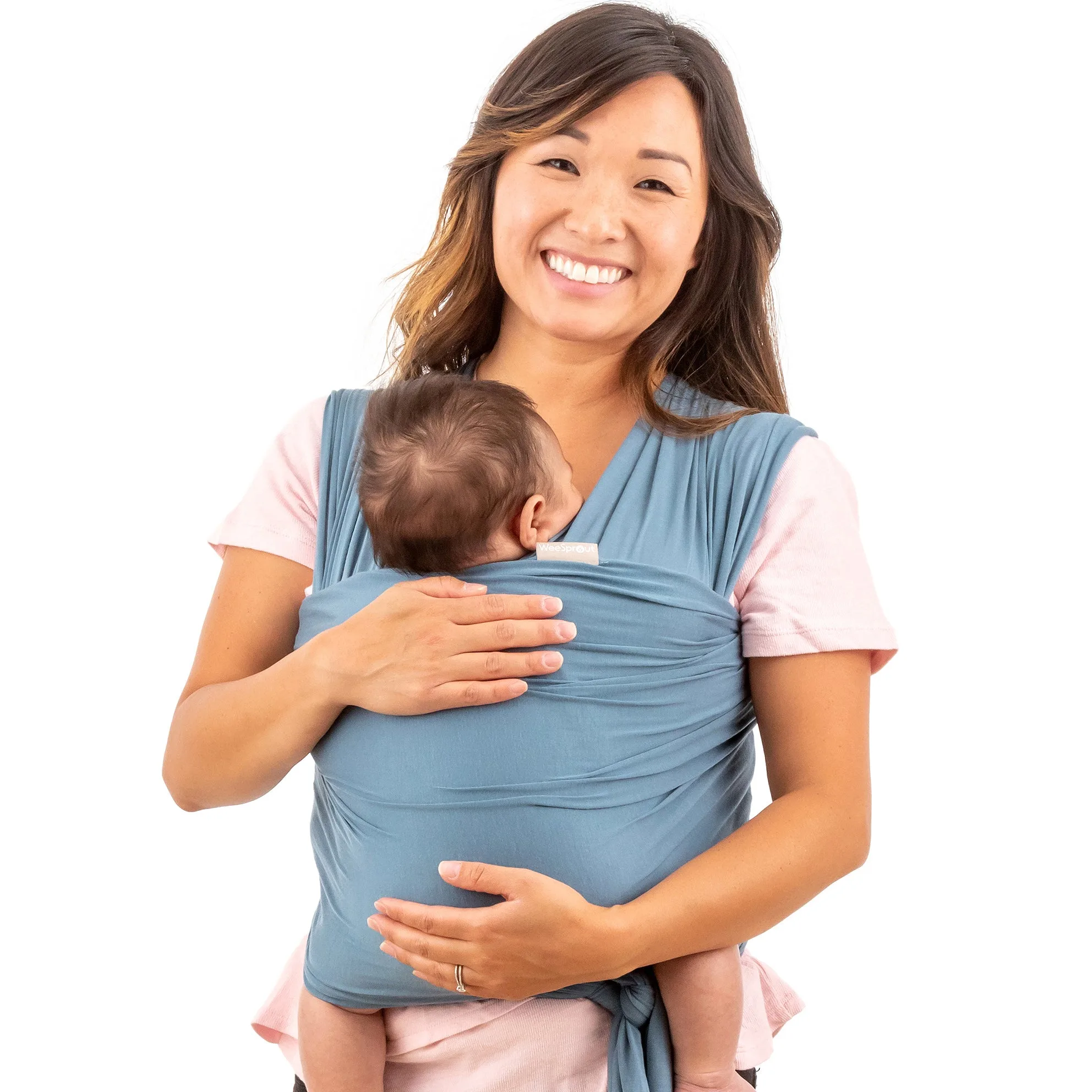
A baby wrap carrier is a long piece of fabric you tie around your body to hold your baby close. Start by finding the center, wrap the fabric across your chest and back, tie a double knot at your waist, then place your baby in the pouch. Always check that your baby's face is visible and their chin is off their chest.
Why Use a Baby Wrap Carrier?
Baby wrap carriers offer a hands-free way to keep your newborn close while you go about your day. They distribute your baby's weight across your shoulders and back, which can be more comfortable than a single-shoulder carrier for long periods. The snug fit also mimics the womb, which can help soothe a fussy infant.
Choosing the Right Wrap Fabric
Most wraps are made from stretchy jersey knit or woven fabric. Stretchy wraps are ideal for newborns because they mold to your baby's shape and feel secure. Woven wraps are less elastic and support heavier toddlers better but have a steeper learning curve. For a newborn, a stretchy wrap is usually the easiest starting point.
How to Use a Baby Wrap Carrier: Step by Step
- Find the center and position the wrap: Hold the wrap horizontally behind your back with the center seam or tag at your spine. Bring both ends forward over your shoulders, crossing them over your chest. The fabric should form an X on your back and a pocket in front. Common mistake: letting the fabric twist. Keep the wrap flat against your body for even support.
- Tie a secure knot at your waist: Bring the ends around to your lower back and tie a double knot at your waistline, not at your belly button. The knot should be tight enough that the wrap doesn't sag but not so tight it digs in. Checkpoint: if the knot sits above your hip bone, it may slip. Adjust it lower for a stable hold.
- Create the pouch and place your baby: Spread the front panel of the wrap across your chest, creating a wide, flat pocket from knee to knee. Hold your baby facing you, then gently slide them into the pouch, ensuring their bottom is lower than their knees (M-position). Common mistake: placing the baby too high. Their face should be close enough to kiss, not pressed against your chin.
- Tighten the fabric and check safety: Pull the outer layer of the wrap over your baby's back, smoothing out any wrinkles. The fabric should be snug against their body with no slack. Check that their face is visible, their chin is off their chest, and they can breathe freely. Final check: you should be able to fit two fingers between your baby's chin and chest. If not, reposition and tighten.
Products That Support Baby Wearing
- Glass Baby Food Storage Jars – 8 oz (Set of 8): Healthy homemade meals don’t have to mean cooking every single day. WeeSprout's Glass Food Storage Jars are the ultimate solution for busy families who batch prep meals and want flexible, eco-friendly storage that grows with their child. After you've settled into a baby-wearing routine, batch prepping homemade baby food becomes much easier. These jars let you store purees in the fridge or freezer so you can grab a meal while wearing your baby.
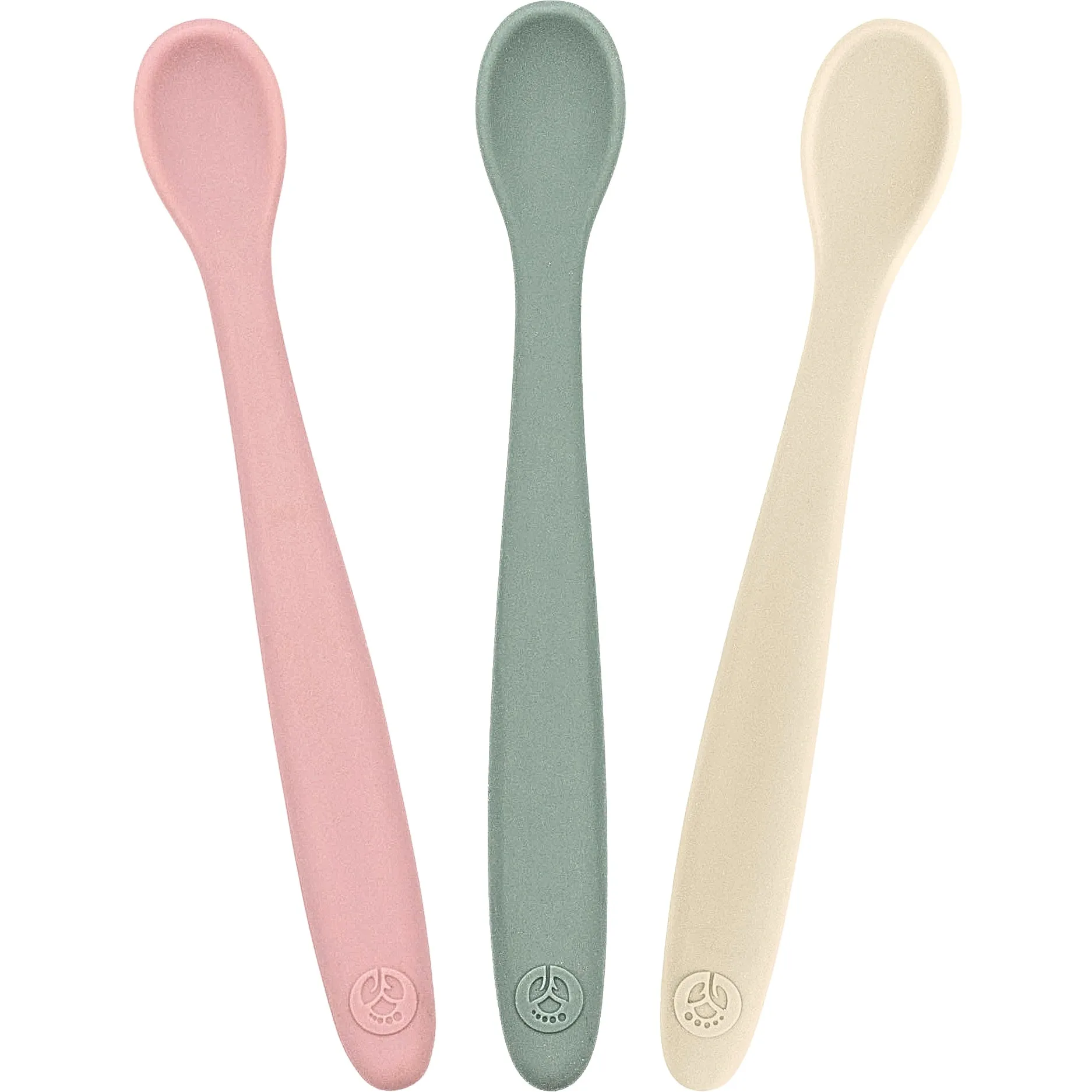
- First Stage Infant Feeding Spoons – Set of 3 with Carrying Case: Feeding purees is one of baby’s first mealtime milestones — and the right spoon can make it a smoother experience for both of you. WeeSprout First Stage Infant Feeding Spoons are designed specifically for early feeding success. When you're wearing your baby, a longer-handled, bendable spoon makes it easier to feed them without having to remove the carrier. This set comes with a carrying case, so you can keep it clean in your diaper bag.
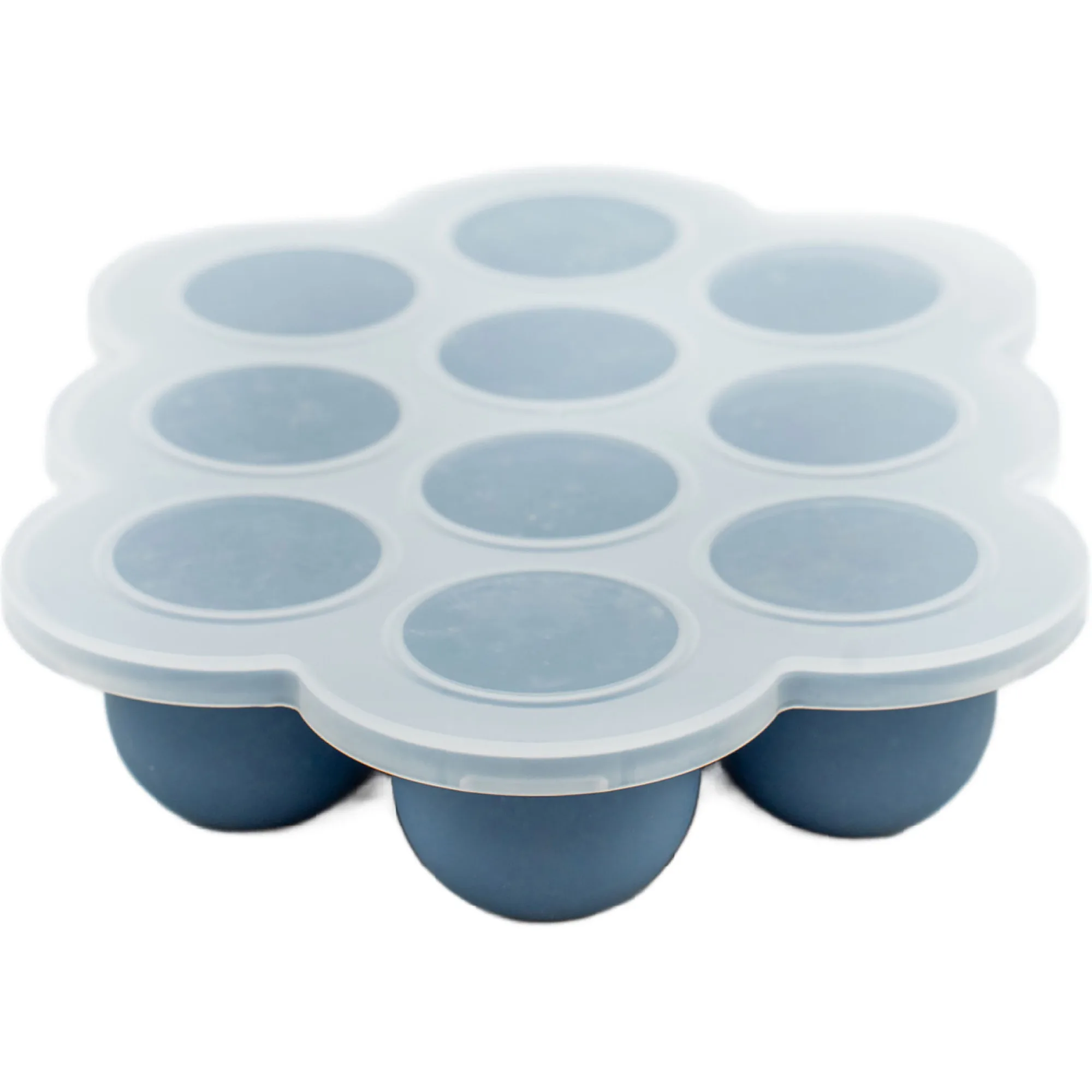
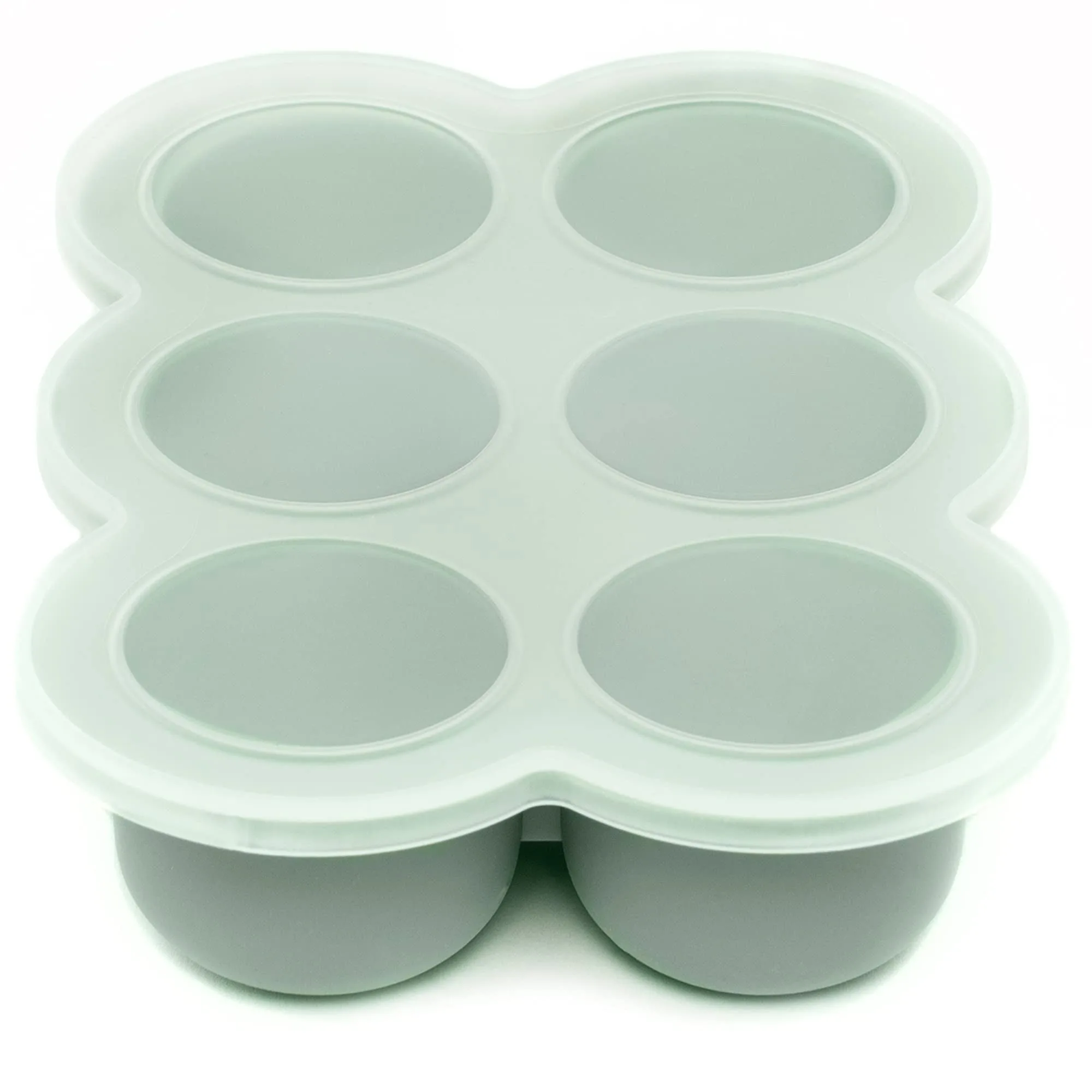
- Silicone Baby Food Freezer Tray – 1.5 oz Sections: Make mealtime prep simple, fast, and flexible with the WeeSprout Silicone Baby Food Freezer Tray. Designed for busy parents who want to prep nutritious homemade baby food, breastmilk, and toddler snacks in advance. While wearing your baby, you can quickly pop pre-portioned puree cubes into a bowl for warming. The 1.5 oz sections are perfect for single servings, reducing prep time during those hands-on moments.