If your dog struggles with separation anxiety, noise phobias, or simply has too much energy, you've probably searched for ways to help them relax. One surprisingly effective tool is a lick bowl. Licking is a natural, calming behavior for dogs—it releases endorphins that reduce stress and promote a sense of well-being. In this guide, we'll explore how to use a lick bowl for anxiety relief and mental stimulation, and why it's a must-have for every dog owner.
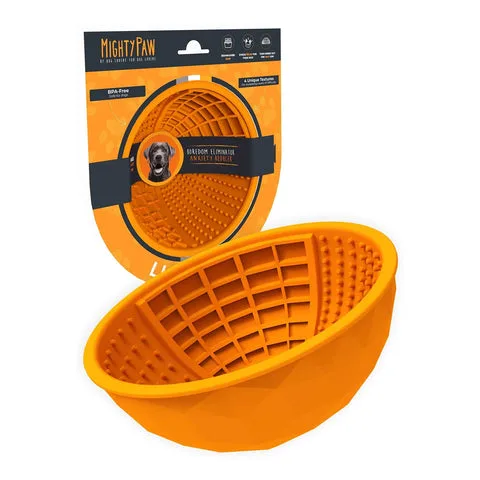
lick bowl
A lick bowl is more than just a feeding accessory; it's an enrichment tool that can transform your dog's alone time. Whether you're dealing with a nervous rescue or a high-energy puppy, incorporating a lick bowl into your routine can make a world of difference. Let's dive into the science behind licking, how to choose the right bowl, and creative ways to use it for your dog's benefit.
Why Licking Calms Dogs: The Science Behind It
Licking is an innate behavior in dogs. Puppies lick their mothers for comfort and nourishment, and that association stays with them into adulthood. When a dog licks, their brain releases endorphins—natural hormones that act as pain relievers and mood elevators. This is why dogs often lick their paws or your face when they're stressed or seeking comfort.
A lick bowl capitalizes on this natural mechanism. By providing a safe, appropriate surface for licking, you can redirect your dog's anxious energy into a calming, repetitive activity. This is especially useful during thunderstorms, fireworks, or when you're leaving the house. The rhythmic motion of licking can lower your dog's heart rate and help them settle into a relaxed state.
- Licking releases endorphins, which naturally reduce stress.
- It provides a healthy outlet for nervous energy.
- Lick bowls can be used proactively to prevent anxiety before it escalates.
Choosing the Right Lick Bowl: What to Look For
When selecting a lick bowl, consider the material, size, and design. Silicone bowls are durable, easy to clean, and gentle on your dog's teeth. Look for a bowl with suction cups on the bottom to keep it in place while your dog licks—this prevents it from sliding across the floor, which can be distracting or frustrating for your pup.
Size matters too. A larger bowl is great for spreading out a thin layer of food, which prolongs the licking session. Smaller bowls are perfect for quick treats or for dogs with flat faces. Also, consider the depth: shallow bowls are easier for dogs with shorter snouts, while deeper ones hold more filling. The right bowl will make the experience enjoyable and stress-free.
- Opt for food-grade silicone—safe and easy to clean.
- Choose a bowl with suction cups for stability.
- Consider your dog's size and snout length when picking a bowl.
Step-by-Step Guide to Using a Lick Bowl
Start by introducing the lick bowl gradually. Smear a small amount of your dog's favorite treat—like peanut butter, yogurt, or pumpkin puree—onto the surface. Let your dog explore it at their own pace. For the first few times, keep sessions short (5-10 minutes) to build positive associations.
Once your dog is comfortable, you can use the lick bowl in various situations. For anxiety relief, give it to your dog just before you leave the house or during a stressful event like a storm. For mental stimulation, you can freeze the bowl with the filling inside—this creates a longer-lasting challenge that keeps your dog engaged and entertained.
- Use a spatula to spread the filling evenly for a smooth surface.
- Freeze the filled bowl for a longer-lasting treat.
- Supervise your dog the first few times to ensure they don't try to chew the bowl.
Creative Fillings and DIY Enrichment Ideas
The possibilities for lick bowl fillings are endless. For a simple, calming treat, mix plain yogurt with a spoonful of peanut butter. For a more nutritious option, blend pumpkin puree with a bit of honey. You can also use wet dog food, mashed bananas, or even a little bit of unsalted broth frozen into ice cubes.
For DIY enrichment, create a 'puzzle' by layering different textures—start with a base of yogurt, add some small treats or pieces of fruit, and freeze. Your dog will have to work to get every last bit, providing both mental and physical stimulation. This is a great way to keep your dog occupied during conference calls or family dinners.
- Try plain yogurt, peanut butter, pumpkin puree, or wet food.
- Layer ingredients and freeze for a challenging puzzle.
- Rotate fillings to keep your dog interested.
Lick Bowl Alternatives: When to Use a Lick Mat
While a lick bowl is versatile, a lick mat is a popular alternative—especially for dogs who prefer a flat surface or for use on walls or floors. Lick mats are typically smaller and can be stuck to any smooth surface, making them great for grooming sessions or vet visits. However, a lick bowl holds more filling and is better for longer sessions.
If your dog is new to licking enrichment, you might start with a lick mat and then graduate to a bowl. Both tools serve the same purpose: to calm and engage your dog. The choice comes down to your dog's preferences and the situation. For example, a lick bowl is perfect for home use, while a lick mat is handy for travel or car rides.
- Lick mats are portable and great for on-the-go calming.
- Lick bowls are better for extended, at-home sessions.
- Experiment with both to see which your dog prefers.
Incorporating Lick Bowls into Your Dog's Routine
To get the most out of a lick bowl, make it a regular part of your dog's day. Use it during quiet time, after a walk, or when you need a few minutes of peace. Consistency helps your dog associate the bowl with relaxation, making it a reliable tool for anxiety relief.
You can also pair the lick bowl with other calming activities, like gentle massage or soft music. Over time, your dog will learn that licking is a positive way to cope with stress. Remember, a lick bowl is not a substitute for addressing the root cause of anxiety, but it's a wonderful complement to training and behavioral modification.
- Use the lick bowl during known triggers, like thunderstorms or separation.
- Pair it with a calming routine to reinforce relaxation.
- Consult your vet if anxiety persists despite enrichment.
Recommended Products for Your Lick Bowl Routine
To get started, you'll need a high-quality lick bowl. While we don't sell a dedicated lick bowl, we have products that pair perfectly with this activity. For example, our Mighty Omega: Skin & Coat Supplement for Dogs can be mixed into your dog's lick bowl filling for an added health boost. Omega-3 fatty acids support skin and coat health, making this a tasty and nutritious addition.
Another great option is to use a lick bowl to deliver treats like our All-Natural Yak Cheese Dog Chews. Grate a little cheese onto the bowl's surface for a long-lasting, flavorful session. These chews are high in protein and low in fat, making them a healthy choice for your pup.
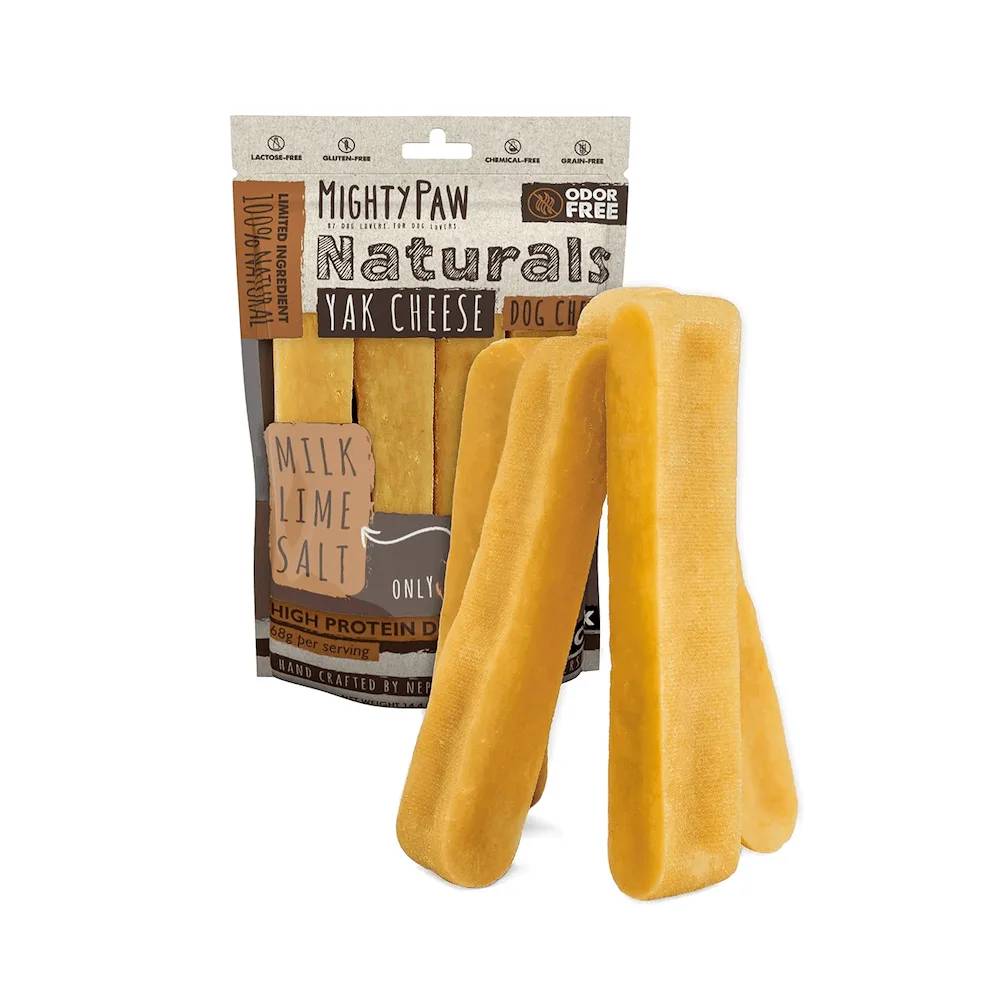
All-Natural Yak Cheese Dog Chews
- Mix Mighty Omega supplement into the filling for a health boost.
- Grate yak cheese chews onto the bowl for extra flavor.
- Always supervise your dog with new treats.
A lick bowl is a simple yet powerful tool for managing your dog's anxiety and providing mental stimulation. By incorporating it into your daily routine, you can help your dog feel calmer, happier, and more engaged. Start with easy fillings, experiment with freezing techniques, and don't forget to explore our recommended products to enhance the experience. Your dog will thank you for it!