Quick answer
Using a manual breast pump effectively starts with proper flange fit, gentle positioning, and alternating between stimulation and expression modes. Master a rhythmic pumping pattern, replace valves regularly, and keep a spare set of parts for convenience.
Why choose a manual breast pump?
A manual breast pump is ideal for occasional use, travel, or when you need a quiet, portable option. The Lansinoh Manual Breast Pump weighs very little and fits in a diaper bag, making it perfect for on-the-go pumping. It also gives you complete control over suction strength and rhythm, which can feel more natural than an electric pump for some mothers.
Getting the right fit
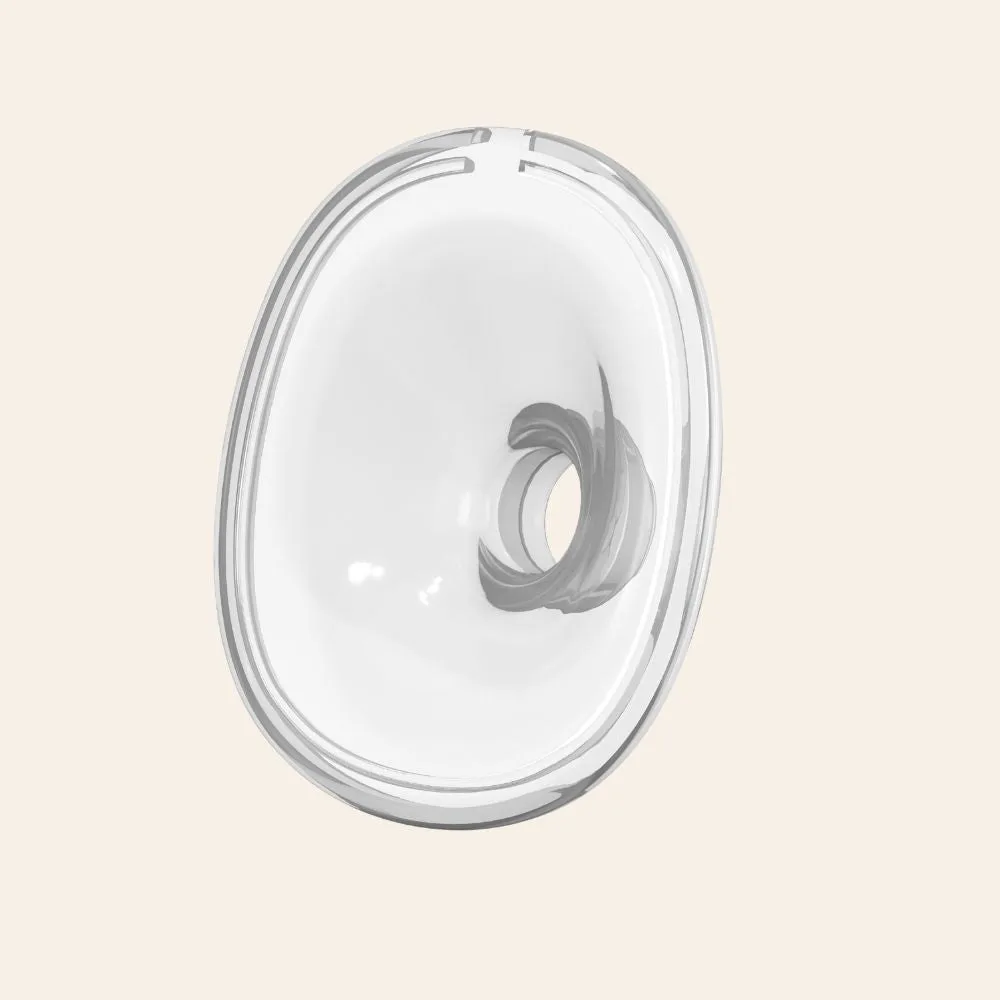
Flange size is critical for comfort and output. The Lansinoh Manual Breast Pump comes with standard 25mm flanges, but a 30.5mm large option is available separately. If your nipple rubs against the tunnel or you see excessive areola pulled in, you likely need a different size. A proper fit prevents pain and ensures efficient milk removal.
Step-by-step guide to using a manual breast pump
- Set up your pump and position yourself comfortably: Wash your hands and assemble the pump parts. Sit upright with your back supported. Lean forward slightly so the bottle hangs straight. Place the flange centered over your nipple. Common mistake: leaning too far back or to the side can cause milk to spill or the flange to lose seal.
- Start with stimulation mode to trigger let-down: Use the pump's stimulation mode (fast, light squeezes) for about 1-2 minutes or until you feel your milk start to flow. Do not rush this step—a good let-down is key to efficient pumping. Checkpoint: if you don't feel a let-down after 3 minutes, try gentle breast massage or look at a photo of your baby.
- Switch to expression mode and find your rhythm: Once milk flows, switch to expression mode. Use a slow, steady squeeze-hold-release pattern. Squeeze the handle fully, hold for 2-3 seconds, then release completely. Repeat this rhythm 10-15 times per breast. Common mistake: squeezing too fast or not holding the handle long enough reduces milk output.
- Pump until flow slows, then switch sides: Continue pumping until milk flow slows to a trickle (usually 5-10 minutes). Switch to the other breast and repeat the process. You can double-pump with a manual by using two pumps, but many mothers prefer to pump one side at a time. Checkpoint: if you feel pain or see nipple blanching, stop and check flange fit.
Products that help
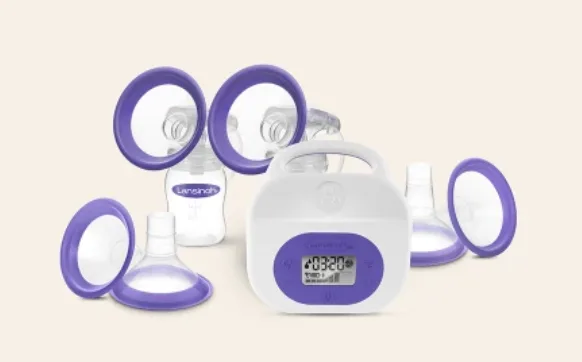
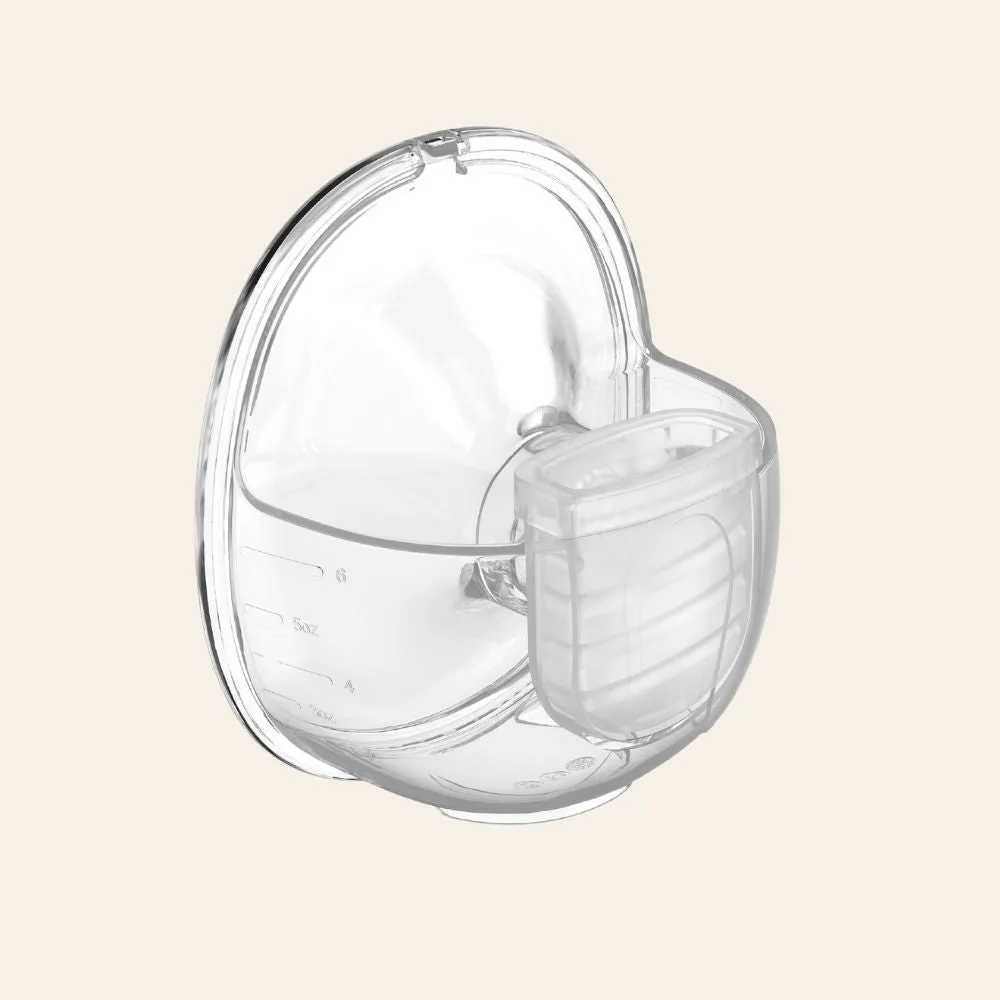
- Manual Breast Pump: Our manual breastfeeding pump is comfortable, convenient and portable. The Lansinoh® Manual Breast Pump is ideal for occasional use at home or on the go. Switch easily between two pumping modes, Stimulation and Expression, to aid in let-down and maximize pumping efficiency. The two-mode design lets you mimic a baby's natural feeding pattern—fast, light stimulation to trigger let-down, then slower, deeper expression for maximum milk flow.
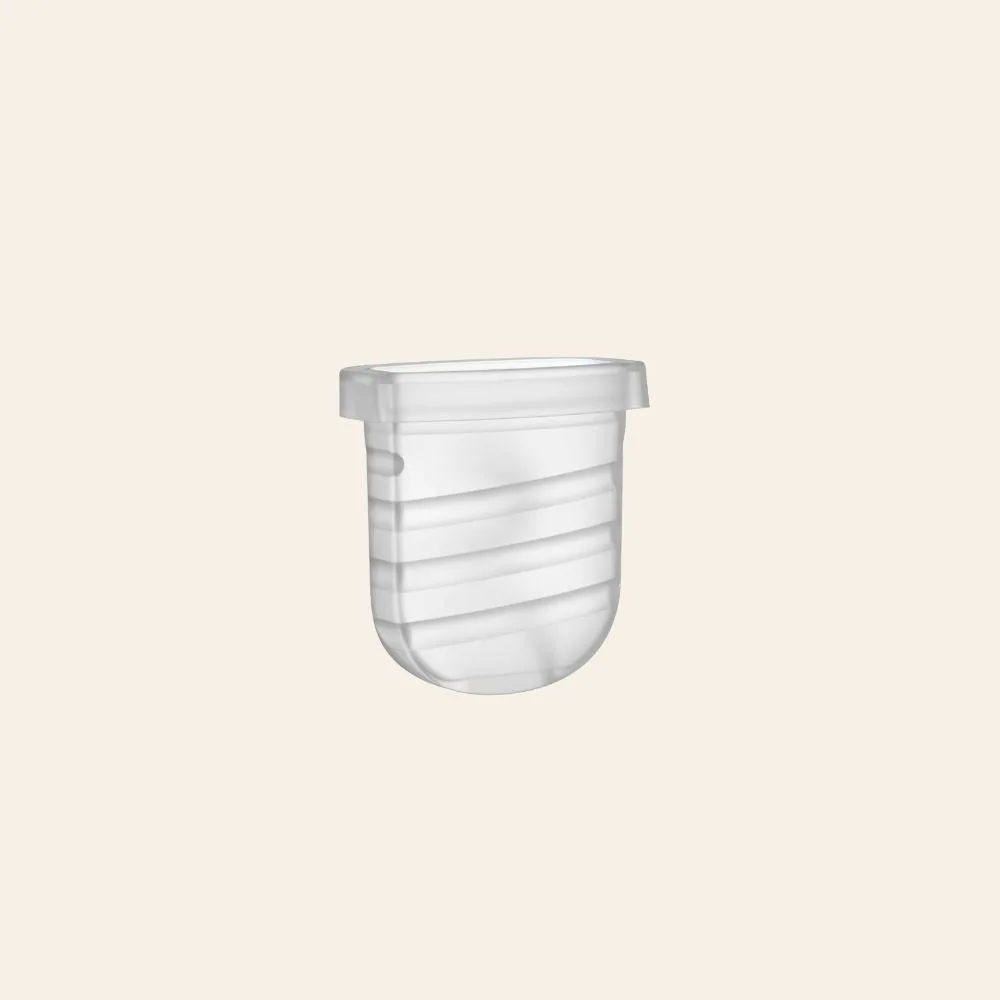
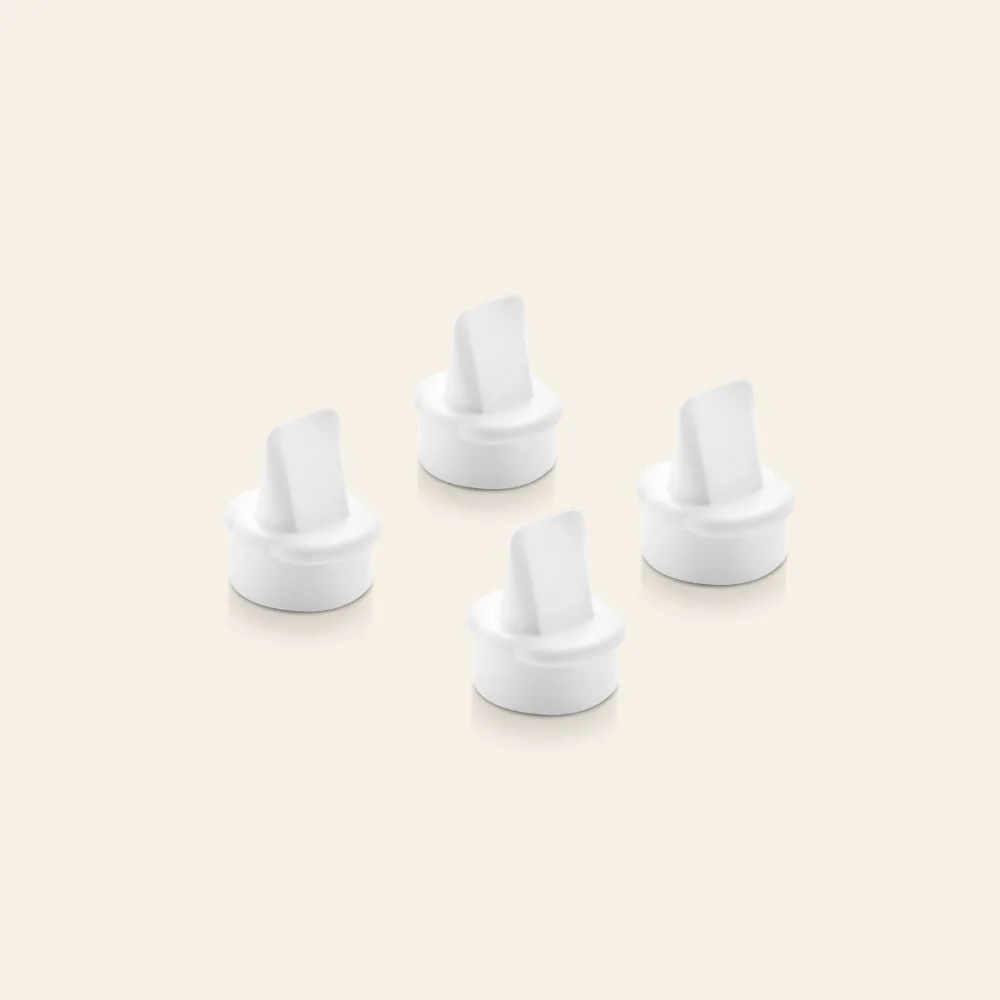
- Pump Valves - 4 Pack for Signature Pro and Smartpump: These breast pump valves attach to the flange body (for both Lansinoh® double electric breast pumps or manual breast pump) and works with the diaphragm to ensure proper suction. Lansinoh valve replacements are compatible with Smartpumps, Signature Pro®, and Lansinoh® Manual Breast Pump. Worn valves are the most common cause of weak suction. Replacing them every 2-3 months restores pump performance and prevents frustration during pumping sessions.