Quick Answer
Start with the strobe at low intensity and short duration, pairing it with a known command, then gradually increase intensity and distance while rewarding calm, focused behavior.
Why Use a Strobe in Night Training?
A strobe light is a powerful distraction device for K9 training. It mimics sudden visual disturbances your dog might encounter in real tactical or urban environments. Introducing it gradually helps your dog learn to stay focused on you despite unexpected flashes.
The goal isn't to startle your dog into submission, but to build a reliable response under stress. This is especially important for working dogs who need to ignore visual noise during night operations.
Safety First: Eye Protection and Distance
Strobe lights can be intense. Always start at a distance and avoid shining the light directly into your dog's eyes. The DarkFighter Remote Control Strobe Light produces 2600 lumens, which is extremely bright. Begin with the strobe facing away or at a low angle, and keep sessions short to prevent overstimulation.
If your dog shows signs of stress like panting, turning away, or refusing treats, stop and reduce the intensity. Safety and comfort are the foundation of effective training.
Step-by-Step Strobe Training Process
- Introduce the Strobe at Low Intensity: Start in a familiar, low-distraction area. Place the strobe a few feet away and activate it at its lowest setting for 1-2 seconds. Pair the flash with a known command like 'sit' or 'focus'. Reward your dog immediately for maintaining focus. Watch for signs of stress; if your dog reacts strongly, increase distance or lower intensity.
- Gradually Increase Duration and Intensity: As your dog becomes comfortable, slowly increase the flash duration and brightness. Keep sessions short—under 5 minutes—and always end on a positive note with a reward. If your dog starts to anticipate the flash, vary the timing to keep it unpredictable.
- Add Movement and Distance: Once your dog is steady with a static strobe, begin moving the light or having a helper activate it from different angles. Increase the distance between you and your dog to simulate real-world conditions. Ensure your dog can still see you clearly; use hand signals or a light marker if needed.
- Practice in Night Conditions: Move to a dimly lit or dark environment. Use the strobe sparingly to avoid overstimulation. Combine with other night training tools like the Mini Tactical Light Marker for marking positions or signaling. Always have a backup light source for safety, and keep training sessions short to prevent fatigue.
- Reinforce and Generalize: Practice in different locations and with varying levels of distraction. Reward calm, focused behavior consistently. Over time, your dog will learn to ignore the strobe and respond to your commands. If your dog regresses, go back a step and rebuild confidence before moving forward.
Gear That Helps
-
DarkFighter Remote Control Strobe Light Distraction Device: The DarkFighter Remote Control Strobe Light Distraction Device features a powerful LED strobe with 2600 lumens and remote activation. Remote activation lets you control the distraction from a distance, so you can time the flash precisely without moving or breaking your dog's focus.
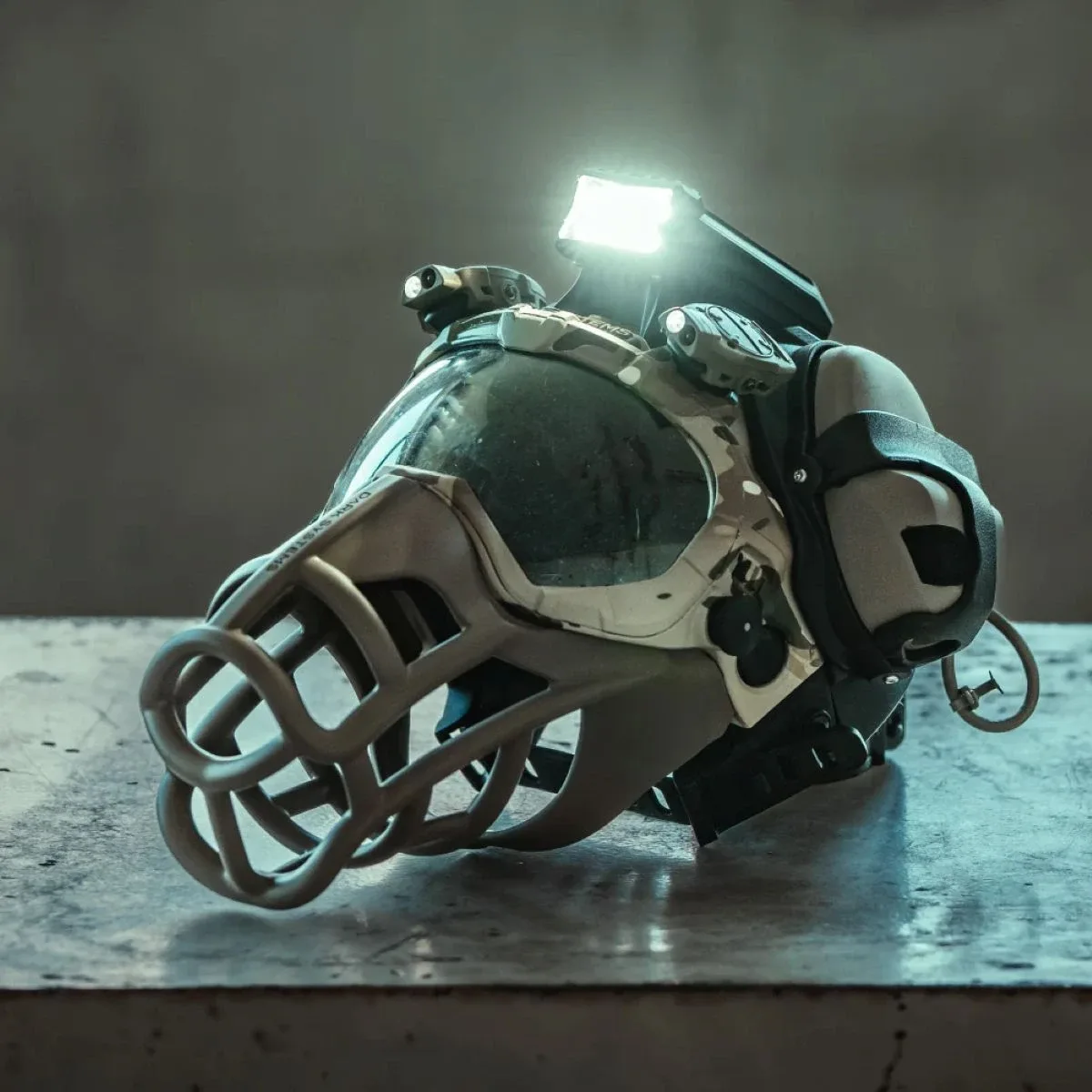
DarkFighter Remote Control Strobe Light Distraction Device
-
Mini Tactical Light Marker: The Mini Tactical Light Marker is waterproof, has a rechargeable battery, and offers up to 75 hours of runtime. Its long battery life and multiple LED modes make it a reliable, low-cost way to add colored light markers to your training setup, ideal for signaling or marking positions.
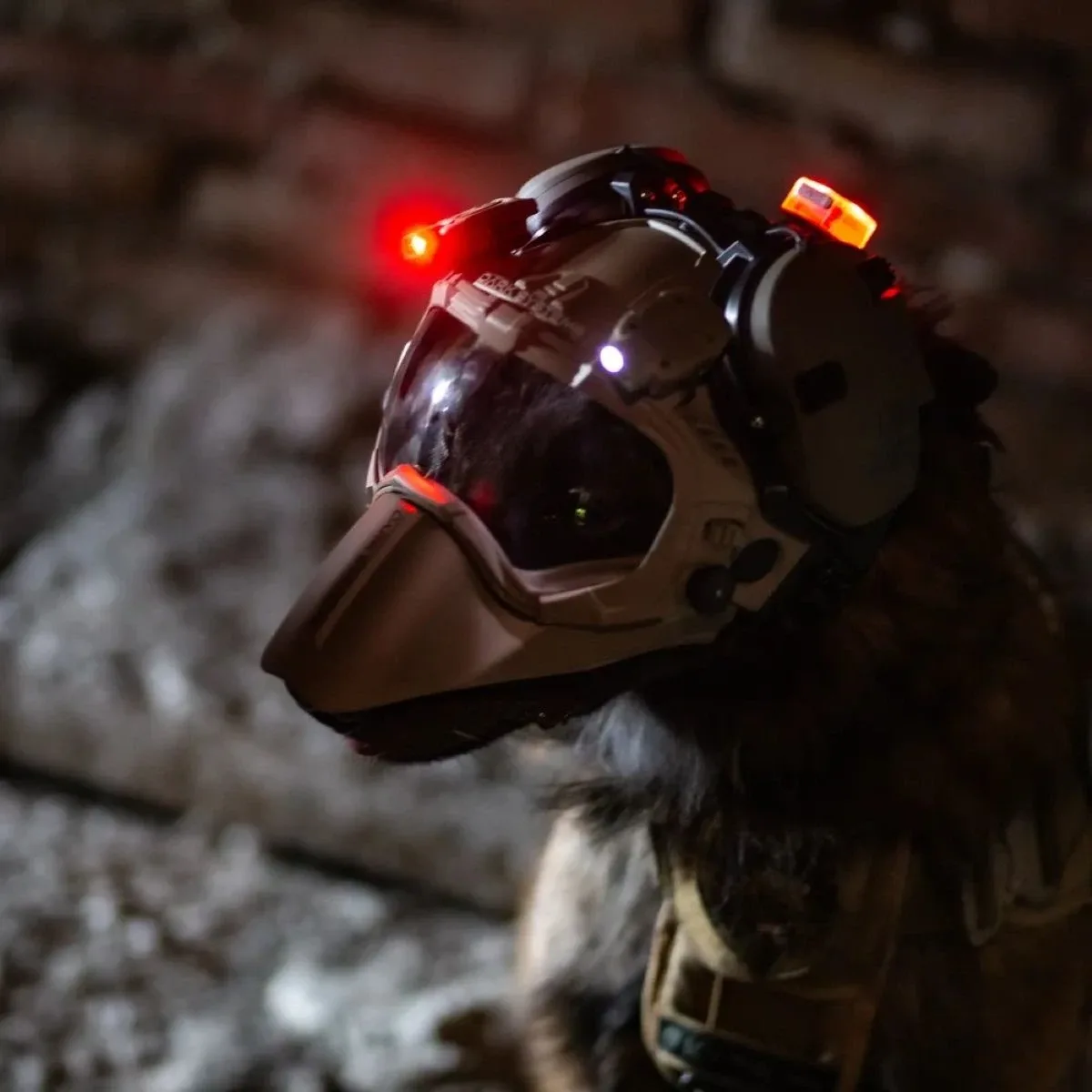
Mini Tactical Light Marker