The targetting tug is a versatile and powerful tool in a dog trainer's arsenal. It combines the thrill of a tug toy with the precision of target training, making it perfect for teaching focus, building engagement, and reinforcing desired behaviors. Whether you're a professional trainer or a dedicated pet owner, learning how to use a targetting tug effectively can transform your training sessions.
In this guide, we'll walk you through the fundamentals of targetting tug training, from choosing the right tug to step-by-step exercises that will have your dog eagerly offering focus and engagement. We'll also cover common mistakes and how to avoid them, ensuring you and your dog get the most out of this valuable tool.
What is a Targetting Tug?
A targetting tug is a training tool that combines a target (usually a ball or a specific piece of fabric) with a tug handle. It's designed to teach your dog to touch or target the specific part of the toy, which can then be used to reward behaviors, redirect attention, or build drive. Unlike a regular tug, the targetting tug encourages the dog to focus on a precise point, making it ideal for precision work.
Many trainers use a targetting tug to teach dogs to offer eye contact, follow a target, or move into a specific position. The tug serves as both the target and the reward, creating a seamless flow of reinforcement. This dual purpose makes it an efficient and engaging training aid.
- Targetting tugs often have a distinct shape or color to help the dog identify the target area.
- They can be used for obedience, agility, and even scent work.
Choosing the Right Targetting Tug
Selecting the right targetting tug is crucial for success. Look for a tug that is durable, easy to grip, and has a clearly defined target area. The size should be appropriate for your dog's breed and jaw strength. For example, a small dog may benefit from a smaller tug, while a large working dog might need a more substantial one.
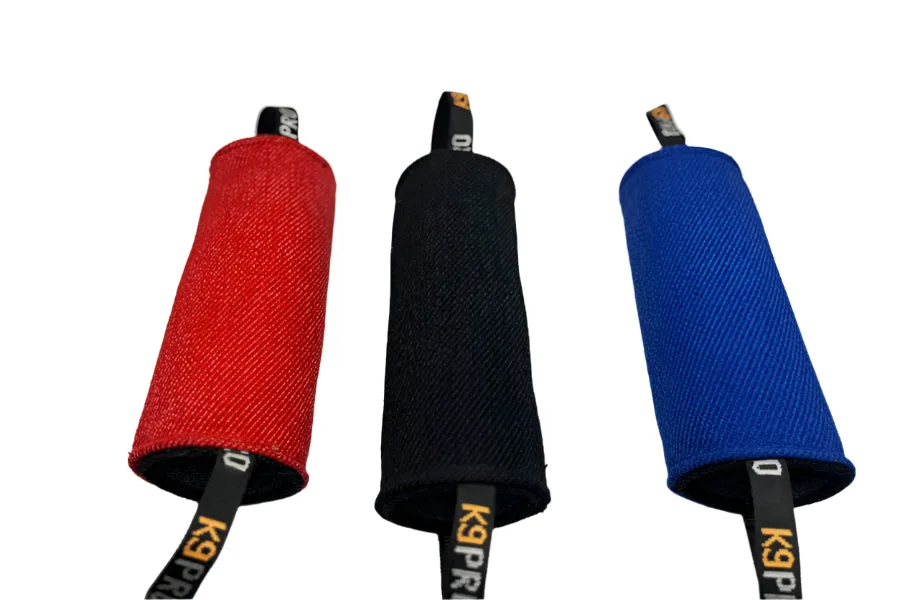
Consider the material as well. Some dogs prefer fleece, while others respond better to rubber or leather. The K9 Pro Round Bite Pillow is a popular choice for trainers, offering a soft yet durable surface that dogs love to grab. Alternatively, the Sherman The Sheep - From Tuffy Toys provides a fun, plush option that can double as a targetting tug for smaller dogs or puppies.
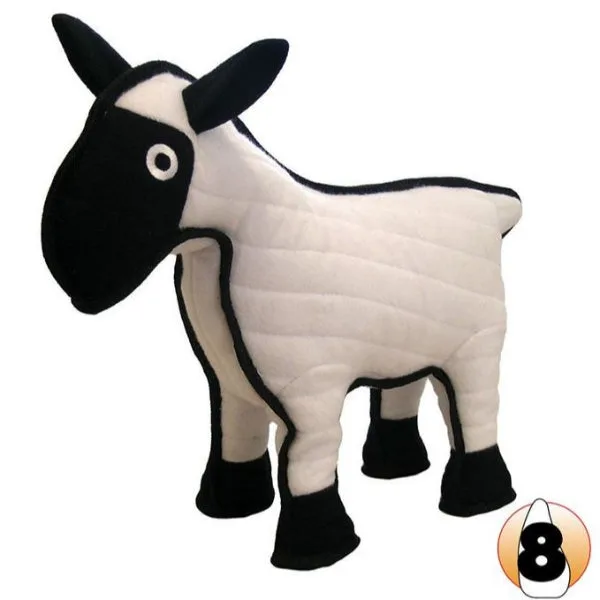
Sherman The Sheep - From Tuffy Toys
- Test the tug's grip to ensure it's comfortable for you to hold during sessions.
- Choose a tug with a visible target marker to help your dog understand what to aim for.
Step-by-Step: Teaching Your Dog to Target the Tug
Begin by introducing the tug to your dog in a low-distraction environment. Let them sniff and investigate it, then gently wave it to spark their interest. When they show curiosity or touch the target area, immediately mark with a 'yes' or click and allow them to grab the tug for a brief game of tug. This teaches them that touching the target leads to a rewarding outcome.
Once your dog is consistently touching the target, you can start adding a verbal cue like 'touch' or 'target.' Say the cue just before they make contact, then reward. Gradually increase the duration of the touch before allowing the tug. Over time, your dog will learn to hold the target until you release them, which is the foundation for more advanced exercises.
- Keep training sessions short (5-10 minutes) to maintain your dog's enthusiasm.
- Always end on a positive note, with a successful target and a rewarding tug.
Advanced Targetting Tug Exercises for Focus and Engagement
Once your dog understands the basics, you can use the targetting tug to improve focus and engagement in various contexts. One effective exercise is 'tug with eye contact.' Hold the tug at your side and ask your dog to target it, but before they can grab it, require them to look at you. This builds a strong connection between focus and reward.
Another exercise is 'send to target.' Place the tug a few feet away and send your dog to it. As they run to touch it, you can reward with a game of tug. This is excellent for building drive and enthusiasm in agility or obedience work. You can also use the targetting tug to redirect attention in distracting environments, teaching your dog to focus on you and the tug rather than the environment.
- Practice in different locations to generalize the behavior.
- Use the tug as a reward for correct responses in other training exercises.
Common Mistakes to Avoid
One common mistake is making the tug too available. If your dog can grab it whenever they want, they won't learn to offer focus or target on cue. Keep the tug out of reach until you're ready to train. Another mistake is using the tug as a distraction rather than a reward. Always ensure that the tug is presented as a consequence for correct behavior, not as a lure.
Additionally, avoid overusing the tug. If your dog gets tired of it, the value decreases. Rotate the targetting tug with other rewards, such as treats or other toys, to keep it special. Finally, be patient. Some dogs take longer to understand the targeting concept, so break the training into small steps and celebrate each success.
- Use a high-value tug for training sessions and a lower-value one for free play.
- Ensure your dog is not overly aroused during training, as this can lead to unfocused behavior.
Incorporating a targetting tug into your training routine can significantly enhance your dog's focus and engagement. By following these steps and avoiding common pitfalls, you'll create a strong foundation for advanced training. Remember to keep sessions fun and rewarding, and your dog will eagerly look forward to training time. For a high-quality targetting tug, consider the K9 Pro Round Bite Pillow, designed to withstand rigorous training while providing a clear target for your dog.