Quick answer
Wear your waistpack with the strap around your natural waist and the bag in front for crowded areas, then rotate it to the back for long walks or hikes. Pack only daily essentials, keep the weight under about two pounds, and adjust the strap so the bag sits snug against your body without bouncing.
A waistpack keeps your essentials within reach and your hands free, which is exactly what you want when navigating a busy market, boarding a train, or hiking a trail. The trick is knowing where to position it, how to pack it, and when to adjust it during the day.
This guide walks through the process step by step, from choosing the right waistpack to wearing it comfortably for hours. You will also find common mistakes that turn a useful hands-free travel bag into a nuisance.
Choose a waistpack that matches your trip
Not all waistpacks are built for the same job. For sightseeing and city days, look for a compact pack with a main zippered compartment, a small front pocket for a phone or transit card, and a strap that adjusts wide enough to fit over a light jacket. For hikes or active travel, prioritize a water-repellent fabric and a strap that stays put when you move.
If you carry a laptop or tablet, a waistpack alone will not work. Pair it with a backpack that has a dedicated laptop sleeve, such as the Yarin CNNCT F Matte Admiral backpack, which fits devices up to 16 inches and has a trolley loop for attaching to luggage. The waistpack then holds the items you need every hour, while the backpack stays on your back.
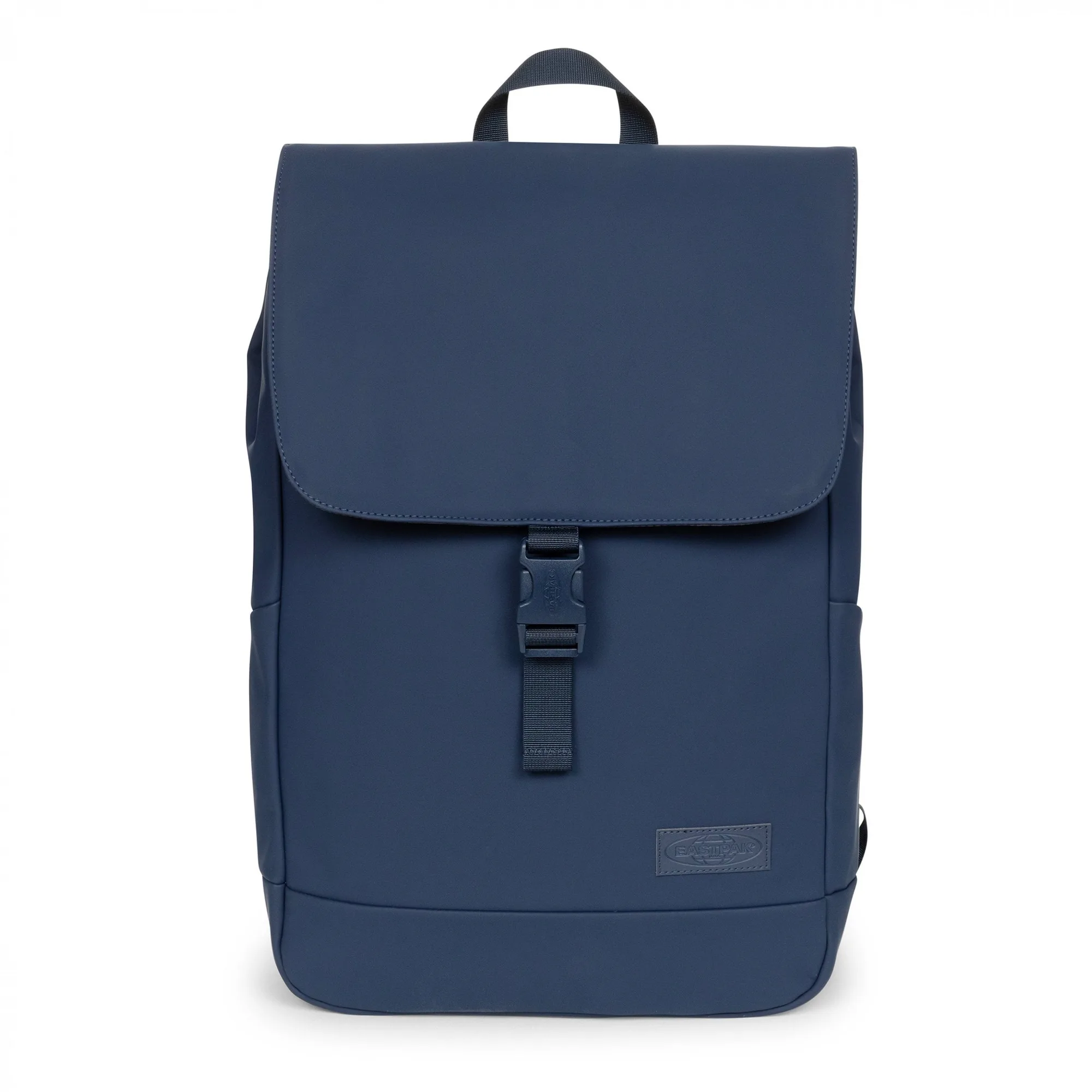
Yarin CNNCT F Matte Admiral
- Check the strap length before you buy—some waistpacks are designed to sit on the hips, others around the waist.
- A water-repellent finish helps if you expect rain or sweat.
Pack only what you need for the day
Overstuffing is the fastest way to make a waistpack uncomfortable. Lay out your essentials: phone, wallet, keys, a small sunscreen, hand sanitizer, and maybe a compact camera or power bank. Put the heaviest items in the main compartment close to your body, and use the front pocket for things you grab often, like a transit card or lip balm.
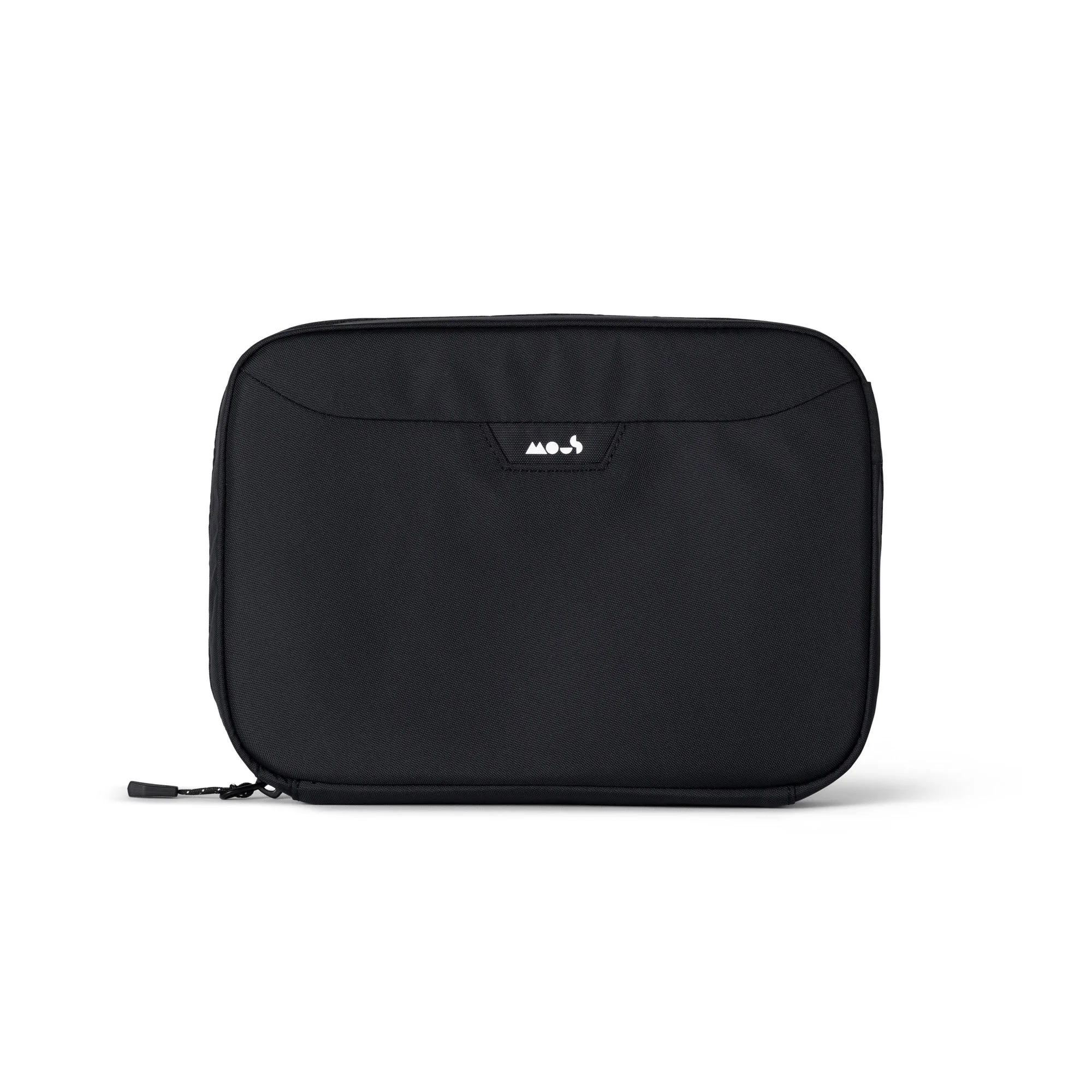
If you are traveling with a larger bag, keep the waistpack for quick-access items only. For example, the CNNCT Travelpack CNNCT Admiral has a dedicated laptop sleeve and organizer for efficient packing, so you can leave bulkier gear in that bag and carry the waistpack as your personal item. This split keeps the waistpack light and comfortable.
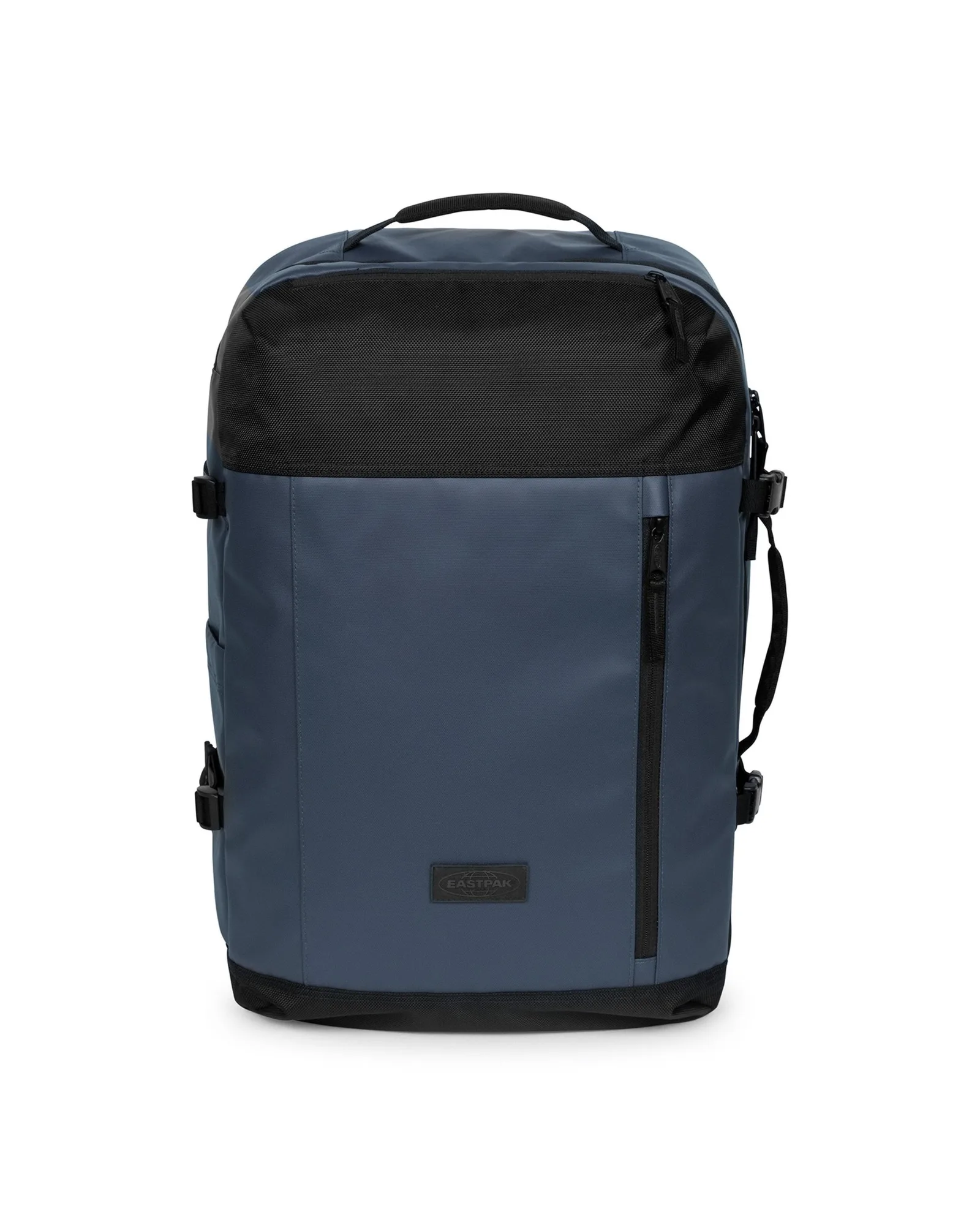
CNNCT Travelpack CNNCT Admiral
- Weigh your packed waistpack—if it feels heavier than a full water bottle, remove something.
- Use a small pouch or zip bag inside the main compartment to stop small items from migrating.
Position the waistpack correctly
For crowded areas, wear the waistpack in front of your body with the bag resting on your stomach or lower chest. This keeps zippers visible and makes it harder for someone to open it without you noticing. When you are walking long distances or hiking, rotate the bag to your lower back so it stays out of the way of your arms.
The strap should sit around your natural waist, not your hips, if you want the bag to stay in place. Tighten it until the pack is snug but you can still slide a finger under the strap. If the bag bounces when you walk, it is too loose; if it digs into your sides, it is too tight.
- A waistpack worn too low on the hips will swing and rub during long walks.
- If you wear a belt, thread the waistpack strap above or below it, not over the buckle.
Adjust for different activities
Your waistpack position should change with what you are doing. At a market or festival, keep it in front and consider wearing it crossbody for extra security. On a bike, rotate it to the back and tighten the strap so it does not shift. On a hike, wear it on your hips with the bag at the small of your back, and use a backpack for water and layers.
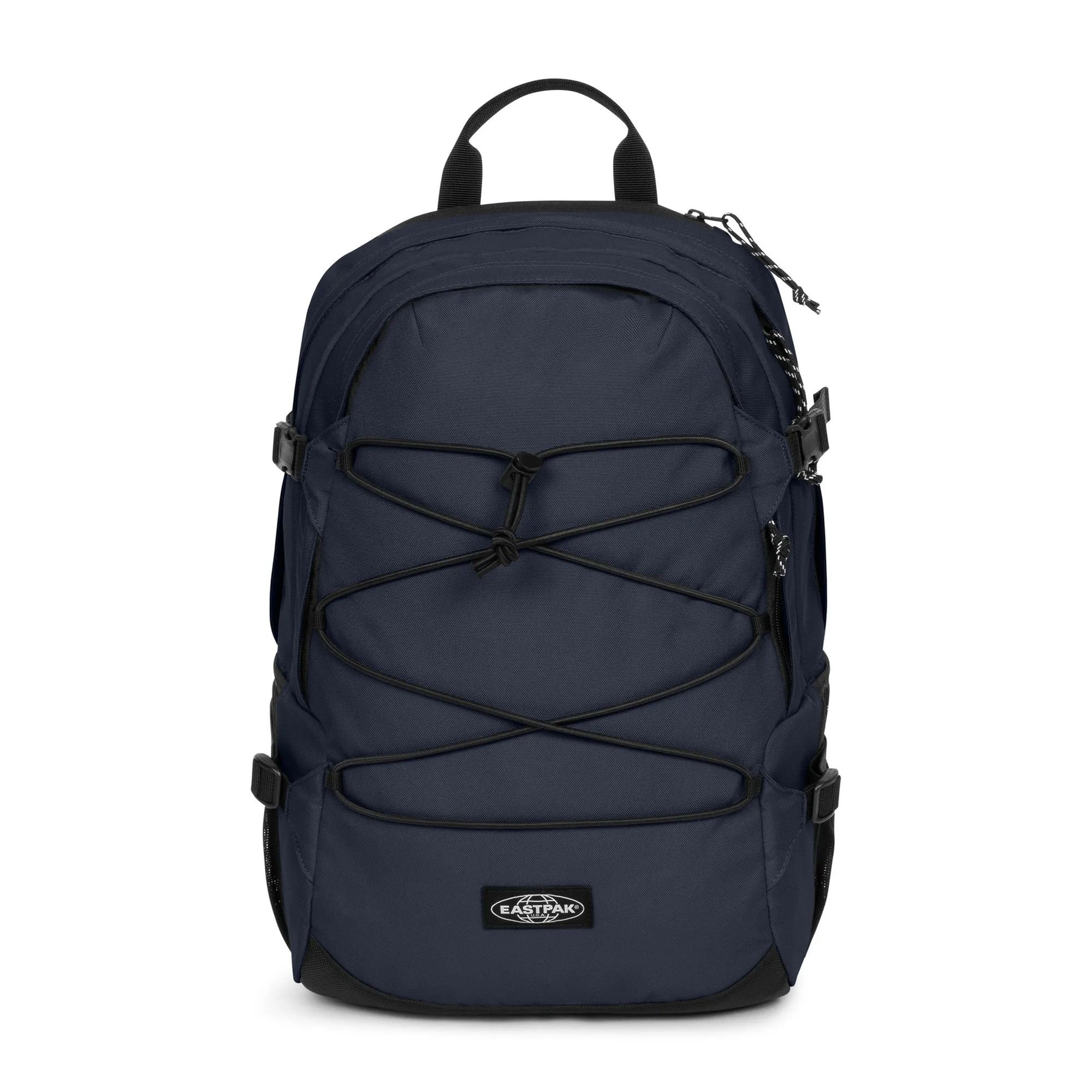
If you carry a camera or need quick access to a water bottle, a waistpack with a side bottle holder can help. The Gerys Pro CS Navy Pro backpack has a side bottle holder and a bungee cord for additional gear, so you can keep hydration on your back and use the waistpack for valuables. The key is to avoid overloading the waistpack with items that belong in a larger bag.
- When sitting down, rotate the waistpack to your side so it does not press into your stomach.
- For air travel, keep the waistpack on your body through security if it contains only small items—check local rules.
Secure and maintain your waistpack
A waistpack is only hands-free if it stays closed and stays on. Use zippers with pull tabs and consider a small carabiner to clip the main zipper to the strap for extra security in pickpocket-heavy areas. Never leave a waistpack dangling on the back of a chair or hanging off a bag where someone can grab it.
At the end of the day, empty the pack, wipe it with a damp cloth, and let it air dry before storing. If your waistpack is water repellent, avoid washing it with harsh detergents that can strip the coating. A little care keeps the zippers smooth and the fabric looking good for years.
- Check zippers and strap buckles before each trip.
- If the strap has a quick-release buckle, make sure it is fully clicked closed.
Step-by-step: how to wear a waistpack for hands-free travel
- 1. Choose the right waistpack: Pick a size that fits your daily essentials without bulging. Look for adjustable straps, a water-repellent finish if you will be outdoors, and at least one secure zippered pocket. Checkpoint: Can you fit everything you need for a full day without overstuffing?
- 2. Pack light and organized: Place heaviest items near your body in the main compartment. Use the front pocket for frequently accessed items like your phone or transit card. Leave room to add a layer or souvenir. Checkpoint: Weigh the packed waistpack—if it feels heavier than a full water bottle, remove something.
- 3. Put it on and adjust the strap: Wear the strap around your natural waist, not your hips. Tighten until the pack sits snug against your body but you can still slide a finger under the strap. The bag should not bounce when you walk. Checkpoint: Jump gently in place—if the pack moves more than an inch, tighten the strap.
- 4. Position for the situation: In crowds, wear it in front with zippers visible. For long walks or hikes, rotate it to your lower back. When sitting, move it to your side to avoid pressure on your stomach. Checkpoint: Can you reach your phone and wallet without twisting awkwardly?
- 5. Secure and maintain: Clip zipper pulls together or use a small carabiner for extra security in busy areas. Empty and wipe down the waistpack at the end of the day, and let it air dry before storing. Checkpoint: Do a quick zipper and buckle check before each trip.
Products that pair well with a waistpack
- YARIN CNNCT F MATTE ADMIRAL: Top-loading backpack with a fleece-lined laptop sleeve, water bottle pocket, and trolley loop; fits devices up to 16 inches. Carry your laptop and larger gear on your back, leaving the waistpack for quick-access essentials.
- CNNCT TRAVELPACK CNNCT ADMIRAL: Duffle bag with a dedicated laptop sleeve and organizer, water repellent, and a trolley strap; carry-on sized. Use it as your main travel bag and keep the waistpack as a personal item for the flight.
- GERYS PRO CS NAVY PRO: Backpack with a 16-inch laptop sleeve, side bottle holder, and bungee cord for additional gear. Keep water and bulky items on your back so the waistpack stays light and comfortable.
A waistpack is one of the simplest ways to travel hands-free, but comfort and security come down to how you wear it. Pack light, adjust the strap to your natural waist, and shift the bag to the front in crowds and the back on the move. With a few small habits, your waistpack becomes a reliable travel companion.