Quick answer
To brew rich, full-bodied coffee with the Aarke Coffee Press, use a coarse grind, water just off the boil, and a four-minute steep before pressing slowly.
Why the Aarke Coffee Press Delivers Richer Flavor
The Aarke Coffee Press uses a full-immersion brewing method, which extracts more oils and fine particles from the coffee grounds than drip or pour-over methods. This results in a heavier mouthfeel and deeper flavor profile.
Its double-walled, vacuum-insulated stainless steel body keeps the water temperature stable during steeping, ensuring consistent extraction from start to finish. The precision mesh filter allows more of the coffee's natural oils to pass through, enhancing body and aroma without sediment.
Choosing the Right Grind Size
A coarse, even grind is essential for the Aarke Coffee Press. If the grind is too fine, the mesh filter may clog, and over-extraction can make the coffee bitter. Too coarse, and the coffee will be weak and under-extracted.
Aim for a grind size similar to breadcrumbs or sea salt. If you don't have a burr grinder, many specialty coffee shops will grind beans to the right consistency upon request.
Water Temperature Matters
The ideal water temperature for French press brewing is between 195°F and 205°F (90°C to 96°C). Boiling water (212°F / 100°C) can scorch the grounds and create bitter flavors. Let your kettle sit for 30 seconds after boiling before pouring.
The Aarke Coffee Press's vacuum insulation helps maintain this temperature throughout the steep, so you don't need to preheat the carafe.
Step-by-Step Brewing Guide
- Step 1: Add Coarse Ground Coffee: Add 1 tablespoon (about 7 grams) of coarse ground coffee per 4 ounces (120 ml) of water. For a standard 34-ounce press, use roughly 8 tablespoons (56 grams). Use a scale for consistency. Too little coffee yields weak flavor; too much can over-extract and become bitter.
- Step 2: Pour Hot Water: Pour water heated to 200°F (93°C) over the grounds, filling the press about halfway. Stir gently with a wooden or plastic spoon to ensure all grounds are saturated. Add the remaining water, leaving about an inch of space at the top. Stirring is crucial — dry grounds will lead to uneven extraction. Avoid metal utensils that could scratch the stainless steel interior.
- Step 3: Steep for 4 Minutes: Place the lid on the press with the plunger fully raised. Let the coffee steep for exactly 4 minutes. The vacuum insulation keeps the temperature stable, so no need to wrap the carafe. Steeping longer than 4 minutes can extract bitter compounds. Set a timer to avoid guesswork.
- Step 4: Press Slowly and Steadily: Hold the handle firmly and press the plunger down with steady, even pressure. Do not rush — pressing too fast can agitate the grounds and push sediment through the filter. If you feel resistance, stop and let it settle for 10 seconds before continuing. Never force the plunger.
- Step 5: Pour Immediately: Pour the brewed coffee into cups or a thermal carafe right away. Leaving the coffee in contact with the grounds will cause over-extraction and bitterness. If you're not drinking all at once, transfer the coffee to a separate insulated server to stop the brewing process.
Product Spotlight
-
Coffee Press: Crafted entirely from stainless steel with double-walled, vacuum-insulated body that preserves heat long after brewing. This insulation keeps your coffee at the ideal drinking temperature for longer and prevents the carafe from becoming hot to the touch.
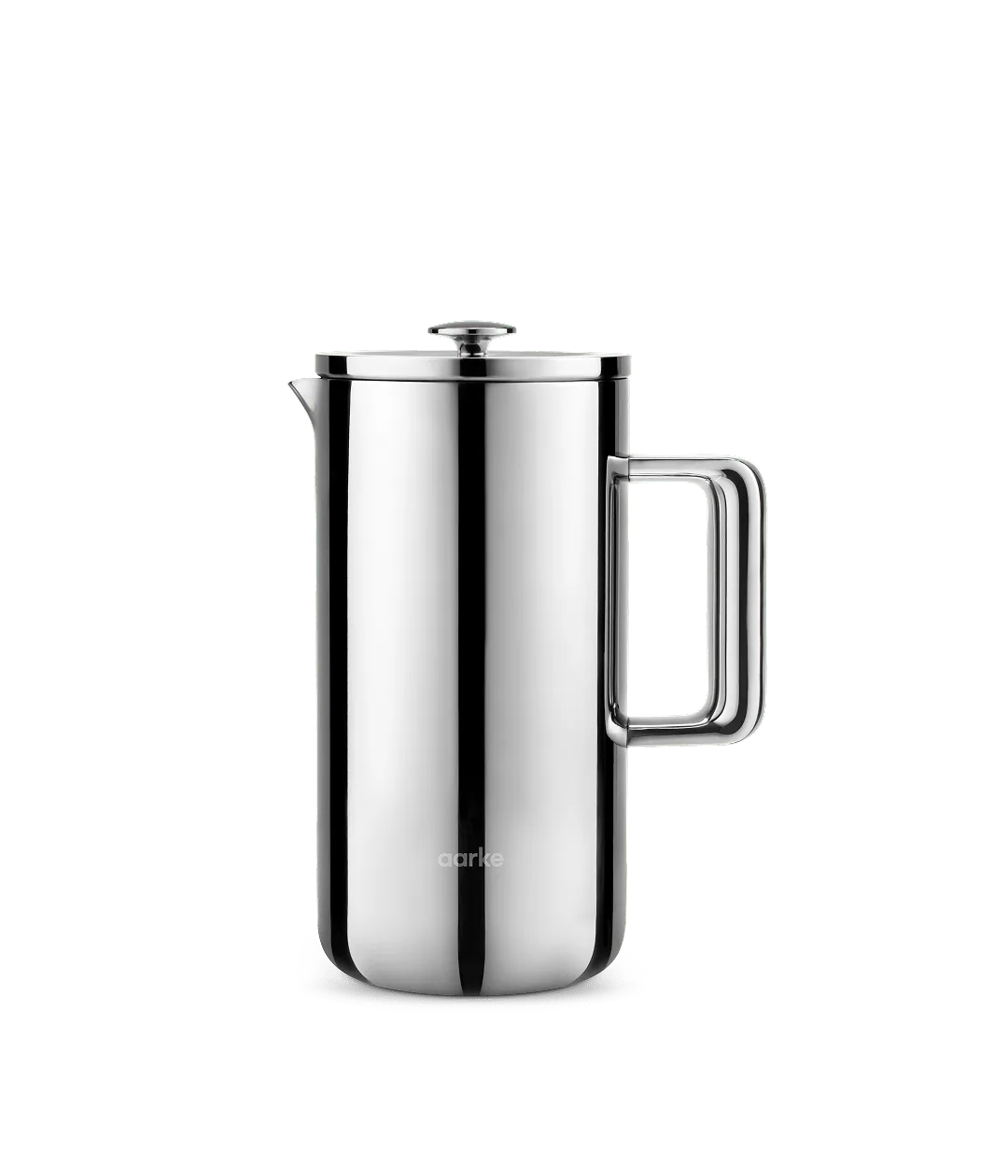
Coffee Press