Quick answer
Use aromatherapy in practice by selecting a quality beginner's guide, learning a few key essential oil blends, and applying them through simple methods like diffusion or topical application to support daily wellness.
Why Start with a Beginner's Guide
Jumping into aromatherapy without a solid foundation can lead to confusion about which oils to use and how to use them safely. A structured introduction, like the book Aromatherapy in Practice, helps you understand the basics—such as carrier oils, dilution ratios, and common safety precautions—before you experiment on your own.
Choosing Your First Blends
For daily wellness, start with versatile blends that address common needs: relaxation, focus, or immune support. The book provides ready-made recipes, which saves you the guesswork of mixing oils from scratch. Once you're comfortable, you can adjust ratios to suit your personal preference.
How to Use Aromatherapy in Practice: Step by Step
- Step 1: Pick a trusted resource: Choose a beginner-friendly guide like Aromatherapy in Practice, which offers clear explanations, recipes, and safety tips. Read through the introductory chapters to understand essential oil properties and carrier oils before you buy any oils. A common mistake is skipping the safety section—always review dilution guidelines to avoid skin irritation.
- Step 2: Select one or two starter blends: From the guide, pick a simple blend that matches your goal—for example, a calming blend with lavender and chamomile, or an energizing blend with peppermint and lemon. Note the exact drop counts and carrier oil amounts. Don't blend more than three oils at first; keeping it simple helps you identify what works for you.
- Step 3: Apply your blend using a safe method: For daily wellness, try a room diffuser (add the blend to water and run for 30–60 minutes) or a topical application (dilute in a carrier oil and apply to pulse points). Follow the guide's instructions for each method. Never apply undiluted essential oils to skin—always use a carrier oil, and do a patch test first.
- Step 4: Observe and adjust: Use the same blend for a few days and note how you feel. If the effect is too strong or too weak, adjust the number of drops or the diffusion time. The guide's recipe notes can help you tweak ratios. Keep a simple journal of what you tried and how it worked—this helps you build a personal aromatherapy routine over time.
Product facts
-
Aromatherapy in Practice: Your introduction to the wonderful world of Aromatherapy is packed with tips, blends, and recipes. Easy-to-read guide suitable for beginners and those with some experience looking to further develop their knowledge. It gives you reliable, tested blends and safety advice so you can start using essential oils with confidence instead of guessing.
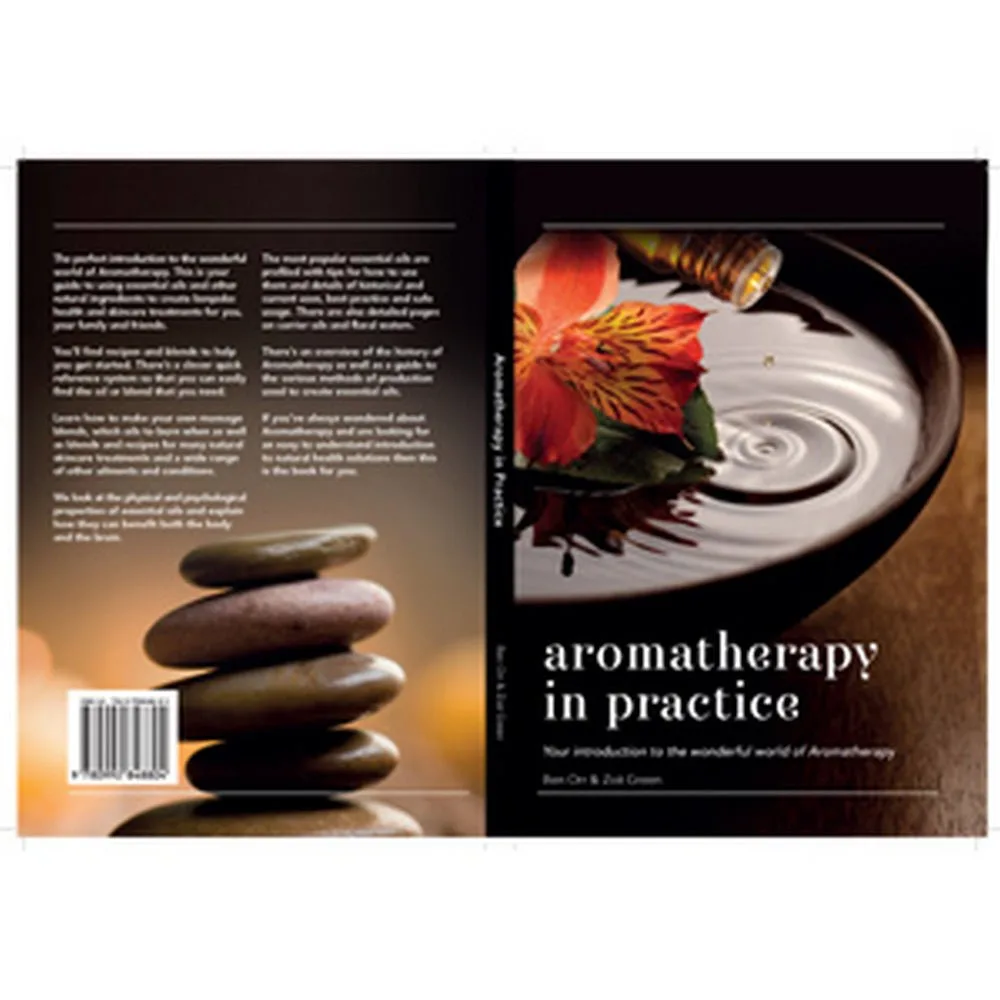
Aromatherapy in Practice