Quick Answer
To use batik fabrics effectively, start by selecting a cohesive color palette, prewash to prevent bleeding, and cut with sharp tools to minimize fraying. Then, sew with a slightly shorter stitch length and press carefully to maintain the fabric's unique texture. For inspiration, consider batik quilt patterns that showcase the fabric's vibrant prints.
Batik fabrics bring a unique vibrancy to quilting with their hand-dyed patterns and rich colors. Whether you're working with island batik fabric ideas or a floral collection like Poetic Bouquet, these fabrics can transform your quilt into a work of art. But they also come with specific quirks that require a thoughtful approach.
In this guide, we'll walk you through practical steps to successfully incorporate batik fabrics into your projects. From choosing the right batik quilt design to mastering sewing techniques, you'll learn how to avoid common pitfalls and create quilts that celebrate the beauty of batik.
Why Batik Fabrics Stand Out
Batik fabrics are known for their intricate patterns created through a wax-resist dyeing process. This results in unique color variations and a slightly different texture compared to regular quilting cottons. Because the dye penetrates the fabric deeply, batiks often have a softer hand and a more subdued sheen, making them ideal for adding depth to your quilt.
When you use batik fabrics, you open up a world of design possibilities. Their busy prints can hide seams well, making them forgiving for beginners, while their color intensity adds richness to any block. Whether you're making a simple patchwork or a complex sampler, batik quilt patterns can elevate your work.
- Batiks are perfect for showcasing intricate piecing because the patterns camouflage small imperfections.
- Their vibrant colors can serve as a focal point in an otherwise neutral quilt.
Choosing Your Batik Palette
The key to a successful batik quilt is a well-chosen color palette. Since batiks come in a wide range of hues, start by selecting fabrics that share a common color family or theme. For example, a collection like Poetic Bouquet features floral motifs in coordinating colors, making it easy to build a cohesive palette.
Consider the mood you want to evoke. Warm tones like reds and oranges create energy, while cool blues and greens offer calm. If you're unsure, use a color wheel to find complementary shades. Remember, batiks often have multiple colors within a single fabric, so look for a dominant color to guide your selection.
- Use a mix of light, medium, and dark batiks to create contrast and depth in your quilt.
- Don't be afraid to include a solid fabric to give the eye a resting place.
Preparing Batik Fabrics for Cutting
Before you start cutting, it's essential to prewash your batik fabrics. While some quilters skip this step, batiks are more prone to bleeding due to the dyeing process. Washing in cold water with a color catcher will help set the dyes and prevent surprises later.
After washing, press the fabric with a dry iron to remove wrinkles. Batiks can be slightly stiff after washing, so ironing them flat ensures accurate cutting. Use a sharp rotary cutter and a new blade to prevent fraying, as batiks have a tighter weave that can dull blades quickly.
- Always test a small swatch for colorfastness before washing the entire piece.
- If you notice bleeding, rinse the fabric until the water runs clear.
Cutting and Piecing Techniques
When cutting batiks, use a fine, sharp needle in your rotary cutter and a fresh cutting mat to ensure clean edges. Because batiks have a tighter weave, they can be slightly more slippery, so use a non-slip ruler and take your time.
For piecing, use a slightly shorter stitch length (around 2.0 to 2.5) to secure the seams, as batiks can fray more easily. Use a universal needle (size 70/10 or 80/12) and test on a scrap piece to find the right tension. Press seams open or to one side with a dry iron—steam can distort the fabric.
- If you're working with small pieces, consider using a scant quarter-inch seam to ensure accuracy.
- Use a walking foot when sewing multiple layers to prevent shifting.
Step-by-Step Guide to Using Batik Fabrics
- Select Your Batik Collection: Choose batik fabrics that share a color story or theme, such as floral collections like Poetic Bouquet. Mix prints and solids to create depth. Checkpoint: Hold your fabrics together and squint; if the values blend too much, add contrast.
- Prewash and Press: Wash batiks in cold water with a color catcher, then press with a dry iron to remove wrinkles and ensure accurate cutting. Common mistake: Skipping prewash can lead to color bleeding later. Always test for colorfastness.
- Cut with Sharp Tools: Use a new rotary blade and a non-slip ruler. Cut slowly and accurately to avoid fraying. Checkpoint: If you see fraying, change your blade immediately.
- Sew with Proper Tension: Use a shorter stitch length (2.0-2.5) and a universal needle. Test on scraps to adjust tension. Common mistake: Using a long stitch can cause seams to pull apart. Test first.
- Press Seams Carefully: Press with a dry iron, avoiding steam. Press seams open or to one side to reduce bulk. Checkpoint: Ensure seams lie flat without stretching the fabric.
Batik Fabrics and Tools to Try
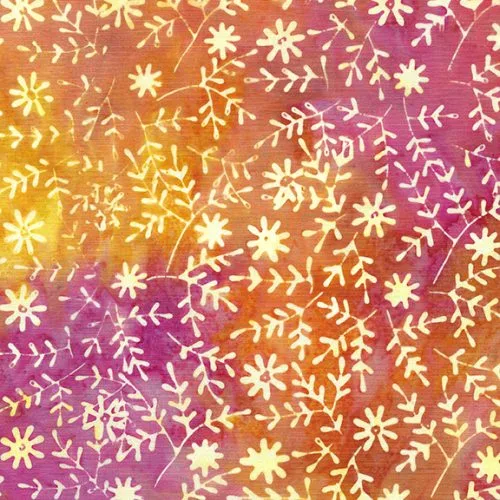
- ISLAND BATIK - Flower Pot by Kathy Engle - Sprig w/Small Daisy - Multi - K100129-: This batik fabric features a sprig with small daisies in a multi-color palette, part of the Flower Pot collection by Kathy Engle. The subtle floral pattern is perfect for adding a delicate touch to your batik quilt patterns without overwhelming the design.
- ANDOVER - Ayla by Max & Louise - Ayla's Bouquet - Primrose: This 100% cotton quilting fabric is 44 inches wide and features the Ayla's Bouquet design in primrose. The primrose colorway brings a soft, cheerful hue to your quilt, making it ideal for spring-themed projects or adding a pop of color.
- LEWIS & IRENE - Dear Spring by Cassandra Connolly - Chasing Tails - Dusky Mid Blue: This fabric is part of the Dear Spring collection by Cassandra Connolly for Lewis & Irene, made of 100% cotton and 44/45 inches wide. The dusky mid blue tone offers a calming influence, great for balancing brighter batik prints in your quilt.
Using batik fabrics in your quilts opens up a world of color and pattern. By following these steps, you'll avoid common pitfalls and create quilts that showcase the beauty of batik. Whether you're a beginner or an experienced quilter, batik quilt patterns offer endless possibilities. So, gather your favorite batiks and start stitching!