Quick Answer
To use a BHA toner without over-drying, start by applying it only once a day, preferably in the evening, on clean, dry skin. Follow with a hydrating moisturizer, and adjust frequency based on your skin's response. Always patch test and introduce gradually.
If you're dealing with acne, a BHA toner can be a game-changer. Salicylic acid, a type of BHA, penetrates deep into pores to dissolve oil and dead skin cells, helping to clear breakouts. But if you've ever used one and ended up with tight, flaky skin, you know the downside: over-drying. The key is to use it smartly, not aggressively.
In this guide, we'll walk you through a step-by-step process to incorporate a BHA toner into your acne routine while keeping your skin barrier happy. You'll learn how to start slow, pair it with the right hydrators, and adjust as your skin acclimates.
Understanding BHA Toners
BHA (beta hydroxy acid) toners, like those containing salicylic acid, are oil-soluble, meaning they can penetrate through sebum to exfoliate inside the pore. This makes them particularly effective for blackheads and whiteheads. However, because they can be drying, it's crucial to use them correctly, especially if you have acne-prone skin.
Not all toners are created equal. Some, like hydrating toners, focus on replenishing moisture. Others, like exfoliating toners, contain acids that speed up cell turnover. Knowing the difference helps you choose the right product for your skin's needs.
- BHA toners are best for oily, combination, and acne-prone skin.
- If you have dry or sensitive skin, consider a gentler exfoliant or use BHA less frequently.
Choosing the Right BHA Toner
When selecting a BHA toner, check the concentration of salicylic acid. Over-the-counter products typically range from 0.5% to 2%. If you're new to BHA, start with a lower percentage to minimize irritation. Also, look for toners that include soothing ingredients like aloe or glycerin to counteract potential dryness.
For those with acne-prone skin, a toner that combines exfoliation with hydration can be a smart choice. For example, the Glycolic-Lactic Toner from Face Reality offers a different type of acid exfoliation, but it's not a BHA. If you specifically want BHA, look for a product that lists salicylic acid as an active ingredient.
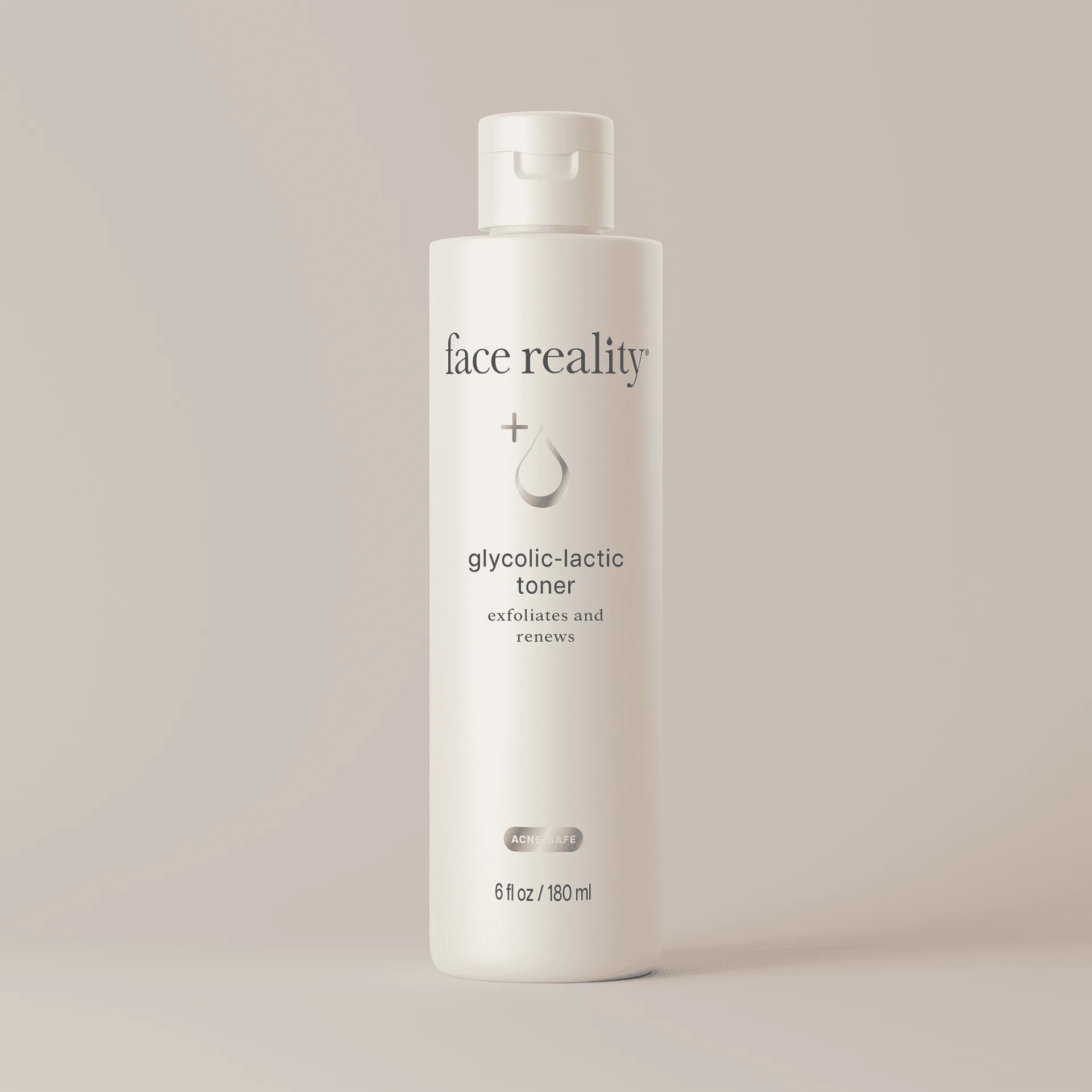
Glycolic-Lactic Toner
- Read the ingredient list to confirm the BHA type and concentration.
- Avoid toners with high alcohol content, as they can exacerbate dryness.
Incorporating BHA Toner into Your Routine
Start by using the BHA toner every other day, not daily. This gives your skin time to adjust. Apply it after cleansing and before moisturizing. Use a cotton pad or your hands to gently pat the toner onto your face, avoiding the eye area. Wait a minute for it to absorb before applying the next product.
If you have dry or sensitive skin, you might prefer a hydrating toner as your base and use BHA only on areas prone to congestion. Alternatively, you can use a BHA toner in the evening and a hydrating toner in the morning to balance your skin's needs.
- Always follow with a moisturizer to lock in hydration.
- If you use other active ingredients like retinoids, space them out to avoid over-exfoliation.
Step-by-Step Guide to Using BHA Toner
- Patch Test First: Before applying BHA toner all over your face, test it on a small area like your jawline. Apply a small amount and wait 24 hours to check for adverse reactions. This step is non-negotiable to avoid widespread irritation.
- Start Slow: Begin by using the toner every other night. Apply after cleansing and before moisturizing. Use a cotton pad to sweep it over your face, avoiding the eye area. Gradual introduction helps your skin build tolerance without over-drying.
- Moisturize Immediately: After the toner has dried (about 60 seconds), apply a hydrating moisturizer or a hydrating toner like Moisture Balance Toner to lock in moisture and restore the skin barrier. Hydration is your best defense against dryness and flakiness.
- Monitor and Adjust: After two weeks, assess your skin. If it feels tight, red, or flaky, reduce frequency to twice a week or take a break. If your skin tolerates it well, you can increase to nightly use. Listen to your skin—adjust based on its feedback.
Product Facts
- Moisture Balance Toner: Quench skin with just the right level of moisture. This skin-conditioning toner immediately replenishes hydration, helps maintain moisture, and soothes dry skin. Pairing a BHA toner with a hydrating toner like this can help prevent over-drying by replenishing moisture after exfoliation.
- Glycolic-Lactic Toner: Sometimes oily skin needs an intense intervention. This powerful alpha hydroxy acid-based toner exfoliates and renews, revealing a fresh, refined complexion. While this is an AHA toner, it's a good example of an exfoliating toner. If you're considering adding BHA, you might alternate with this for a comprehensive exfoliation strategy, but be cautious not to overdo it.
Using a BHA toner in your acne routine doesn't have to mean sacrificing hydration. By starting slow, pairing with hydrating products, and monitoring your skin's response, you can enjoy the benefits of clearer pores without the tight, uncomfortable feeling of over-drying. Remember, consistency and patience are your allies.