In the world of tactical gear, versatility is king. One of the most debated setups among operators and enthusiasts is whether to run a chest rig or a plate carrier. But what if you could have the best of both worlds? Layering a chest rig over a plate carrier is a proven technique that allows you to combine the protection of armor with the modularity and quick access of a chest rig. This guide will walk you through the benefits, setup tips, and practical considerations for this tactical layering approach.
Whether you're a professional operator or a prepared civilian, understanding how to effectively layer your gear can make a significant difference in your mission effectiveness. Let's dive into the essentials of using a chest rig with a plate carrier.
Why Layer a Chest Rig Over a Plate Carrier?
Layering a chest rig over a plate carrier offers several tactical advantages. First, it allows you to carry more gear without overloading your carrier. A plate carrier is typically optimized for armor and essential magazines, while a chest rig can hold additional pouches, admin panels, and mission-specific equipment. This combination provides a scalable loadout that can be adjusted based on the mission requirements.
Second, it enhances accessibility. A chest rig worn over a carrier places critical items higher on your torso, making them easier to reach when prone or in a vehicle. This is especially useful for medical gear, maps, or communication devices. Additionally, the layering creates a modular system that can be quickly reconfigured: you can shed the chest rig when you need to lighten your load, while keeping your armor intact.
- Scalable load carriage: carry more without overloading your carrier
- Improved access to critical gear: higher placement for quicker reach
- Mission flexibility: quickly shed the chest rig when needed
Key Considerations Before You Start Layering
Before you start stacking gear, consider the fit and compatibility of your plate carrier and chest rig. The chest rig should be worn over the carrier in a way that doesn't restrict your movement or interfere with your armor's coverage. Adjust the shoulder straps and cummerbund to ensure a snug but comfortable fit. If your plate carrier has a quick-release system, make sure the chest rig doesn't block access to it.
Also, think about weight distribution. A heavy chest rig can pull on your shoulders and cause fatigue. Distribute the weight evenly across your torso, and consider using a harness that connects to your carrier's shoulder straps for better stability. Finally, test your setup in various positions—standing, kneeling, prone—to ensure you can still access all your gear without obstruction.
- Ensure the chest rig does not interfere with your carrier's quick-release
- Balance weight to avoid shoulder strain
- Test movement and access in different positions
Step-by-Step Setup: How to Layer Your Gear
Start with your plate carrier properly fitted. Put on your carrier and adjust it so it sits high on your chest, with the front plate covering your vital organs. Next, don your chest rig over the carrier. Most chest rigs have adjustable straps that can be loosened to fit over armor. Connect the chest rig's straps to your carrier's shoulder straps or use a separate harness that clips into your carrier's front and back.
Once the chest rig is in place, adjust the tension so it sits comfortably without shifting. Ensure that the chest rig's pouches do not cover your carrier's admin pockets or magazine pouches unless that's intentional. Finally, load your chest rig with essential items like extra magazines, medical supplies, or a small admin pouch. The MD2TM Compact Trauma Kit | IFAK is an excellent addition to a chest rig, providing quick access to life-saving gear.
- Start with a properly fitted plate carrier
- Loosen chest rig straps to fit over armor
- Attach and adjust for a secure fit
- Load chest rig with mission-critical items
Practical Loadout Ideas for Your Layered Setup
When layering, think about what you need at your fingertips. A common setup is to use a chest rig for ammunition and medical gear, while keeping your plate carrier for armor and heavier items. For example, the PincerTM Placard Multi-Caliber Triple Mag Pouch can be attached to your chest rig for quick magazine access, while your carrier holds additional gear.
Another idea is to use a chest rig for communication and navigation tools, such as radios or GPS, keeping them easily accessible. You can also add a small utility pouch to your chest rig for snacks, batteries, or other essentials. The General Purpose Pouch Small is perfect for this, offering versatile storage without adding bulk.
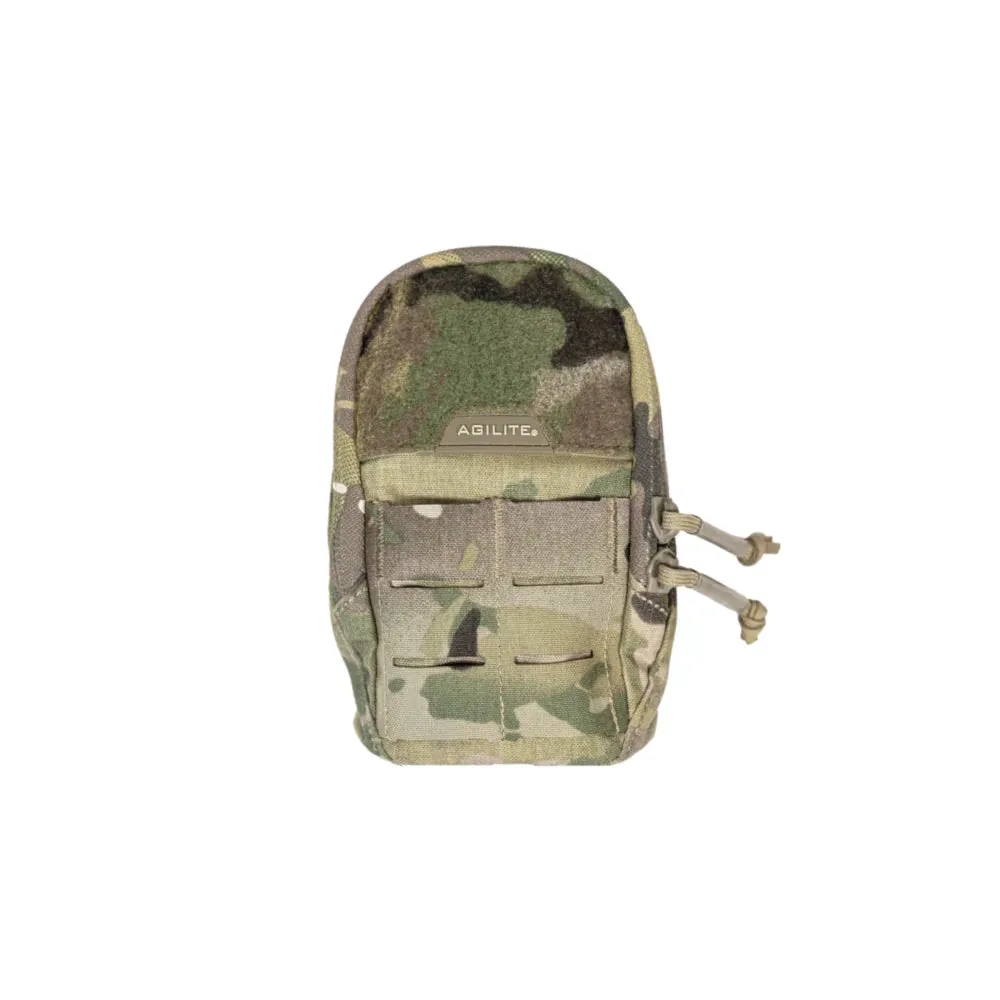
General Purpose Pouch Small
- Use chest rig for ammo and medical supplies
- Keep communication devices accessible on the chest rig
- Add a utility pouch for small essentials
Common Mistakes to Avoid When Layering
One common mistake is overloading the chest rig, which can make your setup heavy and cumbersome. Remember that the chest rig is for supplementary gear, not a replacement for your carrier's capacity. Another mistake is improper fit, leading to the chest rig riding up or shifting during movement. Take the time to adjust all straps and test your mobility.
Also, avoid placing bulky items on your chest that prevent you from shouldering your rifle properly. Ensure that your chest rig doesn't interfere with your weapon's operation. Finally, don't forget to consider the environment: in hot climates, layering can increase heat retention, so choose breathable materials and stay hydrated.
- Avoid overloading the chest rig
- Ensure proper fit to prevent shifting
- Check that the chest rig doesn't interfere with shouldering your rifle
- Consider ventilation and heat management
Final Thoughts on Tactical Layering
Layering a chest rig over a plate carrier is a smart way to increase your gear's versatility and adaptability. By following the tips in this guide, you can create a setup that meets your specific needs without sacrificing comfort or mobility. Remember to practice with your gear to become proficient in accessing everything quickly and efficiently.
Whether you're heading to the range or preparing for a mission, a well-configured layered system can give you the edge you need. Experiment with different configurations and find what works best for you.
Layering a chest rig with a plate carrier is a game-changer for tactical versatility. Start with a quality chest rig like the PincerTM Placard Multi-Caliber Triple Mag Pouch, and pair it with your favorite carrier to build a loadout that's ready for anything. Explore our selection today and elevate your tactical game.