Quick answer
Use tiny, pea-sized pieces of a low-calorie treat and cap training rewards at roughly 10% of your dog's daily calories. For most dogs, that means 5 to 15 small treats per session, depending on size and the treat you choose. Always subtract those calories from dinner.
Why treat size matters more than treat count
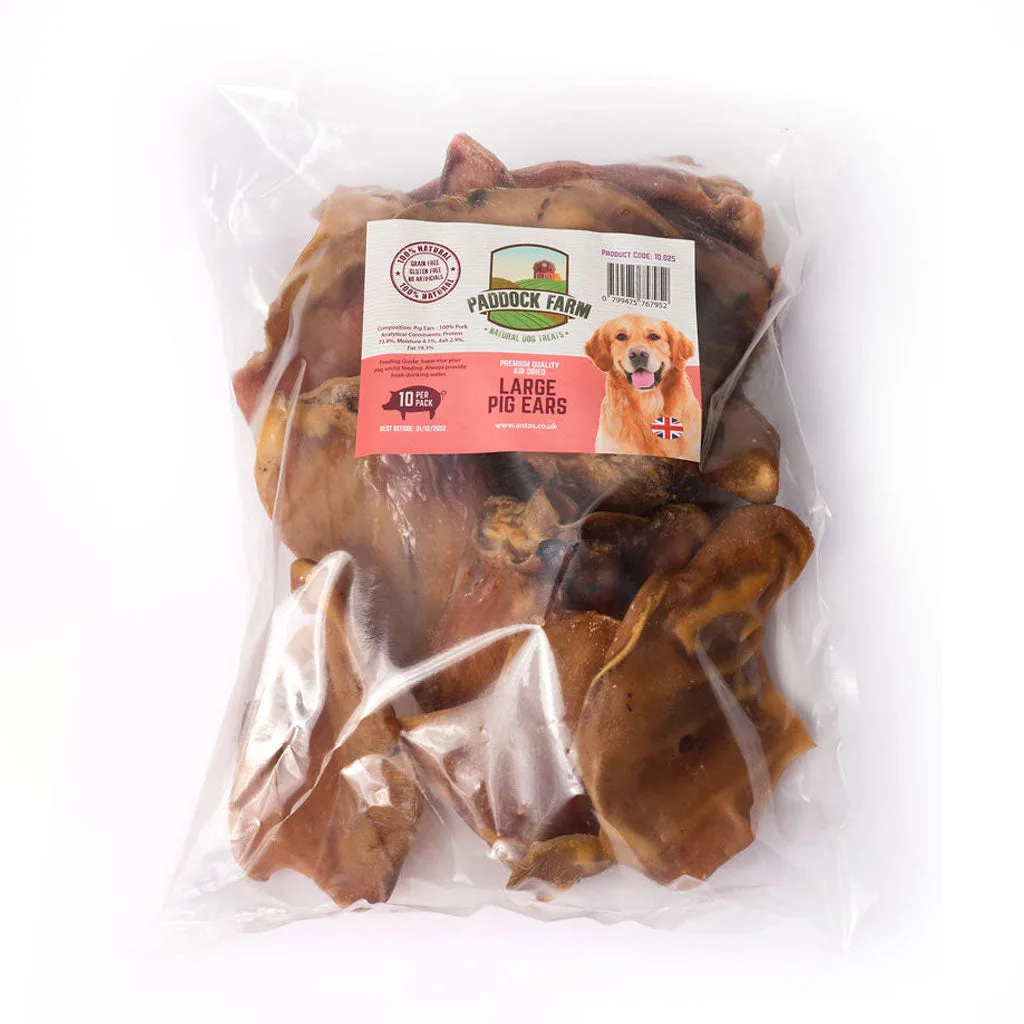
A single large biscuit can equal a full meal for a small dog. Cutting treats into pea-sized pieces lets you reward more often without blowing the calorie budget. If you use a large pig ear, break it into smaller sections or reserve it for a long-lasting chew outside of training.
The goal is frequency, not volume. Dogs learn from repetition, so 10 tiny rewards beat one big treat every time.
Pick a low-calorie training treat that still feels special
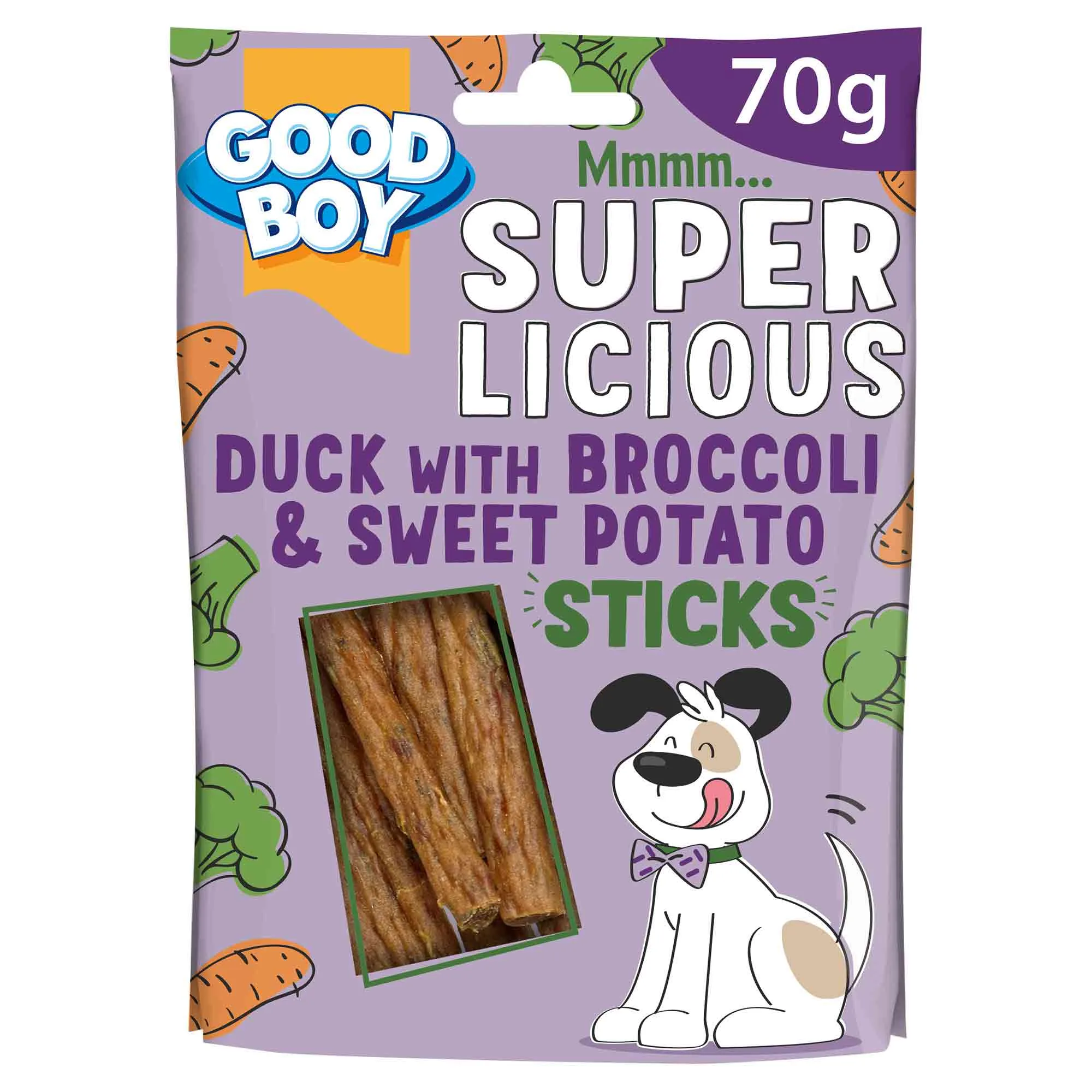
Training treats should be small, soft, and easy to swallow so your dog stays focused. Look for treats with named proteins like duck or pork and no artificial colours, flavours, or preservatives. Good Boy Superlicious Duck, Sweet Potato & Broccoli Sticks are low in fat and easy to break into small pieces, making them a practical choice for repetitive rewards.
If your dog has a sensitive stomach, introduce any new treat slowly over a few days.
Do the math: how many treats to give a dog
Check the calorie content on the treat package or use a general estimate. For a 20 lb dog eating 400 calories a day, 10% is 40 calories. If each pea-sized treat is 3 calories, that's about 13 treats per day. Adjust for your dog's weight, activity level, and any other food rewards.
When in doubt, err on the side of fewer treats and use part of your dog's regular kibble as rewards.
Balance treats with meals and monitor weight
If you train with treats daily, reduce your dog's main meals by the same number of calories. Weigh your dog monthly or use a body condition score to check for gradual weight gain. A fit dog has a visible waist and you can feel the ribs without pressing hard.
For dogs prone to weight gain, swap some training rewards for praise, play, or a quick game of tug.
Step-by-step: training with treats without overfeeding
- Measure your dog's daily calories: Find the calorie count on your dog's food label or ask your vet. Calculate 10% of that number for treat allowance. Checkpoint: Write the treat calorie limit on your treat jar.
- Choose a low-calorie, soft treat: Select a treat like Good Boy Superlicious Duck, Sweet Potato & Broccoli Sticks that is low in fat and easy to tear into pea-sized pieces. Mistake to avoid: Using hard biscuits that are high in calories and hard to break.
- Pre-cut treats before training: Cut or break treats into pea-sized pieces. A single stick can often become 10 or more rewards. Checkpoint: Each piece should be no larger than your dog's kibble.
- Reward frequently but count each piece: During a 5-minute session, reward every correct response. Keep a running count so you don't exceed the daily treat allowance. Mistake to avoid: Losing track and giving a handful at once.
- Subtract treat calories from meals: If your dog ate 40 calories in treats, reduce dinner by 40 calories. Use a measuring cup or scale to be accurate. Checkpoint: Adjust the meal before you feed, not after.
- Monitor weight and body condition weekly: Weigh your dog or run your hands along the ribs. You should feel ribs easily but not see them prominently. Next step: If weight creeps up, cut treat portions by half and increase meal reductions.
Training-friendly treats from our catalog
- Good Boy Superlicious Duck, Sweet Potato & Broccoli Sticks Dog Treats - 70g: Good Boy Superlicious Duck, Sweet Potato & Broccoli Sticks are low in fat and contain over 60% natural duck with no artificial colours, flavours, or preservatives. These soft sticks break into small pieces easily, so you can reward often without overfeeding.
- Paddock Farm Large Pig Ear Natural Dog Chews - 10 pack: Paddock Farm Large Pig Ear Natural Dog Chews are 100% air-dried pork with no additives or preservatives, and they contain glucosamine and chondroitin for joint health. Better suited as a long-lasting chew outside training sessions, not as a quick reward.
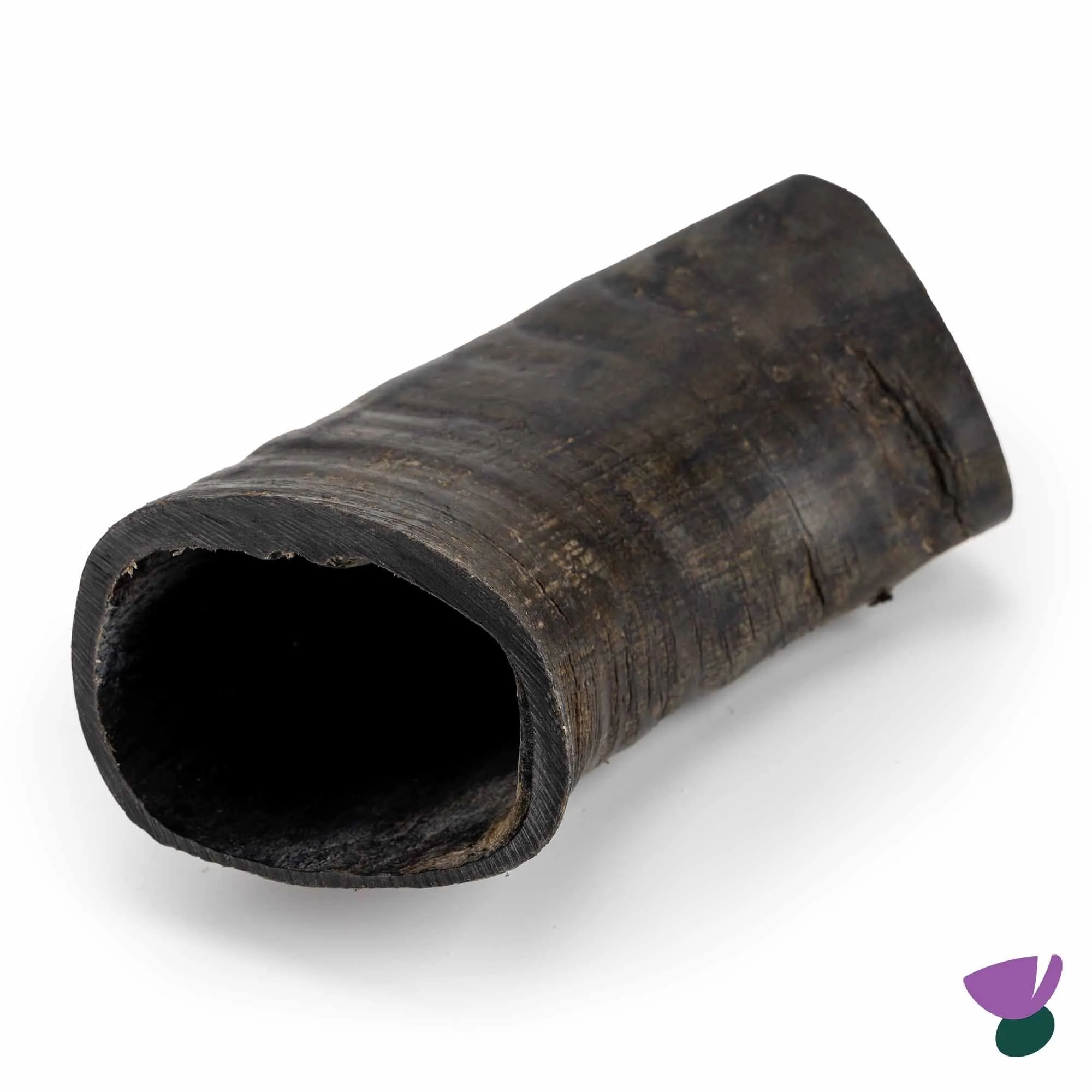
- Thistlers Buffalo Horn Dog Chew - Giant: Thistlers Buffalo Horn Dog Chew is made from 100% natural buffalo horn, cleaned without chemicals, and is long lasting. A durable chew that satisfies the urge to chew, but it is not a training treat because it cannot be broken into small pieces.