A dog whistle is one of the most effective tools for recall training, offering a consistent, high-pitched sound that carries over distance and distractions. Unlike verbal commands, which can vary in tone and volume, a whistle provides a uniform signal that your dog can learn to associate with a positive reward. Whether you're training a puppy or refining an adult dog's off-leash reliability, mastering whistle recall can transform your outdoor adventures.
In this step-by-step guide, we'll walk you through the entire process—from choosing the right whistle to troubleshooting common issues. You'll learn how to introduce the whistle, pair it with rewards, and gradually increase distractions to build a rock-solid recall. By the end, you'll have a reliable tool that ensures your dog comes running every time, no matter what.
Why Use a Dog Whistle for Recall?
A dog whistle offers several advantages over voice commands. First, the high-pitched frequency travels farther and is less affected by wind or ambient noise, making it ideal for outdoor training. Second, it's consistent—your dog hears the exact same sound every time, eliminating confusion caused by variations in your voice. Third, a whistle is a neutral, non-threatening signal that doesn't carry the emotional baggage that your voice might, especially if you've ever called your dog in frustration.
Additionally, a whistle can be used in emergency situations where your voice might fail, such as when you're out of breath or in a noisy environment. It's also a great way to communicate with your dog from a distance without shouting, which can be more pleasant for both of you. For these reasons, many professional trainers and sport dog enthusiasts rely on whistle recall as a cornerstone of their training toolkit.
- Carries farther than voice commands
- Consistent sound that avoids confusion
- Works well in noisy or windy conditions
Choosing the Right Whistle
Not all whistles are created equal. The most common type is the pea whistle, which produces a trill that many dogs find appealing. However, some trainers prefer a pealess whistle, which is easier to blow and produces a consistent tone. The frequency of the whistle matters too—dogs hear a wider range of frequencies than humans, but a whistle in the 5000-6000 Hz range is often recommended for optimal audibility to dogs while being less annoying to human ears.
When selecting a whistle, consider durability and portability. A metal whistle is long-lasting but can be cold in winter; plastic is lighter but may crack. Some whistles come with a lanyard or keychain attachment for easy access. If you're training in different environments, you might want a whistle with adjustable frequency, allowing you to find the pitch that your dog responds to best. Remember, the best whistle is one that you'll consistently carry and use.
Step-by-Step Whistle Training Process
Start in a quiet, distraction-free environment like your living room or backyard. Before you begin, decide on a consistent whistle signal for recall—often a single, sharp blast or a series of two short blasts. Use the same signal every time to avoid confusion. Have high-value treats ready, cut into small, pea-sized pieces.
Begin by blowing the whistle and immediately giving your dog a treat, without expecting any behavior. This creates a positive association. Repeat this several times until your dog looks at you when they hear the whistle, anticipating a reward. Once this association is solid, start blowing the whistle when your dog is a few feet away, then reward them for coming to you. Gradually increase the distance and add mild distractions, always rewarding generously when your dog responds.
- Always pair the whistle with a high-value reward
- Practice in short sessions (5-10 minutes) to keep your dog engaged
- Use a distinct whistle pattern for recall, such as two short blasts
Advanced Tips and Common Mistakes
As your dog becomes reliable, start varying the locations and adding more distractions. Practice in a fenced area, then move to an open field with a long line for safety. Use a long line like the Gripper Long Lines - 10m Lengths to give your dog freedom while maintaining control. This allows you to reinforce the recall even when your dog is far away, without risking them running off.
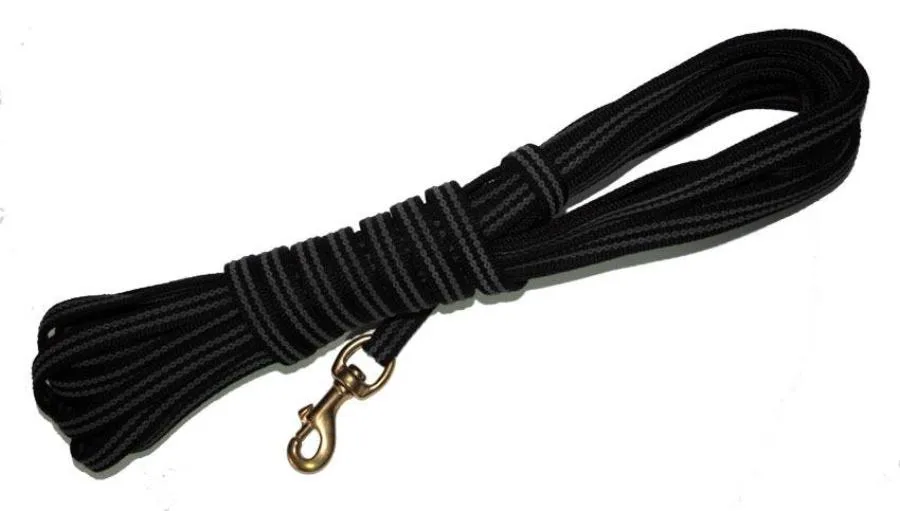
Gripper Long Lines - 10m Lengths
One common mistake is using the whistle for negative corrections. The whistle should always signal something positive—a reward, not punishment. If you blow the whistle and your dog doesn't come, don't repeat it endlessly; instead, go get your dog and try again later. Also, avoid blowing the whistle just before you leave the park or end the fun, as your dog will learn that coming means the fun stops. Instead, occasionally call your dog, reward them, and then release them to play again.
Integrating Whistle Training with Other Gear
Whistle recall works even better when paired with the right equipment. A comfortable harness or collar ensures your dog is safe during training. For example, the Euro Joe IN STOCK Tactical Collar 2.0 provides a durable, adjustable fit that's perfect for active dogs. When transitioning to off-leash, always start with a long line to prevent accidents.
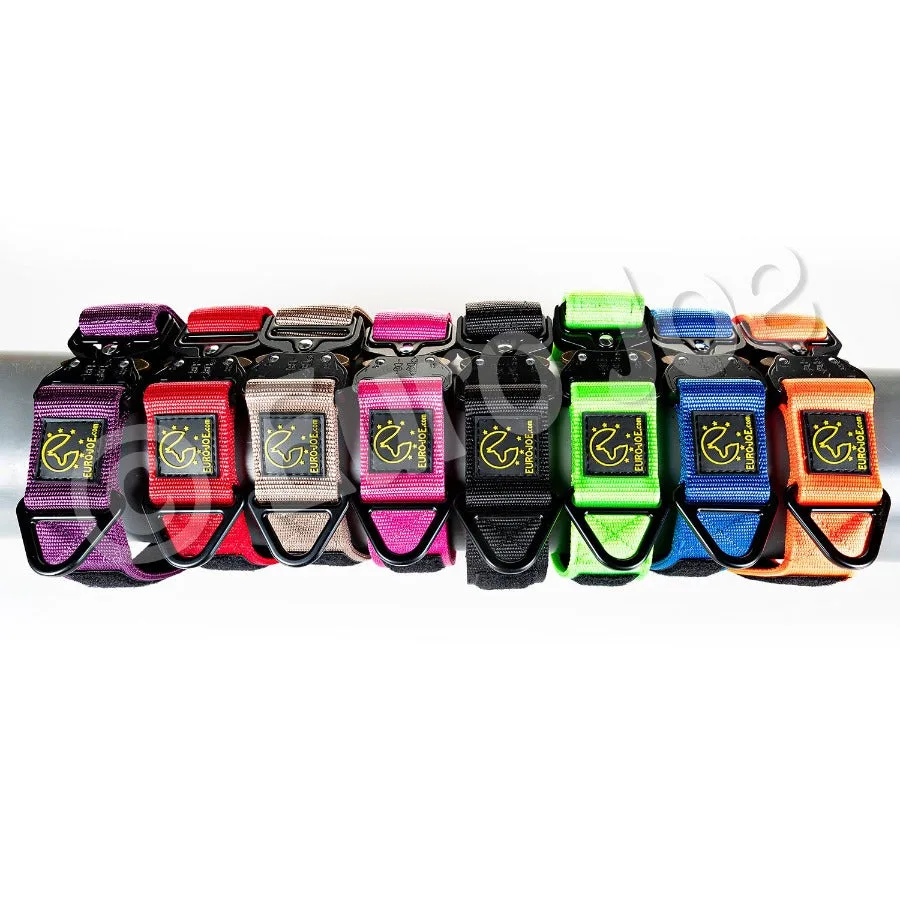
Euro Joe IN STOCK Tactical Collar 2.0
Additionally, consider using a treat pouch to keep rewards accessible during training sessions. A whistle alone won't guarantee success—you need to be prepared with rewards and the right gear to make training smooth and effective. With consistent practice and the right tools, your dog will learn to respond to the whistle with enthusiasm and reliability.
Whistle recall training is a rewarding process that strengthens the bond between you and your dog while ensuring safety. By following this step-by-step guide and using the right equipment, you'll have a dog that comes running at the sound of your whistle, no matter the distraction. Start today, and enjoy the freedom of reliable off-leash adventures.