Quick Answer
To use a Dutch oven cookbook effectively, start by matching recipes to your pot's size and heat retention, then follow the book's guidance for braising and baking to get tender, flavorful results every time.
Why a Dutch oven cookbook is your best kitchen companion
A Dutch oven is one of the most versatile pots you can own, but its full potential often goes untapped. A dedicated cookbook shows you how to use both the base and the lid to create everything from slow-braised meats to crusty bread.
The key is understanding that Dutch oven cooking isn't just about following recipes—it's about adapting techniques. A good cookbook will teach you how to manage heat, moisture, and timing, which are the real secrets to success.
Braising vs. baking: what to expect
Braising relies on low, moist heat to break down tough cuts of meat, while baking in a Dutch oven uses the pot's even heat distribution to produce consistent results. A cookbook that covers both will help you switch between these methods with confidence.
One tradeoff: braising often requires longer cooking times, so plan ahead. Baking, on the other hand, is usually quicker but demands precise temperature control. A good cookbook will give you clear cues for both.
How to use a Dutch oven cookbook in 5 steps
- Choose recipes that match your pot size: Check your Dutch oven's capacity (e.g., 5 or 6 quarts) and pick recipes that fit. A cookbook usually indicates serving sizes; adjust ingredient amounts if your pot is smaller or larger. Common mistake: overcrowding the pot, which traps steam and prevents browning. Always measure your pot's capacity before starting.
- Preheat properly for braising: Heat your Dutch oven on the stovetop over medium heat before adding oil or meat. This ensures even searing. Common mistake: using high heat, which can scorch the food and damage the enamel. Medium heat is your friend for braising.
- Use the lid to control moisture: When braising, keep the lid on to trap steam and keep the meat moist. For baking, follow the recipe's lid instructions—some breads need the lid on for the first part, then off to crisp the crust. Common mistake: peeking too often, which releases heat and moisture. Trust the recipe's lid timing.
- Manage oven temperature for baking: Place the Dutch oven in a cold oven and then set the temperature, as many recipes recommend. This allows the pot to heat gradually, preventing thermal shock. Common mistake: putting a cold pot into a hot oven, which can crack the enamel. Always start with a cold oven when baking.
- Adapt slow-cooking times to your schedule: If a recipe calls for 3 hours of braising but you're short on time, consider cutting the meat into smaller pieces or increasing the heat slightly (but not above a simmer). Common mistake: rushing the process, which results in tough meat. Slow and low is the rule for tender results.
A cookbook worth having on your shelf
-
Dutch Oven Cookbook: Created and compiled by globally renowned celebrity chef Geoffrey Zakarian, the recipes in this cookbook take your Dutch oven to new, delicious heights that leverage both the base and the lid to make all kinds of dishes. This means you get expert guidance on using the entire pot, not just the base, which is essential for mastering braising and baking techniques.
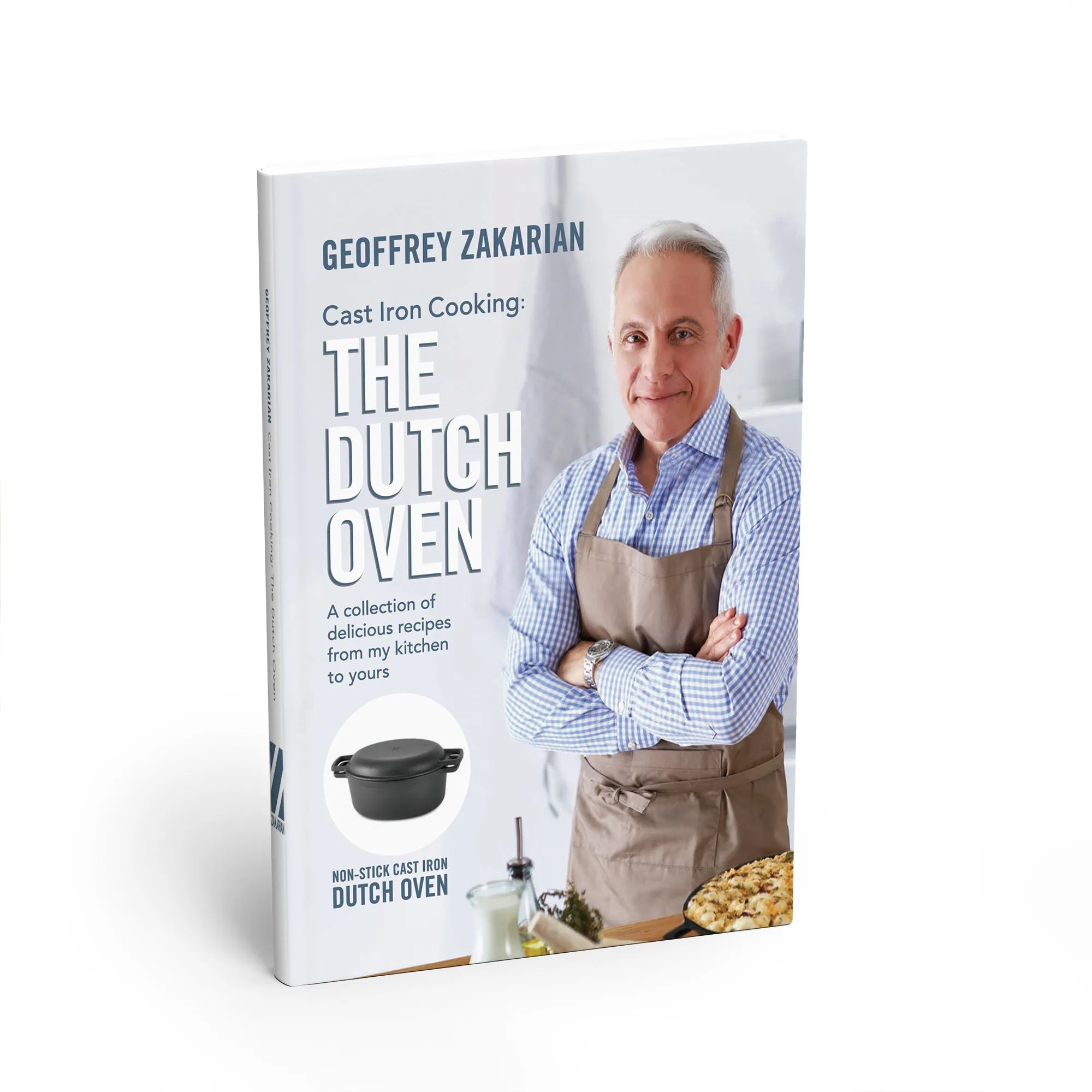
Dutch Oven Cookbook