Quick answer
When your toddler refuses the potty, pause the training, look for the real cause—fear, control, or readiness—and adjust your approach before trying again.
Why kids resist (and why it's normal)
Potty training refusal is rarely about defiance. Most toddlers resist because they aren't developmentally ready, they're scared of the process, or they're asserting independence. Pushing through the resistance usually backfires, making the bathroom a battleground instead of a safe place to learn.
The good news: most refusals are temporary. The key is diagnosing the specific reason so you can respond with empathy, not pressure.
When to take a break
If your toddler has been crying, hiding, or holding their pee for hours, stop all potty talk for a week or two. A break isn't failure—it resets the emotional stakes. After the break, try again with a different potty setup or a new routine. Many parents find that a fresh start with a different potty design removes the mental block.
Diagnose the refusal in 3 steps
- Symptom: Your toddler says no, runs away, or has a meltdown when you mention the potty. They may also hold pee for very long stretches.
- Likely cause: Fear of the toilet (noise, falling in), a power struggle over control, or simply not being ready physically or emotionally. Most refusals fall into one of these three buckets. If the cause is fear, switch to a floor potty and let them sit on it fully clothed at first. If it's control, offer two choices (e.g., 'Do you want to sit now or after this song?'). If it's readiness, stop for 2–4 weeks and try again.
- Corrective action: Remove all pressure. Read a potty book together, let your toddler watch you use the toilet, and put the potty in the play area without mentioning it. When they sit on their own, celebrate—even if nothing happens. If after two weeks of low-pressure exposure your toddler still refuses, consider that they may not be ready yet. Revisit in another month.
Gear that can help
-
The 3-in-1 Potty: The 3-in-1 Potty converts from a floor potty to a toilet trainer and step stool. If your toddler resists the big toilet, starting on a floor potty feels less intimidating. Later, the same piece becomes a trainer and stool, so you don't have to buy new gear at each stage.
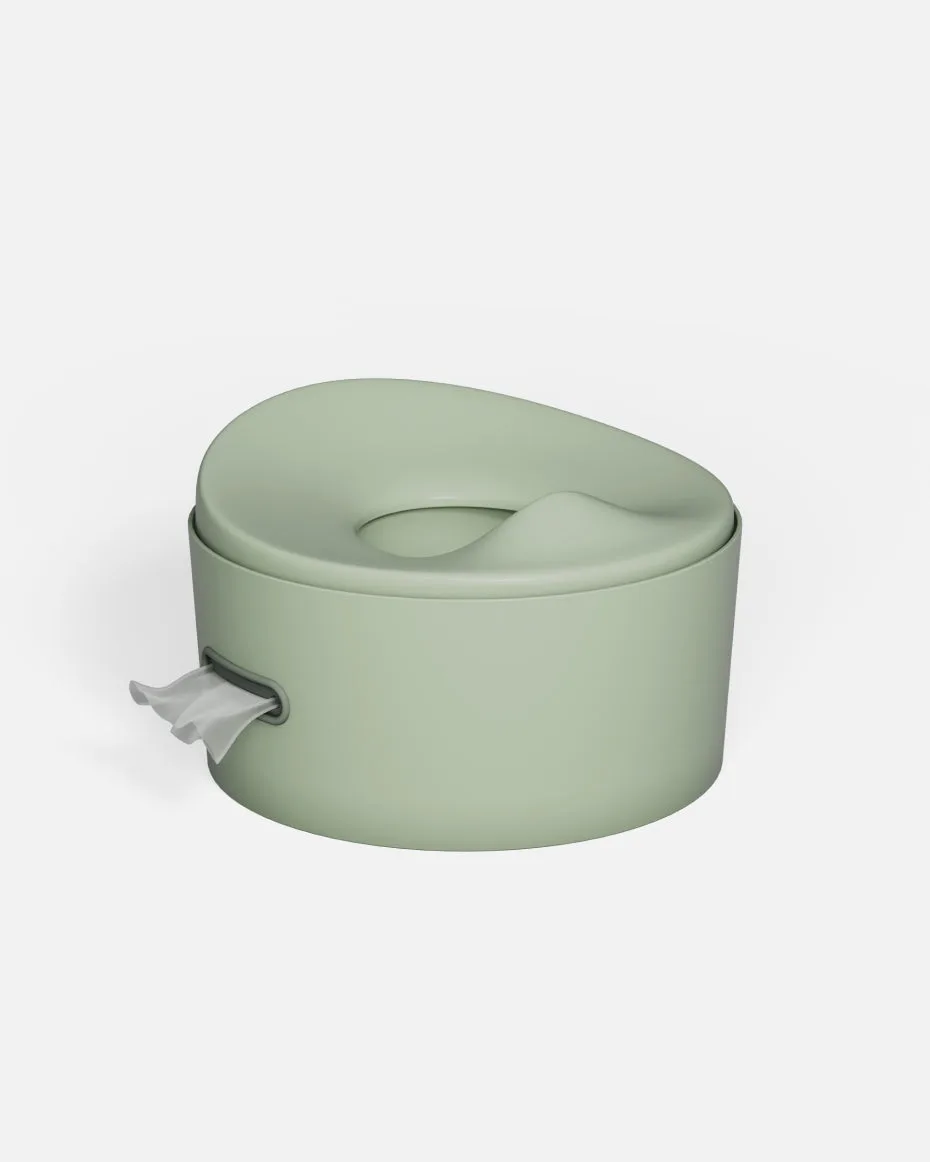
The 3-in-1 Potty