Quick answer
Use a fabric sample ring to compare colors, textures, and sewing behavior before committing to full yardage. This hands-on approach prevents costly mismatches and helps you choose the best material for your project.
Why a sample ring beats digital swatches
Photos on a screen can’t show you how a material drapes, feels, or reflects light. A fabric sample ring lets you hold each piece, test it against your pattern, and see how different colors and textures work together in real life. This is especially important for materials like faux leather and cork, where texture and flexibility vary widely between finishes.
What to look for when you open the ring
Take each sample off the ring and examine it under the lighting you’ll sew in. Check the back side for lining compatibility and the edges for fraying or laser marks. For mesh samples, hold them up to light to gauge transparency. For cork, bend it gently to see how much it flexes—some patterned corks are stiffer than plain ones.
How to plan your project with a sample ring
- 1. Gather your pattern and main materials: Lay out your pattern pieces and any fabrics you already own. Pull samples from the ring that could work as accents, linings, or structural layers. Check that the sample size (roughly 6 x 6 inches) is large enough to cover a key pattern area; if not, order a larger swatch.
- 2. Compare colors under your sewing light: Hold samples next to each other and against your main fabric. Move them around to see how colors shift in natural and artificial light. Colors can look different on a screen than in person—trust what you see on the sample.
- 3. Test sewing behavior on a scrap: Stitch through a sample with your machine and needle type. Note how the material feeds, whether it stretches, and if the needle leaves visible holes. Faux leather and cork may require a walking foot or leather needle; mesh may need a ballpoint needle to avoid snags.
- 4. Evaluate durability and care: Gently crease, scratch, or rub a sample to see how it holds up. For cork, check if the backing layers separate. For faux leather, see if the surface scuffs. If a sample shows wear easily, consider using that material for low-wear parts of your project.
- 5. Make your final selection and order yardage: Based on your tests, choose the best material and note the product name or code from the sample tag. Order enough yardage for your project plus 10% for mistakes. Keep the sample ring for future projects—you can always swap out samples as your inventory changes.
Sample rings that help you plan
-
Sample Ring: Legacy & Pebble Faux Leather: This 32-sample faux leather pack features two textures—Legacy and Pebble—with each piece roughly 6 x 6 inches. You can compare two distinct finishes side by side to see which one better suits your bag or home décor project.
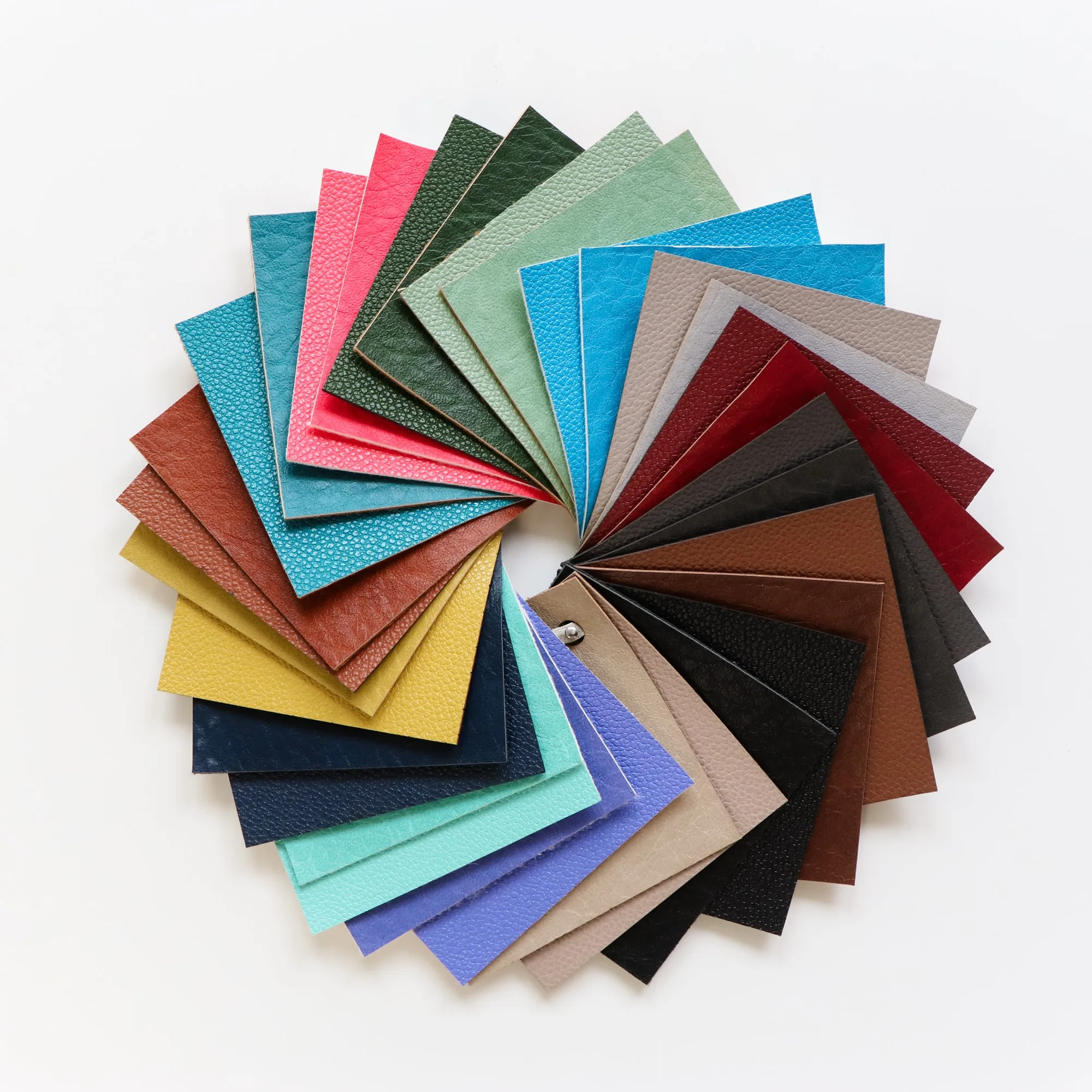
Sample Ring: Legacy & Pebble Faux Leather
-
Sample Ring: Patterned & Specialty Cork: Includes 38 unique cork samples: 23 patterned corks and 15 specialty-backed corks (burlap, canvas, denim, glitter, lite, splatter). The variety lets you test how different backings affect stiffness and sewability before choosing a cork for your design.
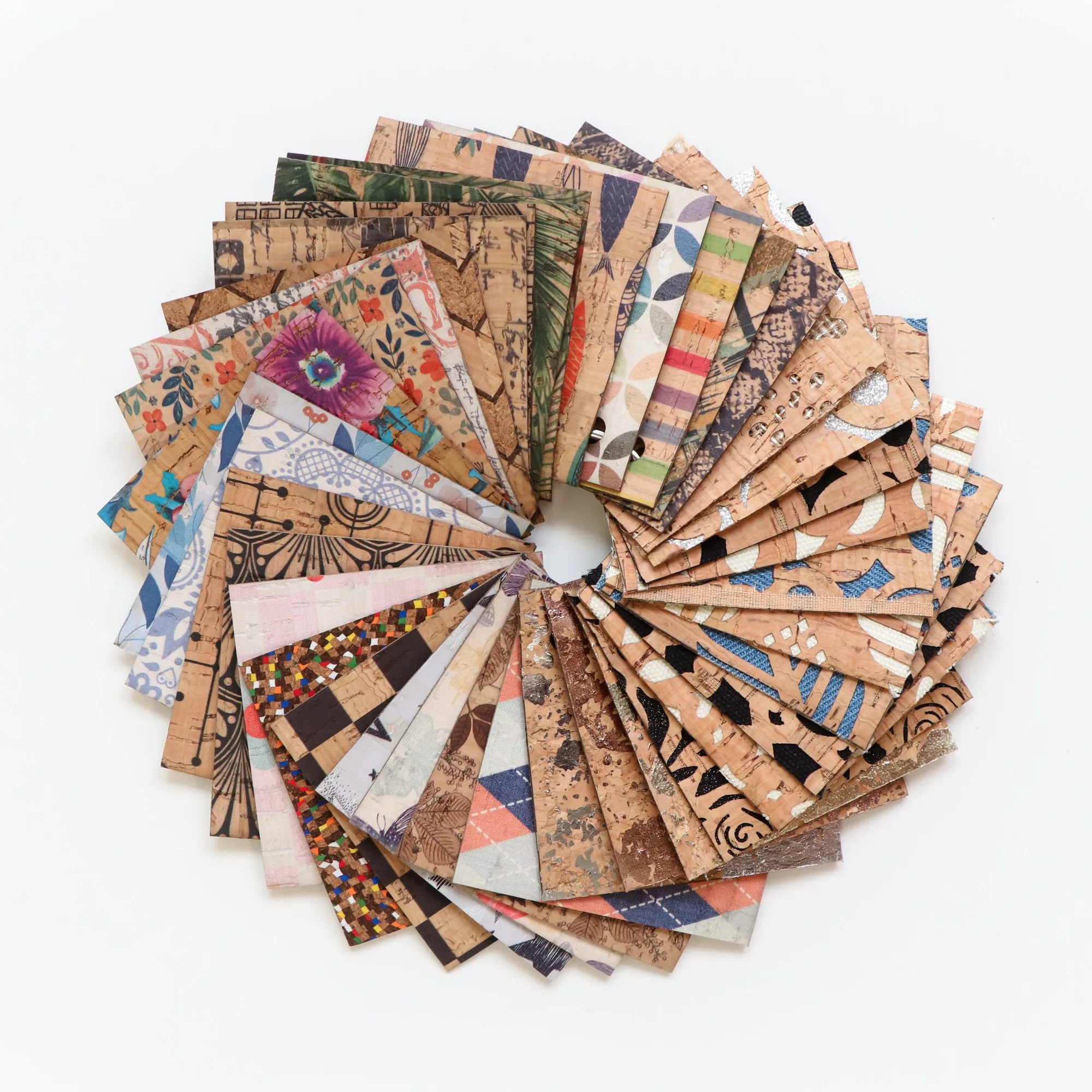
Sample Ring: Patterned & Specialty Cork
-
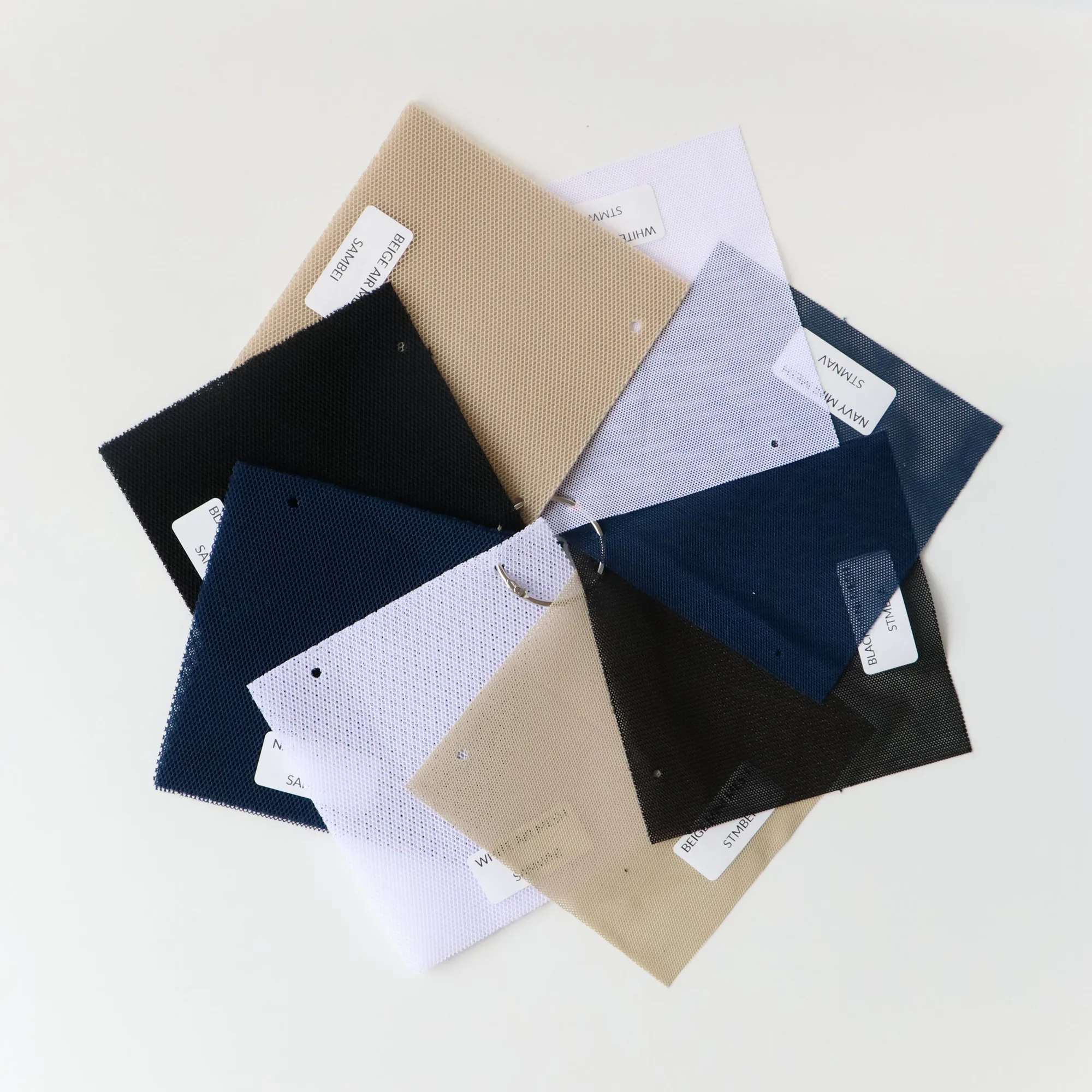
Sample Ring: Mesh: Set of 8 versatile mesh samples in vibrant colors, each roughly 6 x 6 inches and breathable. Use these to plan see-through pockets or sporty accents without guessing how the mesh will behave with your main fabric.