Quick Answer
To get maximum hydration from your face cream, apply it to damp skin after cleansing and toning, using gentle upward strokes. For best results, layer it over a hydrating serum while skin is still slightly moist, and seal with a few extra drops pressed in. Avoid rubbing aggressively or applying to dry skin, as this reduces absorption.
Face creams are a staple in most skincare routines, but how you apply them can make a big difference in their effectiveness. Many people simply dab on moisturizer without a second thought, then wonder why their skin still feels tight or flaky. The truth is, the best way to apply face cream involves a few simple techniques that boost absorption and lock in hydration.
Whether you have dry skin, combination skin, or just want that dewy glow, understanding the correct order and method can transform your results. In this guide, we’ll walk through the step-by-step process for maximum hydration, highlight common mistakes, and share tips on integrating serums and other products.
Why Application Technique Matters
Your skin’s ability to absorb a face cream depends on several factors: the product’s formulation, your skin’s moisture level, and how you apply it. When skin is damp, it acts like a sponge, drawing in water and the humectants in your cream. Applying to dry skin can leave a barrier that prevents deep penetration, wasting product and leaving you less hydrated.
Also, the direction and pressure of your strokes matter. Rubbing vigorously can irritate and cause micro-tears, while gentle upward motions support lymphatic drainage and reduce puffiness. Taking a few extra seconds to massage can also boost circulation, giving your skin a healthy glow.
- Always apply to slightly damp skin for better absorption.
- Use gentle pressure, not aggressive rubbing.
- Follow the natural contours of your face with upward strokes.
The Role of Serums and Other Products
The order of your skincare products is crucial. As a general rule, apply thinnest to thickest. That means after cleansing and toning, you should use any treatment serums (like vitamin C or hyaluronic acid) before your face cream. Serums deliver concentrated actives, while creams seal in that goodness and provide an occlusive layer to prevent water loss.
If you’re using a hydrating serum, apply it first and wait a minute for it to absorb. Then, while your skin is still slightly tacky, apply your face cream. This sandwich effect maximizes hydration. For an extra boost, you can mix a drop of facial oil into your cream, but only if your skin tolerates oils well.
- Apply serum before cream, not after.
- Wait a minute between layers for better absorption.
- Consider mixing a facial oil for extra nourishment if your skin is very dry.
Common Mistakes to Avoid
One of the biggest mistakes is using too much product. A pea-sized amount is usually enough for your entire face. Over-applying doesn’t increase hydration; it just leaves a greasy film and can clog pores. Another mistake is skipping your neck and décolleté, which show aging just as much as your face.
Also, don’t forget to apply cream to your neck and chest using upward strokes. These areas are often neglected but need just as much moisture. If you’re prone to dry patches, you might need to layer a thicker balm or ointment on those spots as a spot treatment.
- Use a pea-sized amount for your face.
- Extend the cream down to your neck and chest.
- For very dry areas, apply an extra layer or a thicker product.
Step-by-Step Guide to Applying Face Cream
- Start with clean, damp skin: After cleansing and toning, gently pat your face with a towel, leaving it slightly moist. This helps the cream lock in water. Checkpoint: Your skin should feel damp, not dripping wet.
- Apply serum first (if using): If you use a hydrating serum, press a few drops into your skin and wait about a minute until it’s almost dry. Checkpoint: The serum should feel tacky, not fully dry.
- Dispense the right amount: Squeeze a pea-sized amount of face cream onto your fingertip. For thicker creams, you might need slightly less. Checkpoint: Too much product can cause pilling and greasiness.
- Dot and spread gently: Dot the cream on your forehead, cheeks, nose, and chin. Then, using your ring fingers, gently spread it in upward, outward strokes. Checkpoint: Use light pressure; your fingers should glide, not drag.
- Don’t forget your neck and chest: Apply any remaining product to your neck and décolleté using upward strokes to prevent sagging and keep the area hydrated. Checkpoint: These areas are often neglected but show aging just as much.
- Press to finish: Finally, press your palms gently over your face for a few seconds. The warmth helps the cream absorb better. Checkpoint: Your skin should feel soft and hydrated, not sticky or oily.
Products to Support Your Hydration Routine
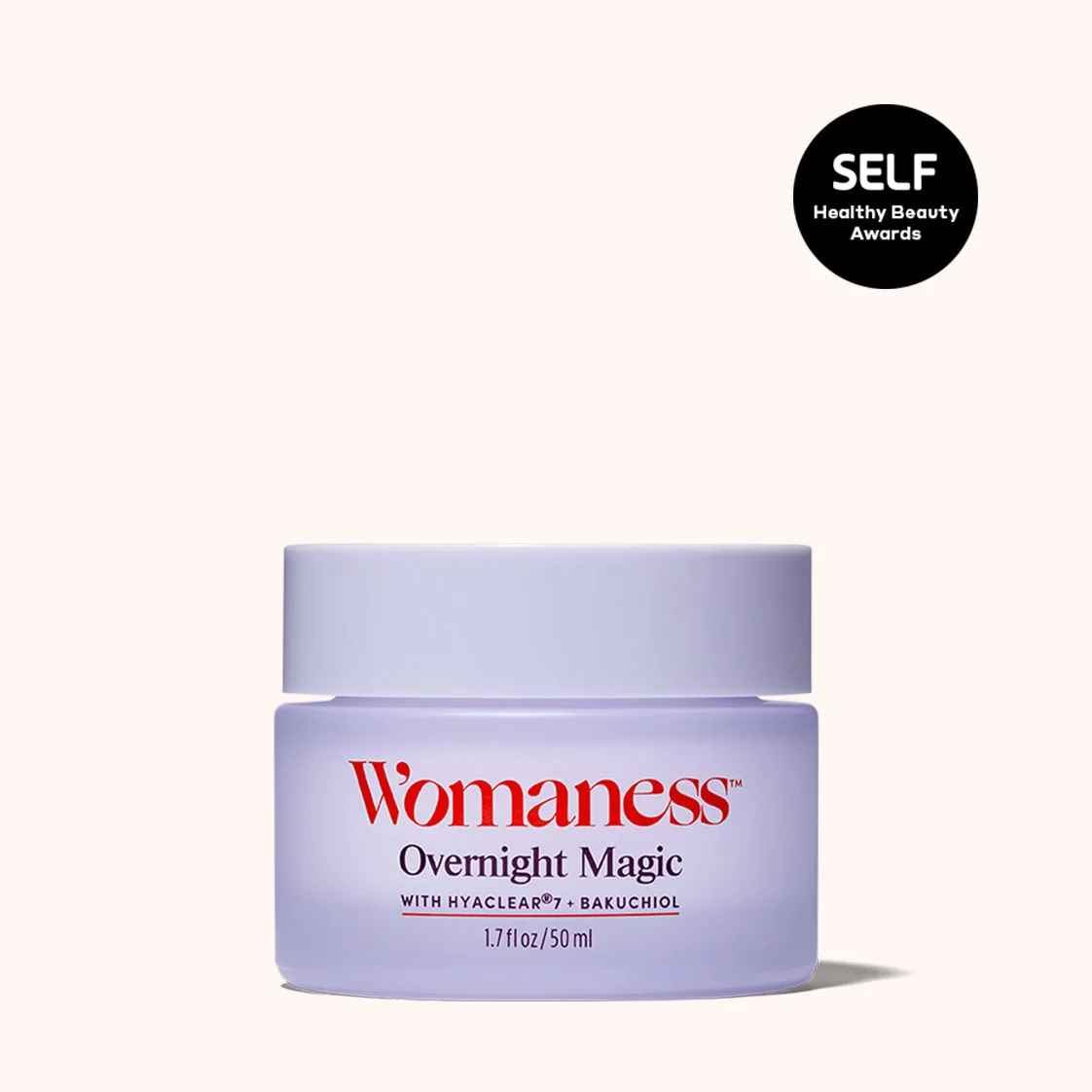
- Overnight Magic: Moisturizing Repair Cream If you wake up with dry, tight skin, using a repair cream at night can help restore moisture while you sleep, making it a perfect complement to your daytime routine.
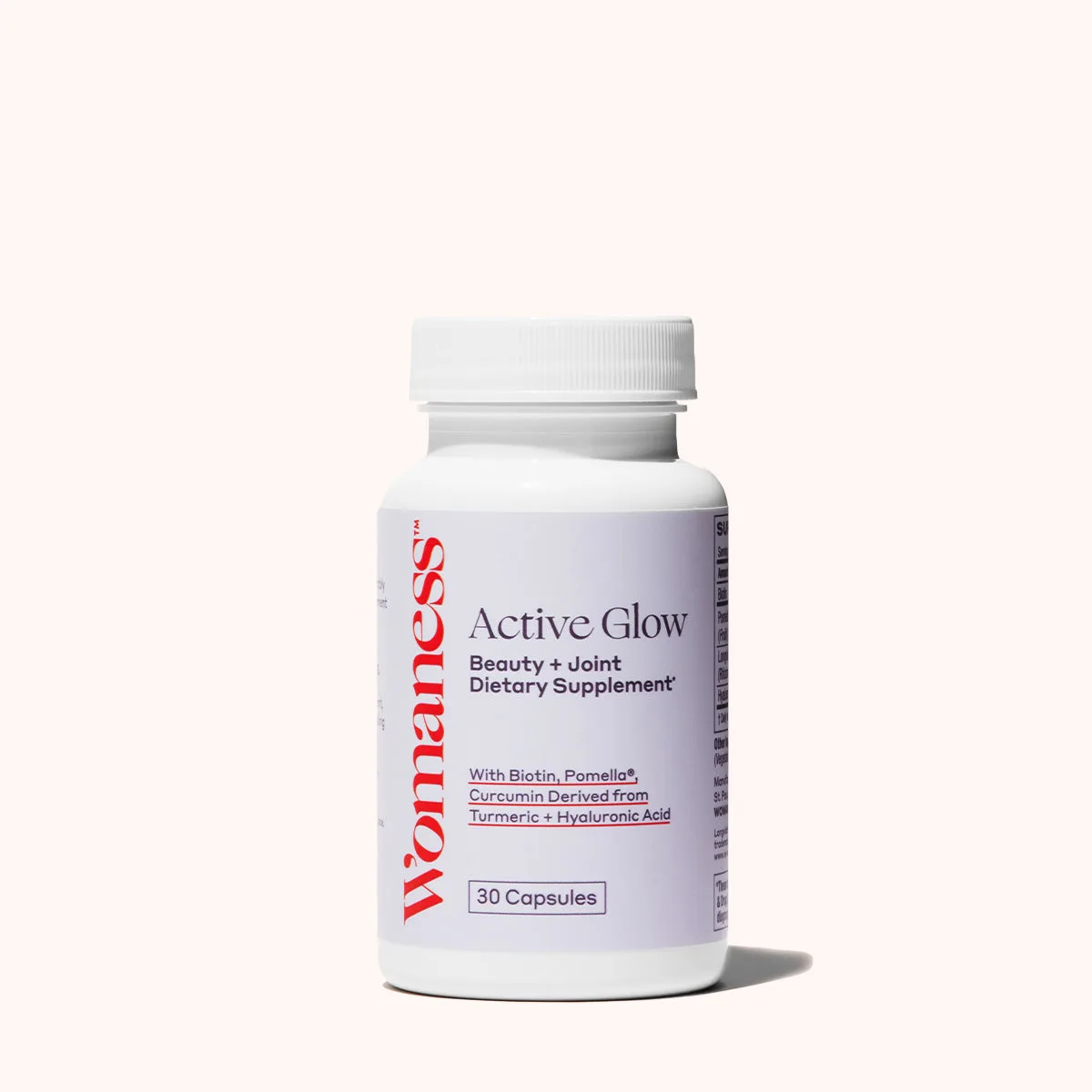
- Active Glow: Hair, Skin + Joint Dietary Supplement Hydration isn’t just topical. A supplement like Active Glow supports skin health from within, which can enhance the effects of your face cream.
Mastering how to use a face cream for maximum hydration is all about technique and order. By applying to damp skin, layering correctly with serums, and using gentle upward strokes, you can get the most out of your moisturizer. Remember to include your neck and chest, and consider supporting your routine with products like Overnight Magic for overnight repair or Active Glow for internal nourishment. With these tips, you’ll be on your way to a dewy, well-hydrated complexion.