Quick answer
Use finger puppets in short, playful sessions that follow your toddler's lead. Start with simple actions, add sounds or lights, and build simple stories together.
Why finger puppets work for toddlers
Finger puppets are small, easy to control, and instantly grab a toddler's attention. Because they fit on one finger, you can use them during diaper changes, car rides, or while waiting — no setup needed.
The key is to keep sessions short (2-5 minutes) and follow your child's interest. If they grab the puppet, let them explore. If they walk away, the puppet can 'sleep' until next time.
Choosing the right puppet for your toddler
Look for puppets with sensory features like sounds or lights — they naturally draw toddlers in and give you more ways to play. Oversized designs with a belly pocket let little fingers share control with yours, which builds coordination.
Avoid puppets with small detachable parts. Stick to soft, washable materials. A puppet that lights up or buzzes can become a character your toddler wants to see again and again.
5 finger puppet play steps for toddlers
- Start with one puppet and one action: Choose a single puppet — like Axel Anglerfish or Della Dragonfly — and do one simple action: wiggle, hide, or 'fly' past your toddler's face. Say the action word clearly ('wiggle wiggle', 'fly away'). Common mistake: using two puppets or talking too much. One puppet, one word, one action is enough for the first few sessions.
- Add a sound or light effect: If your puppet has a feature, use it as a surprise. Press Axel's forehead to light his lure, then say 'light on!' and 'light off!' Or press Della's face to buzz, then say 'bzzz, the dragonfly is here!' Let your toddler press the button or squeeze the puppet themselves once they show interest — it builds fine motor control.
- Let your toddler take the puppet: After you demonstrate, offer the puppet to your toddler. Place it on their finger (or let them hold it) and encourage them to make it move. Narrate what they do: 'You made the dragonfly buzz! It's flying up high!' Don't correct how they hold or move it. Toddlers explore through trial and error; the goal is participation, not perfection.
- Build a simple story around a daily routine: Use the puppet to act out a familiar moment — eating, sleeping, or bath time. For example, have Axel the anglerfish 'swim' to the tub and say 'splash!' or Della 'land' on a toy and say 'nap time!' Keep the story to two or three actions. Toddlers lose interest if the plot gets complicated. Repetition is fine — it helps language stick.
- End with a calm goodbye ritual: When play winds down, have the puppet wave, say 'bye bye', and 'go to sleep' in a pocket or basket. This signals the end of the activity and helps toddlers transition to the next thing. If your toddler protests, let the puppet 'wake up' for one more quick wave, then put it away again. Consistency teaches that playtime has a beginning and an end.
Finger puppets that add sensory fun
-
Axel Anglerfish Light-up Finger Puppet: Axel Anglerfish is an oversized finger puppet with a small pocket in the belly for multi-finger placement. Press his forehead to see the end of his lure light up. The light-up lure creates a natural 'peek-a-boo' moment — press to light, then hide the light — which helps toddlers practice anticipation and cause-and-effect.
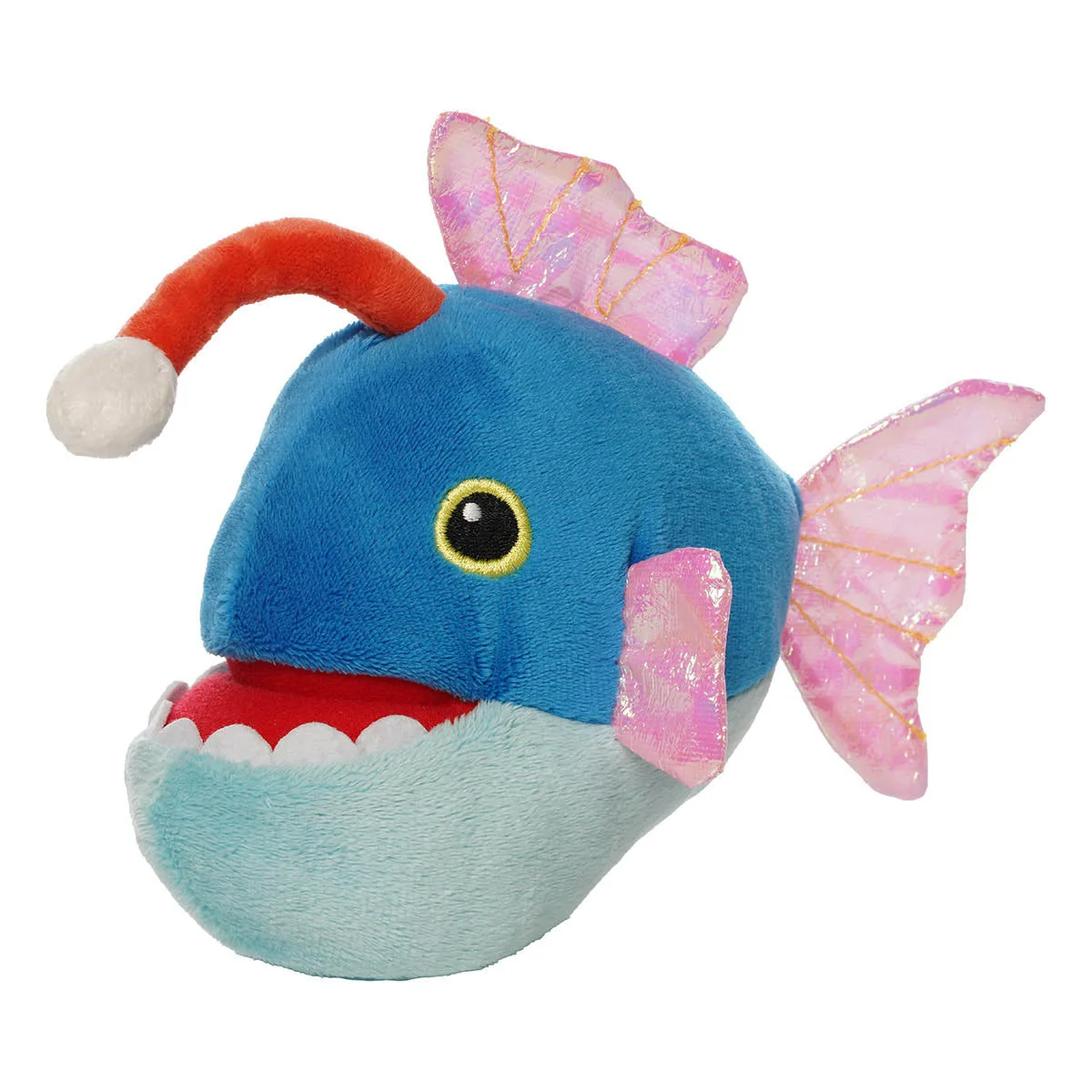
Axel Anglerfish Light-up Finger Puppet
-
Della Dragonfly Finger Puppet with Sound: Della Dragonfly is an oversized finger puppet with a small pocket in the belly for multi-finger placement. Press her face to hear her buzzing sounds. The buzzing sound mimics insect flight, making it easy to act out flying, landing, and hiding — perfect for building vocabulary around movement and nature.
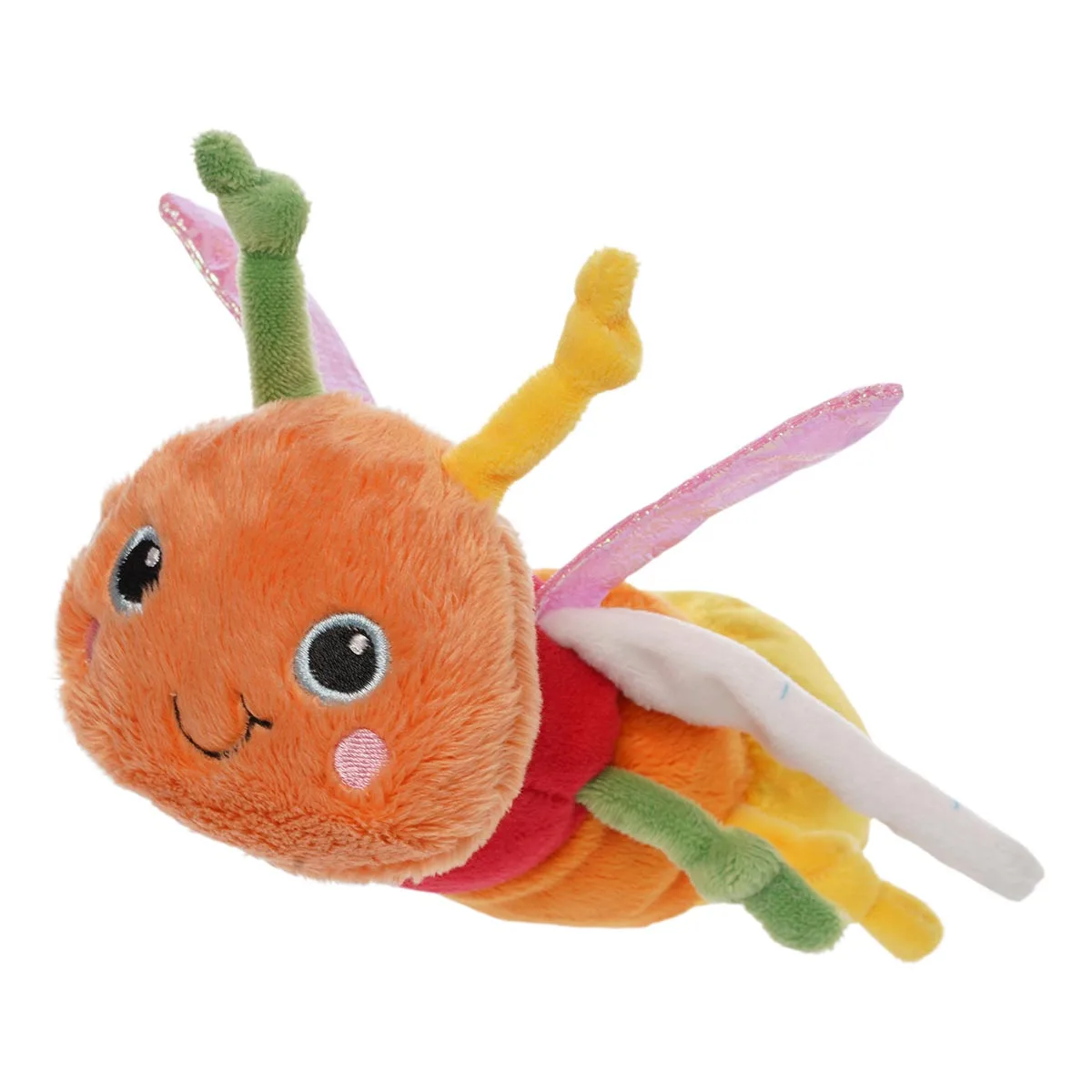
Della Dragonfly Finger Puppet with Sound