Quick answer
Use foraging herbs as a small daily enrichment layer, not as a meal replacement. Offer a pinch of one herb at a time, scatter it in hay or a snuffle mat, and rotate varieties across the week so your rabbit or guinea pig stays curious without upsetting their core diet.
Why variety matters more than volume
Small pets are foragers by nature. In the wild, they spend hours sniffing, nibbling, and moving between different plants. A bowl of the same pellets every day removes that mental workout. Foraging herbs bring back a small piece of it: new scents, textures, and tastes that encourage natural searching and chewing behaviour.
The goal is not to fill your pet up on herbs. It is to add a few minutes of focused activity to their day. A single pinch of dried herbs can be enough to redirect a bored rabbit or guinea pig toward healthy chewing instead of cage bars or bedding.
Start with one herb and watch the response
Introduce one herb at a time so you can see how your pet reacts. Some small pets dive straight in; others sniff and walk away the first time. That is normal. Leave the herb in the enclosure for a few hours, then remove anything uneaten before it gets soiled.
If your pet ignores it, try offering the same herb again in a different spot, such as tucked into hay or inside a paper tube. Changing the delivery often matters more than changing the herb.
Build a simple weekly rotation
Rotating herbs keeps the routine interesting and helps you notice which ones your pet actually enjoys. A three- or four-day rotation is easy to remember: one herb on day one, a different one on day two, a third on day three, then repeat. You do not need a different herb every single day.
Keep portions small. A pinch roughly the size of a thumbnail is a reasonable starting point for a rabbit or guinea pig. Adjust down for hamsters, gerbils, and mice.
Scatter, hide, or hang instead of using a bowl
A bowl makes foraging too easy. Scattering a pinch through hay, pressing it into a snuffle mat, or stuffing it into a cardboard tube turns a snack into an activity. This is one of the simplest small pet enrichment ideas because it uses items you already have.
For rabbits, try sprinkling herbs on top of a fresh handful of hay. For guinea pigs, hide a small amount inside a folded paper bag or a safe chew toy. The extra movement and sniffing is the point.
Daily foraging herb routine
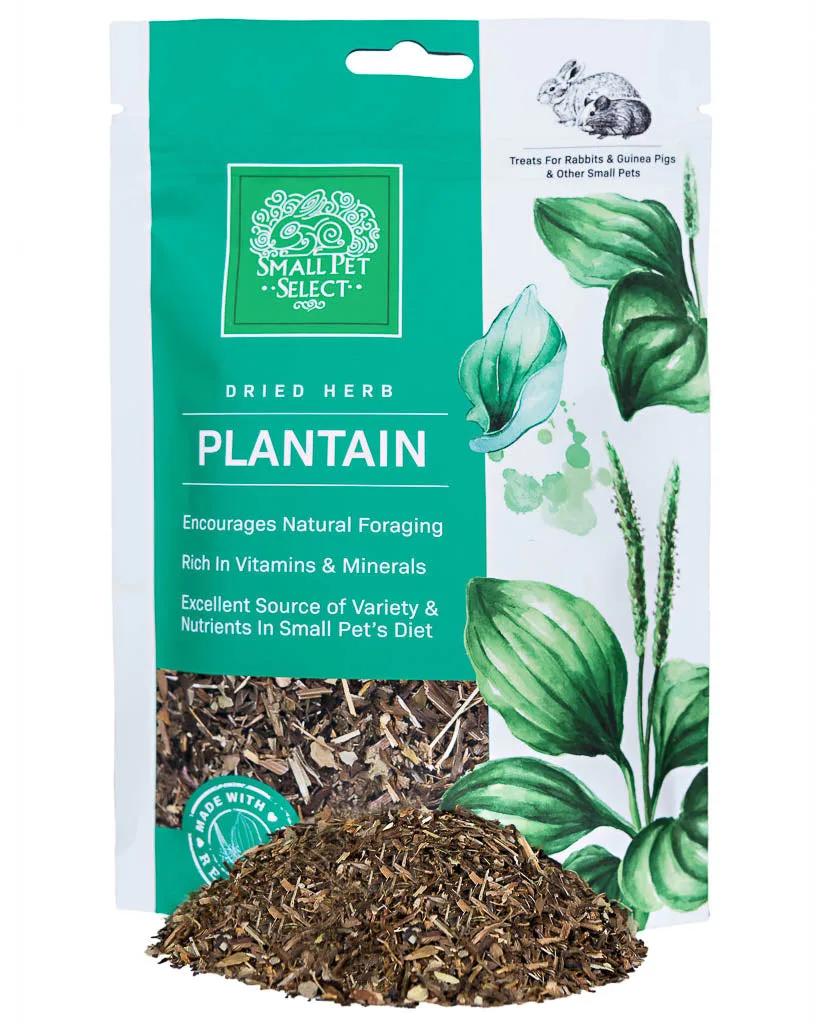
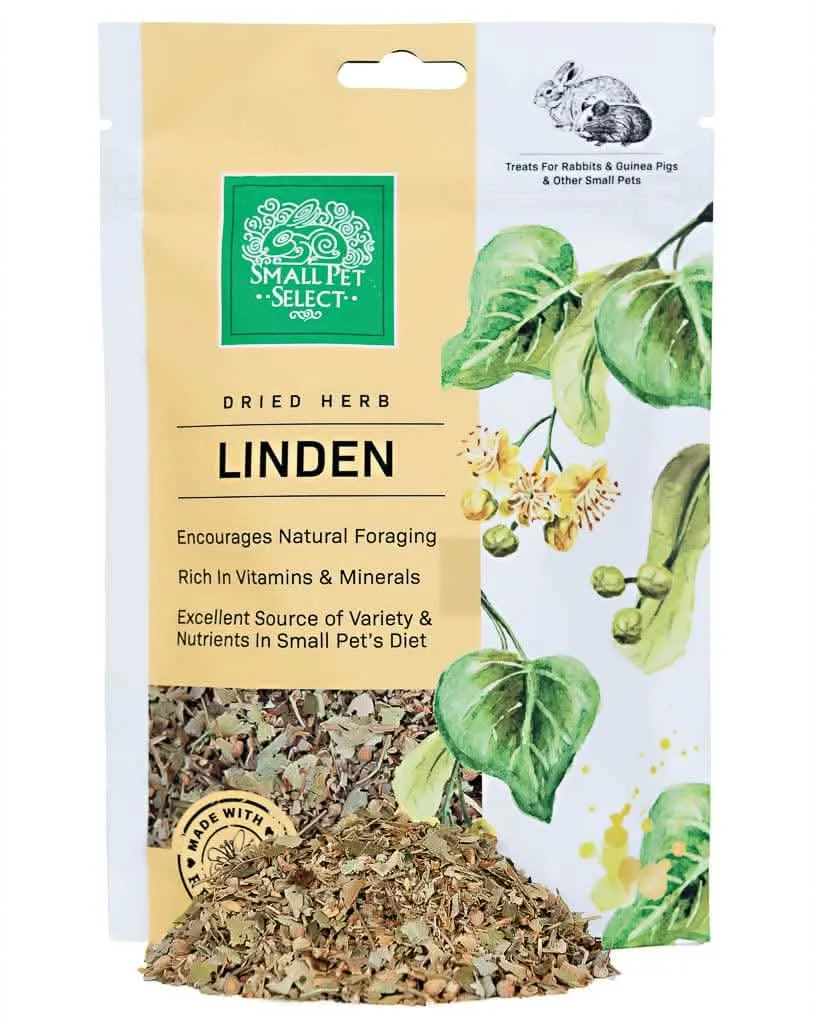
- Choose one herb for the day: Pick a single variety, such as linden or plantain, rather than mixing several at once. This makes it easier to tell what your pet likes and what they leave behind. Checkpoint: if your pet ignores the herb two days in a row, switch to a different variety before assuming they dislike herbs altogether.
- Measure a small pinch: Start with a thumbnail-sized pinch for rabbits and guinea pigs, and a much smaller pinch for hamsters, gerbils, and mice. Herbs are a supplement to hay, pellets, and fresh water, not a replacement. Common mistake: filling a bowl. A full bowl turns enrichment into a meal and can unbalance the diet.
- Scatter or hide it: Sprinkle the pinch through hay, press it into a snuffle mat, or tuck it inside a cardboard tube or paper bag. This encourages sniffing, digging, and natural foraging movement. Checkpoint: if your pet finds the herb in under ten seconds, make the hiding spot slightly harder next time.
- Remove leftovers after a few hours: Take out any uneaten herbs once your pet has lost interest, especially if they have been in contact with bedding, urine, or fresh vegetables. Damp or soiled herbs should not stay in the enclosure. Common mistake: leaving herbs in the cage overnight. This can lead to waste and, in warm rooms, spoilage.
- Rotate the next day: Use a different herb the next day, then cycle back. A three- or four-herb rotation keeps the routine fresh without requiring a large collection. Next step: note which herbs your pet finishes fastest and make those the backbone of your rotation.
Product facts
- Linden Foraging Herbs: Linden Foraging Herbs are hand-selected, pesticide-free linden leaves and flowers described as mild and slightly sweet, suitable for rabbits, guinea pigs, hamsters, gerbils, and mice. A mild, slightly sweet herb is a sensible first foraging herb for picky small pets, and the pesticide-free sourcing reduces residue concerns when you are feeding it regularly.
- Plantain Forage Herb: Plantain Forage Herb is described as a favourite small animal herb with excellent fibre content and essential vitamins, intended to add variety and enrichment. Because plantain is positioned around fibre and vitamins rather than just taste, it works well as the everyday herb in a rotation rather than an occasional treat.
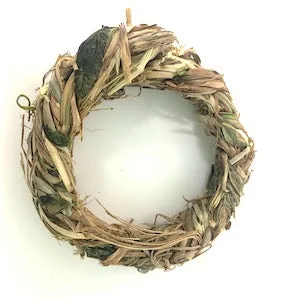
- Clover Ring: Clover Ring is a handmade, pesticide-free chew toy sourced from a US farm where everything is organic and safe, suitable for rabbits, hamsters, guinea pigs, and gerbils. If your pet ignores loose herbs, a clover ring gives them the same clover taste in a chewable format, which can double as enrichment and a safe chewing outlet.