Quick Answer
Use a hand puppet to bring storytime to life by pairing simple character voices with deliberate movements that match the plot. Start with one puppet and let your child’s reactions guide the pace.
Why Hand Puppets Work for Storytime
Hand puppets add a visual and tactile layer to storytelling that captures a child’s attention far more than a static book. The puppet’s movement and voice create a separate character, making the narrative feel real and interactive. This works especially well for shy or distracted children who may not engage with reading alone.
Choosing the Right Puppet for the Story
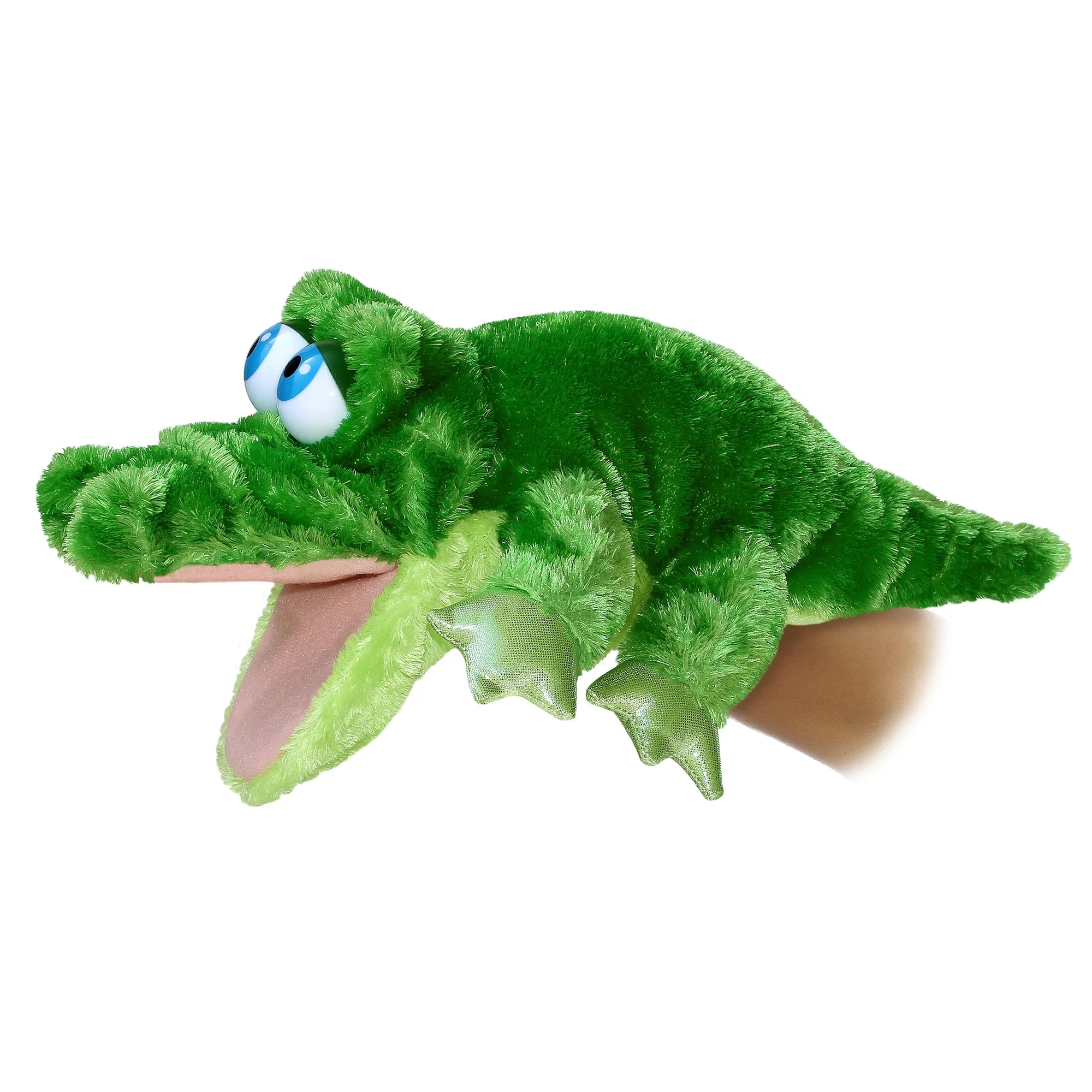
A frog puppet suits pond or adventure tales, while a sloth like the Garth™ puppet fits slower, sleepy bedtime stories. The 13.5" Grator™ puppet is larger and works for more expressive, dramatic characters. Match the puppet’s size and animal type to the mood of the story to avoid a mismatch that confuses the child.
How to Use a Hand Puppet for Storytime
- Step 1: Choose a Simple Story: Pick a short story with clear characters and a straightforward plot. Avoid long or complex narratives that require multiple puppet changes. A story with one or two main characters works best for beginners.
- Step 2: Practice the Puppet’s Voice and Movement: Give the puppet a distinct voice—higher or lower than your own. Practice moving the mouth in sync with the words and use gestures like nodding or waving to emphasize emotions. Common mistake: moving the mouth out of sync with the dialogue. Keep the motion simple and consistent.
- Step 3: Introduce the Puppet Before Reading: Let the puppet say hello or ask a question to the child before you start the story. This builds anticipation and sets the stage for the puppet as a character. If the child is shy, let the puppet ask a simple yes/no question first to reduce pressure.
- Step 4: Use the Puppet to Act Out Key Moments: During the story, have the puppet perform actions that match the plot—hopping for a frog, yawning for a sloth. Pause occasionally to let the child react or ask a question. Don’t over-animate; too much movement can distract from the story. Focus on one or two key actions per page.
- Step 5: Invite the Child to Take Over: After the story, offer the puppet to the child and let them try. Ask open-ended questions like “What happens next?” to encourage their own storytelling. Resist correcting their story—let them explore freely to build confidence and creativity.
Product Facts
-
Aurora® - Hand Puppet - 10" Frog: Aurora® Hand Puppet - 10" Frog is made with soft, high-quality fabrics that are durable and tactile. The soft texture and small size make it easy for small hands to control and comfortable for gentle interaction.
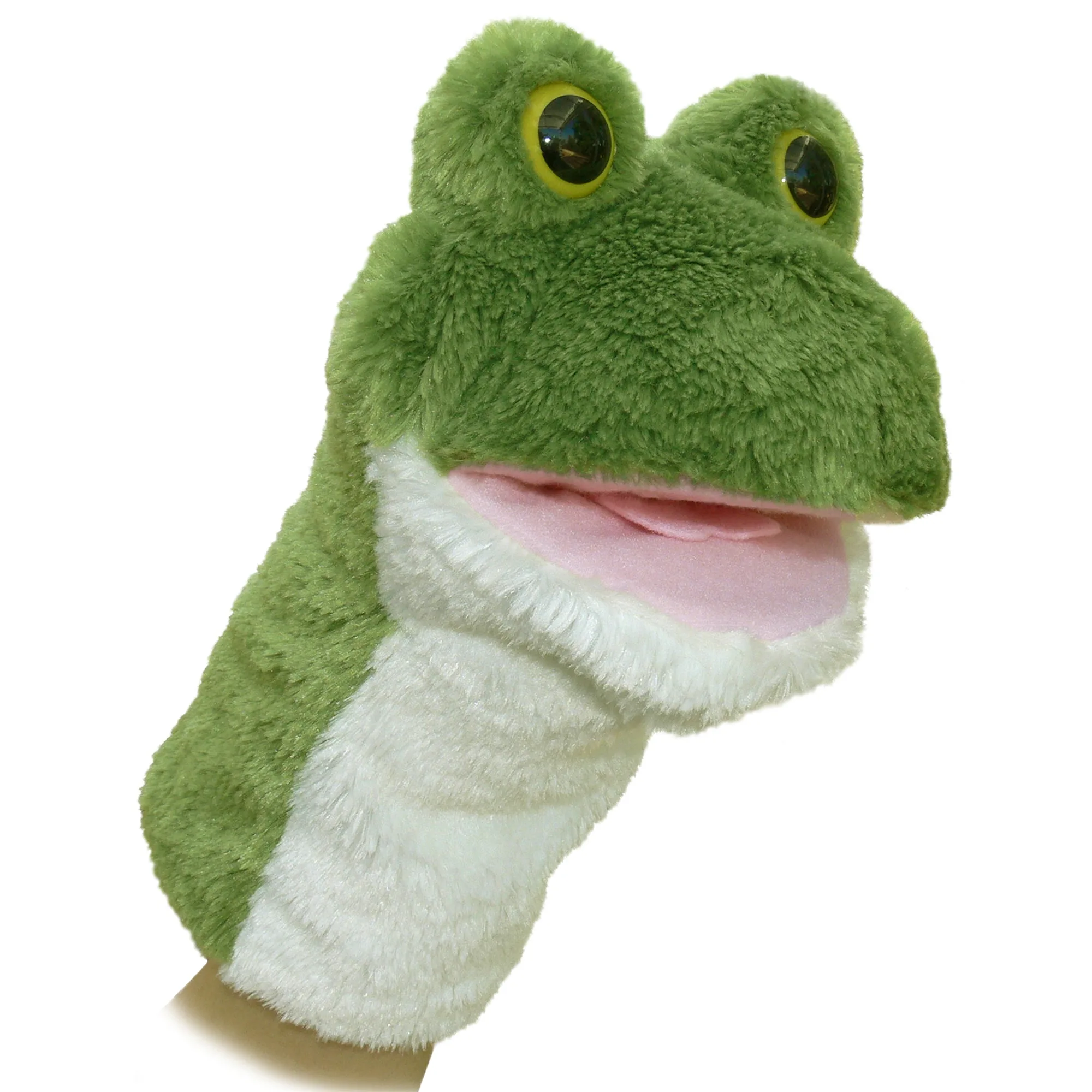
Aurora® - Hand Puppet - 10" Frog
-
Aurora® - Hand Puppet - 10" Garth™: Aurora® Hand Puppet - 10" Garth™ is part of a series designed to ignite creativity and storytelling. The sloth design works well for calm, soothing stories and encourages imaginative play without being overwhelming.
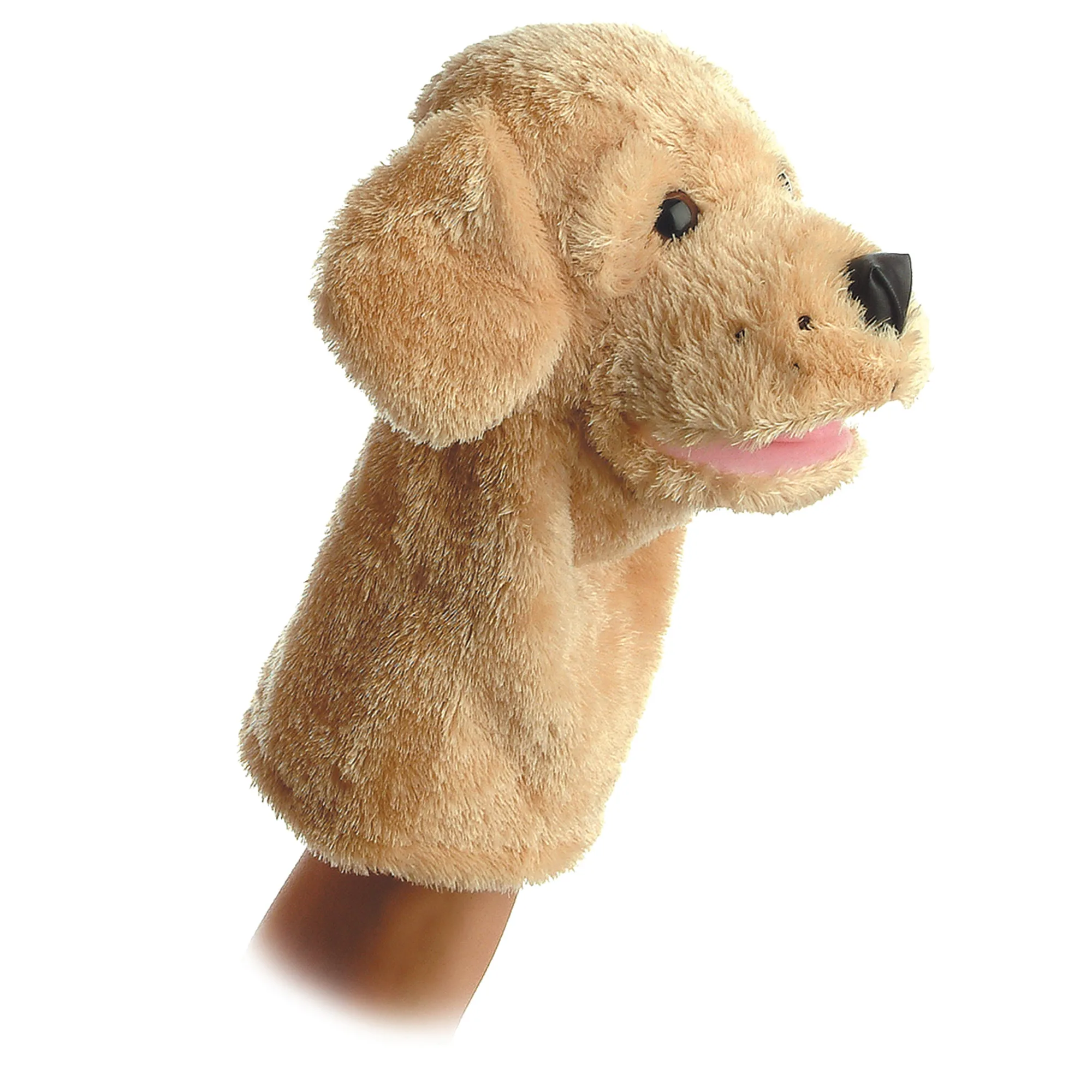
Aurora® - Hand Puppet - 10" Garth™
-
Aurora® - Hand Puppet - 13.5" Grator™: Aurora® Hand Puppet - 13.5" Grator™ is larger and part of the same storytelling-focused collection. The bigger size gives you more room for expressive hand movements, making it ideal for louder or more active story characters.