Quick answer
Apply invisiClear hydrocolloid spot patches to clean, completely dry skin with a whitehead or pustule. Press the patch down for 10–15 seconds, leave it on until it turns white and lifts, then replace. Most patches need changing every 8–24 hours. Do not apply over broken, cystic, or infected acne—hydrocolloid patches work best on surface whiteheads, not deep nodules.
Why hydrocolloid patches work—and when they don't
Hydrocolloid patches are transparent dressings that create a moist, protected environment. They draw fluid from a whitehead or pustule, absorb moisture and pus, and help flatten the bump. They also act as a physical barrier against picking and external debris. But they are not a treatment for every type of acne. They work best on whiteheads and pustules that have come to a head. They do not penetrate deep into the skin, so they won't resolve cystic acne, blackheads, or closed comedones. If you have deep, painful nodules, a patch alone won't help—you need a targeted acne treatment or professional guidance.
Step-by-step: How to apply invisiClear patches
Follow this order every time for the best results and to avoid irritation.
Aftercare: What to do when you remove the patch
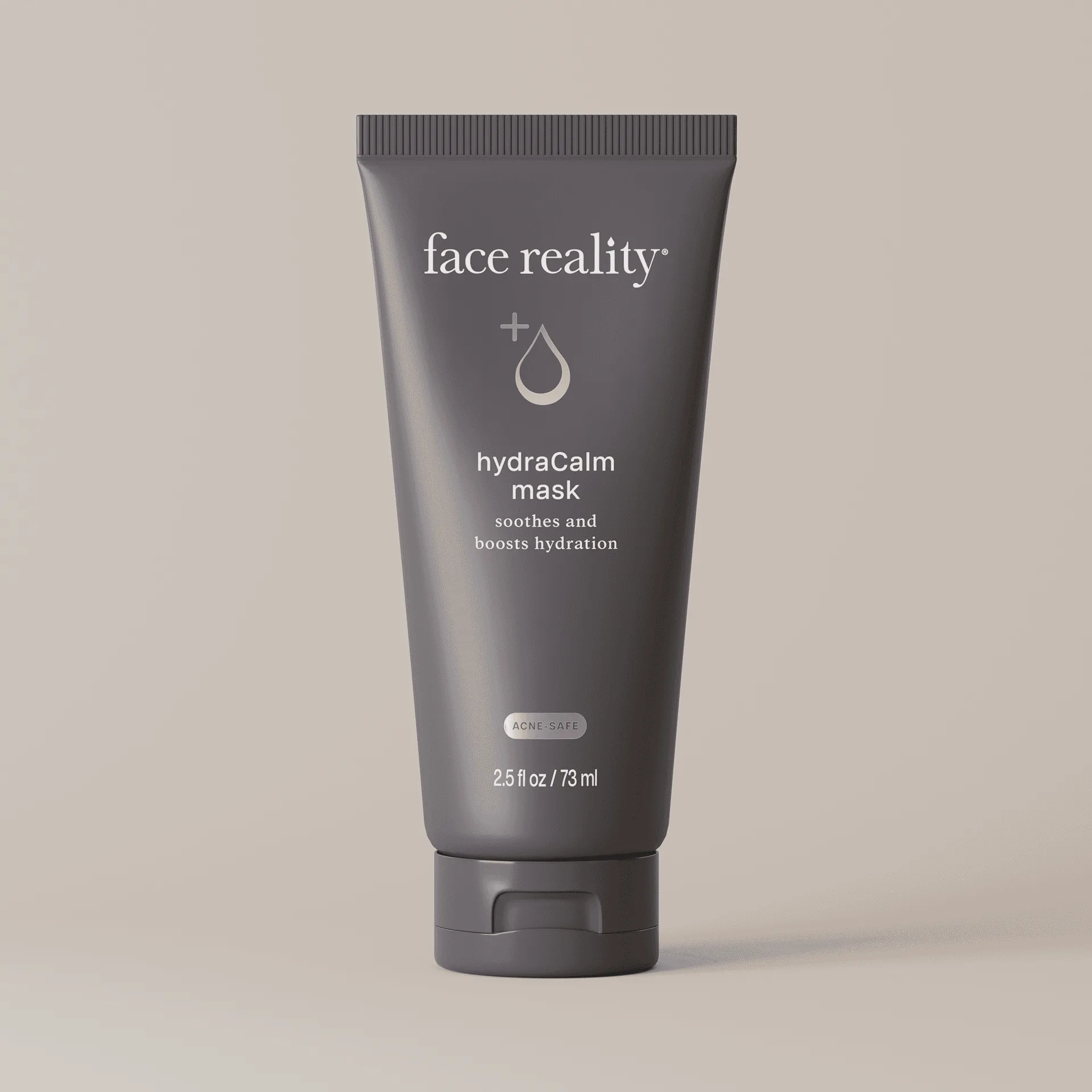
When you peel off the patch, the area may be slightly red or tender. Do not pick or squeeze the spot. Cleanse gently with a mild cleanser, then apply a soothing moisturizer or barrier cream. If the skin is dry or flaky, a hydrating mask like hydraCalm Mask can help calm and restore moisture. Avoid exfoliating acids or retinoids on that spot for 24 hours. If the area looks infected (spreading redness, warmth, pus), stop using patches and consult a dermatologist.
Step-by-step patch application
- Cleanse and dry the area: Wash your face with a gentle cleanser and pat the blemish completely dry. Any moisture, oil, or skincare residue will prevent the patch from sticking. Common mistake: applying to damp skin—the patch will slide off within minutes.
- Choose the right patch size: Select a patch that covers the whitehead and a small margin of surrounding skin. If the patch is too small, it won't seal properly; too large, and it may lift at the edges. Checkpoint: the patch should lie flat with no wrinkles or air bubbles.
- Apply and press firmly: Place the patch over the blemish and press down with clean fingertips for 10–15 seconds. The warmth helps the adhesive activate. Common mistake: rubbing the patch—press, don't rub, to avoid shifting the adhesive.
- Leave it on until it turns white: The patch will absorb fluid and turn opaque white. This usually takes 8–24 hours. Do not remove it early just to check—you'll interrupt the healing process. Checkpoint: if the patch is still clear after 24 hours, the blemish may not be ready to drain; remove and try again later.
- Remove gently and replace if needed: Peel the patch off slowly from the edges. If the whitehead is still present, apply a fresh patch. If the area is flat and dry, let it heal without a new patch. Common mistake: yanking the patch off—this can irritate the skin and cause post-inflammatory hyperpigmentation.
Product facts
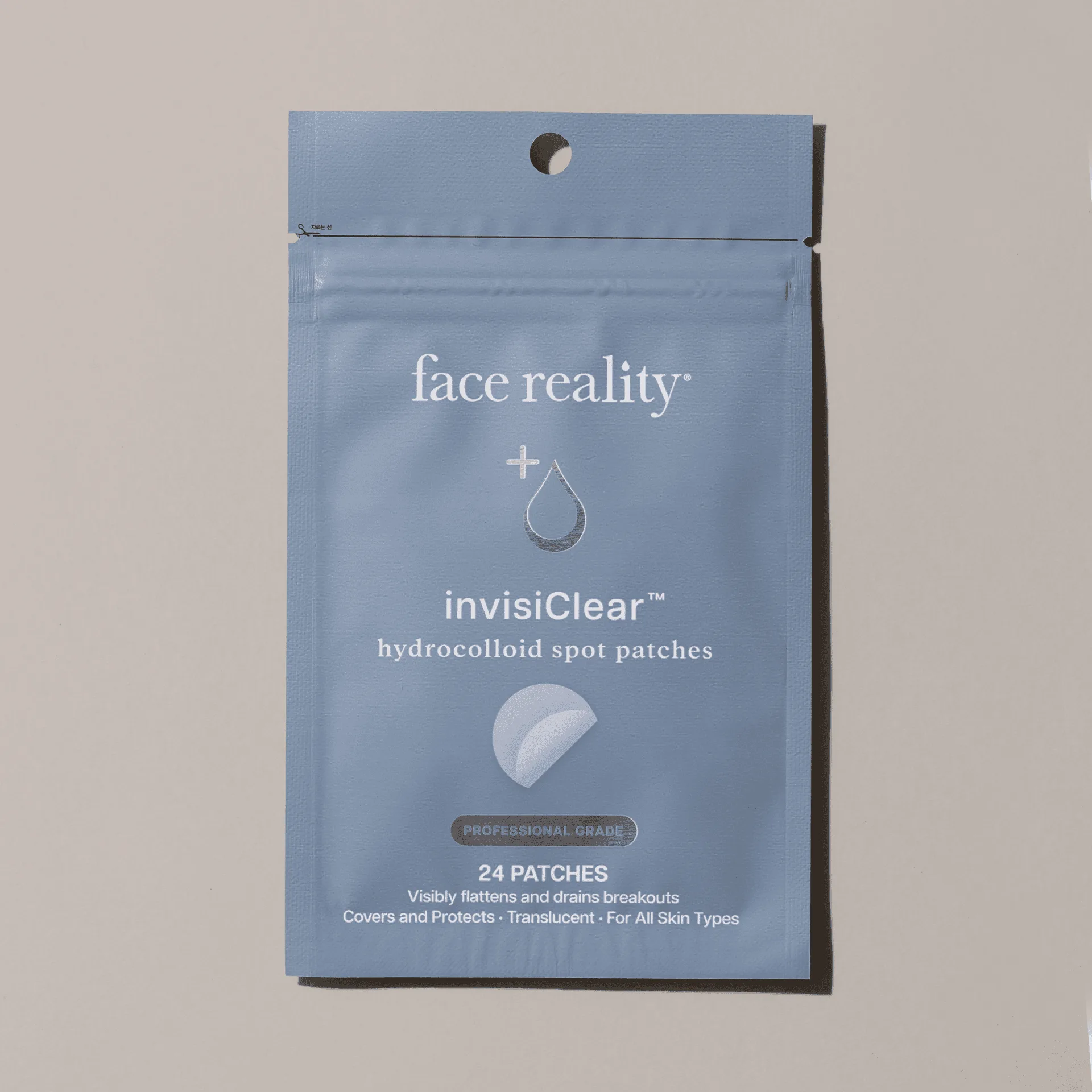
- invisiClear™ Hydrocolloid Spot Patches: invisiClear hydrocolloid spot patches are designed to support your skin clearing journey. Our professional-grade patches act as a transparent aid that drains, absorbs moisture and pus and flattens pustules and papules. InvisiClear also helps prevent picking and protects skin from external aggressors and debris. These patches are a targeted tool for surface whiteheads and pustules, not a full-face acne treatment. They protect the spot while it heals and reduce the urge to pick.
- hydraCalm Mask: When dry skin is crying out for relief, quench it with this intensely hydrating mask. Full of ultra-soothing ingredients, our hydraCalm Mask restores moisture, boosts hydration and calms your skin. After patch removal, skin can feel dry or irritated. A hydrating mask can help restore moisture and calm the area without clogging pores.