Quick answer
Start with one magnetic block shape and one goal, such as building a tower that stands for 10 seconds. Then add a second shape and a simple challenge, like a bridge that holds a small toy. Keep sessions short, ask your child to predict what will happen, and test the build together.
Magnetic blocks are one of the easiest ways to introduce engineering thinking because they let kids test an idea, see the result immediately, and try again without glue, tape, or frustration. The magnets do the holding, so your child can focus on balance, shape, and structure.
This guide gives you an ordered process for using magnetic blocks for kids, from the first five-minute build to open-ended challenges that build real early engineering habits. Each step includes a checkpoint so you know when to move on and when to stay put.
Why magnetic blocks work for early engineering
Engineering for young children is not about correct answers. It is about noticing how parts connect, predicting what will hold, and changing one thing when a build falls. Magnetic blocks support that loop because the connection is instant and reversible. A child can attach two pieces, see the angle, pull them apart, and try a different position in seconds.
The best early engineering toys keep the feedback clear. With magnetic tiles engineering, a weak joint usually shows up as a wobble or a collapse, which is useful information rather than a failure. That quick feedback helps children build persistence and spatial reasoning without needing adult instructions for every move.
- Keep the first builds small enough to finish in one sitting.
- Let the build fall sometimes; the fall is part of the lesson.
Set up a simple building station
You do not need a dedicated playroom. A low table, a tray, or a clear spot on the floor works. Put out only one or two shapes at first, such as squares and triangles, so your child can notice how each one behaves. Too many pieces at once turns engineering into sorting.
If you want a low-prep alternative that also builds spatial skills, the EUGY Owl 3D Puzzle is a 10-to-20-minute assemble-and-display activity that can sit next to the block station as a quiet option. It is not a magnetic block set, but it gives children another way to practice following a build sequence.
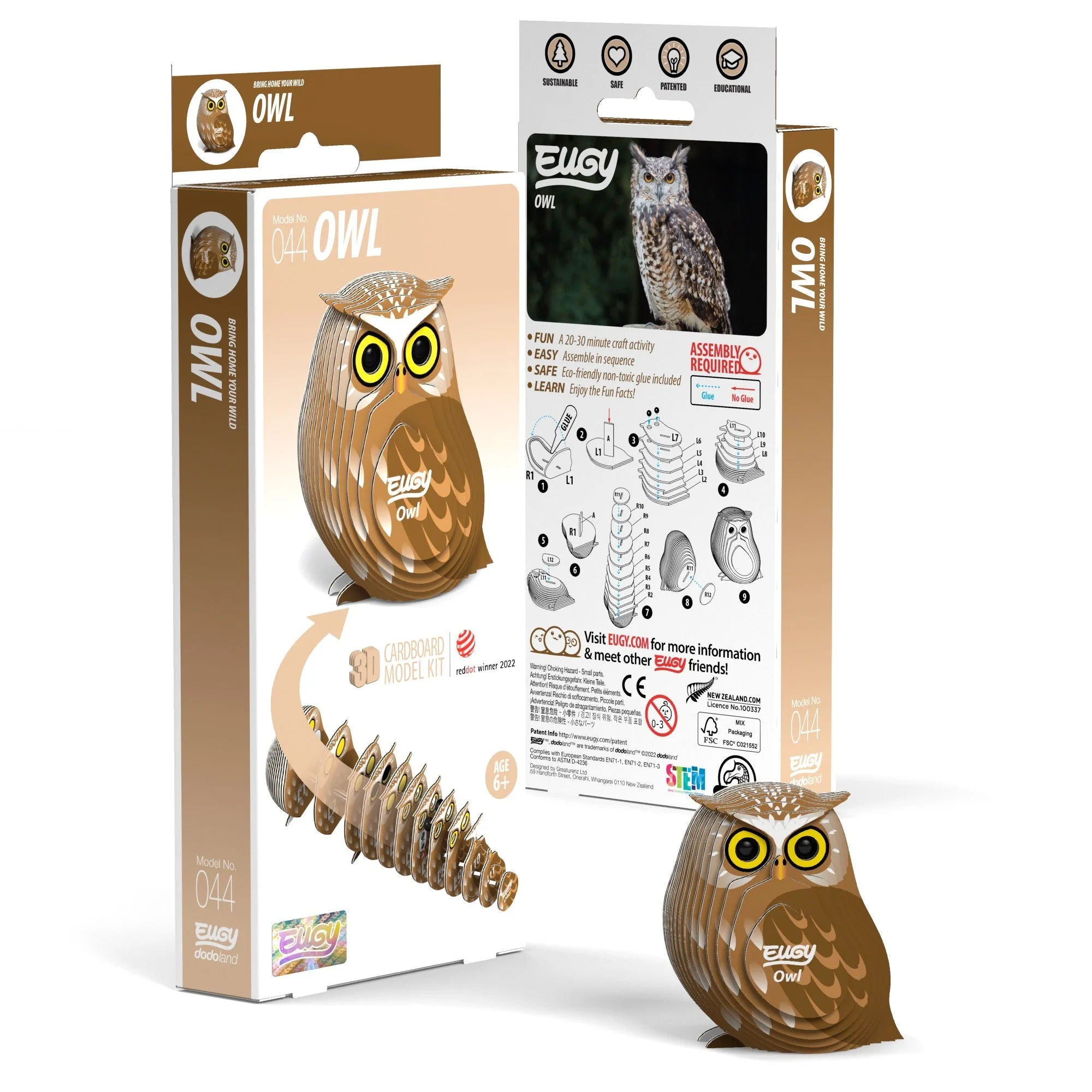
EUGY Owl 3D Puzzle
- Use a tray with a lip so pieces do not slide away mid-build.
- Rotate pieces weekly instead of dumping the whole collection.
Teach one engineering idea at a time
Pick one idea per session: balance, support, or enclosure. For balance, ask your child to build the tallest tower that stays up. For support, ask them to make a bridge that holds a small toy. For enclosure, ask them to build a pen for a toy animal. One idea keeps the focus on testing rather than collecting pieces.
A small figure can make the challenge concrete. The Red-eyed Tree Frog Toy is a lightweight, non-poisonous frog figure that can sit on a finished bridge or inside a block enclosure. Its small size makes it a good test load for a first bridge, and it gives the build a purpose beyond stacking.
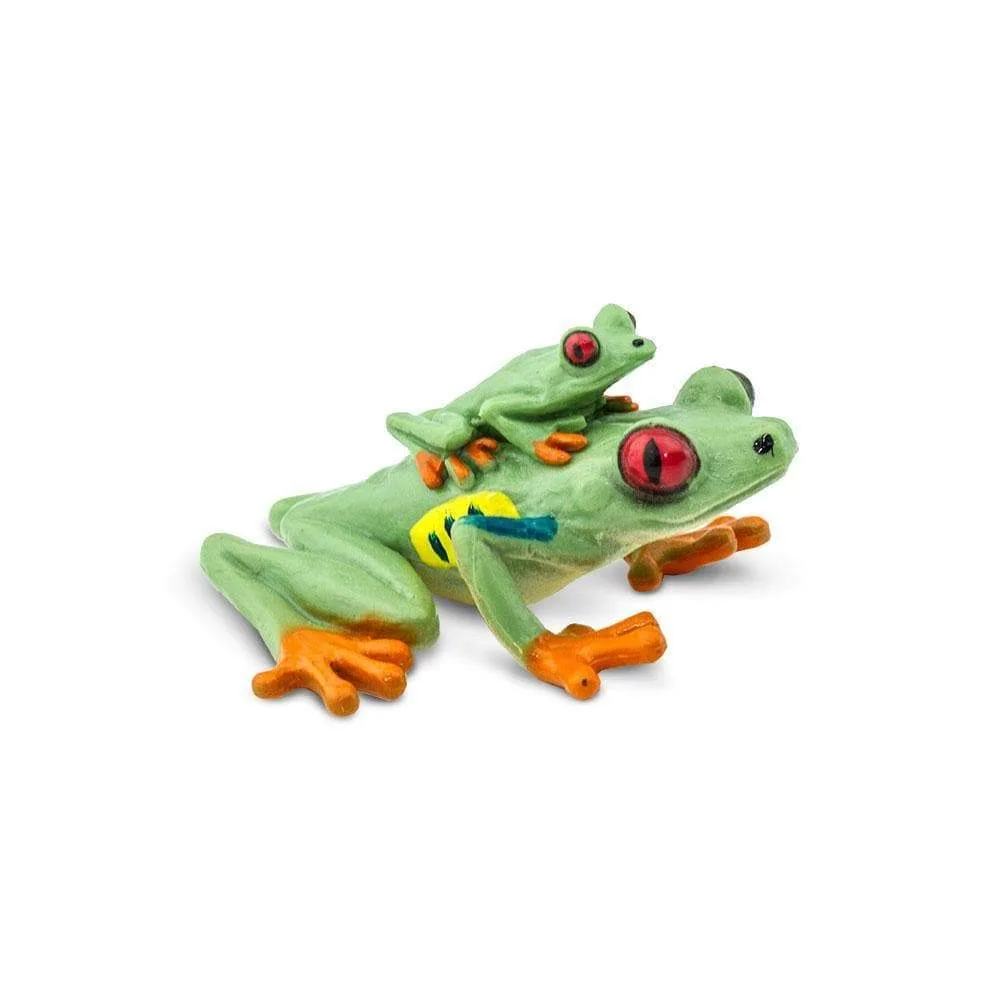
Red-eyed Tree Frog Toy
- Name the idea out loud: today we are testing balance.
- Change only one variable, such as adding one more block to the tower.
Use questions instead of instructions
Instead of showing your child the right way, ask what they think will happen. Will the tower hold if we add a triangle on top? Which side needs more support? When a build falls, ask what changed. This keeps the child in the role of engineer and gives you a clear view of their reasoning.
If your child gets stuck, offer a constraint rather than a solution. Ask them to use only four blocks, or to build something that can hold the frog figure without tipping. Constraints push early engineering toys to do their job: they make the problem interesting enough to solve.
- Wait five seconds after asking a question before jumping in.
- Write down one prediction and check it at the end of the session.
Add a second material for richer problems
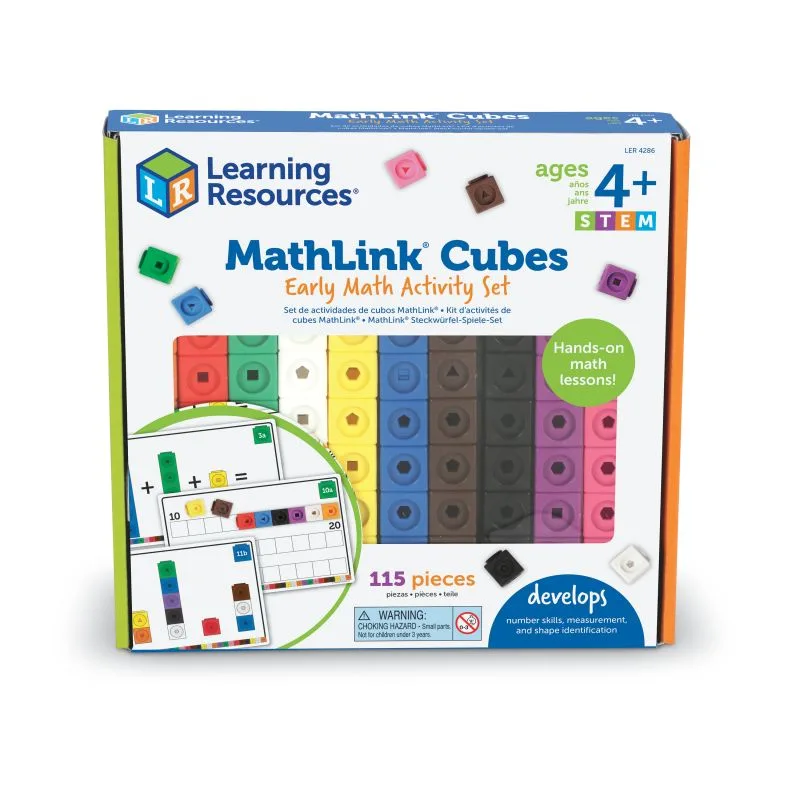
Once your child can build a stable tower and a simple bridge, add a second material that introduces a different kind of thinking. The MathLink Cubes Early Math Starter Set includes 100 cubes and 15 double-sided activity cards with 30 total math activities. The cubes snap together in a different way than magnetic blocks, so children have to compare how each system connects and holds.
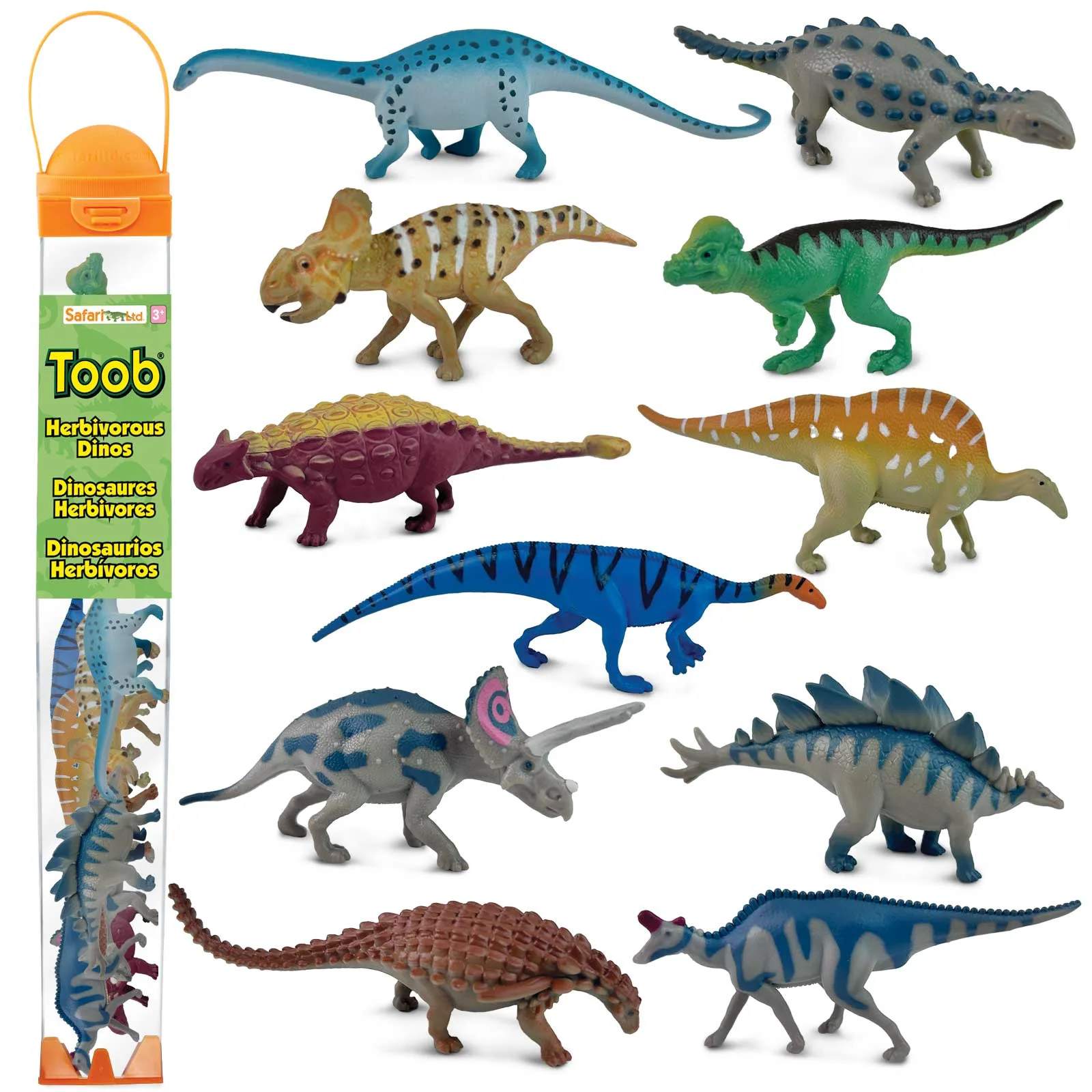
You can also use a themed set to give the engineering a story. The Herbivorous Dinos TOOB includes reusable packaging with a latching top and carry strap, and its plant-eating dinosaur figures cover long-necked sauropods, horned ceratopsians, armored stegosaurs and ankylosaurs, and duck-billed hadrosaurs. A child can build a block habitat or a ramp for one of the figures, which turns a structure test into a small world.
- Keep the second material nearby but separate so pieces do not mix.
- Ask which material makes a stronger joint and why.
Your step-by-step magnetic block routine
- Step 1: Start with one shape and one goal: Put out only squares or only triangles, then ask for a tower that stands for 10 seconds. Checkpoint: if your child can build and test a tower without help, move to step 2.
- Step 2: Add a second shape and a bridge challenge: Introduce a second shape and ask for a bridge that holds a small toy, such as the Red-eyed Tree Frog Toy. Checkpoint: if the bridge holds the toy for a slow count of five, move on.
- Step 3: Ask prediction questions before each change: Before adding or moving a block, ask what your child thinks will happen and why. Checkpoint: if your child offers a reason, not just a guess, the engineering habit is forming.
- Step 4: Add a second material for comparison: Bring in the MathLink Cubes Early Math Starter Set or a themed figure set to test how a different connection system changes the build. Checkpoint: ask which material made a stronger joint and let your child explain the difference.
- Step 5: End with a two-minute tidy and a next-time plan: Have your child sort pieces back into the tray or case, then name one thing to try next session. Checkpoint: a short, specific plan such as 'next time we build a taller bridge' keeps the routine going.
ToyTopia picks that support early engineering play
- MathLink Cubes Early Math Starter Set: Includes 100 MathLink cubes and 15 double-sided activity cards with 30 total math activities. The cards give you ready-made prompts when you want to connect block building to counting, patterns, and early math talk.
- Red-eyed Tree Frog Toy: Despite its colorful appearance, the red-eyed tree frog is not poisonous and relies on camouflage to hide from predators. A small, safe-feeling figure makes a good test load for bridges and enclosures, and it gives the build a clear purpose.
- Herbivorous Dinos TOOB®: Includes reusable packaging with a latching top and carry strap, and covers herbivorous dinosaur groups such as sauropods, ceratopsians, stegosaurs, ankylosaurs, and hadrosaurs. The portable case keeps small figures contained between sessions, and the variety of dinosaur shapes gives children different bodies to build ramps, pens, and shelters for.
- EUGY Owl 3D Puzzle: A 3D puzzle that can be assembled in 10 to 20 minutes and is designed for STEM concepts and craftable fun. It is a low-mess alternative when you want a short build with a clear finish line, and it helps children practice following a sequence before returning to open-ended block play.
Magnetic blocks do not need a curriculum to build early engineering skills. Start small, ask questions, and let the collapses teach. Keep one routine going for a few weeks, and you will see your child move from stacking to planning.