Quick answer
To use a needle threader on thick tapestry thread, first separate a single strand or ply if your yarn allows. Insert the wire loop through the needle eye, pass the thread through the loop, then pull the threader back through the eye gently. Never force a fat bundle of yarn through a fine wire loop—that bends the threader and frays the thread.
Why thick thread needs a different threading approach
Tapestry needles have large eyes, but thick yarn still creates friction. The wire loop on a standard needle threader is thin and flexible. When you try to pull a full strand of wool through, the loop can twist or snap. The fix is to reduce the bulk before threading: use one strand, or split a plied yarn into separate plies and thread them one at a time. This also prevents the yarn from bunching at the eye and keeps your stitch tension even.
When to skip the threader entirely
Some yarns are simply too thick for a wire threader. If your thread is wider than the needle eye, no threader will help. In that case, fold the yarn over the needle and pinch it flat, then slide the eye over the folded end. Or use a larger needle size. A threader is a convenience, not a requirement—forcing it leads to bent tools and damaged thread.
Step-by-step: threading thick tapestry thread
- Prepare your thread: Cut a fresh end at an angle. If your yarn is plied, separate one strand or ply. For single-strand silk or merino, use it as is. Checkpoint: the thread end should be narrower than the needle eye.
- Insert the threader: Push the wire loop through the eye of your tapestry needle. Hold the needle steady against a table if needed. Mistake to avoid: forcing the loop if it meets resistance—rotate the needle instead.
- Load the thread: Pass the prepared thread end through the wire loop. For very thick yarn, thread only half the strand to reduce bulk. Checkpoint: the thread should sit loosely in the loop, not jammed.
- Pull gently: Slowly pull the threader back out of the eye, bringing the thread with it. Use a steady, straight motion. Mistake to avoid: yanking—this bends the wire or snaps the thread.
- Adjust and stitch: Once the thread is through, pull a few inches so it doesn't slip out. Then thread your needle as usual. If the thread frayed, trim the end and try again with less bulk.
Product facts
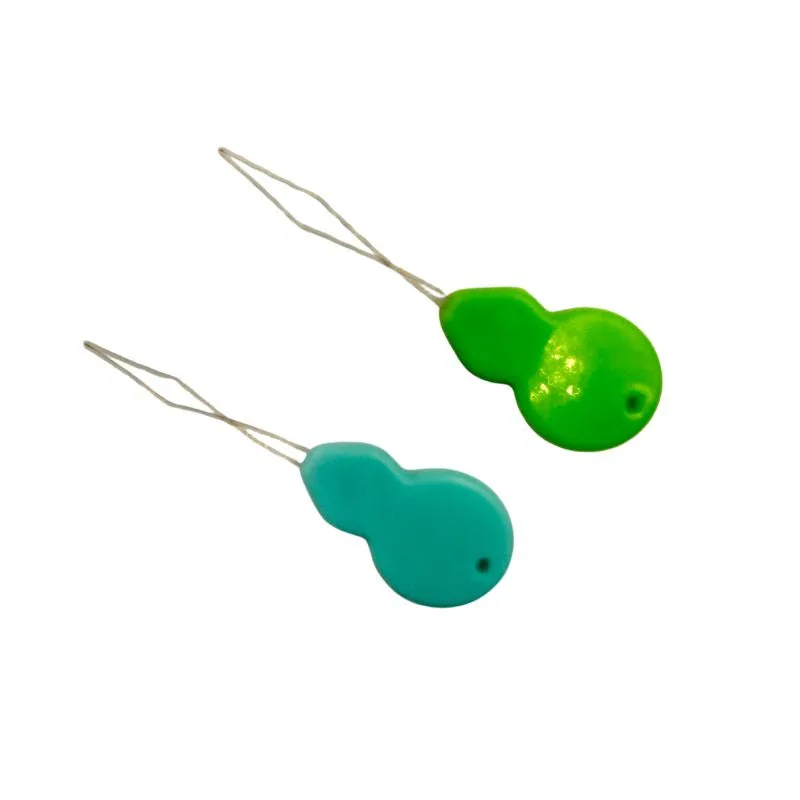
- Needle Threaders | Package of 2: Package contains two colorful plastic needle threaders for use with any needlepoint tapestry needle and thread. Having two means you can keep one with your project bag and one as a backup if a wire bends.
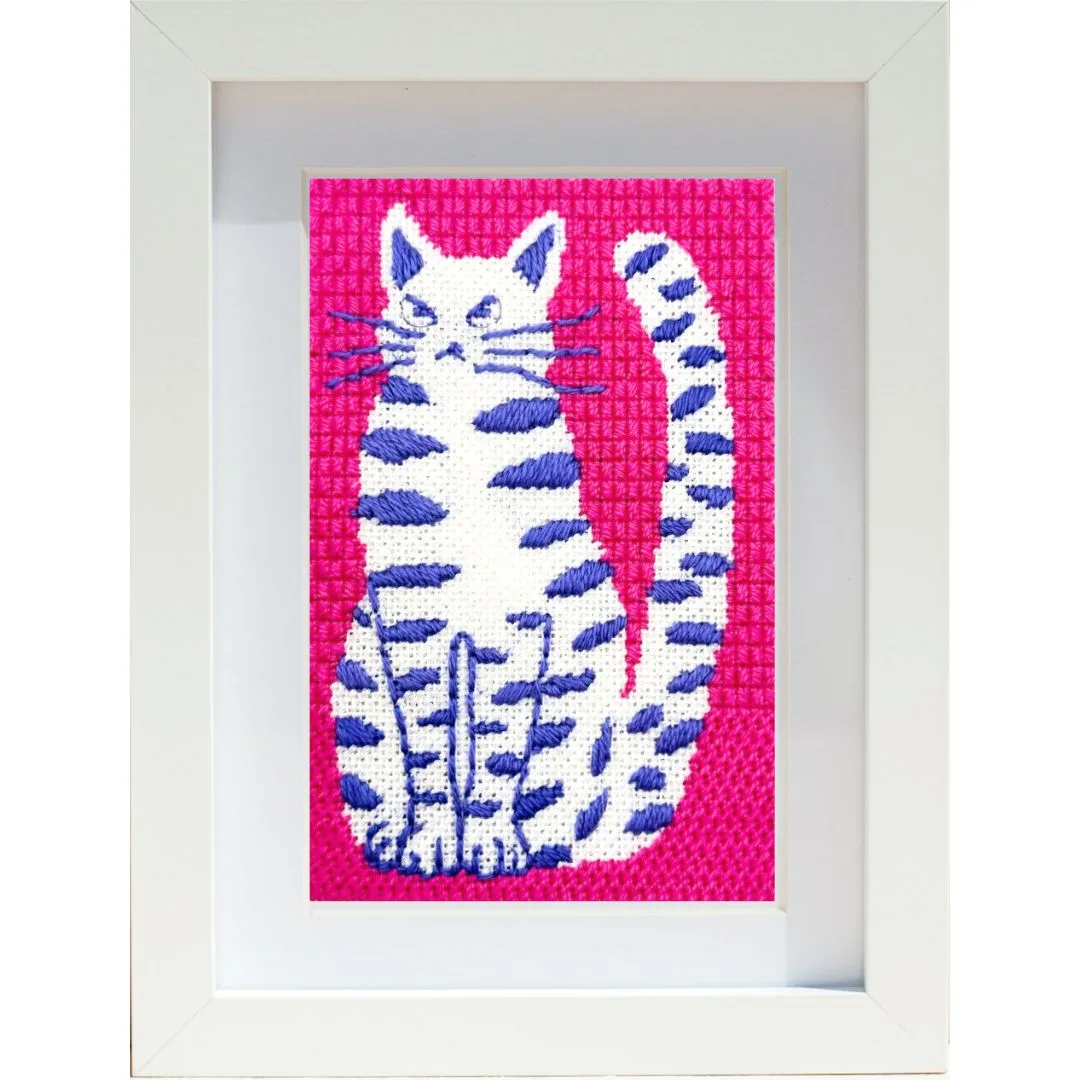
- The House Master Needlepoint Kit: The House Master Needlepoint Kit includes Pepperpot Silk threads to be used as a single strand, just as they come. Single-strand silk is easier to thread than bulky wool, so a threader works well without splitting.
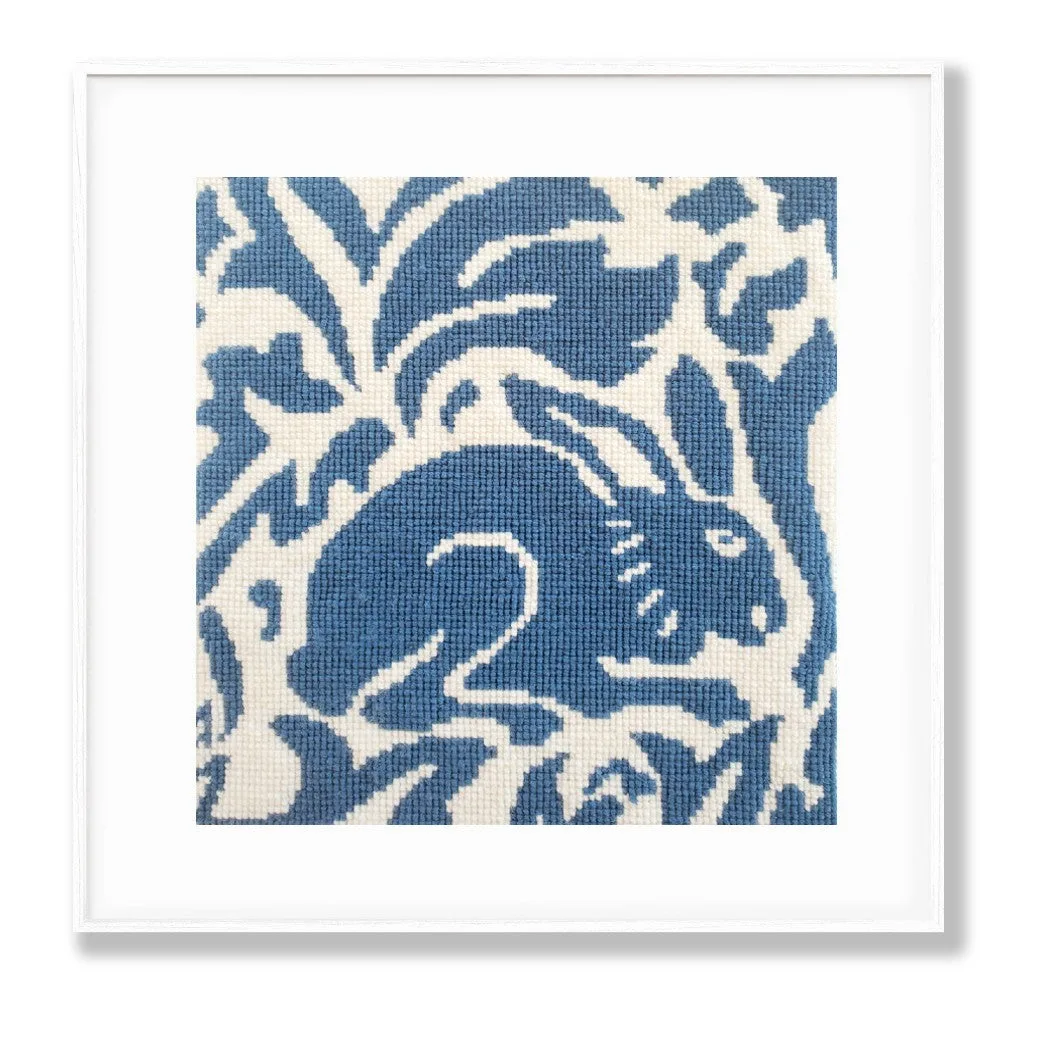
- Victorian Cross Stitch Needlepoint Kit Blue & Cream Rabbit: The Victorian Cross Stitch Needlepoint Kit Blue & Cream Rabbit uses Planet Earth merino wool yarns used single-ply, just as they come. Single-ply merino can be threaded directly, but if it fuzzes, a threader helps guide it cleanly through the eye.