Quick answer
Apply hair oil to the last few inches of damp or dry hair, never to the scalp, and start with a drop or two warmed between your palms. Focus on dry ends, mid-lengths only if they feel rough, and keep the product at least two inches from your roots. If your roots already look oily, skip the oil near your head entirely and apply it only below ear level.
Why oil travels to your roots (and how to stop it)
Most greasy-root complaints come from three habits: applying oil too close to the scalp, using too much product, or brushing oil upward through the hair. Hair oil is designed to sit on the strand surface, so it stays where you put it only if you place it deliberately. Warm one to three drops between your palms until they look slightly shiny, then press and smooth the oil onto the ends. Avoid rubbing your palms on the top of your head afterward, and never comb from ends to roots right after applying oil, because that drags product upward.
Damp or dry: when to apply hair oil
Damp hair absorbs oil more evenly and helps seal in moisture after washing, which makes it the better choice if your ends feel rough or frizzy. Dry hair is fine for a midday touch-up on split ends or for adding shine before styling. One practical checkpoint: if your hair is still dripping wet, blot it with a towel first. Water and oil do not mix well, and applying oil to soaking hair can leave a slick film that looks greasy even when you used very little.
How much oil is actually enough
Start smaller than you think you need. For fine or shoulder-length hair, one drop is often enough for both ends; for thick or long hair, two to three drops may be reasonable. You can always add more, but removing excess oil means washing your hair again. A useful checkpoint is the palm test: after warming the oil, your palms should feel lightly conditioned, not wet. If oil is pooling in your hands, you have too much for one application.
Scalp vs ends: keep the two zones separate
Your scalp produces its own oils, and the ends of your hair are the oldest, most weathered part of the strand. That is why hair oil for dry ends belongs on the ends, while scalp-focused products are a separate step. If you want to address scalp comfort or flakiness, use a product formulated for the scalp rather than pressing hair oil into your roots. Keeping the two zones separate is the simplest way to get hair oil without greasy roots.
Step-by-step: oil your ends without greasing your roots
- Start with clean or damp hair: Apply after washing and towel-blotting, or on fully dry hair for a touch-up. Avoid soaking-wet hair because oil sits on top of water and can look slick. Checkpoint: hair should feel damp, not dripping.
- Warm one to three drops between your palms: Dispense a small amount and rub your palms together until the oil is spread thin. More is not better; you can add a drop later if needed. Mistake to avoid: pouring oil directly onto your head, which concentrates it at the roots.
- Press and smooth onto the last few inches: Gather your ends and gently press the oil into the driest sections. Work upward only to mid-length if those areas feel rough, stopping at least two inches from your scalp. Checkpoint: roots should feel dry to the touch after application.
- Comb gently from mid-lengths to ends: Use a wide-tooth comb and start below ear level, working downward. Do not comb from roots to ends right after applying oil, because that pulls product up into the scalp. Mistake to avoid: brushing upward or flipping your head over, which spreads oil to the roots.
- Reapply only to dry ends, not the whole head: On later days, add a single drop to the driest tips if they look frayed. Leave the rest of your hair alone. Checkpoint: if roots look shiny or limp, you applied too high or used too much.
Product facts that matter for this routine
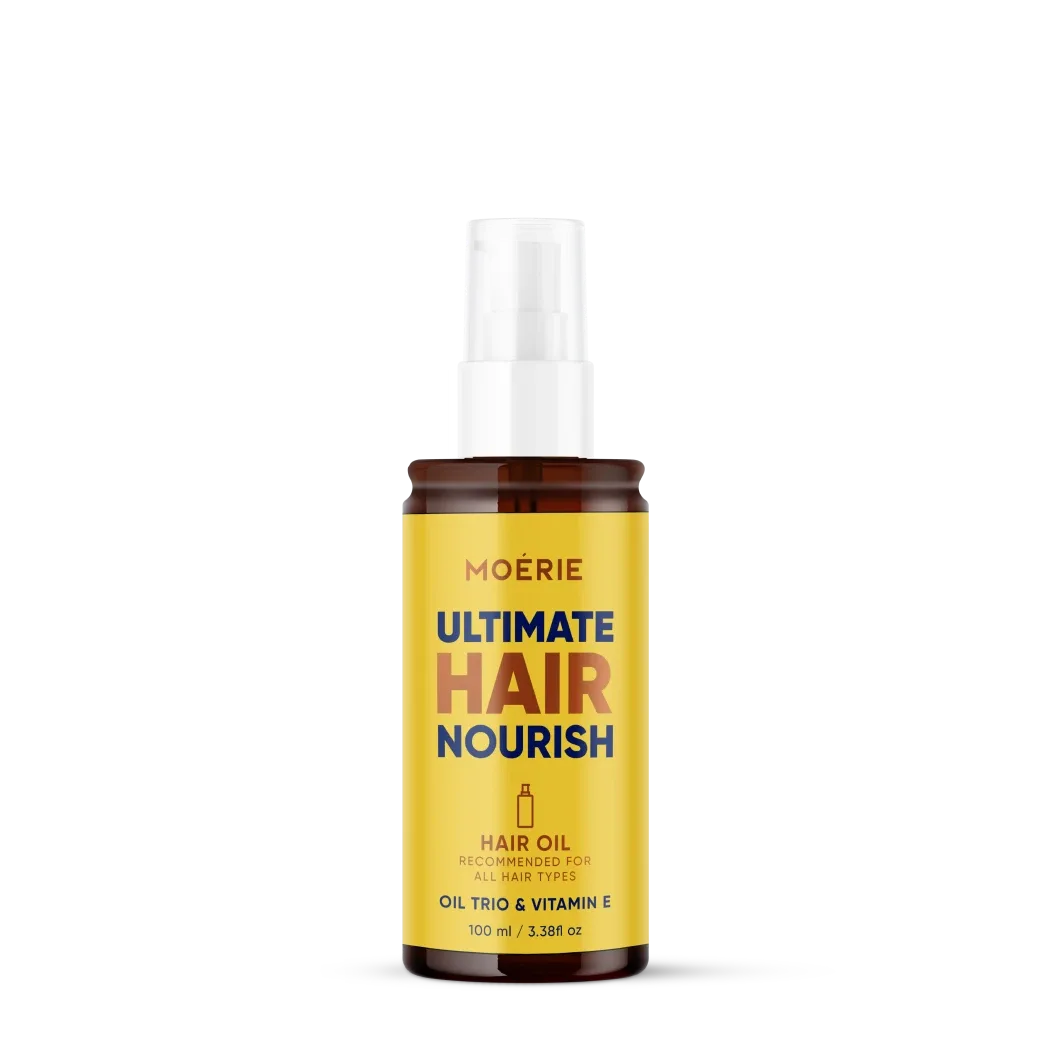
- Nourishing Hair Oil: Moérie Nourishing Hair Oil is a leave-in treatment that combines natural hemp, jojoba seed, and vegetable oils with vitamin E and silicones to help create a protective barrier around each strand and lock in moisture. A barrier-forming leave-in is best pressed onto ends and mid-lengths, not massaged into the scalp, so it protects dry ends without flattening roots.
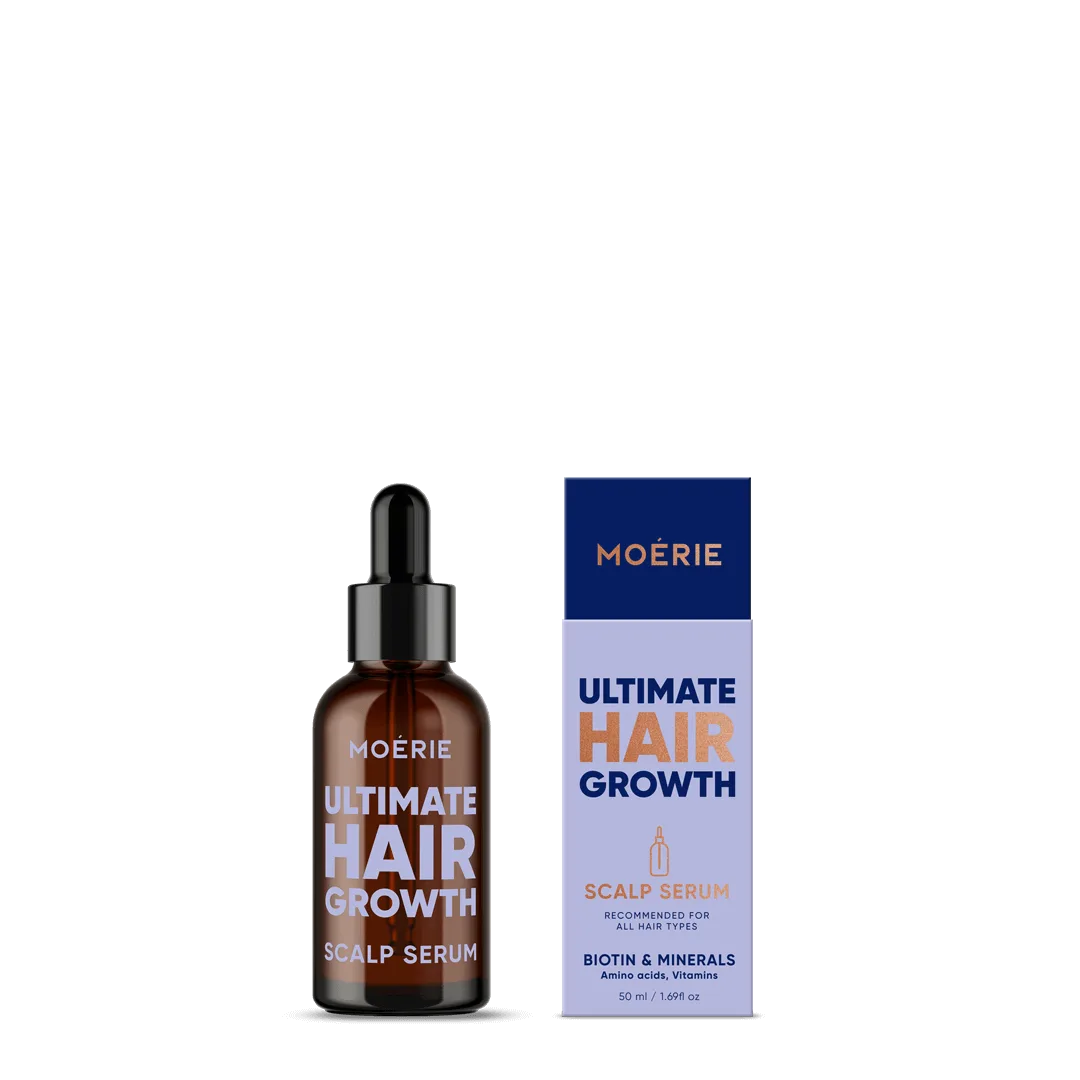
- Hair Boost Stimulating Scalp Serum: Moérie Hair Boost Stimulating Scalp Serum is formulated with amino acids, caffeine, fulvic acid, natural extracts, and menthol for a cooling sensation. If your goal is scalp care, use a dedicated scalp serum instead of hair oil near the roots, which keeps the oil routine focused on ends.