Quick answer
Use packing cubes by assigning each one a category, packing them full enough to hold their shape, and loading them into your Monos suitcase in a single layer with the heaviest cube over the wheel base. Match cube sizes to your luggage size, keep one cube for laundry, and unpack by lifting cubes out rather than digging through loose items.
Packing cubes only work when they match how you actually travel. The goal is not to own more organizers; it is to make your suitcase predictable, so you can find a charger without unpacking a week of clothes.
This guide walks through a repeatable process for using packing cubes with Monos luggage, including how to pick sizes, what to put in each cube, and the mistakes that make a suitcase harder to close. If you are new to cubes, start with two or three and add more only when a specific trip calls for it.
Choose cube sizes that match your Monos luggage
Start by matching cube dimensions to your suitcase, not to your closet. A carry-on typically holds one large cube plus two small or medium cubes; a checked case can take two large cubes side by side with room for shoes and a toiletry case. If you own multiple Monos bags, keep one cube set per bag so you are not re-sorting before every trip.
Monos does not publish a universal cube-to-case size chart, so measure your suitcase's interior length and width before buying. Lay the cubes out flat inside the case at home. If they overlap or leave a large gap along one wall, adjust the mix rather than forcing the zipper.
- Test-fit cubes in an empty suitcase before your first trip.
- Keep one small cube free for dirty laundry or wet items.
- Avoid buying a full set until you know which sizes you actually fill.
Assign one category per cube
Give every cube a job: tops, bottoms, underwear and socks, or gear. Category packing beats day-by-day packing for most trips because you can find one item without emptying the whole case. If you prefer day-by-day bundles, use small cubes and label them with a sticker or tag.
Write the category on a removable label or use different cube colors. This matters most when you travel with a partner or family, because it makes it obvious whose cube is whose and stops clothes from migrating across the suitcase.
- Keep electronics and cables in their own pouch, not a clothing cube.
- Use a dedicated cube for shoes so soles never touch fabric.
- Re-check categories after each trip and merge any cube you never open.
Pack each cube with the right folding method
Roll knitwear, t-shirts, and casual pants to reduce creases and fill the cube evenly. Fold structured items, like a blazer, and place them flat on top of a cube rather than inside it. Fill each cube to roughly 80 to 90 percent capacity: too loose and clothes shift, too full and the zipper strains.
Use the cube's compression zipper, if it has one, only after the cube is closed. Compressing before the main zipper is shut puts pressure on the seams. If a cube has no compression zipper, do not sit on it to force it flat; move the excess into a second cube or leave it out.
- Roll casual clothes, fold structured ones.
- Close the cube before using any compression zipper.
- Keep a small cube for items you will need on the plane.
Load cubes into the suitcase in a single layer
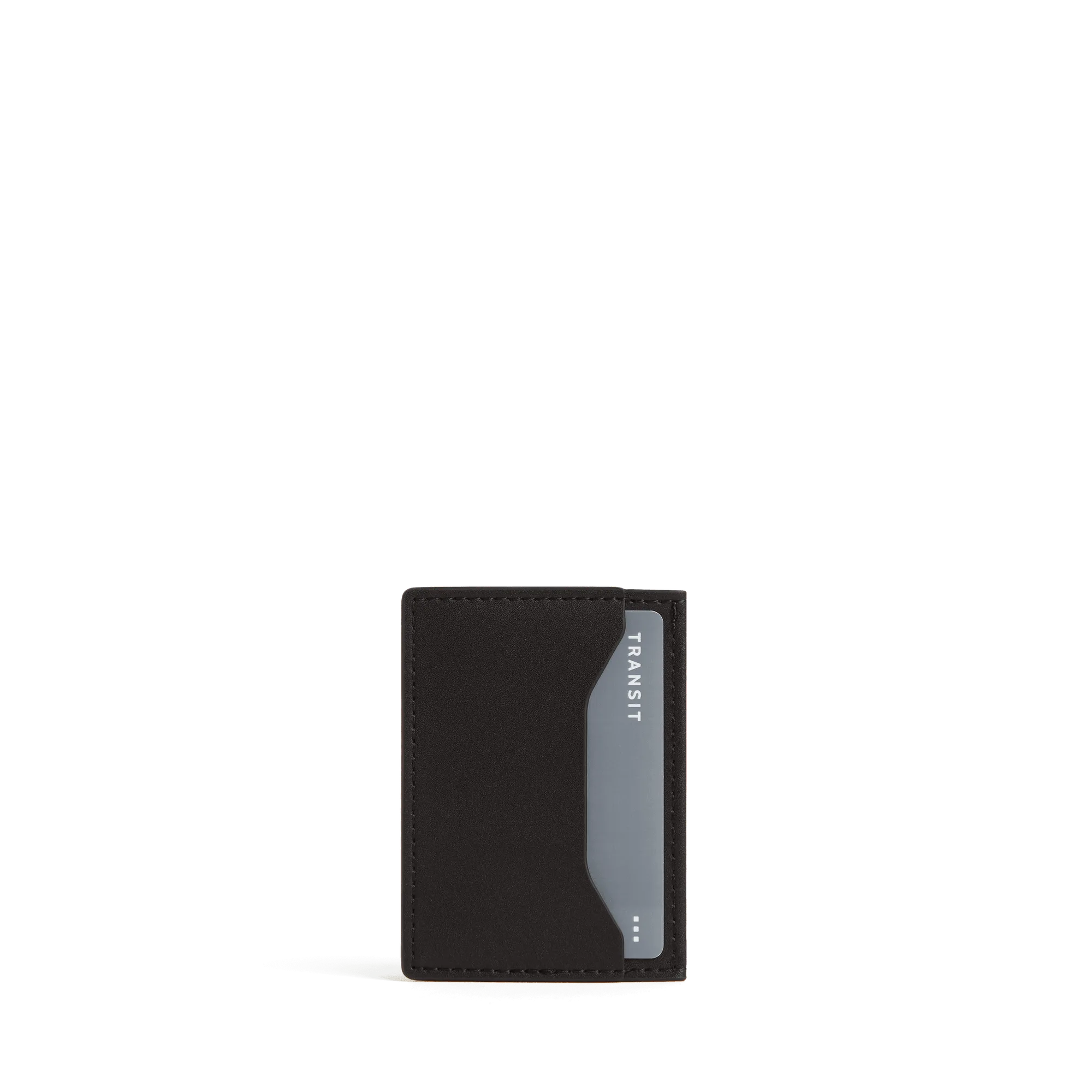
Place the heaviest, densest cube over the wheel base and work upward. A single layer of cubes is easier to scan and repack than a stacked pile. Fill gaps along the sides with small items like a Slim Wallet or a Travel Jewelry Case so nothing slides during transit.

Travel Jewelry Case
Keep the items you need first, such as a charger or a light layer, in the top cube or in an exterior pocket. If your suitcase has a compression panel, close it after the cubes are in place, not before, so the panel presses the whole load evenly.
- Heaviest cube over the wheels, lightest near the top.
- Fill side gaps so cubes cannot shift.
- Put the cube you will open first nearest the lid.
Use cubes with Monos accessories for a complete system
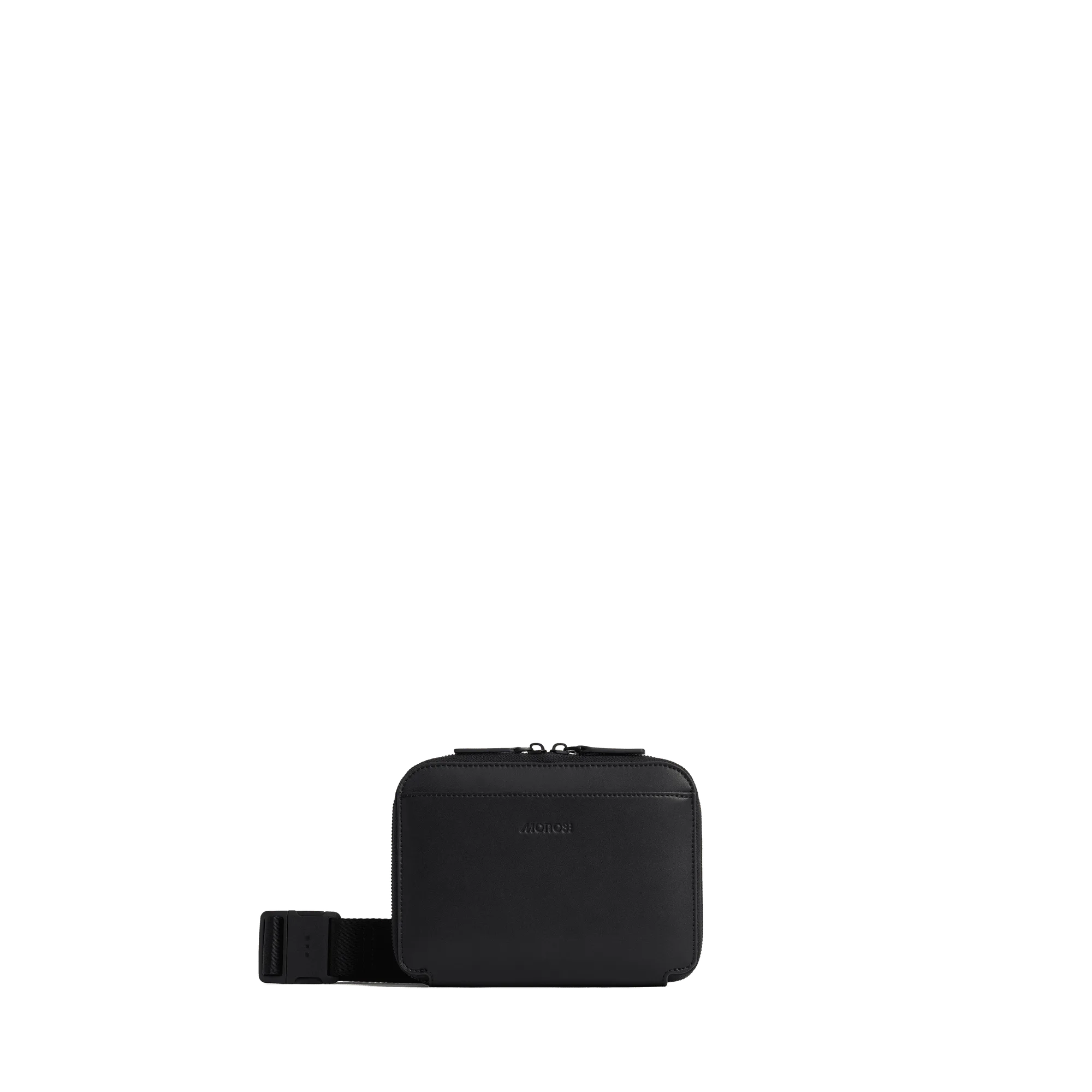
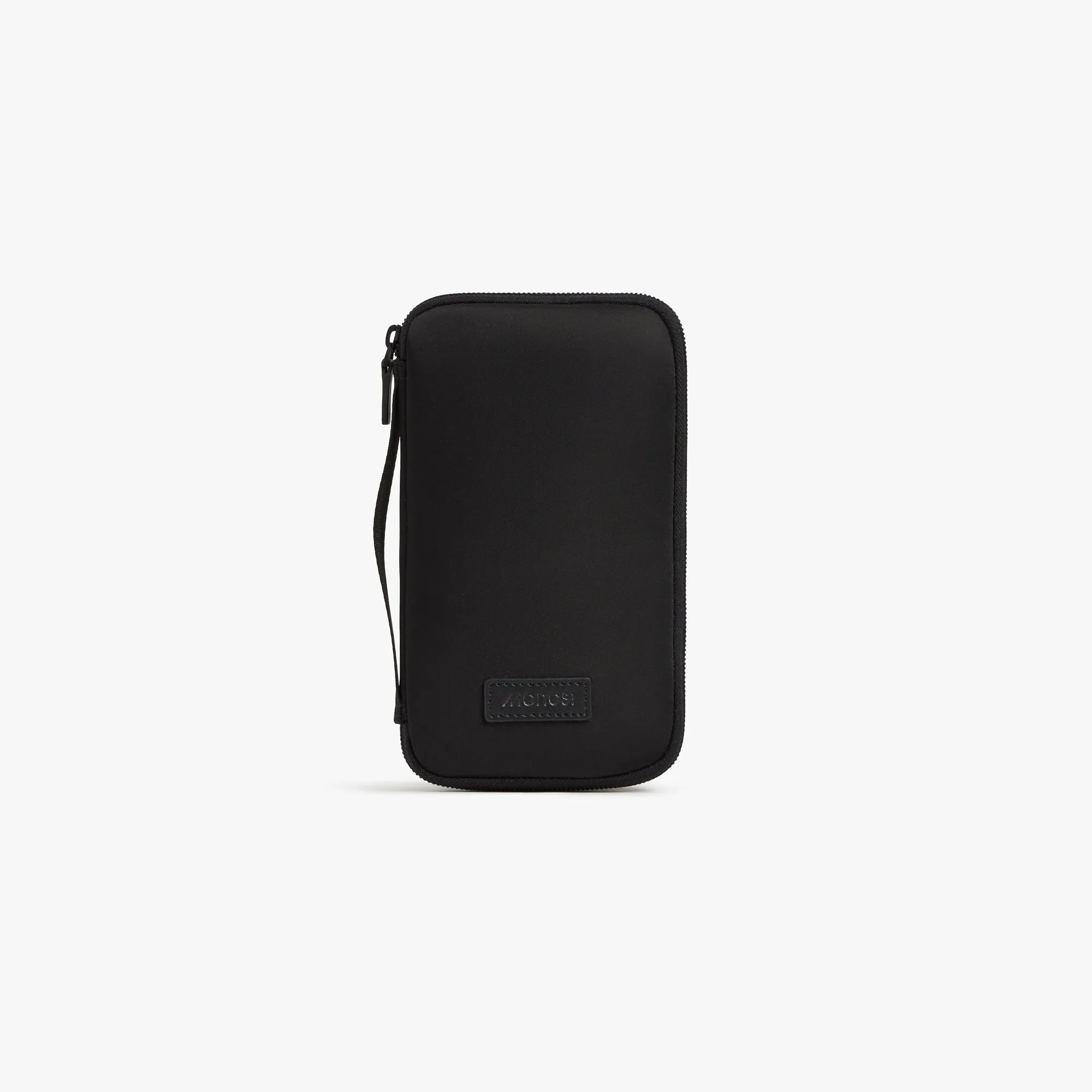
Packing cubes handle clothing, but they do not organize small valuables or documents. Pair them with a Metro Travel Wallet for passports and cards and a Travel Jewelry Case for rings and earrings, so those items stay in one place instead of loose in a pocket. A Metro Belt Bag can hold the items you want within reach during transit.
If you check a hard-shell suitcase, a Washable Luggage Cover adds protection against scuffs and dirt without changing how the cubes fit inside. Add it only if you check bags regularly; for carry-on-only travel, the cover is optional.
- Keep documents in a wallet, not a clothing cube.
- Use a jewelry case for small items that would otherwise rattle loose.
- Add a luggage cover only if you check your bag often.
Unpack and reset the system after each trip
At your destination, lift cubes out rather than unpacking item by item. Place them in a drawer or on a shelf; the cube becomes the drawer. This is the main benefit of a travel packing system: you unpack in under a minute and repack just as fast.
Before you store your suitcase, empty every cube, wipe the interiors, and note which categories you never used. Drop one cube from your next trip if it stayed full and untouched. A packing system should shrink over time, not grow.
- Lift cubes out whole at the hotel.
- Empty and air out cubes before storing them.
- Remove any cube you did not open on the last trip.
Your packing cube routine, step by step
- Measure and test-fit cube sizes: Lay your cubes flat inside the empty Monos suitcase and adjust the mix until they sit in one layer without overlapping. Checkpoint: if the zipper needs force to close, remove a cube.
- Assign one category per cube: Label each cube for tops, bottoms, socks and underwear, or gear, and keep a separate pouch for electronics. Checkpoint: every cube should have a name you can say out loud.
- Pack to 80 to 90 percent full: Roll casual clothes, fold structured pieces, close the cube, then use any compression zipper. Checkpoint: a cube that bulges at the seams is overpacked.
- Load heaviest cube over the wheel base: Build a single layer, fill side gaps with small items, and close the suitcase compression panel last. Checkpoint: nothing should shift when you tilt the closed case.
- Add wallets and cases for small items: Use a Metro Travel Wallet for documents and a Travel Jewelry Case for jewelry so they stay out of clothing cubes. Checkpoint: valuables live in one known place, not in a pocket.
- Unpack by lifting cubes out: Place cubes directly into a drawer or on a shelf at your destination, then repack the same way on the return leg. Checkpoint: drop any cube you never opened from the next trip.
Monos products that support a cube-based packing system
- Metro Travel Wallet: Built from water-resistant nylon twill with vegan leather details, it has a dedicated passport pocket, 8 card slip pockets, a zippered pocket for sim cards, coins, and currency, and an elastic pen loop. Keeps passports, cards, and small documents in one place so they do not end up loose in a clothing cube.
- Travel Jewelry Case: A modular design with removable earring and ring panels, plus a removable vegan leather pouch, and it is compact enough to fit into a purse or luggage. Gives earrings, rings, and small watches a fixed spot in the suitcase instead of rolling around between cubes.
- Washable Luggage Cover: Crafted from MonoWeave, a durable high-abrasion polyester, with cutouts for handles and wheels and a hook-and-loop closure at the base. Protects a checked hard-shell suitcase from scuffs and dirt, which matters if you check the bag your cubes are packed in.
- Slim Wallet: A streamlined cardholder with three compartments, one external and two internal, made from scratch and water-resistant vegan leather. Fits into a side gap in the suitcase or a belt bag, so everyday cards stay separate from travel documents.
Packing cubes work best when they match your suitcase and your habits, not when you buy the biggest set available. Start with two or three cubes, give each one a category, and load them in a single layer. Adjust after every trip, and the system gets faster each time you travel.