Quick Answer
Paper tea filters are a simple, disposable way to brew loose leaf tea without a infuser. To use them, place the filter in your cup, add 1-2 teaspoons of tea, fold the top over, and pour hot water over it. Steep for the recommended time, then remove and discard the filter.
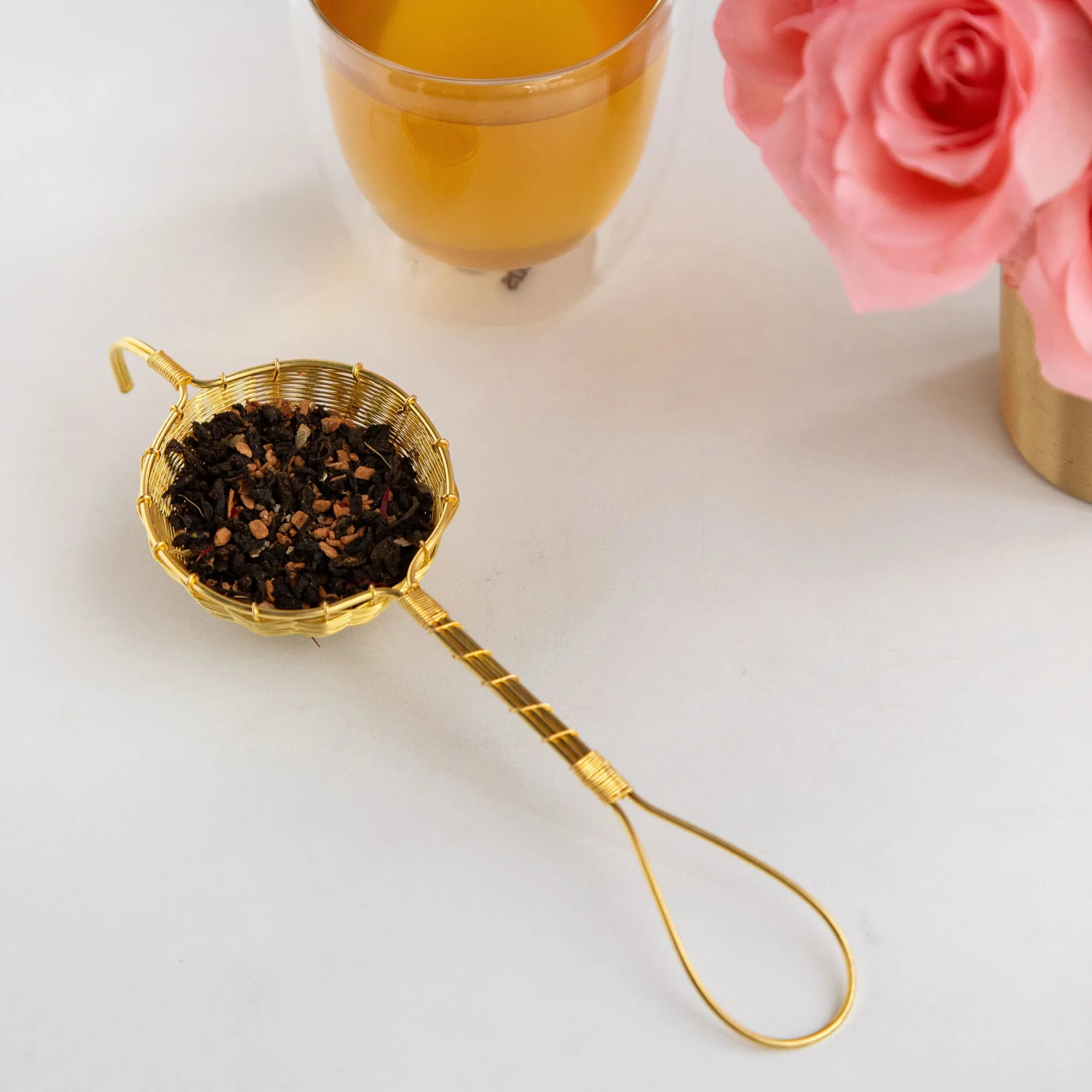
Brewing loose leaf tea with paper filters is one of the easiest ways to enjoy a clean, full-flavored cup without needing a teapot or infuser. These disposable filters are affordable, portable, and work with nearly any mug or teapot. Whether you're new to loose leaf tea or just want a fuss-free method, paper filters offer a practical solution.
In this guide, we'll walk you through the steps of using paper tea filters, from choosing the right size to brewing and disposal. You'll also learn common mistakes to avoid, so you can get the most flavor from your tea leaves every time.
Choosing the Right Paper Tea Filter
Paper tea filters come in various sizes and shapes, including flat sheets, pouches, and pre-folded bags. The most common type is a flat, round or square filter that you fold yourself. When choosing a filter, consider the size of your teapot or mug. A filter that is too small will restrict the tea leaves from expanding, resulting in a weaker brew. A filter that is too large may be awkward to fold and close.
Also, think about the type of tea you plan to brew. Finely broken leaves, like those in some black teas, may need a finer filter to prevent small particles from escaping into your cup. Whole-leaf teas and herbal blends can use a larger, more open filter. If you're unsure, start with a standard size that fits most mugs and teapots.
- Check the filter dimensions against your mug or teapot opening before buying.
- For fine teas, look for filters with a tighter weave or a lining.
Preparing the Filter and Adding Tea
Start with a dry, clean mug or teapot. Open the paper filter and shape it into a basket or pouch, depending on its design. If it's a flat sheet, fold it into a cone or cup shape, making sure the seams are secure. Place the filter in your brewing vessel, with the top edge draped over the rim so it stays in place.
Add loose leaf tea to the filter. A general guideline is one teaspoon of tea per 8 ounces of water, but adjust based on the tea type and your taste preference. For denser teas like rooibos, you might use slightly less. Avoid overfilling the filter; leaves need room to expand as they steep, so leave about half an inch of space at the top.
- Use a kitchen scale for consistent measurements if you're precise about strength.
- For herbal blends with large pieces, break them slightly to fit better.
Folding and Securing the Filter
Once the tea is in the filter, fold the top edges over to close it. This prevents leaves from floating out and keeps the filter secure. If your filter has a drawstring or adhesive tab, use that to seal it. For flat filters, fold the top over twice to create a tight seal. Make sure the filter is still positioned so the tea is fully submerged in water.
A common mistake is not folding the filter enough, allowing tea leaves to escape into the cup. Another is folding too tightly, which prevents water from flowing through the leaves. Aim for a snug but not tight closure, and ensure the filter is centered in the mug so it doesn't tip over.
- If using a teapot, drape the filter over the spout or rim, depending on the design.
- Test the seal by gently shaking the filter before adding water.
Brewing and Steeping
Pour hot water over the tea in the filter, using the temperature appropriate for the tea type. For green tea, use water around 175°F (80°C). For black tea, use fully boiling water at 212°F (100°C). Herbal teas and rooibos can also handle boiling water. Check the tea's packaging for specific steeping times and temperatures.
Let the tea steep for the recommended duration, usually 3-5 minutes for black tea, 2-3 minutes for green, and 5-7 minutes for herbal blends. Avoid over-steeping, which can make the tea bitter. If you prefer a stronger cup, add more tea leaves rather than steeping longer.
- Set a timer to avoid over-steeping.
- Stir the tea gently once or twice to ensure even extraction.
Removing and Disposing of the Filter
After steeping, carefully lift the filter out of the mug or teapot. Use a spoon to press it against the side to squeeze out excess liquid, but be careful not to tear the paper. Allow the filter to drain briefly before discarding. Paper filters are compostable, so you can add them to your compost bin if you have one.
A common mistake is leaving the filter in the tea while you drink, which can over-extract and make the tea bitter. Always remove the filter once the steeping time is up. If you're brewing multiple cups, you can reuse the same filter for a second steep, but expect a weaker flavor.
- Let the filter cool before handling to avoid burns.
- If composting, tear the filter open to speed up decomposition.
Step-by-Step Guide to Using Paper Tea Filters
- Choose the right filter size: Pick a paper filter that fits your mug or teapot, allowing room for tea expansion. Check the dimensions before buying to avoid a poor fit.
- Place the filter in your brewing vessel: Shape the filter into a basket or cone and drape the top over the rim to hold it in place. Ensure the filter is stable and won't tip over.
- Add the loose leaf tea: Use about one teaspoon per 8oz cup, leaving space for the leaves to expand. Adjust the amount based on tea type and taste preference.
- Fold and seal the filter: Fold the top edges over to close the filter, ensuring a snug but not tight seal. A secure fold keeps leaves in and allows water to flow through.
- Pour hot water and steep: Use the correct water temperature for your tea and steep for the recommended time. Set a timer to avoid over-steeping and bitterness.
- Remove and dispose of the filter: Lift the filter out, drain briefly, and compost or discard. Always remove the filter after steeping to prevent over-extraction.
Product Recommendations for Better Brewing
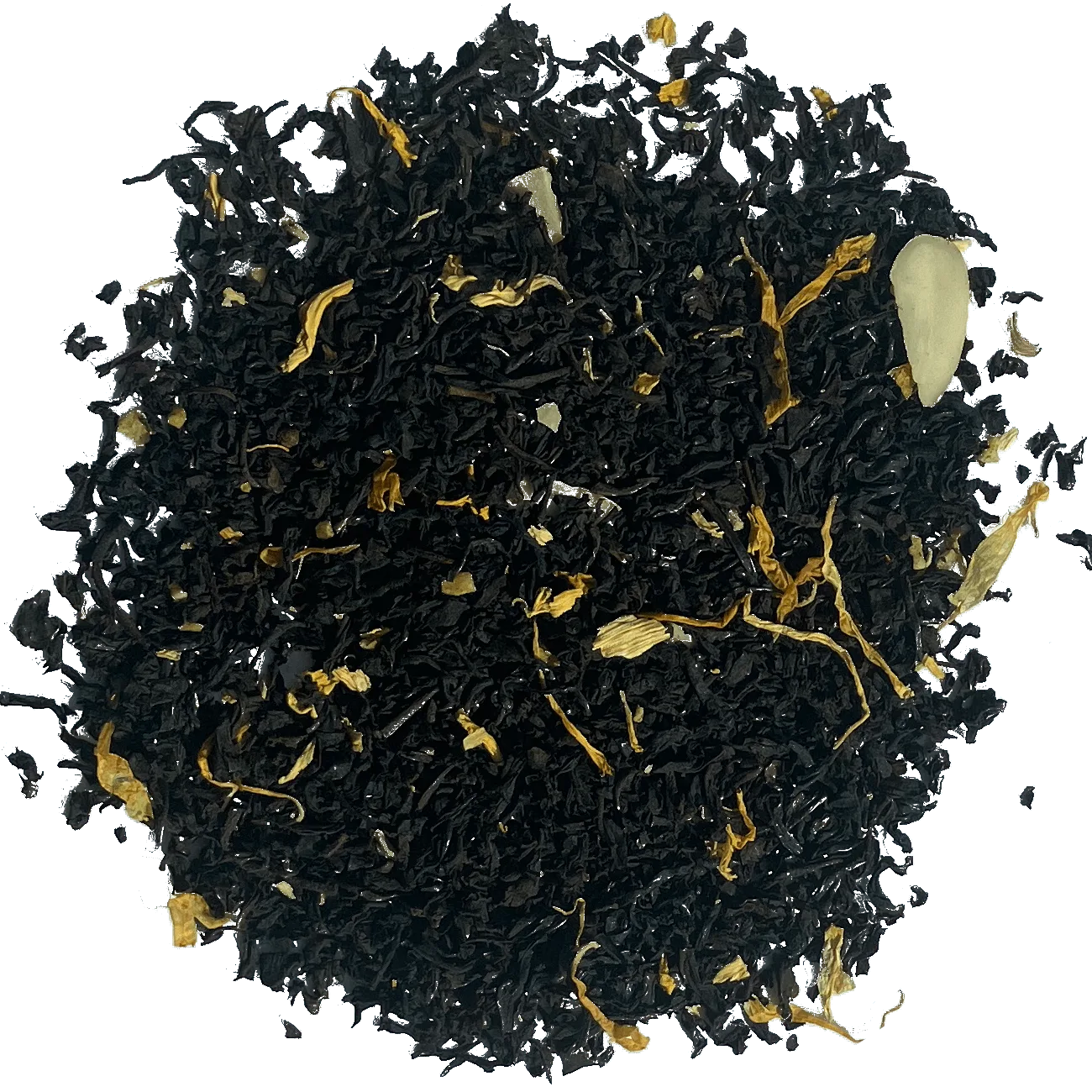
- Snowflake: A dessert tea, without the calories, contains coconut flakes, almond, vanilla and black tea. Caffeine Content: 35-40 mg per 8oz cup. This loose leaf black tea is perfect for paper filters, as the larger leaves and flakes expand nicely during steeping, giving you a rich, flavorful cup without any mess.
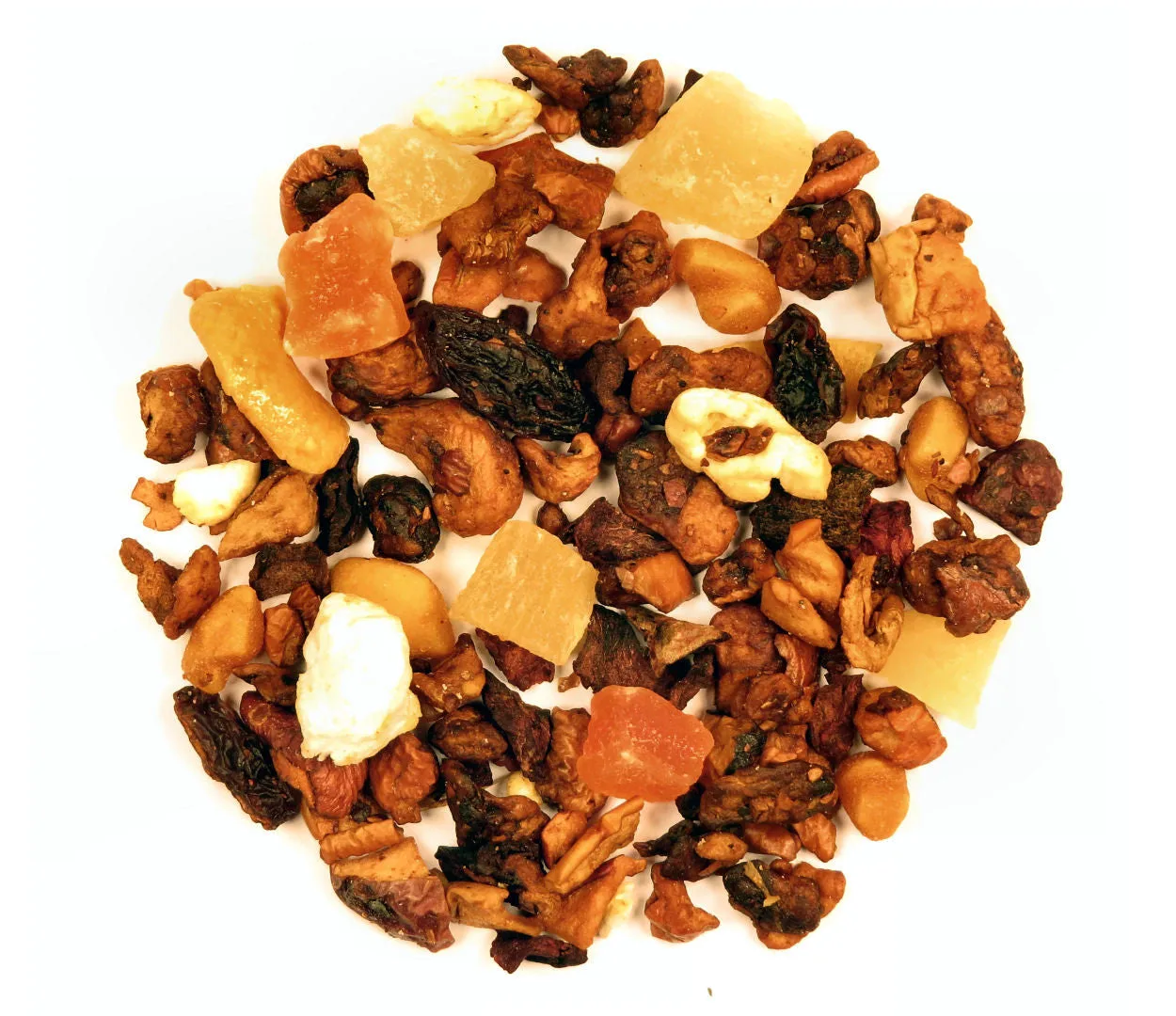
- Gingerbread House: The smell of roasted almond, sweet papaya and cinnamon sweeps you away with family and friends to a familiar place, warm and loving. This herbal blend has larger pieces that benefit from a roomy paper filter, allowing the flavors to infuse fully. It's a great choice for cozy, spiced cups during the holidays.
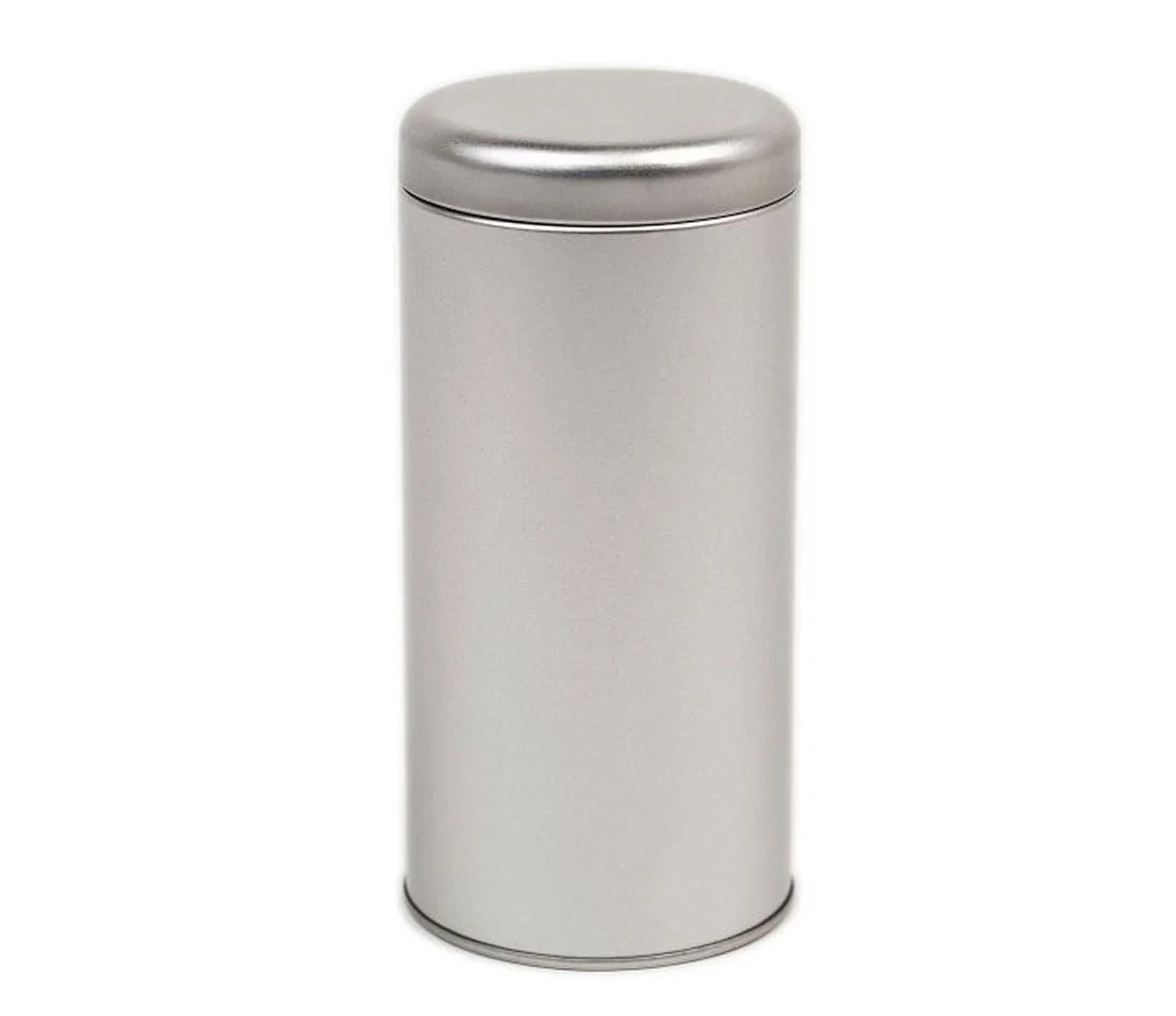
- Silver Tea Canister: Rounded tins for a sleek classic tea look. Round tins feature a unique flavor-capture lid. Capacity: 100 grams or 3.5 ounces. Store your loose leaf tea in an airtight canister to keep it fresh, so every cup brewed with your paper filter tastes its best.
Paper tea filters are a straightforward, eco-friendly way to brew loose leaf tea without extra equipment. By following these steps, you'll get a clean, flavorful cup every time. Experiment with different teas and find your perfect brew. Happy sipping!