Quick Answer
For most loose leaf drinkers, a pack of disposable drawstring filters offers the best balance of convenience and flavor. If you prefer zero waste, a reusable metal or silicone strainer is the better long-term choice.
Paper vs. Reusable: The Core Trade-Off
Paper filters (like the drawstring style) are single-use, compostable, and require zero cleanup. They're ideal when you want to brew quickly without rinsing a strainer. The downside: you need to keep buying them.
Reusable filters—metal mesh, silicone, or cloth—cost more upfront but last for years. They also let more water flow through, which can extract flavor differently. The catch: they need thorough rinsing after every use, and fine tea dust may slip through some meshes.
Size and Fit Matter More Than You Think
A filter that's too small for your mug or teapot will either overflow or force you to use less leaf than you'd like. Most drawstring filters fit standard 8–12 oz mugs, but if you brew in a large pot or a tall travel tumbler, check the dimensions.
Reusable basket strainers usually come in standard sizes for teapots, but some have a hook that fits over the rim of a mug. If you switch between vessels often, a universal-size drawstring filter is more flexible.
Flavor and Clarity: What to Expect
Paper filters absorb some of the essential oils in tea, which can mute delicate flavors—especially in white or green teas. Reusable metal filters let those oils pass through, giving a fuller-bodied cup but also allowing more sediment.
If clarity matters to you (for example, when serving guests or photographing your brew), a finer paper filter will produce a cleaner liquor. For everyday drinking, most people won't notice the difference.
Your Decision Rules for Choosing a Tea Filter
- Choose disposable drawstring filters if...: You want zero cleanup, brew one cup at a time, and don't mind buying refills. They're also great for travel or office use where rinsing a strainer is impractical. Look for unbleached, compostable options to reduce waste.
- Choose a reusable metal strainer if...: You brew multiple cups daily, want to minimize waste, and prefer a fuller-bodied cup. A fine-mesh stainless steel basket or infuser ball works well for most leaf sizes. Rinse immediately after use to avoid stubborn stains and odors.
- Choose a silicone or cloth filter if...: You want a flexible option that fits different mugs and is easier to clean than metal mesh. Silicone collapsible filters are portable, while cloth (cotton or muslin) gives a clean cup with minimal oil absorption. Cloth filters need to be thoroughly dried between uses to prevent mold.
Product Spotlight
-
David's Tea Filters Pack of 200: These eco-friendly DAVIDsTEA Filters are compostable and chlorine-free, designed exclusively in-house with a drawstring closure. You get the convenience of a pre-packaged sachet with the freedom to use your own loose leaf blend, and you can compost the used filter afterward.
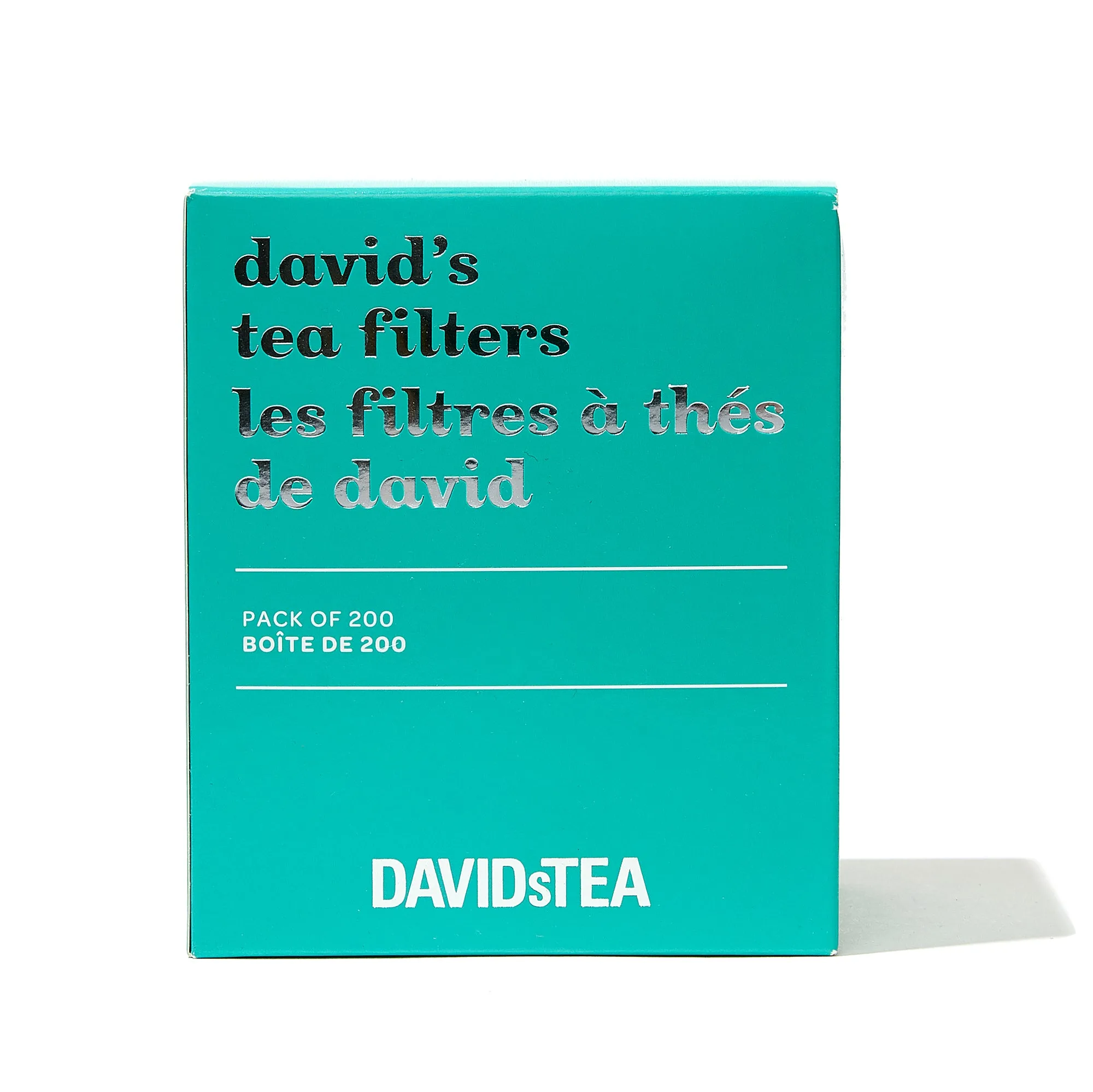
David's Tea Filters Pack of 200
Which Filter Is Right for You?
Best For
- Busy daily drinkers who want quick, mess-free brewing with disposable drawstring filters
- Eco-conscious tea lovers who prefer a long-lasting reusable metal or silicone strainer
Not Ideal For
- Anyone who wants to brew very fine tea powders (like matcha) — no filter works well; use a whisk instead
- Travelers who need an ultra-compact option — a collapsible silicone filter is better than a bulky basket