Quick answer
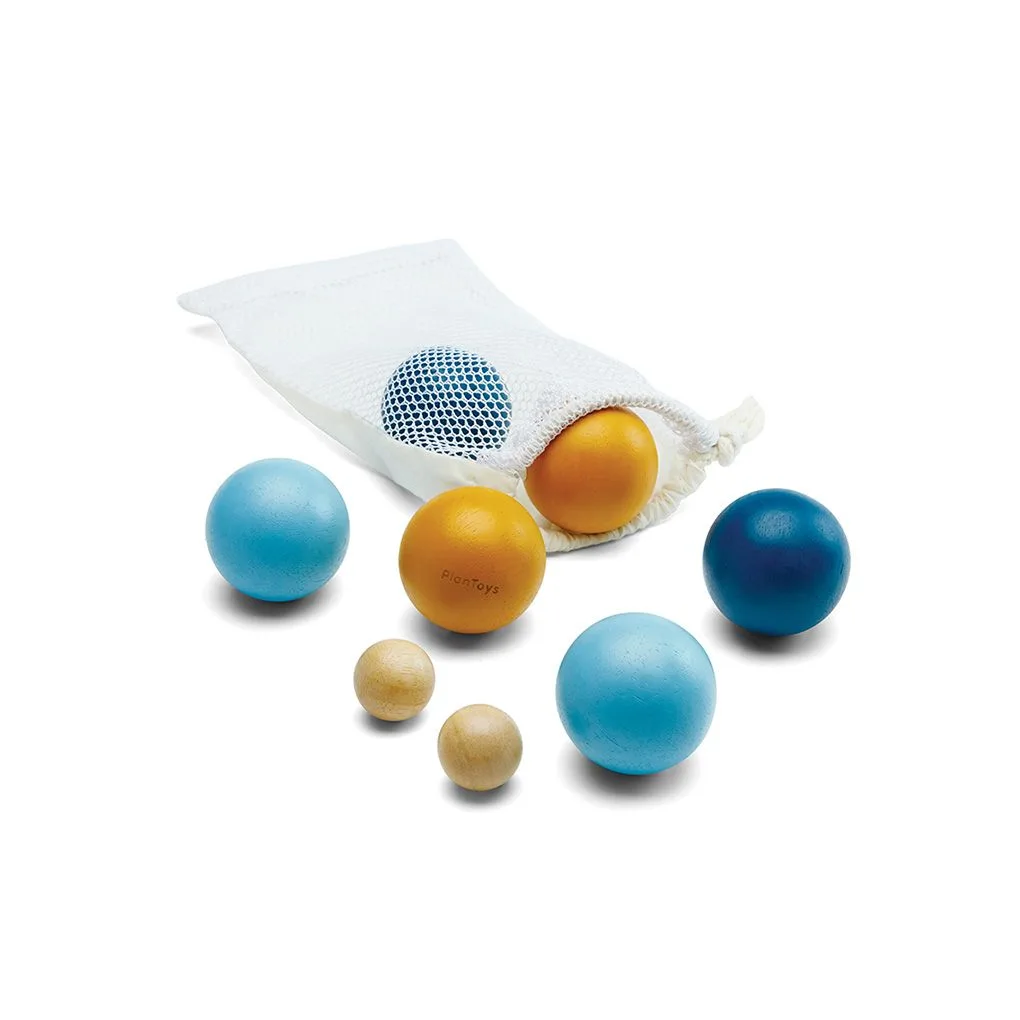
Use Patience Pebbles as a hands-on waiting tool: give your child a small set to stack, sort, or pass during short waits, then gradually increase the delay before their turn. Start with 30-second turns, name the feeling of waiting out loud, and keep the pebbles accessible in a calm-down corner so kids can reach for them independently.
Why waiting is hard for young kids (and how pebbles help)
Waiting requires executive function skills that are still developing in early childhood. Patience Pebbles give children something concrete to do with their hands while they wait, which reduces the urge to interrupt or grab. The pebbles are designed for sensory play—stacking, sorting, and exploring—so the act of waiting becomes a quiet activity rather than a punishment.
Set up a turn-taking routine with pebbles
Before you introduce pebbles to a group, practice with one child. Place a small bowl of pebbles between you. Explain that each person gets a turn to stack one pebble while the other watches. Use a visual timer or count out loud. After each turn, the waiting child holds a single pebble as a 'waiting stone'—a tangible reminder that their turn is coming. This works well for turn taking activities for kids because it makes the abstract concept of waiting physical.
Use pebbles during everyday waiting moments
Keep a small pouch of Patience Pebbles in your bag or car. When you hit a natural wait—doctor's office, sibling's soccer practice, or while dinner finishes cooking—offer the pebbles as a quiet challenge: 'Can you stack all five before I call you?' This turns waiting skills for children into a game. Avoid using the pebbles as a reward for good behavior; instead, present them as a tool your child can choose to use.
Pair pebbles with other calming tools for bigger feelings
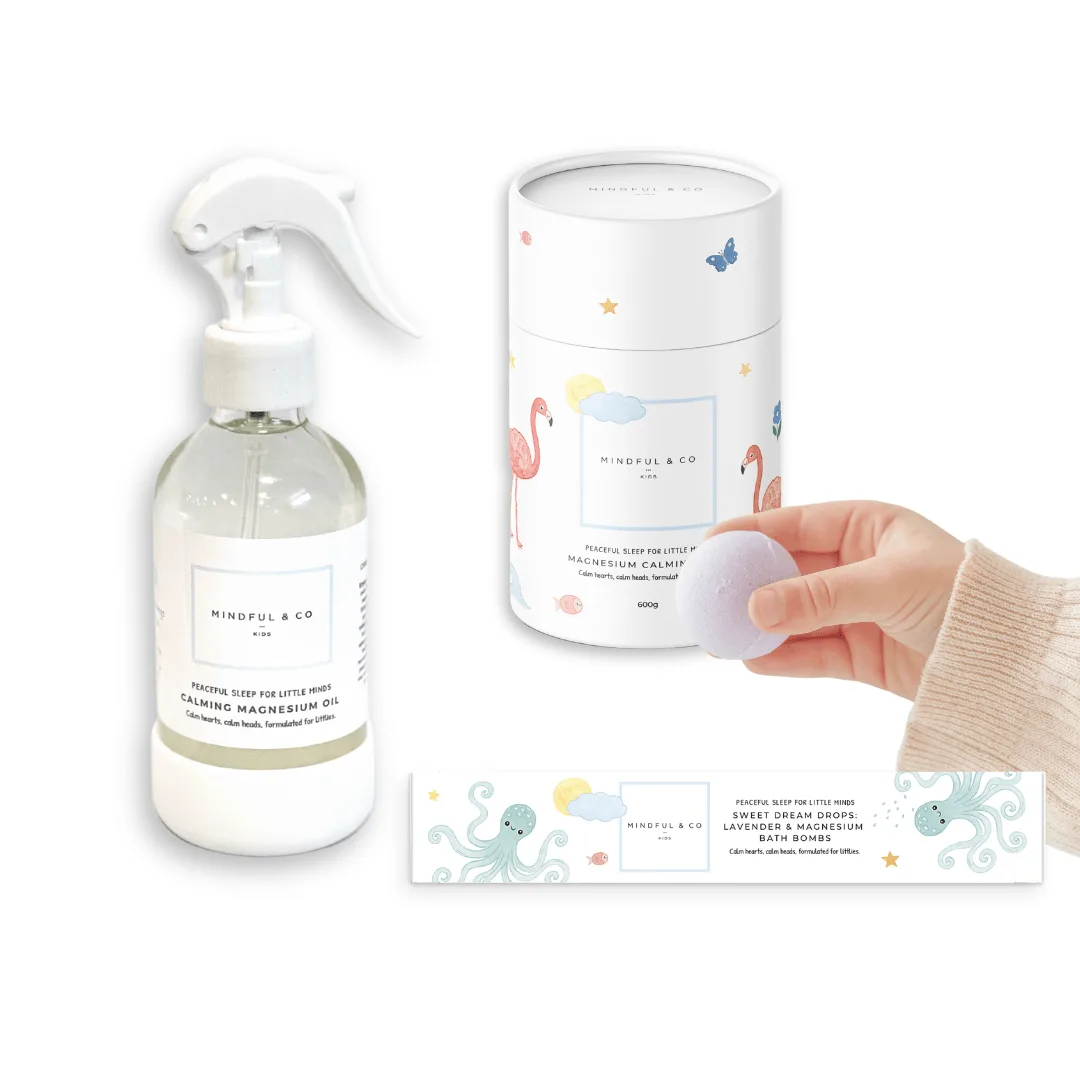
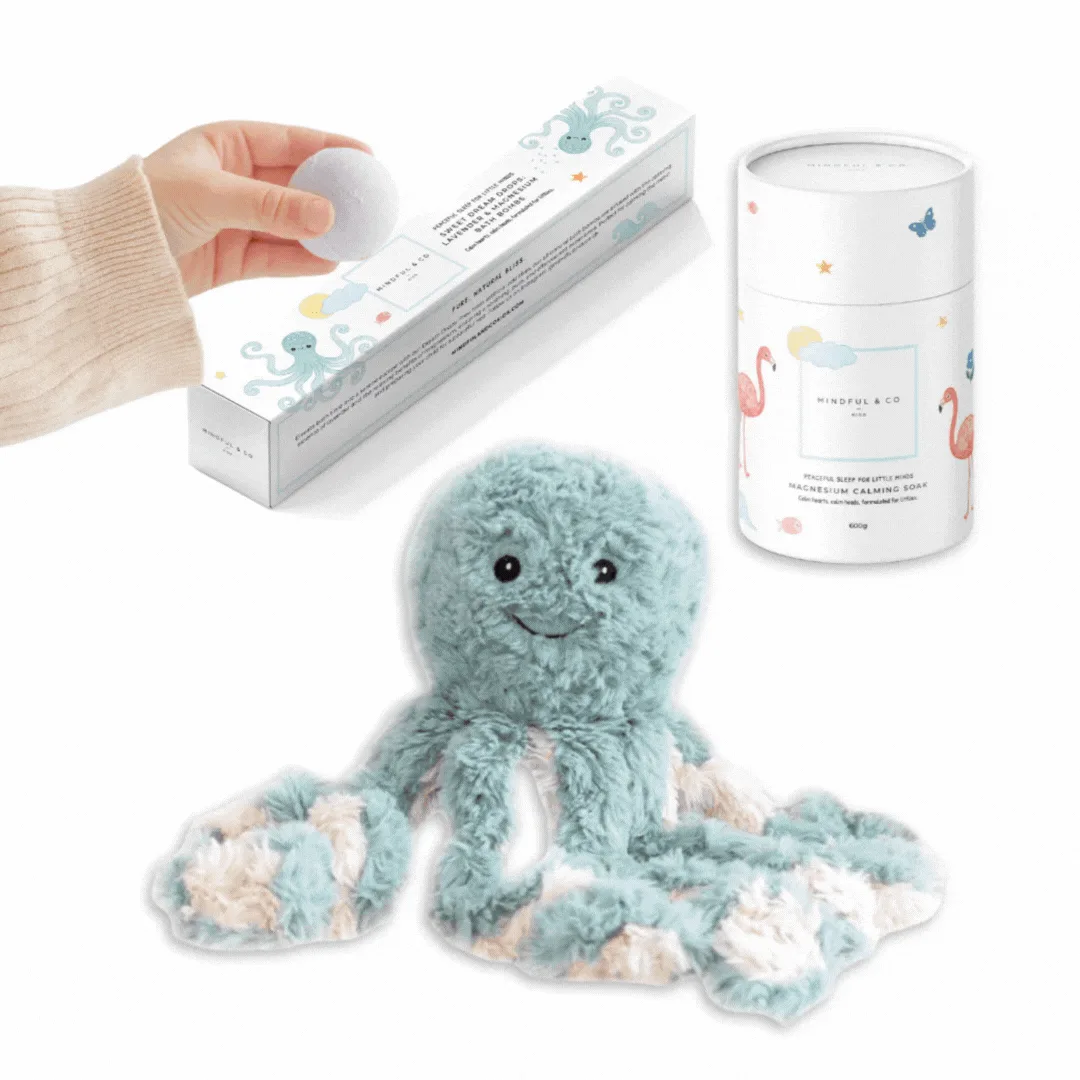
Some waits trigger big emotions. If your child is struggling to wait, combine Patience Pebbles with a calming soak before bed or after a frustrating day. The Magnesium Calming Soak is designed to help children relax and unwind, which can make it easier to practice patience the next day. For an all-in-one wind-down routine, The Ultimate Calm Bundle includes the soak, bath bombs, and calming magnesium oil. These are not patience-teaching tools themselves, but they support the calm state kids need to practice waiting without melting down.
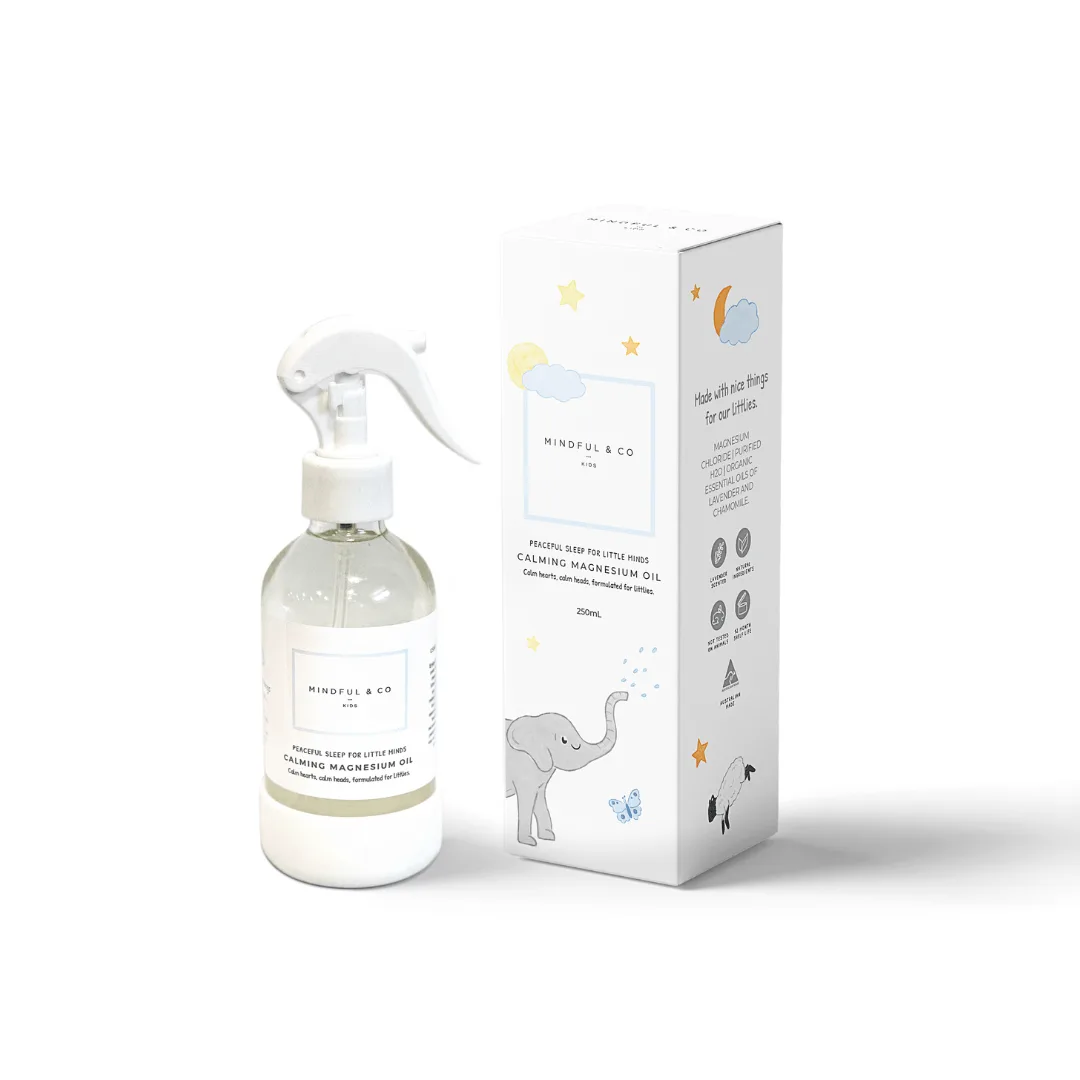
calming magnesium oil
Step-by-step: teaching waiting and turn-taking with Patience Pebbles
- Start with a 30-second turn: Sit facing your child with 3–5 pebbles between you. Say, 'My turn first, then your turn.' Stack one pebble slowly, then hand the next pebble to your child. Use a timer or count out loud for 30 seconds. Checkpoint: If your child grabs early, gently reset and shorten the turn to 15 seconds. The goal is success, not endurance.
- Use a 'waiting stone' to make waiting visible: Give the waiting child one pebble to hold while the other person takes a turn. Explain that the waiting stone stays in their hand until the turn passes. This gives them a physical anchor for the abstract concept of waiting. Common mistake: Don't take the waiting stone away as a punishment. It is a tool, not a privilege.
- Practice during low-stakes waits: Bring pebbles to everyday waiting moments—restaurant tables, waiting for a sibling, or while you finish a phone call. Offer a simple challenge: 'Can you sort these by color before I'm done?' Checkpoint: Keep the first practices short (under 2 minutes) and praise the waiting behavior specifically: 'You waited while I finished. That was patient.'
- Gradually extend the wait: Once your child can wait 30 seconds without grabbing, stretch to 1 minute, then 2. Add a second child to practice turn-taking in a group. Use the pebbles as the shared activity so everyone has a role. Common mistake: Jumping from 30 seconds to 5 minutes too quickly. Increase by 15–30 seconds at a time.
- Pair with a calming wind-down: After a patience practice session, especially if it was frustrating, use a warm bath with Magnesium Calming Soak or the full Ultimate Calm Bundle routine. This helps your child's body shift out of fight-or-flight and reinforces that waiting is followed by calm. Next step: Keep pebbles in a calm-down corner so your child can choose them independently when they feel impatient.
Product facts
- Patience Pebbles: Patience Pebbles are a calming, hands-on tool designed to introduce mindfulness through sensory play. They help children slow down, focus and build patience as they stack, sort and explore. This makes them a natural fit for waiting games and turn-taking practice, because the child has a concrete, quiet action to repeat while waiting.
- Magnesium Calming Soak: Magnesium Calming Soak is crafted to help children relax, unwind, and prepare for restful sleep, with pure magnesium and soothing natural ingredients. Use it after a day of practicing patience to help your child's body settle, so the next waiting practice starts from a calmer baseline.
- The Ultimate Calm Bundle: The Ultimate Calm Bundle includes Magnesium Calming Soak, Lavender and Magnesium Bath Bombs, and Calming Magnesium Oil to support deep relaxation and restful sleep. If you want a complete bedtime wind-down routine alongside patience practice, this bundle covers the bath and after-bath steps in one purchase.