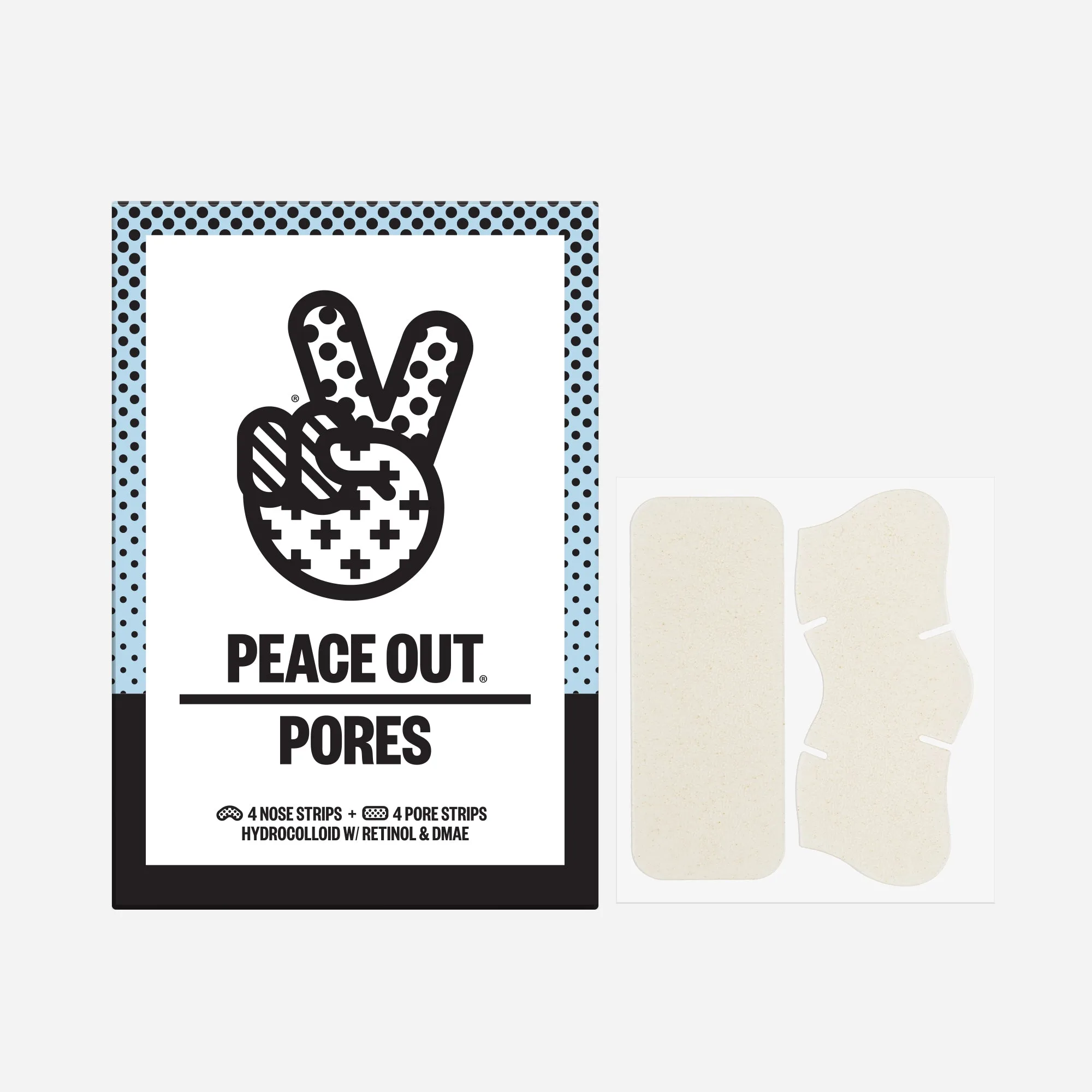
Pore strips are a quick fix for blackheads, but using them incorrectly can lead to redness, irritation, and even broken capillaries. If you've ever peeled one off and felt a sting or noticed flaky patches afterward, you're not alone. The key to pore strip safety is preparation, proper technique, and knowing when to skip them altogether.
In this guide, we'll walk you through how to use pore strips safely, how often you should use them, and what to do if you have sensitive skin. By the end, you'll have a clear plan to unclog pores without compromising your skin barrier.
Why Pore Strips Can Cause Damage
Pore strips work by adhering to the top layer of your skin and pulling out the hardened sebum and dead skin cells that form blackheads. While this mechanical extraction can be satisfying, it also comes with risks. The adhesive is strong enough to lift away not just the gunk but also the natural oils and protective barrier of your skin.
If you pull too hard or use them too often, you can strip away the stratum corneum—the outermost layer of your skin. This can lead to increased sensitivity, redness, and even micro-tears. Over time, aggressive use can cause the pores to appear larger as the skin loses elasticity. That's why pore strip safety is about more than just avoiding pain in the moment.
- Avoid pore strips on broken, sunburned, or irritated skin.
- Never pull the strip off quickly—slow and steady wins the race.
- If you have active acne, skip pore strips until breakouts heal.
How Often Should You Use Pore Strips?
The golden rule is to use pore strips no more than once a week. For most people, once every two weeks is even better. Your skin needs time to rebuild its natural barrier and replenish the oils that keep it healthy. Using them daily or even every other day is a recipe for irritation and can actually make blackheads worse by triggering excess oil production.
Pay attention to your skin's reaction. If you notice redness, peeling, or a tight feeling that lasts more than a few hours, you're using them too frequently. Consider alternating with gentler exfoliation methods, like a chemical exfoliant containing salicylic acid, to keep pores clear between pore strip sessions.
- Start with once every two weeks if you have sensitive skin.
- If you have oily skin, you might tolerate weekly use—but monitor your skin's response.
- Never use pore strips on the same day as other strong treatments like retinoids or acids.
How to Use Pore Strips Safely: Step-by-Step
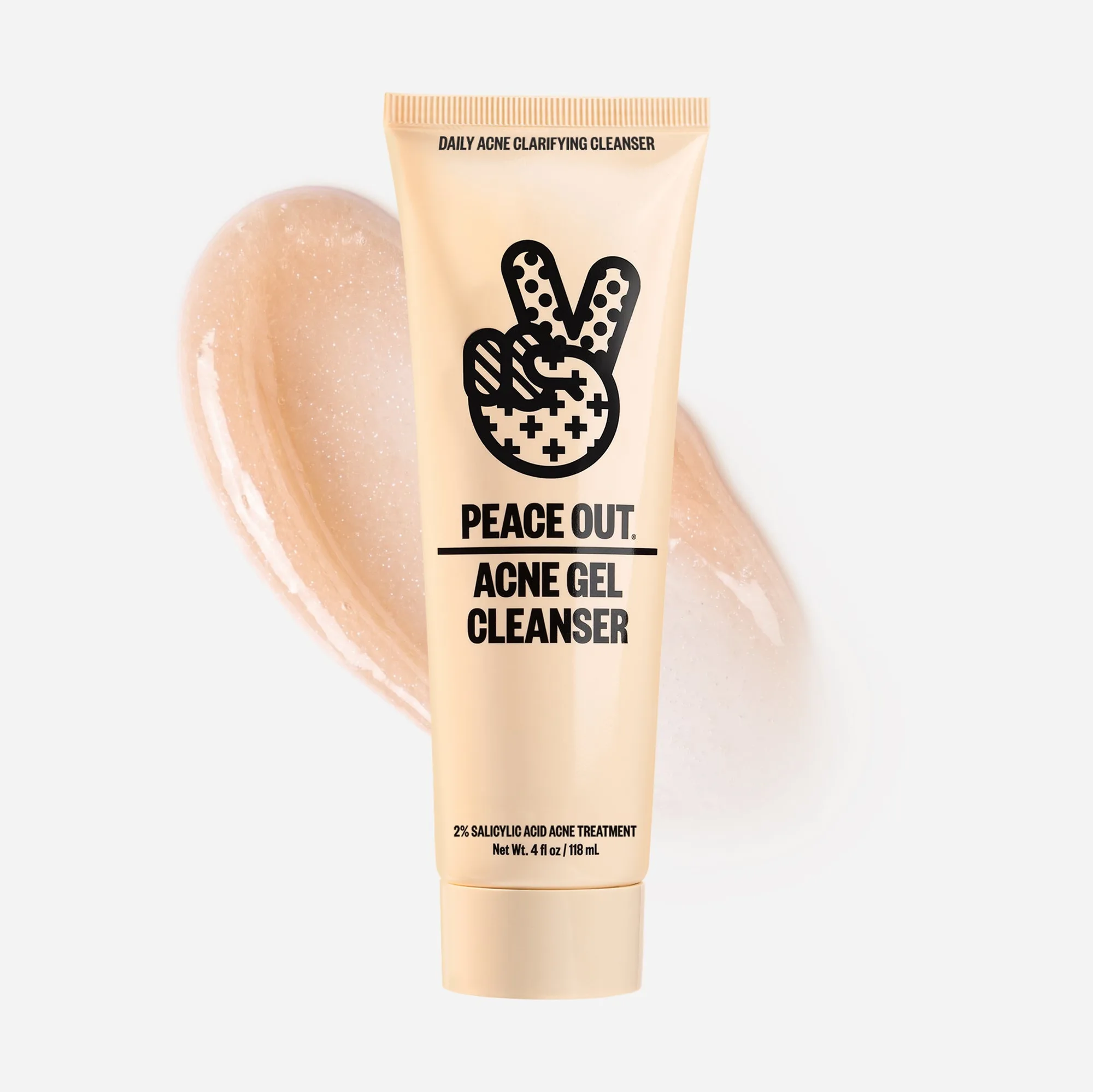
Start by washing your face with a gentle cleanser, like the Pore Perfecting Cleanser, to remove surface dirt and oil. Pat your skin dry—do not rub. Then, apply a warm, damp cloth to your nose for a few minutes to soften the skin and open up the pores. This step is crucial because it makes the blackheads easier to extract and reduces the force needed.
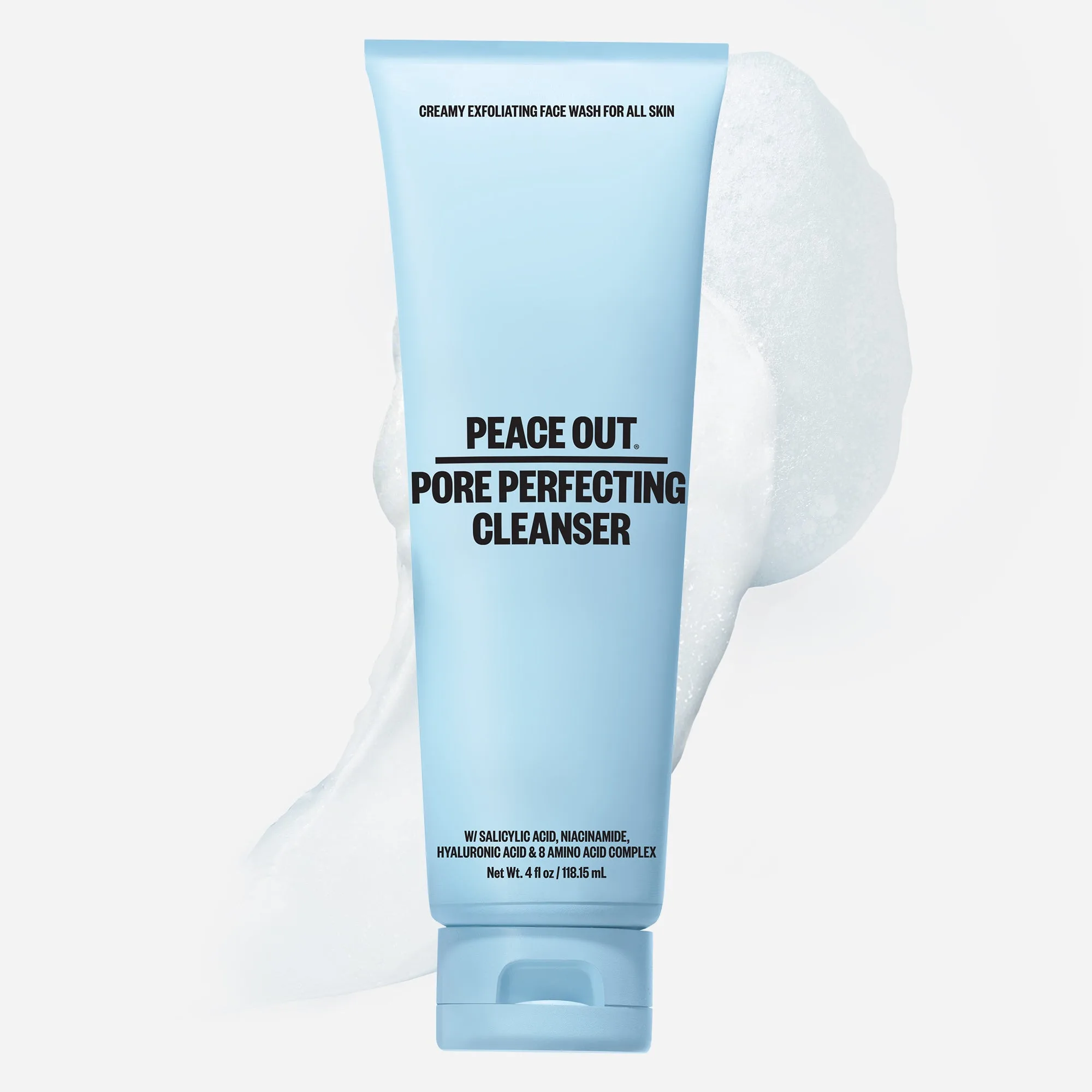
Pore Perfecting Cleanser
Apply the pore strip to your damp nose, pressing down firmly to ensure full contact. Leave it on for the time specified on the package—usually 10 to 15 minutes. It should feel tight but not painful. When it's time to remove, start at one edge and peel slowly, supporting the skin with your other hand. Pull in the direction of hair growth to minimize tugging.
- Always read the instructions on the pore strip package.
- Do not leave pore strips on longer than recommended—this can cause adhesive residue and irritation.
- If the strip doesn't come off easily, wet it with warm water and gently slide it off.
Aftercare: What to Do After Removing a Pore Strip
Aftercare is just as important as the removal itself. Rinse your nose with cool water to close the pores and remove any leftover adhesive. Then, apply a soothing, alcohol-free toner or a hydrating serum to replenish moisture. Look for ingredients like hyaluronic acid or ceramides to calm the skin.
Avoid using harsh scrubs, retinoids, or acids for at least 24 hours after a pore strip. Instead, focus on hydration and barrier repair. A lightweight moisturizer, such as the https://subtlelivingai.shop/products/acne-gel-moisturizer-293468Acne Gel Moisturizer, can help restore balance without clogging pores. If you notice any redness or irritation, apply a cold compress and skip makeup for the rest of the day.
- Use a gentle, fragrance-free moisturizer after pore strips.
- Don't pick at any remaining blackheads—let them come out naturally or use a salicylic acid treatment.
- If you experience persistent redness or peeling, discontinue use and consult a dermatologist.
Pore Strips for Sensitive Skin: Are They Safe?
If you have sensitive skin, rosacea, or eczema, pore strips can be risky. The adhesive and mechanical pull can trigger flare-ups and leave your skin feeling raw. That doesn't mean you have to give up on blackhead removal, but you need to be extra cautious.
Consider using a pore strip that is specifically formulated for sensitive skin, or skip the nose strip altogether and opt for a gentler alternative. For example, the Pore Perfecting Cleanser contains salicylic acid to dissolve blackheads over time without the need for physical pulling. You can also use clay masks or gentle enzyme exfoliants to achieve similar results with less risk.
- Do a patch test on a small area of skin before applying a pore strip to your nose.
- Limit pore strip use to the nose—avoid cheeks and chin where skin is thinner.
- If you have active rosacea, avoid pore strips entirely.
Alternatives to Pore Strips for Blackhead Removal
If you're looking for a safer, long-term solution to blackheads, consider integrating a salicylic acid serum into your routine. Salicylic acid penetrates deep into the pores to dissolve the buildup that causes blackheads. Unlike pore strips, it doesn't damage the skin barrier and can be used more frequently.
Another option is to use a gentle physical exfoliant, like a soft silicone scrubber, combined with a clay mask. These methods are less aggressive and can be tailored to your skin's tolerance. The Instant Oil Control Roller W/ Halloysite Clay is a unique tool that helps absorb excess oil and refine the look of pores without any pulling or tugging.
- Use a salicylic acid toner or serum daily to prevent blackheads.
- Try a clay mask once a week to absorb excess oil and draw out impurities.
- If you prefer physical exfoliation, choose a soft brush or sponge—never a harsh scrub.
Pore strips can be a satisfying way to see instant results, but they should be used sparingly and with care. By following the safety tips above, you can minimize the risk of skin damage and keep your pores looking clear. If you're looking for a gentler approach, explore the Pore Perfecting Cleanser to gently exfoliate and refine your skin without the pull.