Quick answer
Inspect, clean, and replace your pump valves regularly to restore and maintain strong suction, which directly supports consistent milk output.
Why valve condition matters for suction
Pump valves work with the diaphragm to create the vacuum that draws milk. A worn or dirty valve lets air leak, reducing suction strength even if the motor sounds fine.
Many pumping moms notice lower output and assume it is a pump problem, but the real cause is often a small crack or residue on the valve flap.
When to replace versus clean
Cleaning removes milk fat buildup that can stick the valve flap closed. Replace valves when you see visible cracks, stretching, or if cleaning no longer restores suction.
Lansinoh recommends replacing pump valves every 2–3 months with regular use. Keep a spare set on hand so you can swap them mid-session if suction drops suddenly.
How to restore suction with your pump valves
- Step 1: Check the valve flap for damage: Remove the valve from the flange body. Hold it up to light and look for cracks, tears, or a flap that stays open instead of lying flat. A warped flap cannot seal, so replace the valve immediately. A cracked valve is the most common cause of weak suction.
- Step 2: Clean the valve thoroughly: Rinse the valve in cool water immediately after pumping to prevent milk residue from hardening. Wash with warm soapy water using a small brush to reach the flap. Do not boil or use harsh sanitizers, which can warp the plastic. Residue on the flap can prevent it from closing, causing air leaks.
- Step 3: Dry completely before reassembly: Air-dry the valve on a clean towel or drying rack. Moisture inside the valve can cause mold or reduce suction. Make sure the flap is fully dry and moves freely before reattaching. A damp valve can stick shut or harbor bacteria.
- Step 4: Reattach and test suction: Press the valve firmly onto the flange body until you feel it click or seat fully. Attach to your pump and run a test cycle. You should hear a steady, rhythmic suction sound. If the sound is weak or irregular, repeat the check or replace the valve. A loose fit is as bad as a cracked valve.
- Step 5: Replace valves on a schedule: Mark your calendar to replace pump valves every 2–3 months, or sooner if you pump multiple times daily. Keep a spare set like Lansinoh Pump Valves - 4 Pack in your pump bag so you never have to pump with weak suction. Proactive replacement prevents sudden drops in output.
Product facts
-
Pump Valves - 4 Pack for Signature Pro and Smartpump: Lansinoh Pump Valves attach to the flange body and work with the diaphragm to ensure proper suction. A tight seal between the valve and flange is essential for maintaining the vacuum that extracts milk efficiently.
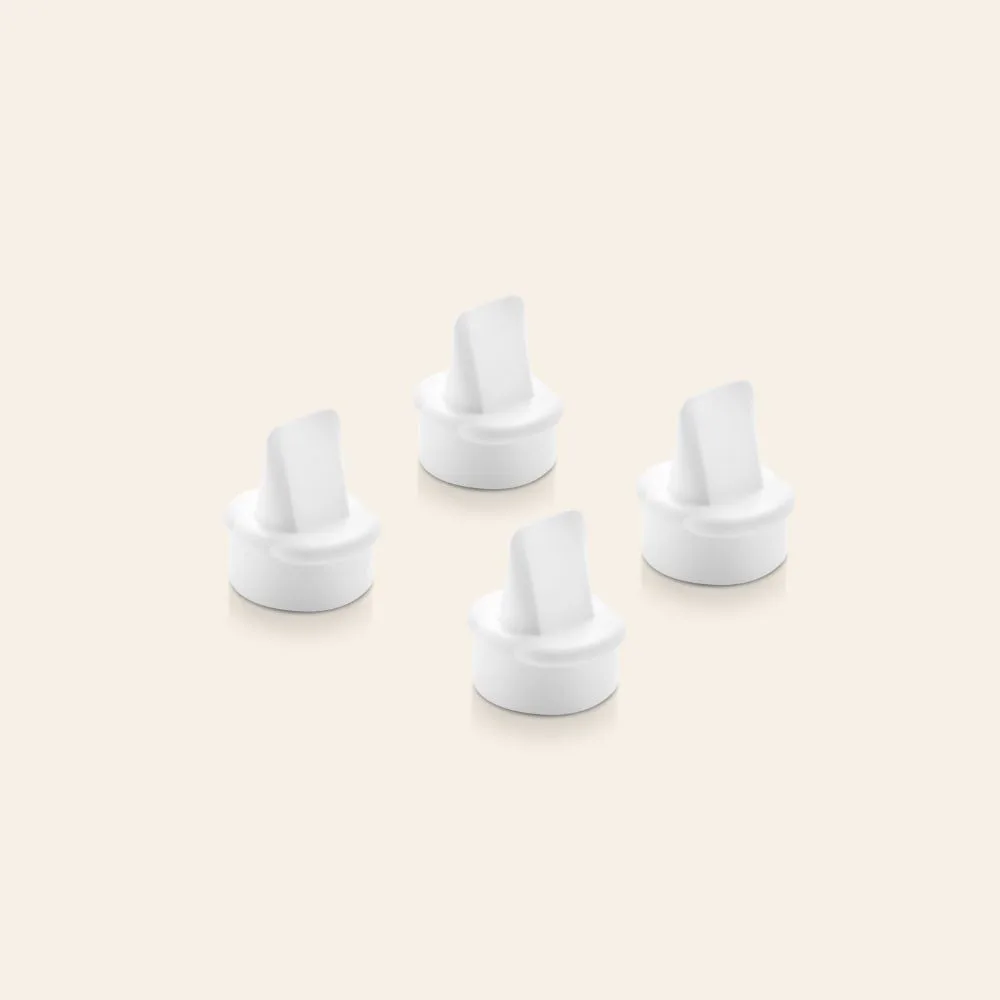
Pump Valves - 4 Pack for Signature Pro and Smartpump