Quick Answer
Reusable plastic rivets are a fast, tool-free way to secure or reattach rocket components like payload tubes and couplers. Simply drill a hole, push the rivet through, and snap the cap—no special tools needed. For most mid-power repairs, LOC Precision's Reusable Long Plastic Rivets offer a secure hold and easy removal.
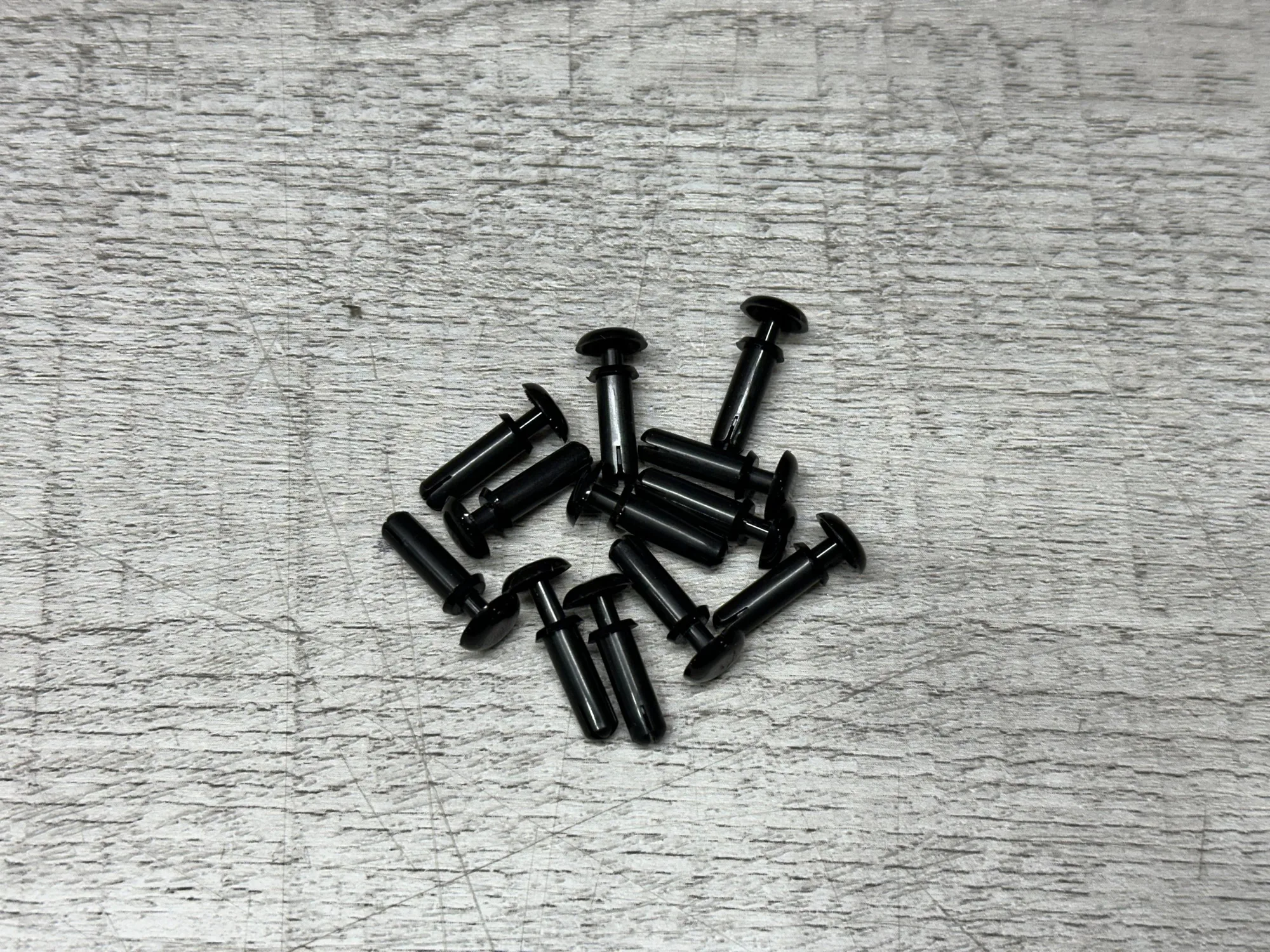
Reusable Long Plastic Rivets
When a rocket comes back from a flight with a loose payload tube or a fin that needs reattaching, the last thing you want is a long, messy repair session. Reusable plastic rivets let you make quick, secure fixes in minutes, and they hold up to multiple flights. Unlike permanent adhesives or shear pins, these rivets are designed to be installed and removed without tools, making them a favorite for field repairs and rapid turnarounds.
In this guide, you'll learn exactly how to use reusable plastic rivets for quick rocket repairs, from choosing the right rivet size to drilling clean holes and installing them correctly. We'll also cover common mistakes to avoid and how to get the most out of these handy fasteners.
Understanding Reusable Plastic Rivets
Reusable plastic rivets are push-type fasteners that grip materials by expanding behind the surface. They're ideal for holding thicker materials together, such as a payload tube to a coupler or a stiffy coupler in an electronic bay. LOC Precision's Reusable Long Plastic Rivets are sized for these exact applications and come 12 to a package, so you'll have plenty on hand for repairs and builds.
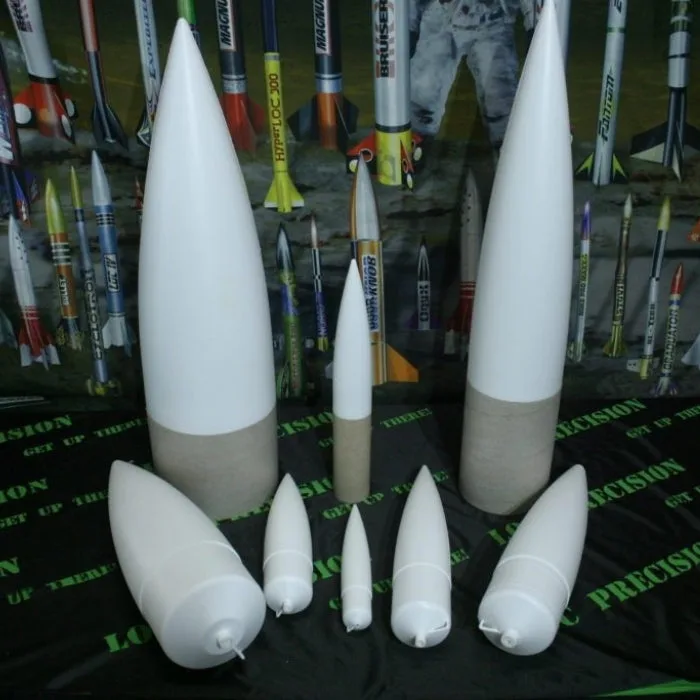
These rivets hold securely to cardboard, kraft phenolic, fiberglass, plastic tubing, and even nose cones. Because they're reusable, you can remove them with a fingernail or small knife and reinstall them multiple times, which is perfect for rockets that need frequent access to electronics or recovery gear.
- Check the diameter of your drilled hole against the rivet's shaft for a snug fit—too loose and it won't grip; too tight and you risk cracking the tube.
Choosing the Right Rivet for Your Repair
Not all plastic rivets are the same. The key is matching the rivet's length and diameter to the thickness of the materials you're joining. LOC Precision's Reusable Long Plastic Rivets are specifically designed for thicker stacks, like a payload tube over a coupler. If the rivet is too short, it won't expand properly; too long, and it may bottom out before gripping.
Consider the load: for high-stress areas like motor mounts or fin attachments, a rivet alone may not suffice—use them for non-structural holds like av-bay access panels or recovery harness attachments. For structural repairs, combine rivets with epoxy or through-the-wall construction for safety.
- When in doubt, test the rivet on a scrap piece of the same material to verify the grip before committing to the repair.
Step-by-Step Installation Process
Installing reusable plastic rivets is straightforward, but precision matters. Start by marking the hole locations, then drill a clean hole through both layers. The hole diameter should match the rivet's shaft—check the manufacturer's specs or test-fit on scrap. Deburr the hole edges to ensure smooth insertion.
Push the rivet through until the head sits flush, then press the center pin or cap until it snaps into place. This expands the legs behind the material, locking the rivet. To remove, pull the cap up with a fingernail or small knife, and the rivet releases. Always inspect the rivet for wear after removal; if the legs are cracked or deformed, replace it.
- Use a drill bit slightly smaller than the rivet shaft if you're unsure—you can always enlarge the hole, but you can't shrink it.
Step-by-Step Repair Process
- Assess the damage: Check whether the repair is structural or non-structural. Rivets work best for non-structural holds like tube-to-coupler joints or av-bay access. If a fin is loose, consider epoxying it back and using rivets only as temporary support. Don't use rivets alone for load-bearing parts like motor mounts.
- Drill clean holes: Mark the rivet positions, then drill through both layers with a bit that matches the rivet shaft diameter. Deburr the edges to avoid snagging. If you're unsure, start with a smaller bit and enlarge gradually. A clean hole ensures a snug fit and prevents the rivet from pulling out.
- Insert the rivet: Push the rivet through the aligned holes until the head is flush. Then press the center pin or cap firmly until it clicks. This expands the legs behind the material, locking it in place. If the cap doesn't snap, the hole may be too large—try a larger rivet or add a washer.
- Test the hold: Gently tug on the riveted joint to ensure it's secure. If it moves, remove the rivet by pulling the cap up with a fingernail or small knife, and reinstall with a tighter fit or additional rivets. Always test before flying—a loose rivet can cause separation in flight.
- Remove and reuse: When you need access, pull the cap up with a fingernail or small knife to release the rivet. Inspect the legs for cracks or deformation. If intact, you can reuse it; otherwise, replace it with a fresh one. Keep a few spare rivets in your range box for quick swaps.
Recommended Product
- Reusable Long Plastic Rivets: Ideal for holding thicker materials together, they're sized to secure a payload tube to the coupler & stiffy coupler of our electronic bays. 12 rivets to a package. Holds securely to cardboard, kraft phenolic, fiberglass, plastic tubing and nose cones. Once holes are drilled, no tools are required to install the rivets. To remove the rivets, pull the cap up with your fingernail or small knife. These rivets are purpose-built for the most common repair scenario—reattaching a payload tube to a coupler—and their tool-free installation makes them perfect for quick field repairs. The 12-pack gives you spares for testing and future fixes.
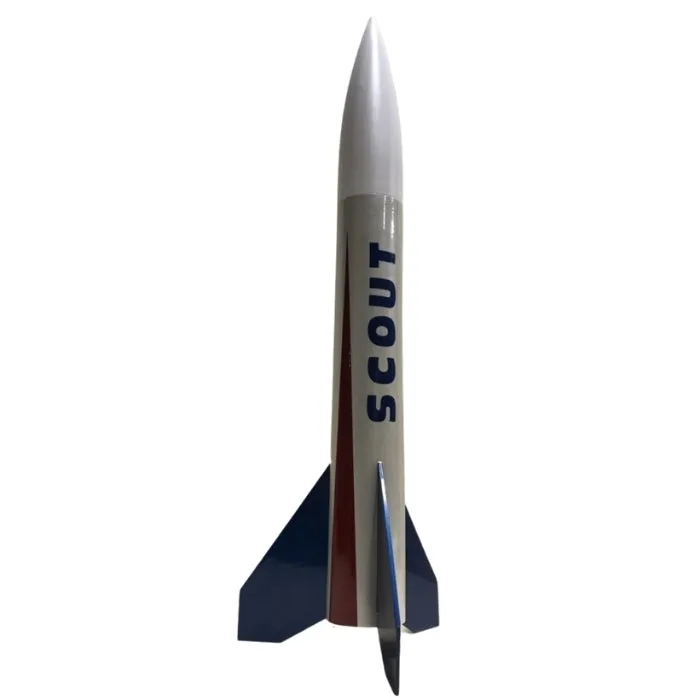
- Scout: The Scout is an excellent kit for exploration of mid-power rocketry. Sold individually or in bulk packs, it's a fairly easy and quick build! Able to fly on most 24mm motors with MMA-1, the 29mm main mount will keep you flying high. The kit weighs in at 10oz and includes: Pre-slotted Airframe, Nylon parachute, Kevlar shock cord, and 1/4" launch lugs. If you're repairing a Scout or similar mid-power kit, the rivets can secure the payload section or recovery harness attachment. The Scout's straightforward construction makes it a good candidate for rivet-based repairs, as you can access the interior easily.
Reusable plastic rivets are a simple, reliable solution for quick rocket repairs and modifications. By following these steps, you can keep your rockets flying without the downtime of permanent adhesives. For your next repair, consider adding LOC Precision's Reusable Long Plastic Rivets to your toolkit—they're affordable, reusable, and built for the job.