A rope slip lead is one of the most versatile tools in a dog trainer's arsenal. Whether you're working on loose-leash walking, recall, or simply need a reliable way to control your dog in public, a slip lead offers a simple and effective solution. Unlike traditional collars and leashes, a slip lead combines both into one piece, creating a loop that tightens when your dog pulls and loosens when they relax.
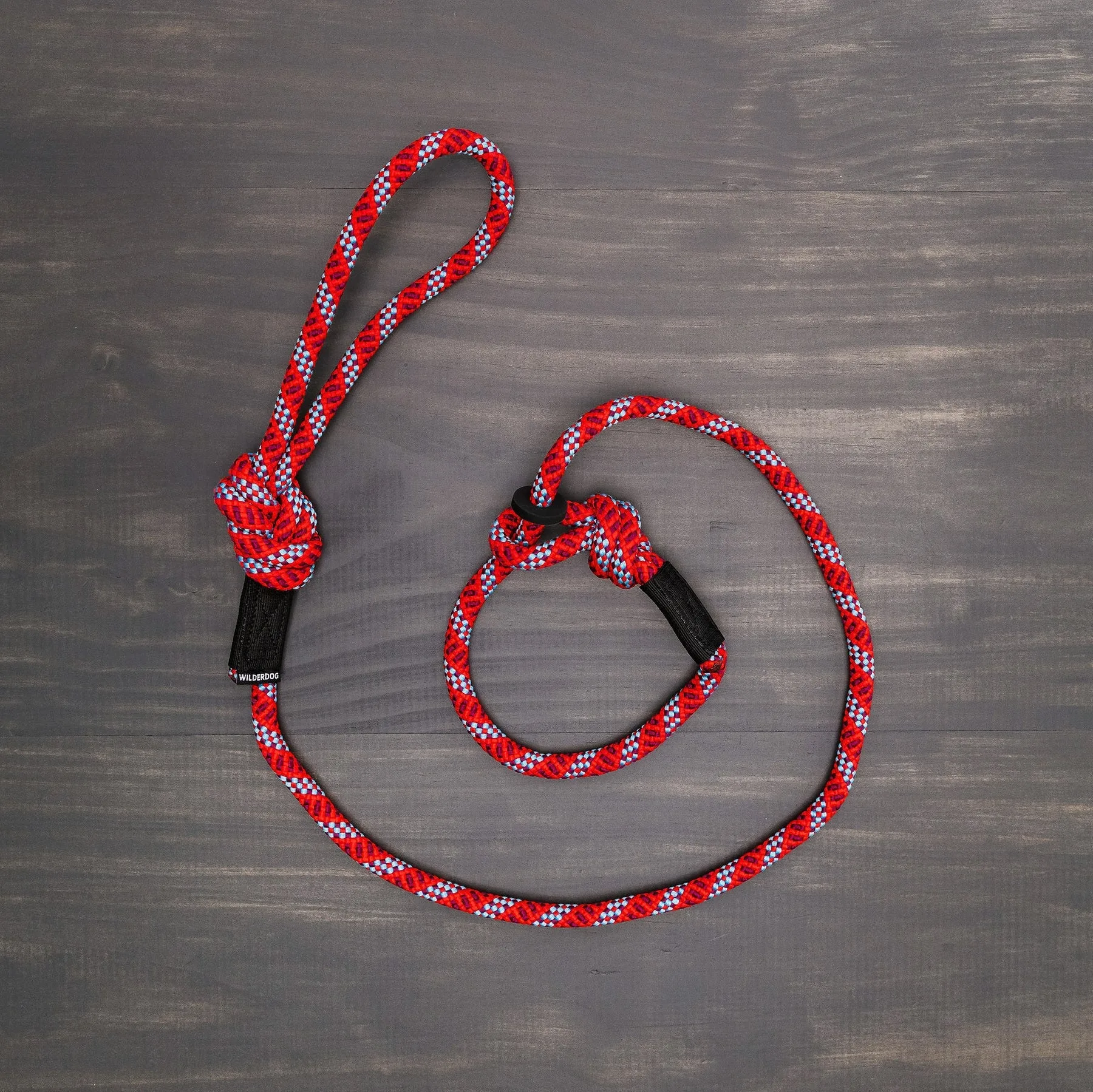
rope slip lead
In this guide, we'll walk you through everything you need to know about using a rope slip lead for effective dog training. From choosing the right lead to mastering the proper technique, you'll learn how to use this tool safely and humanely to improve your dog's behavior.
What is a Rope Slip Lead?
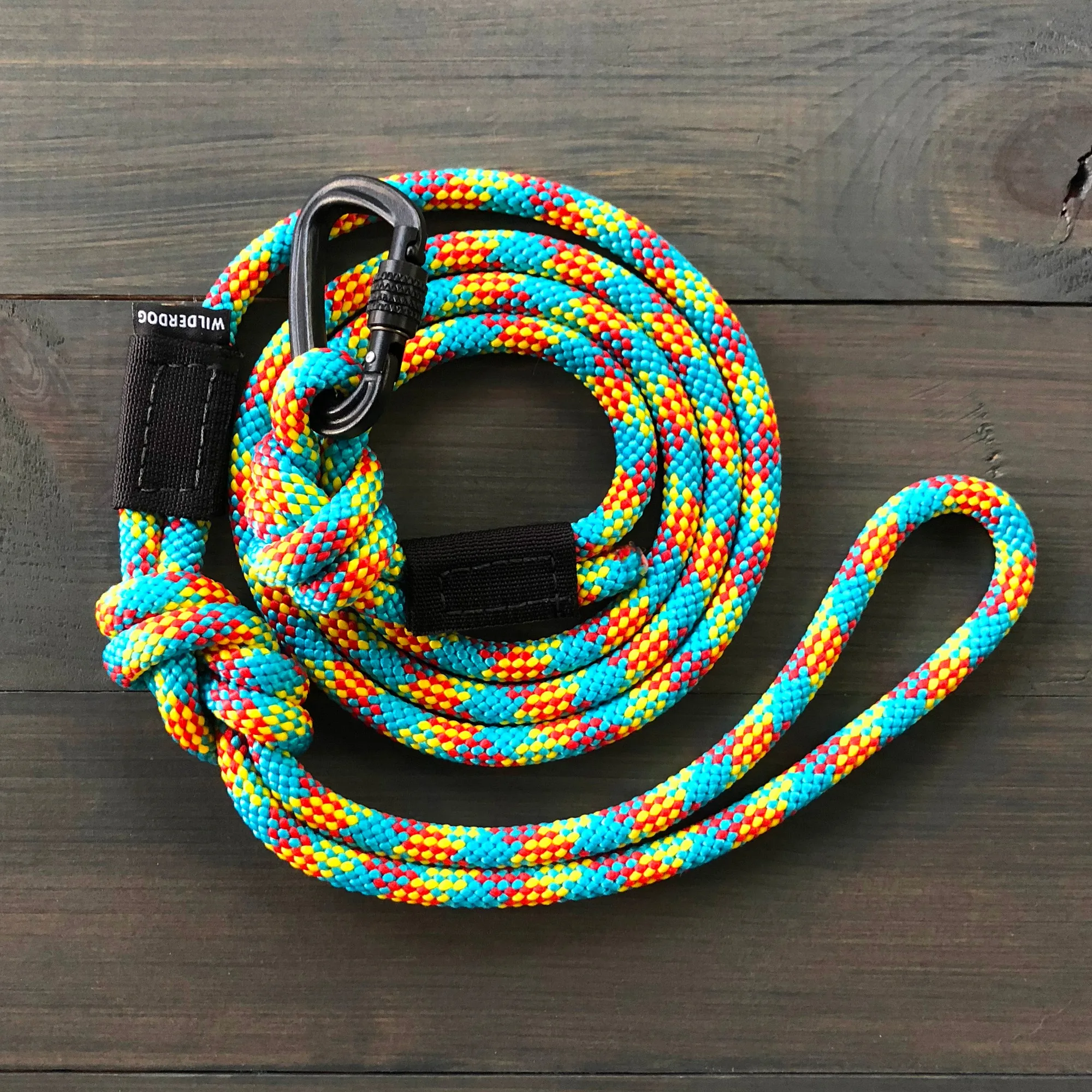
A rope slip lead is a leash with a loop at one end that acts as both collar and leash. Slip leads are typically made from strong materials like nylon or rope, and they are designed to tighten around your dog's neck when tension is applied and loosen when the tension is released. This design allows for quick and easy control, making them a favorite among trainers and dog walkers.
The key advantage of a slip lead is its simplicity. There are no buckles or clips to fumble with, so you can put it on and take it off in seconds. This makes it ideal for training sessions, trips to the vet, or any situation where you need to quickly secure your dog. Additionally, slip leads are often used in dog sports like agility and obedience because they provide immediate feedback to the dog.
- Slip leads are available in various lengths and materials, including rope and nylon.
- They are often used by professional trainers for their effectiveness and ease of use.
How to Properly Fit a Rope Slip Lead
Proper fit is crucial when using a slip lead. The loop should be positioned high on your dog's neck, just behind the ears. This is the most sensitive part of the neck and gives you the most control. To achieve this, place the loop over your dog's head with the loose end coming from the top of the neck, then adjust so that the loop sits snugly but not tight.
You should be able to fit two fingers between the loop and your dog's neck when the lead is relaxed. If the loop is too loose, it may slip off your dog's head, and if it's too tight, it can cause discomfort or injury. Always check the fit before starting a walk or training session.
- Position the loop high on the neck, behind the ears.
- Ensure you can fit two fingers between the loop and your dog's neck.
Step-by-Step Instructions for Using a Slip Lead
Start by holding the slip lead in your right hand with the loop hanging down. Place the loop over your dog's head, ensuring the loose end comes from the top of the neck. Adjust the fit as described above. Once the lead is on, hold the handle in your dominant hand and let the excess length hang loosely.
When your dog pulls, the loop will tighten, applying gentle pressure. As soon as your dog relaxes, the pressure releases. This teaches your dog that pulling creates discomfort, while walking calmly keeps the lead loose. Use verbal cues like 'heel' or 'let's go' to reinforce the desired behavior.
Practice in a distraction-free environment first, then gradually add distractions as your dog becomes more proficient. Consistency is key—always use the same commands and reward your dog with treats or praise when they walk correctly.
- Use the slip lead for short training sessions to avoid over-tightening.
- Never yank or jerk the lead; use steady pressure and release.
Common Mistakes to Avoid
One of the most common mistakes is placing the slip lead too low on the neck, near the shoulders. This can cause the loop to tighten around the trachea, which is dangerous and uncomfortable. Always position the loop high on the neck, just behind the ears.
Another mistake is using a slip lead as a regular collar for everyday walks without proper training. Slip leads are training tools, not permanent collars. Leaving a slip lead on your dog unsupervised can be hazardous, as it could get caught on objects and choke your dog. Always remove the slip lead when not in active use.
Additionally, avoid using a slip lead on puppies or small dogs without proper guidance, as their necks are more delicate. If you're unsure about how to use a slip lead, consult a professional trainer.
- Never leave a slip lead on your dog when unattended.
- Avoid using slip leads on puppies or dogs with respiratory issues without professional advice.
Benefits of Using a Slip Lead for Training
Slip leads offer several benefits for dog training. They provide immediate feedback, which helps dogs learn faster. The pressure and release mechanism mimics the natural correction a mother dog gives her puppies, making it intuitive for dogs to understand. Slip leads are also lightweight and portable, making them easy to carry in a pocket or bag.
For dogs that are prone to pulling, a slip lead can be a game-changer. It gives you better control and communication, allowing you to guide your dog without harsh corrections. Many trainers prefer slip leads for their versatility and effectiveness in various training scenarios, from basic obedience to advanced off-leash work.
- Slip leads are ideal for training loose-leash walking and recall.
- They are easy to carry and can be used in various environments.
Choosing the Right Slip Lead for Your Dog
When selecting a slip lead, consider the material, length, and thickness. Rope slip leads are durable and comfortable, while nylon slip leads are lightweight and easy to clean. The length should be appropriate for your dog's size and your training needs. A longer lead (6-8 feet) gives your dog more freedom, while a shorter lead (4-6 feet) offers more control.
At Wilderdog, we offer a range of high-quality rope leashes and collars, including the Tamarack Ultralight Leash and the Lupin Ultralight Collar, which are perfect for training. These products are designed with durability and comfort in mind, ensuring a reliable tool for your training sessions.
- Consider your dog's size and training goals when choosing a slip lead.
- Look for leads with comfortable handles and strong materials.
A rope slip lead is a powerful tool for dog training when used correctly. By following the steps and tips outlined in this guide, you can improve your dog's walking behavior and strengthen your bond. Remember to always prioritize your dog's safety and comfort, and never hesitate to seek professional guidance if needed. Explore our collection of rope leashes and collars to find the perfect fit for your training needs.