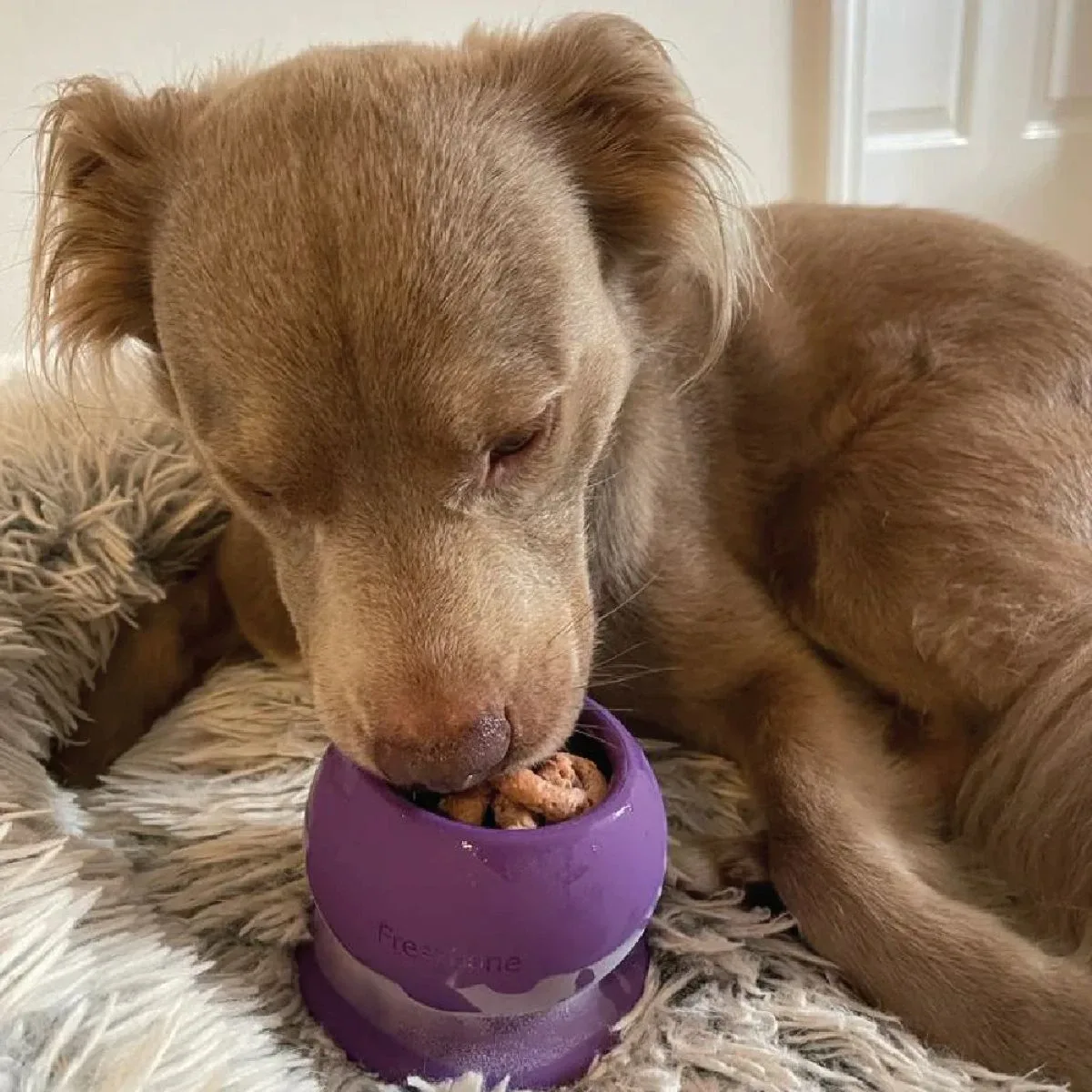
Scent detection is one of the most valuable skills a working dog can learn. Whether you're training a police K9, a search-and-rescue dog, or a competitive detection dog, using a scent box is a fundamental part of the process. Scent boxes provide a controlled environment where you can introduce your dog to specific odors and build their detection skills systematically.
In this step-by-step guide, we'll walk you through the process of using a scent box for K9 training. From selecting the right equipment to advanced training techniques, you'll learn how to effectively train your dog to identify and alert on specific scents. We'll also highlight some of the best products available to enhance your training sessions.
Why Use a Scent Box for K9 Training?
Scent boxes are essential tools for K9 training because they allow you to control the training environment and isolate specific odors. Unlike real-world scenarios, where there are many distractions, a scent box provides a clean, focused setting where your dog can learn to associate a particular odor with a reward. This is particularly important for foundational training, as it helps your dog build confidence and accuracy before moving to more complex scenarios.
Additionally, scent boxes are versatile. They can be used for a variety of training purposes, including narcotics detection, explosives detection, and even medical alert training. By using a scent box, you can train your dog to detect a single odor or multiple odors, depending on your needs. This makes them an invaluable investment for any professional trainer or dedicated dog owner.
- Controlled environment for focused training
- Isolate specific odors for clear association
- Versatile for various detection types
Choosing the Right Scent Box
When selecting a scent box, consider the material, size, and ease of cleaning. Stainless steel or high-impact plastic boxes are durable and easy to sanitize, which is crucial when switching between different odors. The size should be appropriate for your dog's breed and the amount of odor you plan to use. A box that is too small may not allow proper airflow, while one that is too large can make it harder for your dog to locate the source.
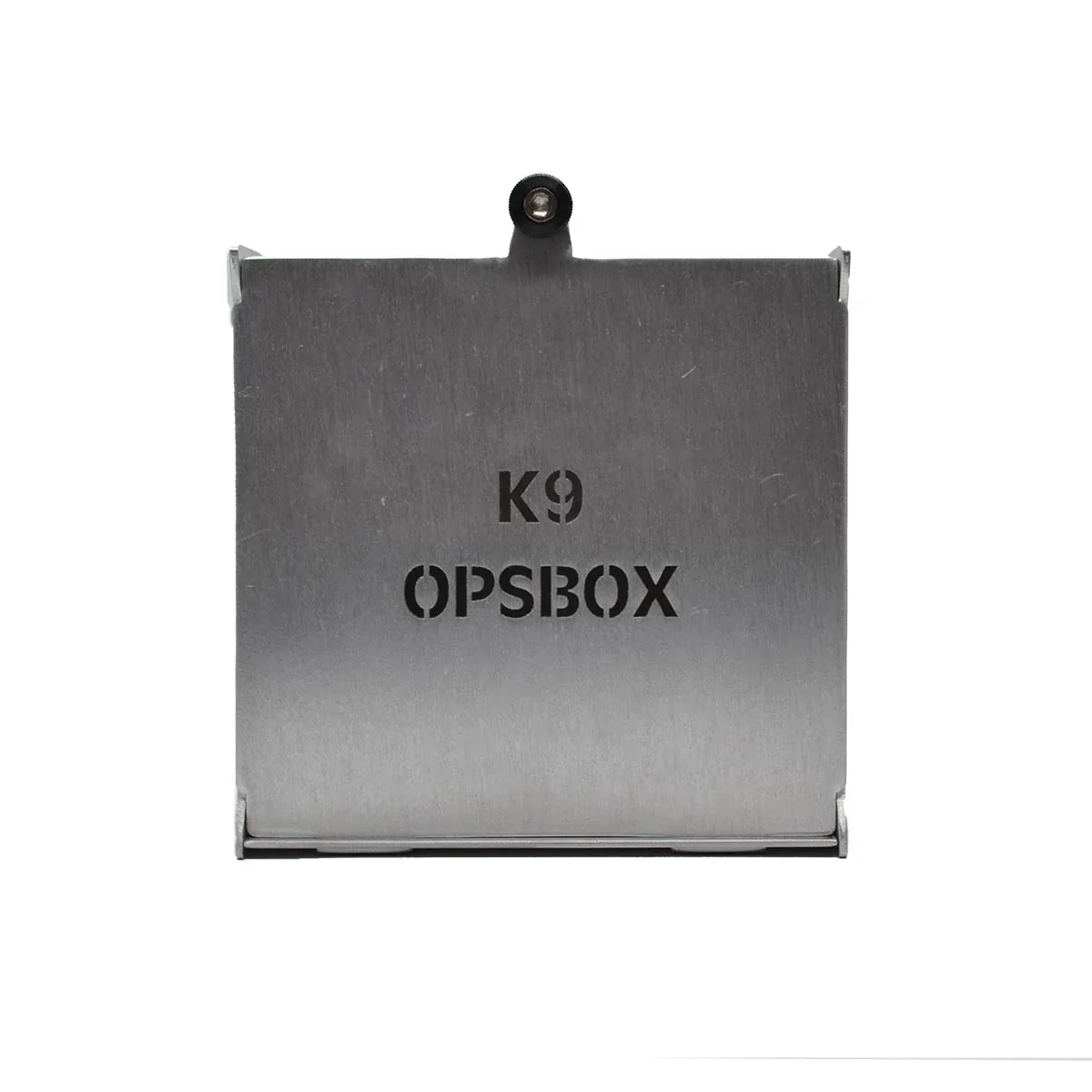
One excellent option is the https://rayallenkm.com/products/k9-opsbox-magnetic-odor-box-set-1869936a32aecafbc14e9877-579750K9 OpsBox Magnetic Odor Box Set. This set includes magnetic boxes that are easy to open and close, making it simple to place and retrieve odor samples. The magnetic design also ensures a secure seal, preventing odor leakage and cross-contamination. This is a great choice for both beginners and experienced trainers.
- Durable materials like stainless steel or impact-resistant plastic
- Size appropriate for your dog's breed
- Easy to clean and sanitize
Setting Up Your Training Area
Before you begin training, it's important to set up a dedicated area free from distractions. This could be a quiet room in your home or a secluded outdoor space. Ensure the area is well-ventilated so that odors don't linger and confuse your dog. You should also have all your training supplies ready, including the scent box, odor samples, treats, and a clicker if you use one.
Place the scent box in a consistent location during each session. This helps your dog learn to search the entire area, rather than just focusing on one spot. Start with the box empty to allow your dog to investigate it without the pressure of finding an odor. This builds curiosity and positive association with the box itself.
- Choose a distraction-free, well-ventilated area
- Keep the scent box in a consistent location
- Start with empty box to build curiosity
Introducing the Odor
Once your dog is comfortable with the scent box, it's time to introduce the odor. Start with a single, distinct odor that you will use consistently. Place a small amount of the odor sample in the box and close it. Encourage your dog to investigate the box. When your dog shows interest, such as sniffing or pawing, immediately reward with a treat and praise.
Repeat this process several times, gradually increasing the time your dog spends investigating. The goal is for your dog to associate the odor with a positive outcome. As your dog becomes more proficient, you can increase the difficulty by placing the box in different locations or adding distractions.
- Use a single, distinct odor initially
- Reward any interest in the box
- Gradually increase difficulty
Teaching the Alert Behavior
The next step is to teach your dog a specific alert behavior when they find the odor. Common alerts include sitting, lying down, or a specific bark. Choose an alert that is natural for your dog and easy for you to recognize. For example, many trainers use a 'sit' as the alert because it's clear and easy to see.
When your dog indicates the odor, such as sitting near the box, reward them immediately. Consistency is key. Use the same command word, such as 'alert' or 'show me,' and always reward the correct behavior. Over time, your dog will learn to perform the alert reliably.
- Choose a clear, natural alert behavior
- Use consistent command words
- Reward immediately for correct alerts
Advanced Training Techniques
Once your dog has mastered the basics, you can move on to more advanced training. One technique is to use multiple scent boxes with different odors, teaching your dog to distinguish between them. This is particularly useful for narcotics detection, where you may need to train on several substances. Another technique is to hide the scent box in more challenging locations, such as inside a vehicle or under furniture, to simulate real-world scenarios.
To enhance your training, consider using the Narc Safe Case - 12 Jar. This case is designed to hold up to 12 jars of odor samples, making it easy to organize and switch between different scents. It's a durable and portable solution that keeps your training efficient and professional.
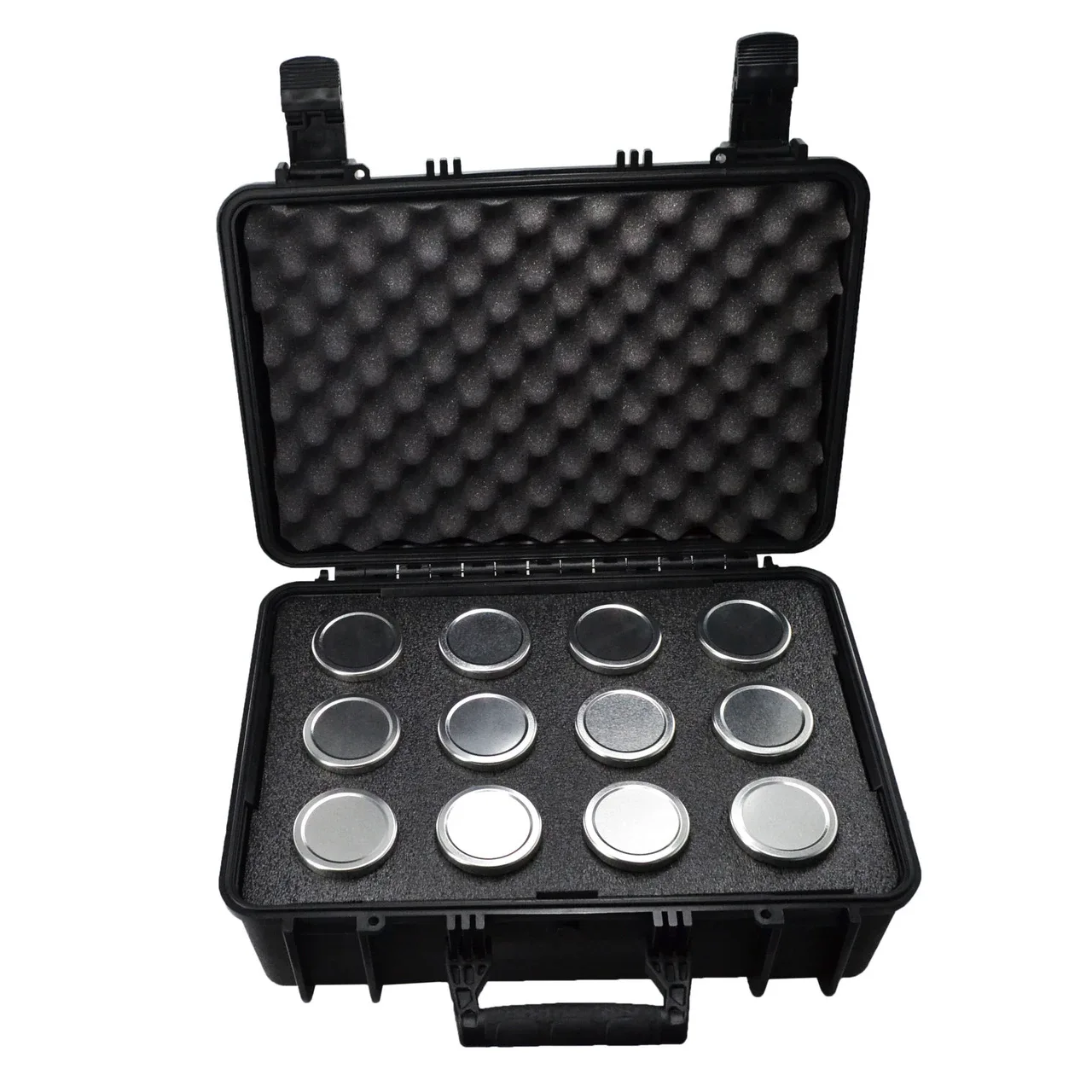
Narc Safe Case - 12 Jar
- Train on multiple odors for discrimination
- Hide scent boxes in challenging locations
- Use organizational tools like the Narc Safe Case
Troubleshooting Common Issues
If your dog is not showing interest in the scent box, ensure that the odor is not too weak or too strong. Adjust the amount of odor you use and try again. Also, check that the box is clean and free from residual odors that might confuse your dog. If your dog is losing focus, take a break and end the session on a positive note.
Another common issue is over-handling. Give your dog time to work independently. If you constantly point or move the box, your dog may rely on your cues rather than their nose. Trust your dog's ability and allow them to search at their own pace.
- Adjust odor strength as needed
- Keep the box clean to avoid confusion
- Allow your dog to work independently
Scent box training is a rewarding and effective way to develop your K9's detection skills. With patience and consistency, you'll see significant progress. To get started, explore the K9 OpsBox Magnetic Odor Box Set and other training essentials at Ray Allen Manufacturing.