Quick answer
The Self Expression Unit Plan is a ready-to-use digital resource that helps teachers guide students through self-expression, mindfulness, and healthy boundaries. Use the five lesson supports to build confidence and personal safety skills in a structured, age-appropriate way.
What the Self Expression Unit Plan Covers
This digital unit plan focuses on the theme of self-expression through lessons that empower students to set healthy boundaries, build confidence, and seek support when needed. The lessons also teach healthy body boundaries and personal safety, giving students the language and tools to speak up if boundaries are crossed. Each lesson is designed to be flexible for different classroom settings and student needs.
Why Pair the Unit Plan with a Lynx Kin
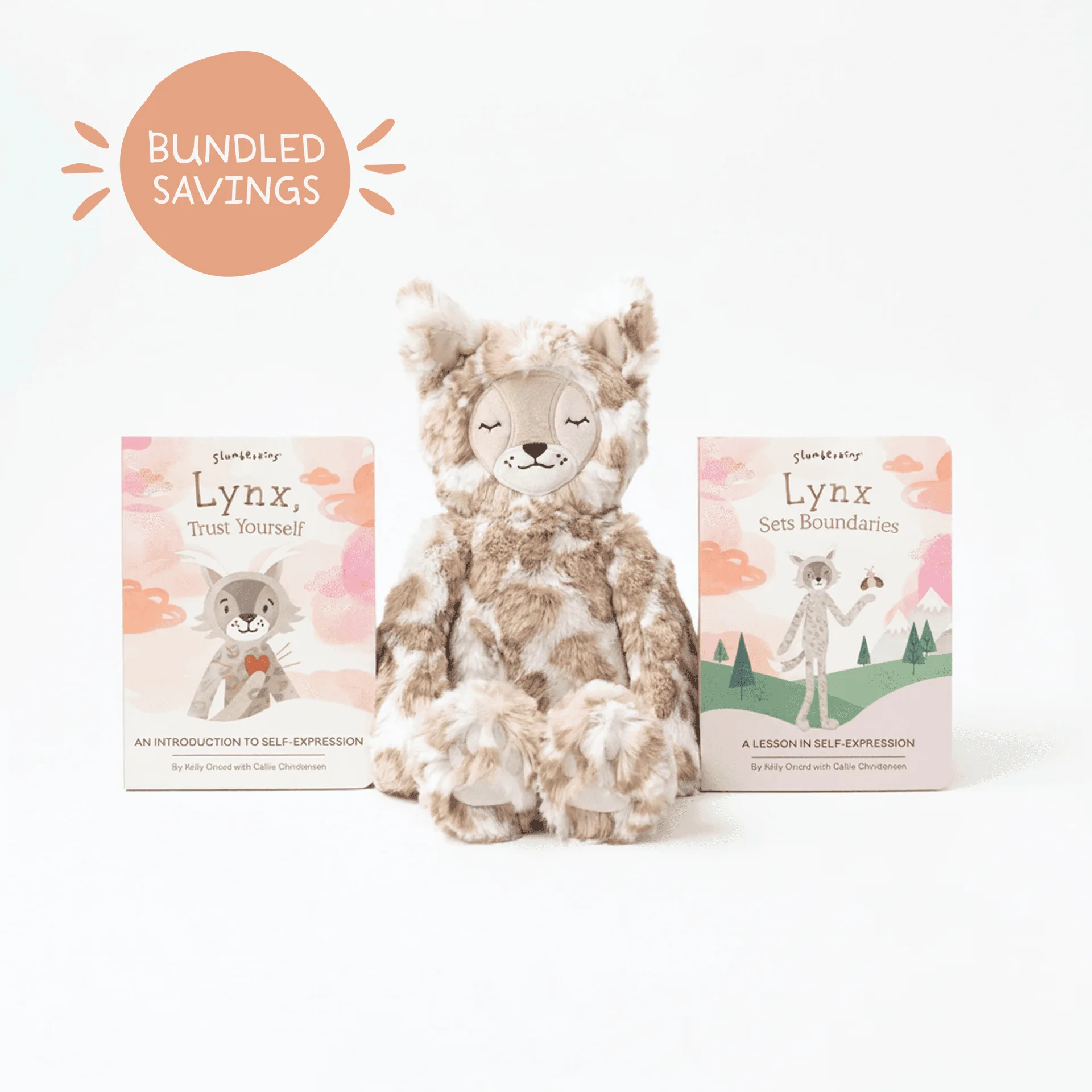
Lynx Kin
The Lynx Kin Single reinforces the unit's themes by reminding children to be bold, brave, listen to their inner voice, and speak up for themselves. Having a physical comfort object during lessons can help younger students feel safe and engaged. The kin's affirmation directly supports the unit's goal of encouraging authentic self-expression.
How to implement the Self Expression Unit Plan in your classroom
- Step 1: Preview the lesson materials: Download the Self Expression Unit Plan and read through all five lesson supports. Note the objectives for self-expression, mindfulness, and healthy boundaries. Gather any additional materials you might need, such as art supplies or a calm-down corner. Checkpoint: Ensure each lesson's goal is clear before you begin. If a concept feels abstract, plan a concrete example (e.g., role-playing a boundary scenario).
- Step 2: Introduce the Lynx Kin as a classroom helper: Show the Lynx Kin to your students and explain that Lynx helps us remember to use our voice and be brave. Let students hold the kin during circle time or when sharing feelings. This creates a safe, tangible anchor for the lessons. Common mistake: Treating the kin as just a toy. Instead, consistently refer to its affirmation to reinforce the lesson theme.
- Step 3: Teach the first lesson on self-expression: Follow the unit plan's first lesson, which typically involves identifying feelings and practicing ways to express them. Use open-ended questions like 'How does your body feel when you are happy?' Encourage students to draw or act out their emotions. Checkpoint: Watch for students who seem hesitant. Offer them the option to whisper to the Lynx Kin or write their thoughts instead of speaking aloud.
- Step 4: Practice healthy boundaries through role-play: Use the lesson on healthy body boundaries to guide students through simple role-plays. For example, practice saying 'stop' or 'I don't like that' in a firm voice. Remind students that their body belongs to them. Common mistake: Making role-play too silly. Keep the tone respectful and give clear examples of real-life situations, like unwanted hugs or tickling.
- Step 5: Reinforce with mindfulness and reflection: End each session with a short mindfulness activity from the unit plan, such as deep breathing or a gratitude circle. Ask students to share one thing they learned about themselves. This solidifies the lesson and builds a routine. Checkpoint: If students struggle to reflect, prompt with 'What is one way you used your voice today?' This connects back to the self-expression theme.
Products that support this guide
- Self Expression Unit Plan: Lesson Supports: Self-Expression, Mindfulness, and Healthy Boundaries. Lynx's lessons focus on the theme of Self-Expression. When students learn to express themselves, they become empowered to set healthy boundaries, build confidence, and seek support. This unit plan gives you a complete, ready-to-teach curriculum that saves planning time while covering essential SEL skills.
- Lynx Kin Single: Promotes: Self-Expression. Lynx Kin and affirmation remind children to be bold, brave, listen to their inner voice, and speak up for themselves. Pairing the kin with the unit plan helps students connect emotionally to the lessons, making abstract concepts like boundaries more concrete.
With these steps, you can confidently use the Self Expression Unit Plan to create a classroom environment where every student feels safe to speak up and be themselves.