Quick answer
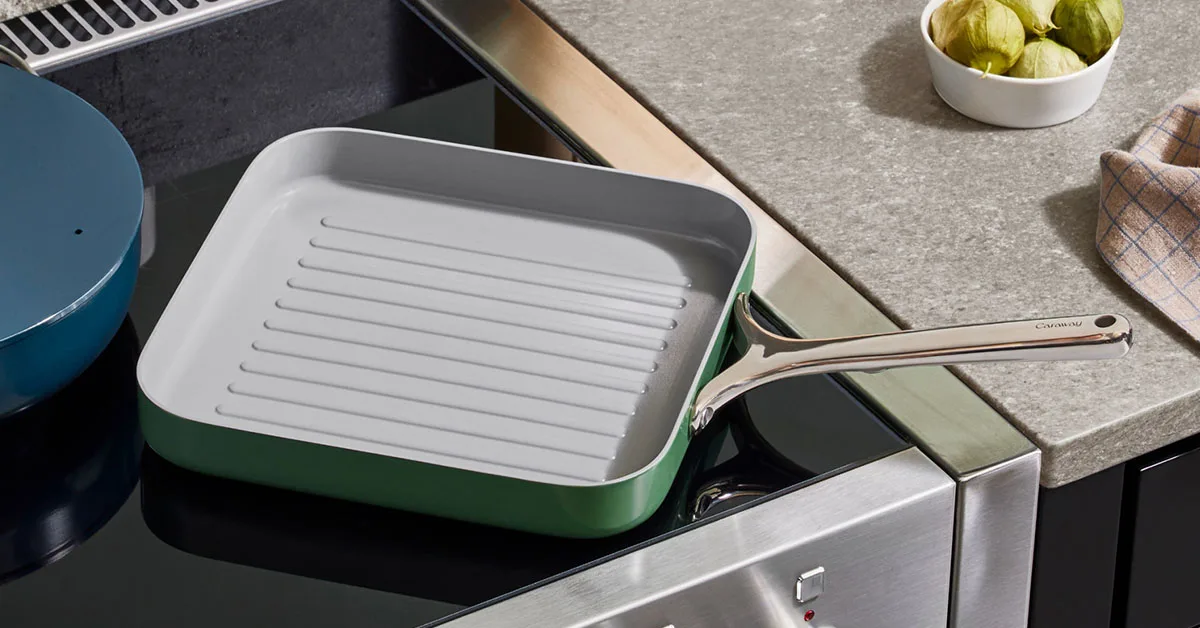
To get perfect indoor grill marks, preheat your square grill pan over medium heat for 3–4 minutes, lightly oil the food (not the pan), and leave it undisturbed until it releases naturally. Use the Caraway Sauté Pan with its non-toxic nonstick surface for easy cleanup and even searing.
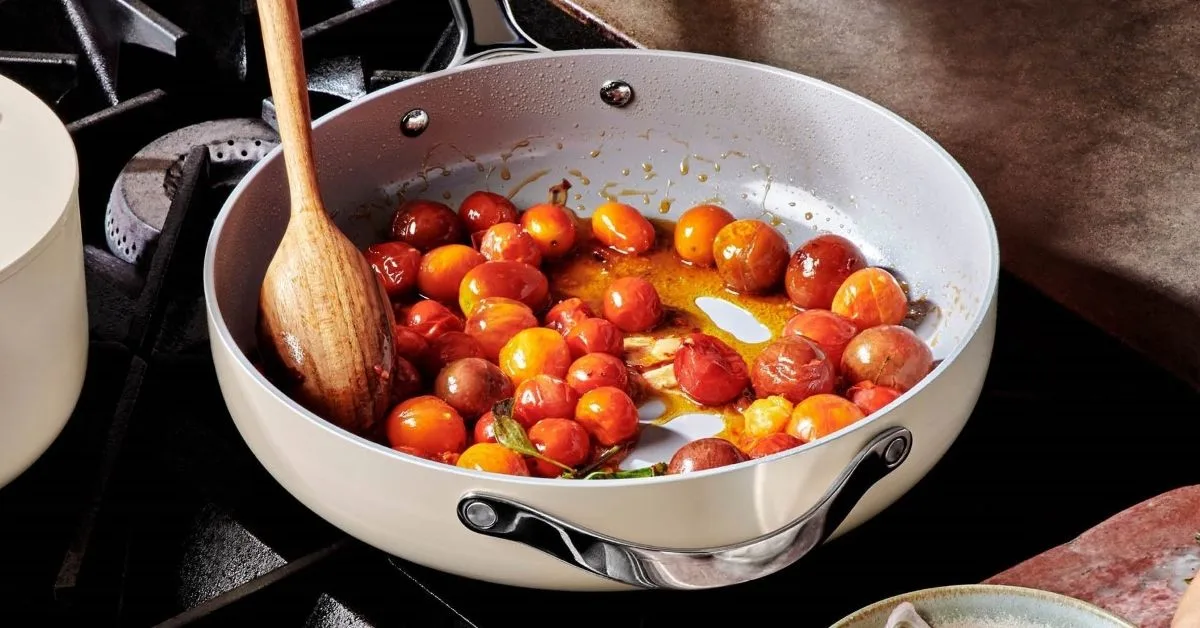
Sauté Pan
A square grill pan brings that charred, smoky flavor indoors without firing up the barbecue. But the difference between beautiful grill marks and stuck, burnt food often comes down to technique, not the pan itself. Whether you're cooking chicken breasts, vegetables, or tofu, a few simple steps can transform your results.
The Caraway Sauté Pan offers a ceramic nonstick surface that makes indoor grilling more forgiving, but the same principles apply to any quality square grill pan. Here's how to use one effectively, from preheating to cleaning.
Why a square grill pan works for indoor grilling
A square grill pan's raised ridges create those iconic char lines while letting excess fat drip into the channels. This design helps food cook faster on the surface and keeps it from sitting in its own juices, which can steam instead of sear. The square shape also gives you more cooking area than a round pan, especially useful for batch-cooking.
The material matters. A heavy pan with a good nonstick coating, like the ceramic finish on Caraway cookware, distributes heat evenly and releases food cleanly. This reduces the need for excess oil and makes cleanup much simpler compared to bare cast iron or stainless steel grill pans.
- Look for a pan with a flat, stable base that sits evenly on your stovetop.
- A pan with a nonstick surface means you can use less oil and still get good results.
Preheat properly to avoid sticking
The most common mistake is adding food to a cold pan. A hot pan creates a quick sear that helps food release naturally. Preheat your square grill pan over medium heat for 3 to 4 minutes. You can test readiness by sprinkling a few drops of water on the surface — they should sizzle and evaporate quickly.
Avoid using high heat, which can cause the oil to burn and create smoke. Medium heat is usually enough to get good grill marks without scorching the exterior before the interior cooks through. If you're cooking thicker cuts, you may need to lower the heat slightly after the initial sear.
- Don't rush the preheat — a cold pan leads to sticking and uneven cooking.
- If smoke appears before you add food, the pan is too hot; let it cool slightly.
Oil the food, not the pan
Brushing or spraying oil directly onto the food helps it release from the ridges and promotes even browning. This also reduces the amount of oil that pools in the channels, which can burn and smoke. Use a neutral oil with a high smoke point, like canola, grapeseed, or avocado oil.
If you prefer to oil the pan, use a paper towel to apply a thin, even layer. Excess oil can drip down and cause flare-ups or smoke. Since Caraway's ceramic nonstick surface requires less oil, you can often skip oiling the pan entirely and just coat the food.
- Season vegetables and proteins lightly with salt and pepper before oiling.
- For a smoky flavor, add a pinch of smoked paprika or chipotle powder to the oil.
Place food and don't move it
Once the pan is hot, lay the food down gently — don't drop it, as that can splatter hot oil. Let it cook undisturbed for several minutes. The food will naturally release from the ridges when it's ready to flip. If you try to turn it too early, it will stick and tear.
How long you wait depends on the food and thickness. For thin vegetables like zucchini slices, 2–3 minutes per side is often enough. For chicken breasts or steaks, 5–7 minutes per side gives you good grill marks and a fully cooked interior. Use a timer or check the internal temperature to be safe.
- Resist the urge to press down on the food — this squeezes out juices and dries it out.
- If food sticks, wait another 30 seconds and try again with a gentle nudge.
Flip once for even marks
For the classic crosshatch pattern, rotate the food 90 degrees when you flip it. This creates a second set of lines that overlap the first. If you're happy with single-direction marks, just flip without rotating. Either way, flip only once to keep the interior moist.
Use a spatula that won't scratch the nonstick surface — silicone or wood works best. Metal utensils can damage the ceramic coating over time. The Caraway Sauté Pan is compatible with gentle utensils, and its nonstick surface makes flipping easy.
- For even cooking, choose pieces of similar thickness.
- If food is browning too fast, lower the heat slightly rather than flipping sooner.
Let food rest and clean up right away
After cooking, transfer the food to a plate and let it rest for a few minutes. This allows juices to redistribute, keeping the meat tender. While the pan is still warm, rinse it with hot water and use a soft sponge to remove any residue. Avoid cold water on a hot pan, which can warp the metal.
Caraway's ceramic nonstick surface makes cleanup simple — most food wipes away with a cloth. For stubborn bits, soak the pan in warm soapy water for a few minutes before scrubbing. Avoid abrasive pads or harsh cleaners that can damage the coating.
- Never put a hot pan in cold water — thermal shock can cause warping.
- Dry the pan thoroughly after washing to prevent rust if it has a metal base.
Your 6-step indoor grilling checklist
- Preheat the pan: Place the square grill pan over medium heat for 3–4 minutes until water sizzles on contact. Checkpoint: A hot pan prevents sticking and gives you clean grill marks.
- Oil the food: Brush or spray a light coat of high-smoke-point oil directly onto the food. Checkpoint: Less oil in the pan means less smoke and fewer flare-ups.
- Place and leave: Lay food gently on the hot pan and leave it undisturbed for 2–7 minutes depending on thickness. Checkpoint: If it sticks, wait 30 seconds more before trying to flip.
- Flip once: Use a silicone or wooden spatula to flip, rotating 90 degrees for crosshatch marks. Checkpoint: Flipping only once keeps the interior juicy.
- Rest the food: Transfer cooked items to a plate and let them rest for a few minutes before serving. Checkpoint: Resting redistributes juices for a more tender bite.
- Clean while warm: Rinse the pan with hot water and wipe with a soft sponge; soak stubborn residue in warm soapy water. Checkpoint: Proper care keeps the nonstick surface working for years.
Products that help with indoor grilling
- Sauté Pan: Discover the best ceramic saute pan with a non-toxic nonstick surface, roomy design, and effortless cleanup — perfect for everyday cooking and family meals. Its roomy cooking surface and nonstick coating give you plenty of space for batch grilling and make it easy to flip food without sticking.
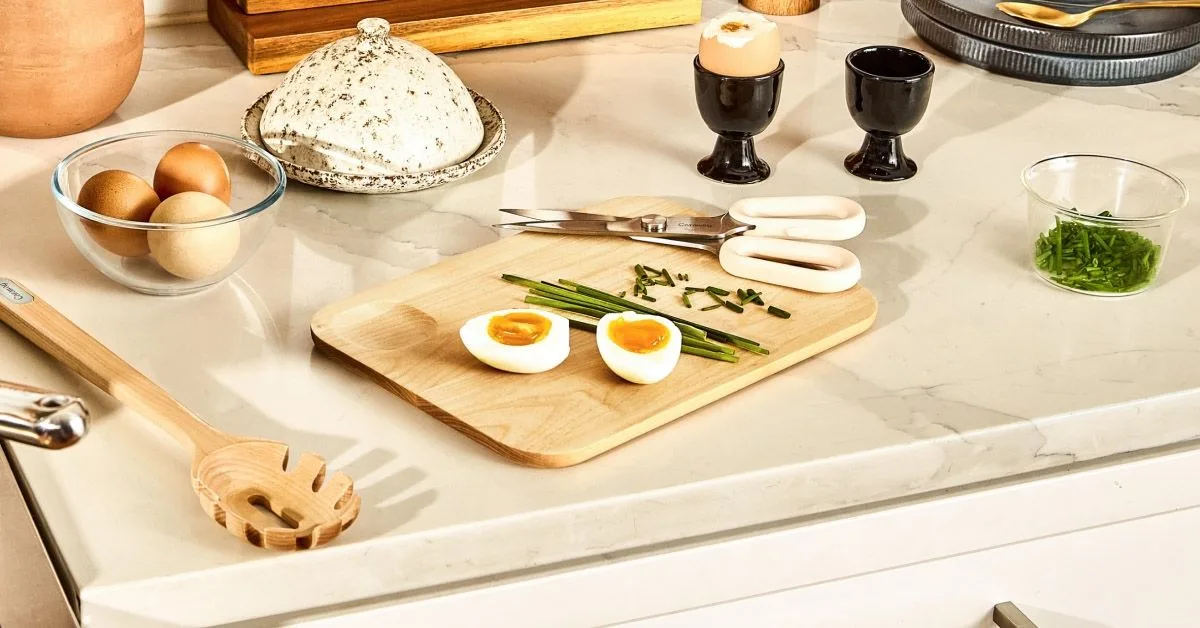
- Small Cutting Board: Meet Caraway’s Small Cutting Board, crafted from non-toxic FSC-certified Birch wood. This board is free of microplastics, offering a safe and sustainable surface for your daily food prep. Made from FSC-certified Birch wood, non-toxic and free of microplastics, compact size ideal for small tasks, durable and gentle on knives. A dedicated cutting board keeps your countertop safe while prepping vegetables or meat for the grill, and the wood surface is gentle on your knives.
With a little patience and the right technique, a square grill pan can deliver delicious, charred results any day of the week. Preheat well, oil the food, and resist the urge to move it too soon — then enjoy easy cleanup thanks to a quality nonstick surface like Caraway's.