Quick answer
Use the Flying Squirrel Pajama as a wearable blanket: choose the right size, zip up from the bottom, and check that cuffs stay at wrists and ankles for safe sleep.
Why a wearable blanket instead of a loose blanket
The American Academy of Pediatrics recommends keeping loose bedding out of the crib to reduce the risk of SIDS. The Flying Squirrel Pajama replaces a blanket with a cozy, fitted sleep sack that moves with your child.
Because it is designed as a wearable blanket, you do not need to add extra layers under it unless the room is very cold. The fleece version (product ID 562395) adds extra warmth for winter nights.
Fleece vs. lightweight: which one to pick
The standard Flying Squirrel Pajama (product ID 562389) is made from a breathable poly-blend fabric suitable for most indoor temperatures. The fleece version (product ID 562395) is thicker and better for colder rooms or winter use.
Both versions have ribbed cuffs at the wrists and ankles to prevent the pajama from riding up during sleep. Choose the fleece if your child tends to feel cold at night; choose the lightweight if your home stays warm or if your child runs hot.
How to put on the Flying Squirrel Pajama
- 1. Choose the correct size: Check the size chart based on your child's weight and height. The pajama fits toddlers 12 months to 5 years. A loose fit is intentional—it gives room to grow and allows safe movement. If your child is between sizes, size up for longer use, but ensure the cuffs still stay at wrists and ankles.
- 2. Lay the pajama flat and unzip fully: Unzip the front zipper all the way. Spread the pajama open on a flat surface. Place your child on top with their arms and legs aligned with the sleeves and legs. Make sure the zipper pull is at the bottom before you start—this prevents accidental pinching when zipping up.
- 3. Insert arms and legs one at a time: Guide each arm into the sleeve and each leg into the leg opening. The loose fit makes this easy even if your child squirms. Pull the fabric up gently until the cuffs sit at the wrists and ankles. If the cuffs are too tight or too loose, try a different size. The ribbed cuffs should stay in place without leaving marks.
- 4. Zip up from bottom to top: Start zipping from the bottom of the pajama. Pull the zipper up to the chest. Ensure no fabric gets caught in the zipper track. The zipper pull should be covered by the fabric flap to prevent scratching. Always zip from the bottom to avoid the zipper coming undone during sleep. Check that the flap is secure after zipping.
- 5. Check fit and safety before sleep: After zipping, check that the cuffs are at the wrists and ankles, not bunched up. Ensure the pajama is not too tight around the neck or chest. Your child should be able to move their arms and legs freely. If the pajama is too loose, the cuffs may ride up—this is a sign to size down. Never add extra blankets or pillows inside the sleep sack.
Product details
-
Sleeping Baby Digging You Flying Squirrel Pajama - Fleece: The Flying Squirrel pajamas double as a wearable blanket, keeping your little one cozy no matter how they toss and turn. This means you don't need a separate blanket, reducing the risk of loose bedding in the crib.
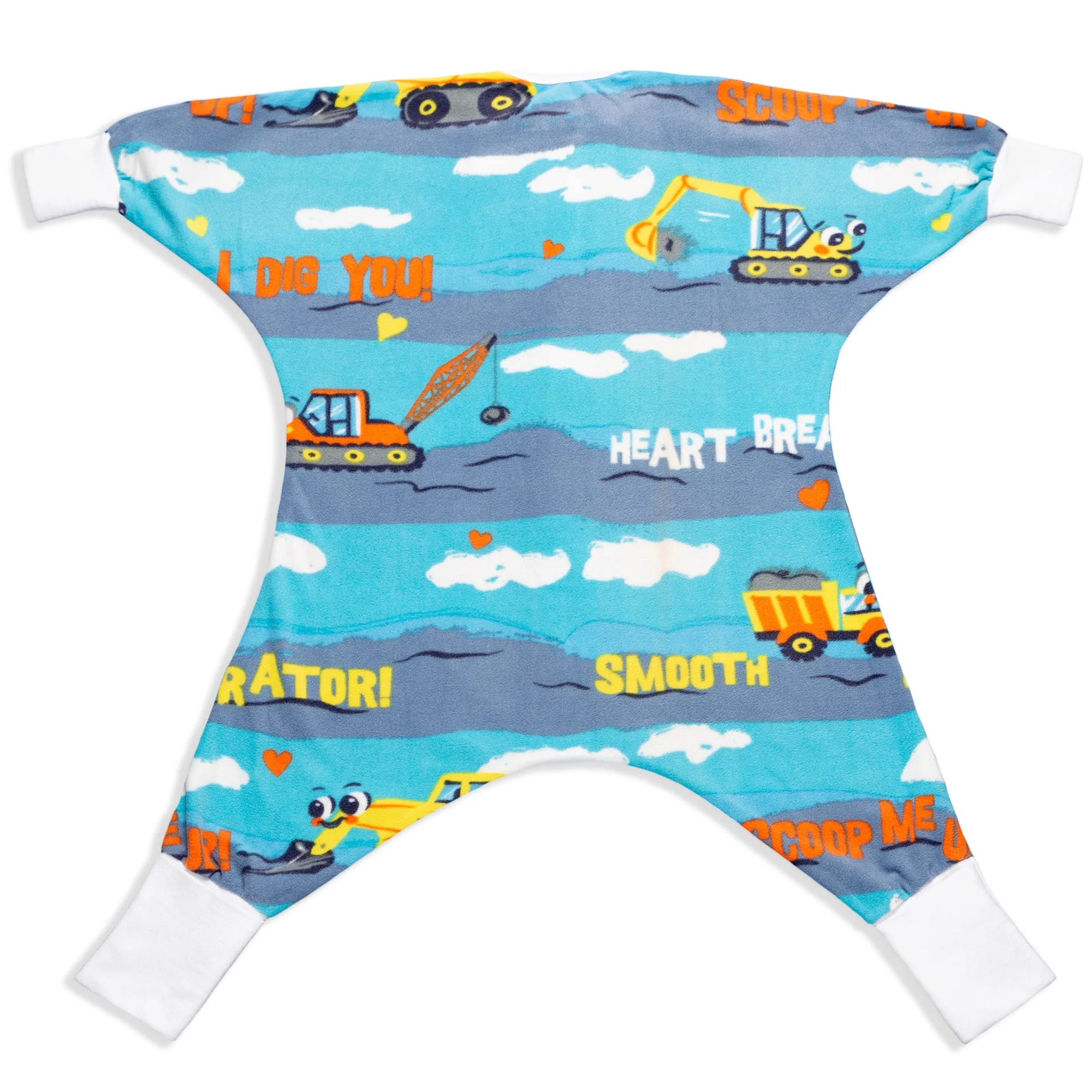
Sleeping Baby Digging You Flying Squirrel Pajama - Fleece
-
Sleeping Baby Digging You Flying Squirrel Pajama: Breathable fabric with gentle stretch, loose fit for plenty of room to grow. The stretch and loose fit allow your child to move freely while staying covered, making it ideal for active sleepers.
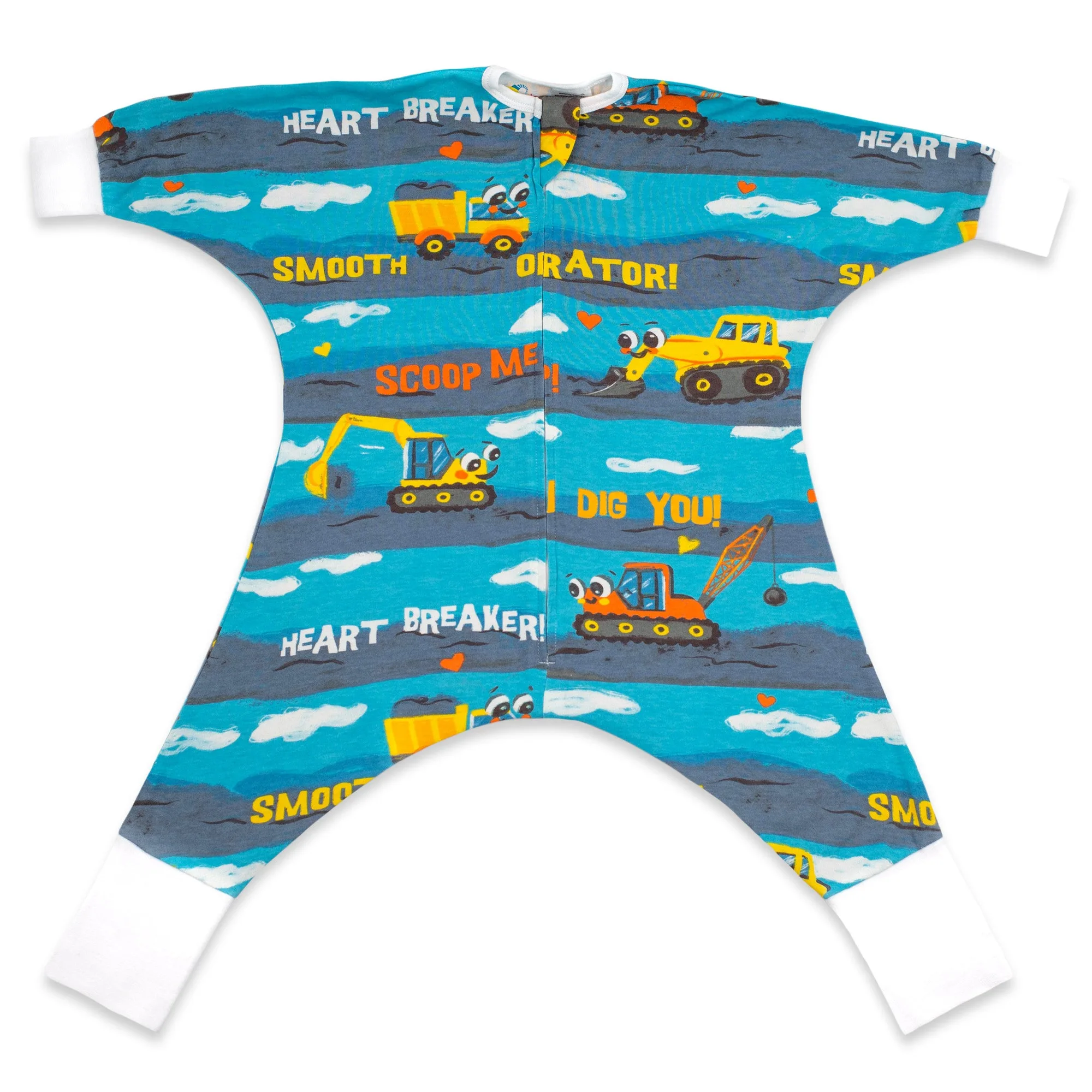
Sleeping Baby Digging You Flying Squirrel Pajama