Quick Answer
Start with a simple threading game that matches your child's current skill level, then gradually increase complexity to build hand-eye coordination and finger strength.
Why Threading Games Matter for Toddlers
Threading games are more than just quiet-time activities. They require a child to coordinate both hands, focus on a small target, and manipulate flexible materials—all of which strengthen the small muscles in the fingers and hands. These are the same muscles used later for writing, buttoning, and using scissors.
For toddlers around age 3, the key is to choose a game that offers just enough challenge without causing frustration. A lacing toy with large holes and chunky pieces is ideal for beginners, while more intricate designs can be introduced as skills improve.
Choosing the Right Threading Game
Not all threading games are equal. Some focus on color recognition, others on numbers or storytelling. The best choice depends on what your child needs to practice most. If they are still mastering the basic motion, a simple bead-threading set works well. If they are ready for a challenge, a game with pattern cards or multiple pieces can extend the activity.
Also consider the theme. A child who loves animals or dress-up will stay engaged longer, which means more practice time. The key is to pick a game that feels like play, not work.
Step-by-Step Guide to Threading Games
- Set Up a Comfortable Workspace: Place the threading game on a flat, well-lit surface. Sit beside your child so you can guide their hands if needed. Make sure all pieces are within easy reach. Check that the child is seated with their feet flat and the table at waist height to avoid straining.
- Demonstrate the Threading Motion: Show your child how to hold the lace in one hand and the bead or tile in the other. Slowly push the lace through the hole and pull it out the other side. Let them try it themselves. If they struggle, use a stiffer lace or a bead with a larger hole to make it easier.
- Start with Simple Stringing: Let your child thread beads or tiles onto the lace without following a pattern. This builds confidence and basic hand-eye coordination. Count the pieces together as they go. Avoid correcting them too quickly; let them experiment freely.
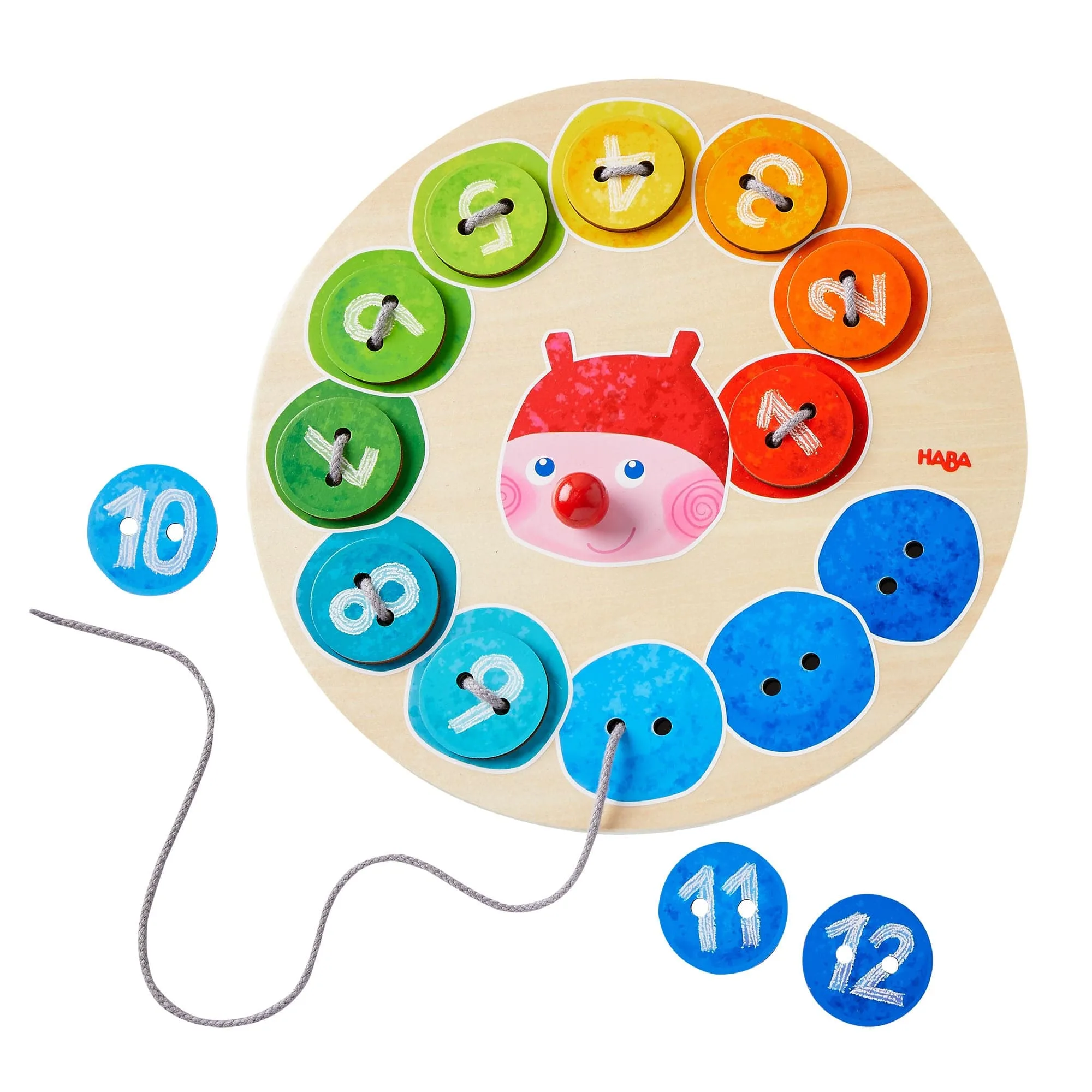
- Introduce Pattern Cards or Sequences: Once your child can thread easily, show them a design card or ask them to follow a color sequence (like the rainbow caterpillar's order). This adds a cognitive challenge. If they make a mistake, gently point out the pattern and let them fix it themselves.
- Encourage Independent Play: Let your child play on their own while you stay nearby. Resist the urge to take over. Praise their effort, not just the finished product. If they get frustrated, suggest a short break and return later.
- Rotate Games to Maintain Interest: Keep two or three threading games and rotate them weekly. This prevents boredom and challenges different skills—like color matching, number order, or creative design. Watch for signs of mastery (like faster threading) and move to a slightly harder game.
Threading Games to Consider
-
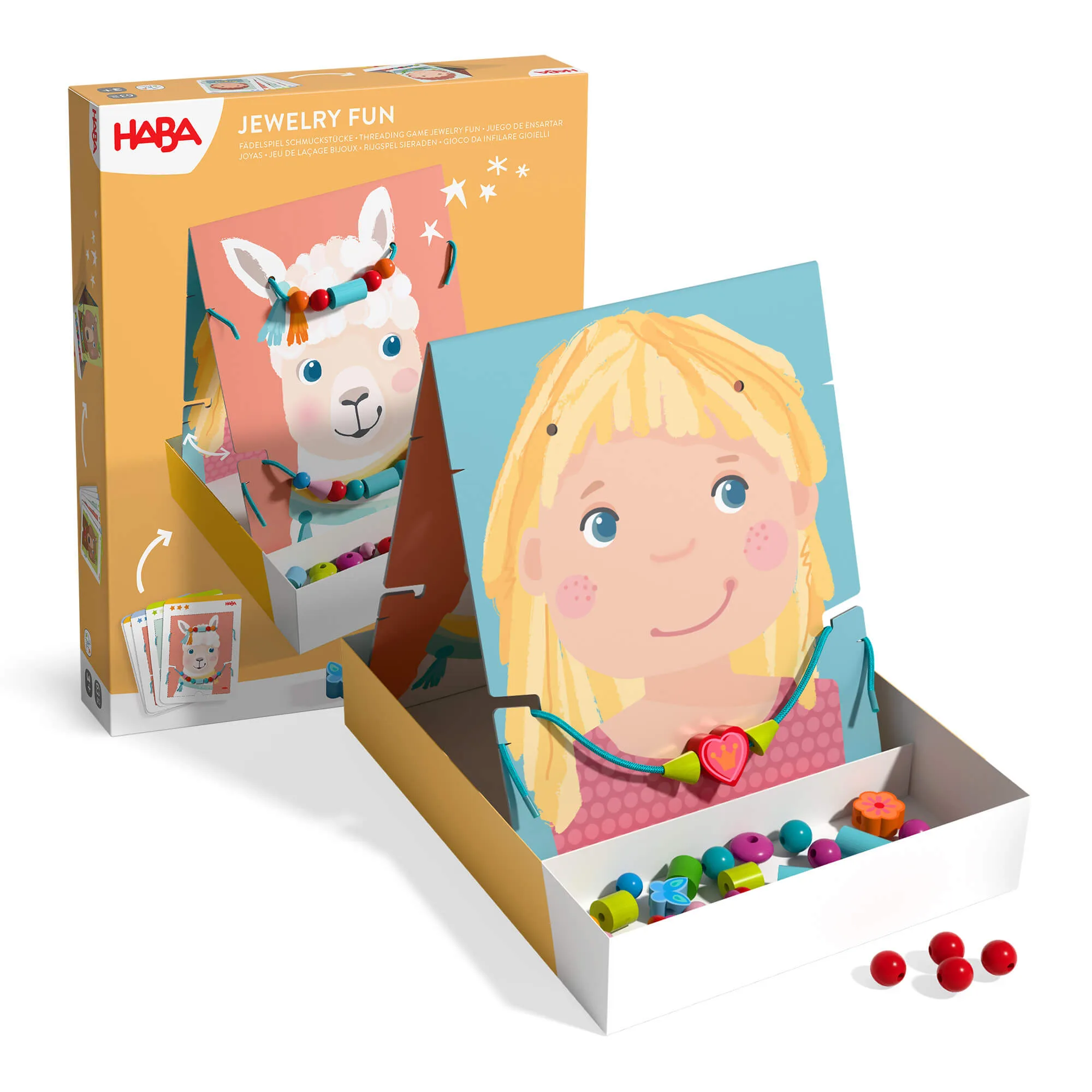
Threading Game Jewelry Fun: This threading game for ages 3+ lets kids create necklaces and headbands using colorful beads and design cards, with a stand to display their finished creations. It combines creative play with threading practice, so children are motivated to complete a project they can see and wear.
Threading Game Jewelry Fun
-
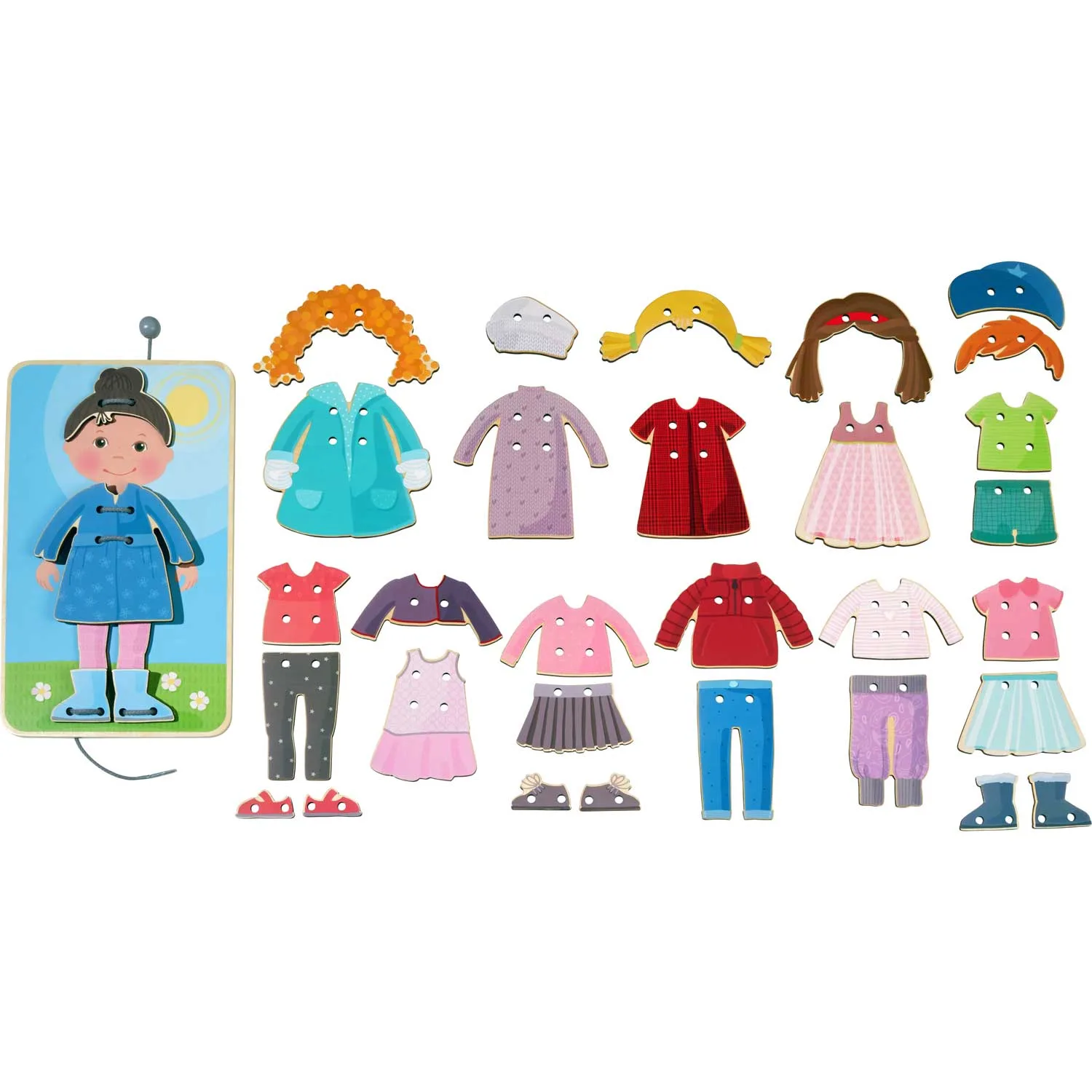
My First Threading Game – Dress Up Fun: Kids can mix and match 36 hairstyle and clothing tiles to dress a character for summer or winter, using a double-sided board. This lacing toy adds a storytelling element that encourages repeated play, which is essential for building fine motor skills.
My First Threading Game – Dress Up Fun
-
Rainbow Caterpillar Counting Threading Game: This set teaches colors, numbers, and the rainbow while children thread tiles onto a caterpillar in the correct order. It combines threading with early math and color recognition, making it a multi-purpose fine motor skills activity.