Quick answer
Trading cards are powerful educational tools that can boost reading, math, and critical thinking. Use them in simple activities like sorting, storytelling, and math challenges to make learning fun and hands-on.
Trading cards are often seen as collectibles, but they are also fantastic educational tools for kids. From boosting reading skills to sparking curiosity about the world, these small pieces of cardboard can turn screen time into engaging learning moments.
In this guide, you'll discover practical, step-by-step activities to use trading cards at home or in the classroom. Whether your child loves sports, animals, or fictional characters, these methods work with any card collection—no special equipment needed.
Why Trading Cards Work for Learning
Trading cards naturally capture a child's attention. Their vibrant images and bite-sized facts make information easy to digest. When kids are interested, they are more likely to remember what they learn. Cards also encourage hands-on interaction, which is proven to enhance retention compared to passive reading.
Moreover, trading cards can be used across subjects. For example, sorting cards by category builds classification skills, while comparing stats like speed or power introduces basic math. Even simple storytelling with cards can improve vocabulary and narrative skills.
- Start with cards your child already loves—they'll be more motivated to learn.
- Keep sessions short (10-15 minutes) to maintain focus and enthusiasm.
Getting Started: Choosing the Right Cards
You don't need to buy new cards to start. Look through your child's collection or your own. If you're purchasing, consider cards with rich educational content, such as those featuring animals, historical figures, or scientific concepts. Many brands offer sets designed for learning, but any card with facts and images can work.
For younger kids, choose cards with large text and clear categories. Older kids can handle more complex stats and themes. Remember, the goal is to make learning enjoyable, so let your child pick cards that interest them.
Step-by-Step Activities to Turn Cards into Learning Tools
- Sort and Classify: Have your child sort cards into groups by color, type, or theme. For example, separate animals from vehicles or group by rarity. This builds early math skills like categorization and pattern recognition. Checkpoint: Can your child explain why they placed a card in a certain group? If not, guide them to think about attributes.
- Create a Story: Pick three random cards and ask your child to invent a short story using them. They can describe characters, settings, and plots. This enhances creativity and language development. Checkpoint: Encourage them to use descriptive words. If they struggle, ask open-ended questions like 'What happens next?'
- Math with Stats: Use the numbers on cards (like attack points or speed) to practice addition, subtraction, or comparison. For younger kids, simply compare which is bigger or smaller. Checkpoint: Ensure they understand the concept by asking them to explain how they solved a problem.
- Research and Learn: Pick a card that features a real person, place, or animal. Have your child research it online or in books to find three new facts. This builds research skills and curiosity. Checkpoint: Ask them to share one fact they found interesting. This reinforces the learning.
Products That Support Learning with Cards
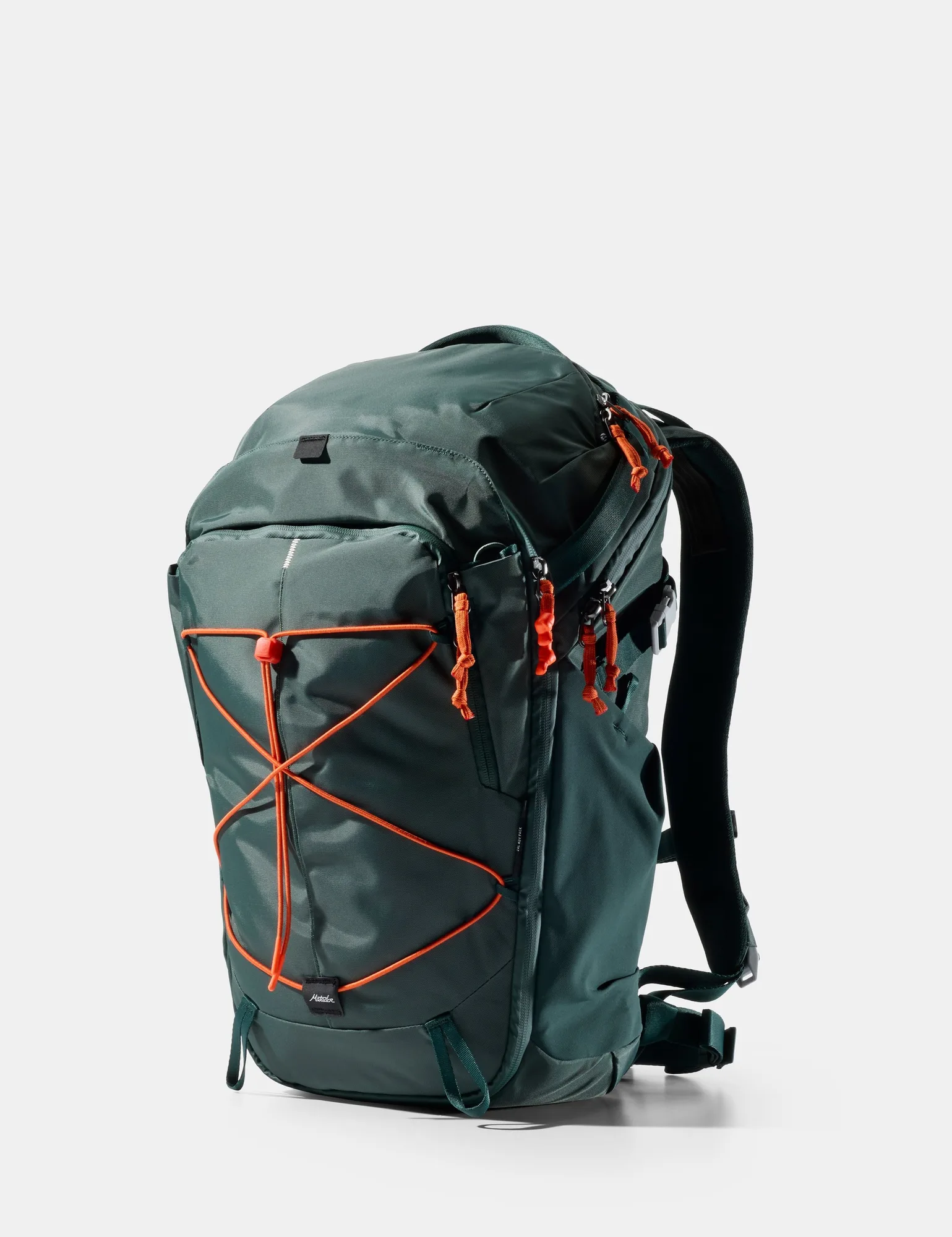
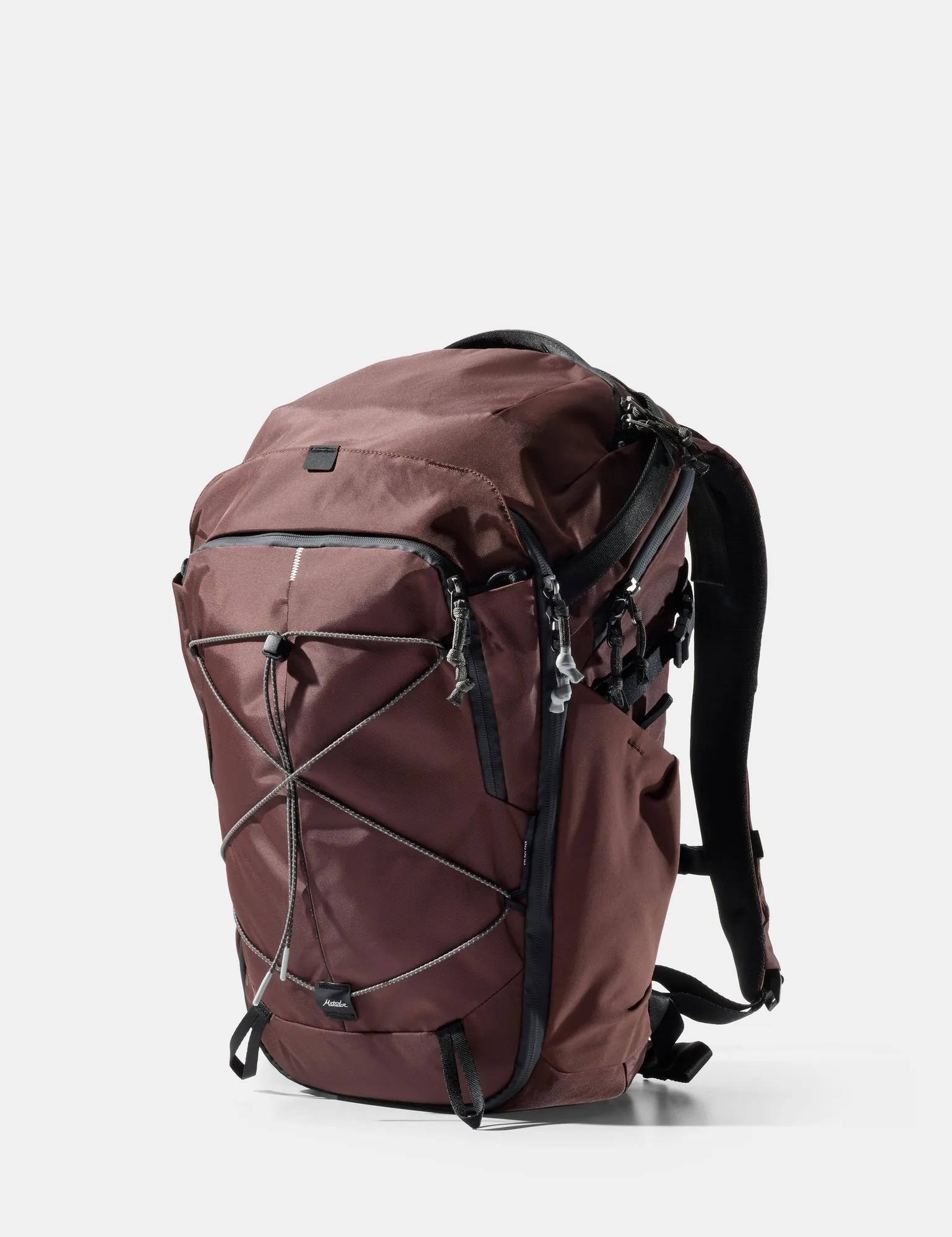
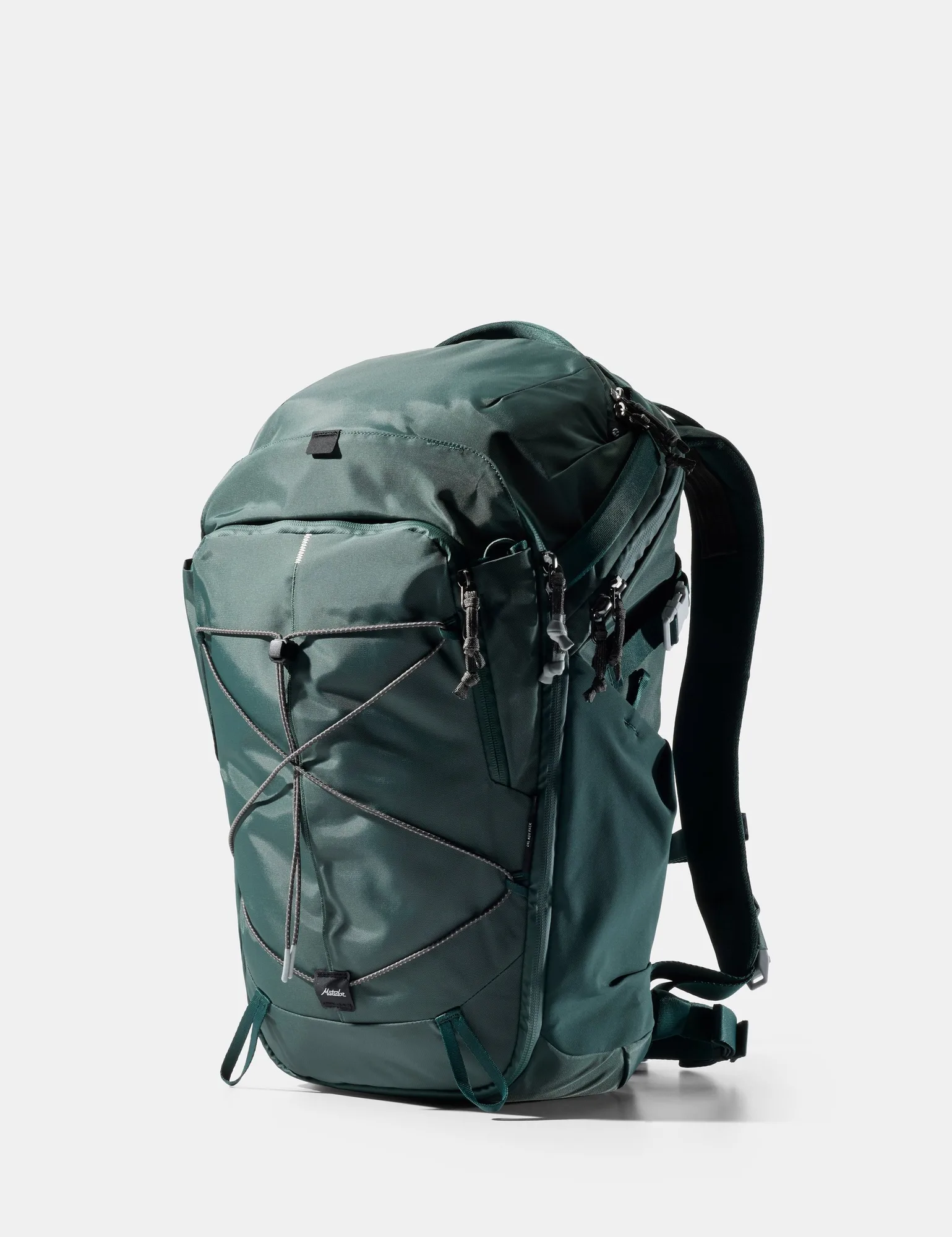
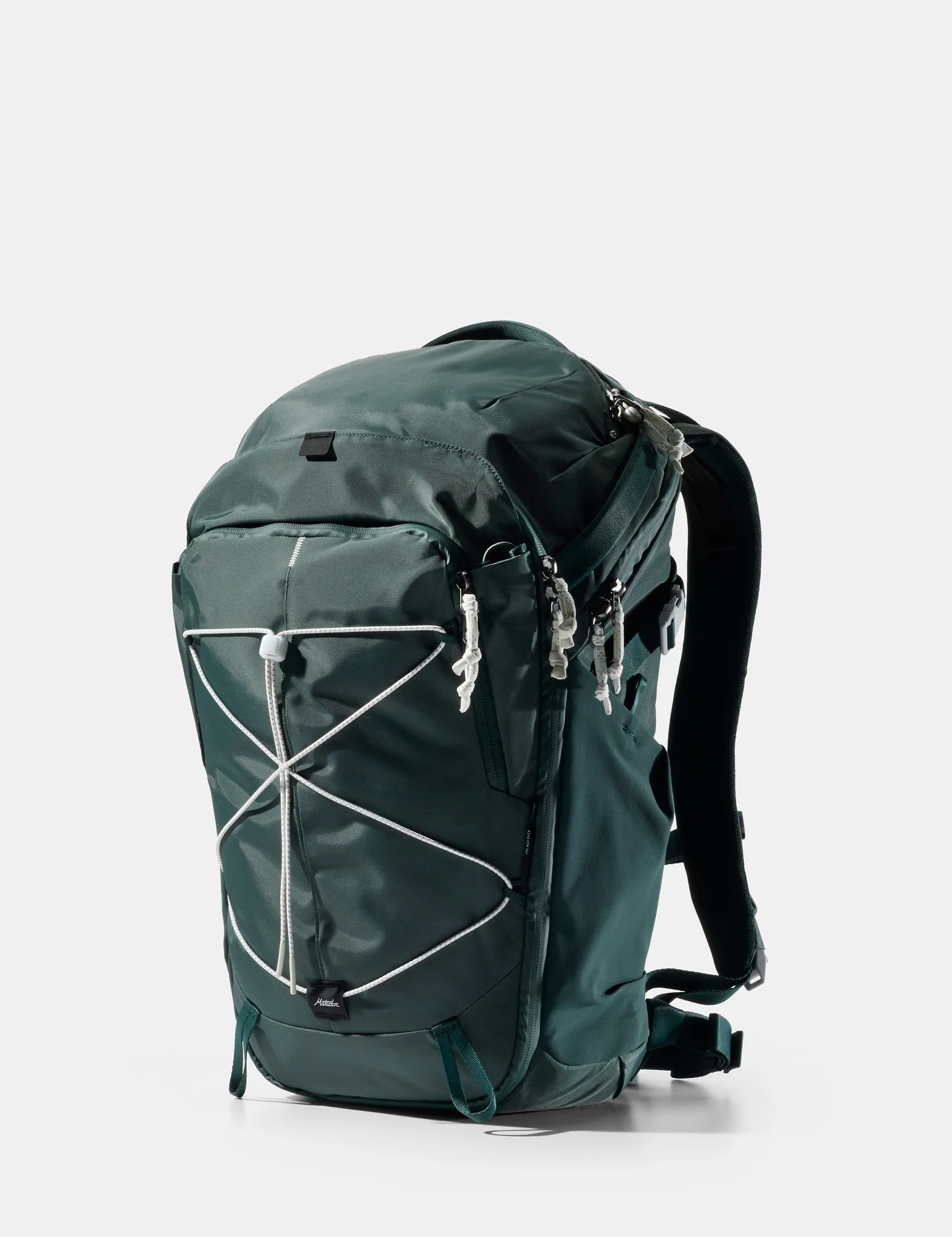
- https://matadorequipments.com/products/24l-adventure-pack-juniper-drip-arcticwhite-8bbfc76859ba8ab6945ad278-871838https://matadorequipments.com/products/24l-adventure-pack-juniper-drip-blackgranite-67d179058802c708d71adcc0-871839https://matadorequipments.com/products/24l-adventure-pack-black-drip-moonstone-44af814ec9a14c443c5d9264-871841https://matadorequipments.com/products/24l-adventure-pack-juniper-drip-orange-b660691878d7f247a0ade819-87184324L Adventure Pack: A true everyday pack — built for every type of day you care to throw at it. The 24L Adventure Pack pulls its weight in the backcountry, the boardroom, and the overhead bin. This versatile backpack keeps trading cards organized and protected, making it easy to bring learning activities anywhere—from a park bench to a classroom.
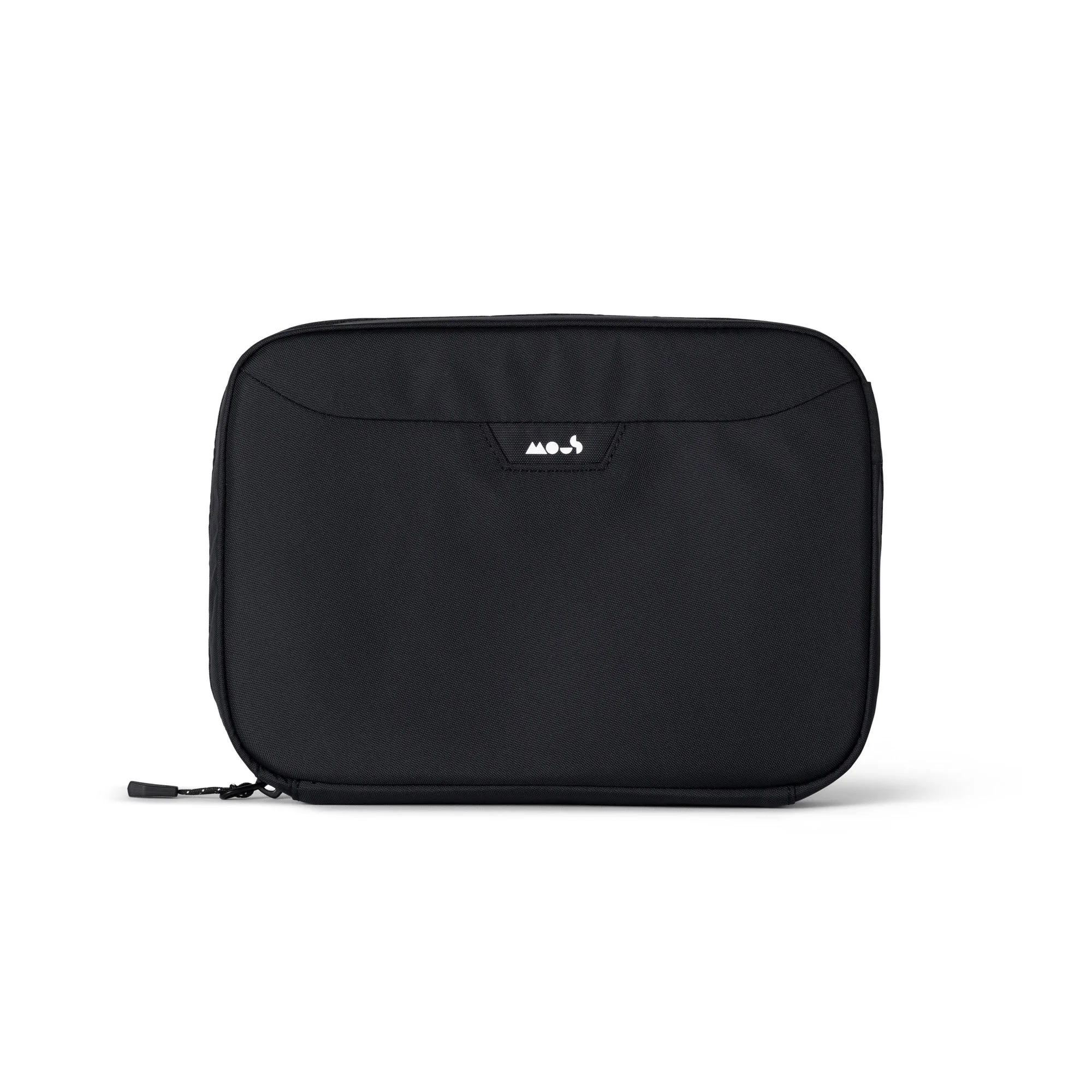
- 24L Tote Pack: Full days or faraway places — the 24L Tote Pack is perfect for both. With three ways to carry and flexible organization, it goes anywhere and does way more than it lets on. Its flexible organization lets you separate card sets and accessories, so you can quickly access the right cards for a spontaneous learning moment.
Trading cards are more than just collectibles—they're versatile tools that can make learning exciting and interactive. By incorporating these simple activities into your routine, you'll help your child develop essential skills while having fun. So grab a deck and start exploring the educational potential of trading cards today!