Quick Answer
To use a wet palette effectively, soak the sponge, lay the parchment paper on top, add your paints, and keep the palette covered when not in use. This simple setup keeps your acrylics workable for hours, letting you blend and layer without rushing.
Why Use a Wet Palette?
A wet palette is a game-changer for miniature painters because it keeps your paints moist and consistent. Unlike a dry palette, where paint dries out quickly, a wet palette provides a humid environment that slows evaporation, giving you more time to work with your colors.
This is especially useful when you're batch-painting troops or refining details on characters, as you can layer, blend, and highlight without the pressure of paint drying mid-stroke.
Choosing the Right Wet Palette
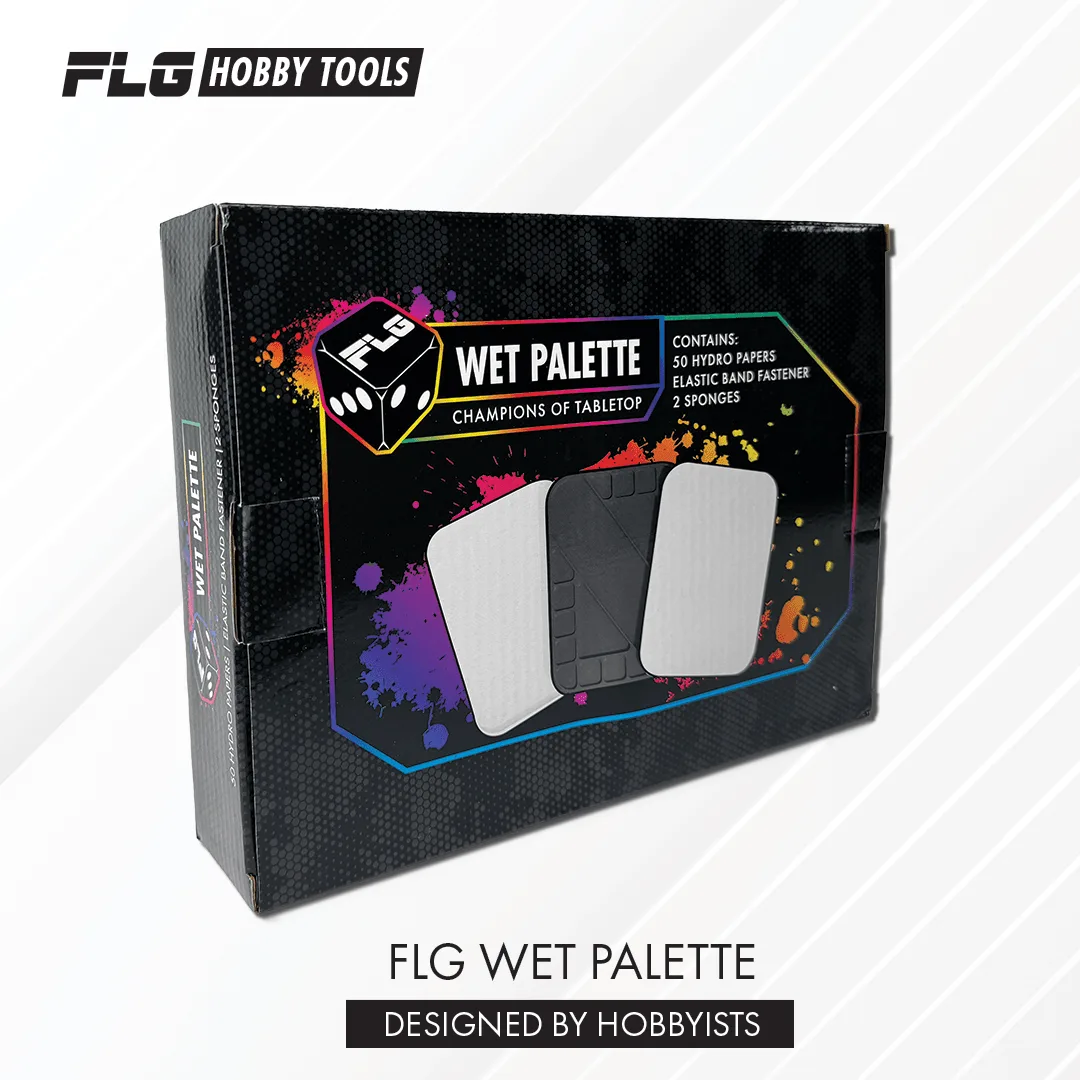
Not all wet palettes are created equal. The FLG Wet Palette is designed for hobbyists who want better control and cleaner results on every miniature. It includes a sponge and parchment paper that are optimized for acrylic paints, ensuring reliable performance.
If you're new to wet palettes, starting with a quality option like the FLG Wet Palette can make the learning curve smoother. It's built for both new painters and seasoned artists, so you can trust it to deliver consistent results.
Common Mistakes to Avoid
One common mistake is using too much water. If the sponge is oversaturated, your paint can become too thin and runny, losing its opacity. On the other hand, if the sponge is too dry, the palette won't keep your paints moist effectively.
Another mistake is using regular paper instead of parchment paper. Regular paper will absorb the water and your paints will dry out quickly. Always use parchment paper, which is non-absorbent and allows moisture to pass through to the paint.
Step-by-Step: Using Your Wet Palette
- Soak the Sponge: Remove the sponge from the palette and soak it in clean water until it's fully saturated. Then, squeeze out the excess water so the sponge is damp, not dripping wet. Place it back in the palette tray. The sponge should be evenly moist but not have standing water on top.
- Lay the Parchment Paper: Cut a piece of parchment paper to fit the palette, ensuring it covers the entire sponge. Lay it on top of the sponge, pressing down gently to ensure contact. The paper should be smooth and wrinkle-free. Avoid using wax paper or regular paper; only parchment paper works correctly.
- Add Your Paints: Squeeze a small amount of acrylic paint onto the parchment paper. Use a brush to spread it slightly, but keep it in a small puddle. The paint will stay moist thanks to the water below. Start with a small amount; you can always add more, but you can't easily remove excess.
- Keep It Covered When Not in Use: When you're not actively painting, place the lid on the palette to seal in moisture. This prevents the paint from drying out, even during long breaks. Always cover the palette when pausing to ensure your paints remain workable for your next session.
- Clean and Store Properly: After painting, remove the parchment paper and discard it. Rinse the sponge with clean water and let it air dry. Store the palette and sponge in a dry place to prevent mold. Regular cleaning extends the life of your palette and keeps it hygienic.
Product Spotlight
-
FLG Wet Palette: The FLG Wet Palette keeps your paints smooth, fresh, and consistent, designed for hobbyists who want better control and cleaner results on every miniature. It ensures your acrylics stay workable longer, so you can focus on technique rather than fighting with drying paint.
FLG Wet Palette