Quick answer
Use grooming wipes as a targeted touch-up tool, not as a substitute for a full bath. Wipe paws, sanitary areas, and small coat spots with a fresh wipe, then dry the area and check the skin. If the coat is greasy, matted, or heavily soiled, book a bath instead.
Wipes earn their place in a grooming routine when they solve a small problem fast: muddy paws after a walk, a sanitary touch-up, or a spot clean before a client pickup. They are not a shortcut around a full bath, and using them that way usually leaves residue, irritation, or a coat that still smells.
The trick is knowing which areas wipes handle well, how to avoid cross-contamination, and when to stop wiping and start bathing. This guide walks through the steps in order, with the mistakes that show up most often.
What grooming wipes are actually for
Wipes are best for surface-level cleanup: paws, sanitary areas, small drool or food spots, and a quick freshen-up on a coat that is already clean. They are not designed to break down heavy grease, remove mats, or treat skin conditions. If the coat feels oily or the dog smells sour, a bath with a deep-cleaning shampoo is the right next step.
Because wipes stay damp and are used close to sensitive areas, storage and handling matter. Keep the container closed, use one wipe per area, and never put a used wipe back into the pack. A wipe that picks up debris from paws should not then be used on the face.
- Use wipes on intact skin only. Do not wipe over hot spots, open sores, or irritated areas.
- If the dog has a known skin condition, ask the owner or veterinarian before using any wipe.
Step-by-step: a safe wipe-down routine
Start with clean hands and a fresh wipe. Work from the cleanest area to the dirtiest: face first, then body, then paws and sanitary areas last. This order keeps bacteria from the rear from traveling to the eyes or mouth. Use a new wipe when you move from one body zone to another, especially after paws.
For each area, wipe in the direction the coat grows rather than scrubbing back and forth. Scrubbing pushes debris deeper into the coat and can tangle longer hair. After wiping, blot the area with a dry towel so no moisture sits against the skin. Moisture trapped in a thick coat is a common cause of odor and skin problems.
- Common mistake: using one wipe for the whole dog. That spreads dirt and bacteria from the rear to the face.
- Checkpoint: if the wipe comes away heavily soiled, the dog likely needs a bath, not more wiping.
Paws, sanitary areas, and face: the three priority zones
Paws pick up the most debris, so they need the most attention. Spread each paw pad gently and wipe between the pads, then dry. This is also a good time to check for cuts, burrs, or cracked pads. If the dog is licking its paws after a wipe, rinse the area with plain water and dry it again.
Sanitary areas need a gentle, single-direction wipe with a fresh cloth, followed by a dry blot. For faces, use a separate wipe and avoid the eyes. Wipe outward from the nose and mouth, and never push debris toward the eyes. If the dog has tear staining or eye discharge, a dedicated facial product is safer than a general body wipe.
- Use a different wipe for each paw if the dog has been outside in mud.
- For faces, a damp cotton pad or a facial-specific wipe is gentler than a textured body wipe.
When to skip wipes and bathe instead
Wipes are a support tool, not a deep clean. If the coat is greasy, matted, or has a strong odor, a bath with a deep-cleaning shampoo is more effective and less likely to leave residue. For dogs with thick or long coats, a quick-dry finishing spray after the bath can cut drying time and reduce the chance of mats forming while the coat dries.
If the dog has been skunked, rolled in something dead, or has a skin infection, wipes are not appropriate. Those situations need a full bath with the right product, or veterinary care. Using wipes in those cases can spread the problem and delay proper treatment.
- Common mistake: wiping a greasy coat and calling it clean. The wipe just moves the oil around.
- Checkpoint: if the dog still smells after a wipe-down, it needs a bath.
Wipe storage and cross-contamination
Wipes live in a damp container, which is a good environment for bacteria if the lid is left open or dirty hands reach in. Keep the container closed between uses, store it away from direct heat, and never use a wipe that has dried out or changed color. If you are grooming multiple dogs, use a fresh wipe for each dog and wash your hands between dogs.
For mobile groomers, keep a separate container for sanitary and paw wipes versus face wipes. Labeling the containers prevents mix-ups when you are working quickly. If a wipe is dropped on the floor, throw it away rather than using it.
- Do not use the same wipe on multiple dogs, even if it still looks clean.
- If the wipe container smells sour or the wipes look discolored, replace the pack.
Your between-bath wipe checklist
- Gather supplies and wash hands: Set out a fresh wipe for each body zone, a dry towel, and a waste bag. Wash your hands before handling the dog. Checkpoint: if you only have one wipe, get more before you start.
- Wipe the face first with a separate wipe: Wipe outward from the nose and mouth, avoiding the eyes. Use a gentle, single-direction motion. Common mistake: wiping toward the eyes and pushing debris into them.
- Wipe the body in the direction of coat growth: Use a fresh wipe for the body. Do not scrub back and forth, which tangles longer coats. Checkpoint: if the wipe comes away greasy, stop and plan a bath.
- Wipe paws and sanitary areas last with fresh wipes: Spread paw pads to clean between them, then blot dry. Use a separate wipe for sanitary areas. Common mistake: using the paw wipe on the face afterward.
- Dry every area you wiped: Blot with a dry towel so no moisture sits against the skin, especially in thick coats. Checkpoint: damp skin under a thick coat is a common cause of odor.
- Check the skin and coat before finishing: Look for redness, bumps, mats, or debris you missed. If you find a problem, address it or refer to a vet. Next step: if the dog still smells or feels greasy, bathe with a deep-cleansing shampoo.
Products that support a between-bath routine
- Showseason Down & Dirty Shampoo-16oz.: This deep-cleansing shampoo uses aloe vera to condition while it cleans, and it has a melon scent. When a wipe-down is not enough, this is the bath step that actually removes grease and odor instead of spreading it.
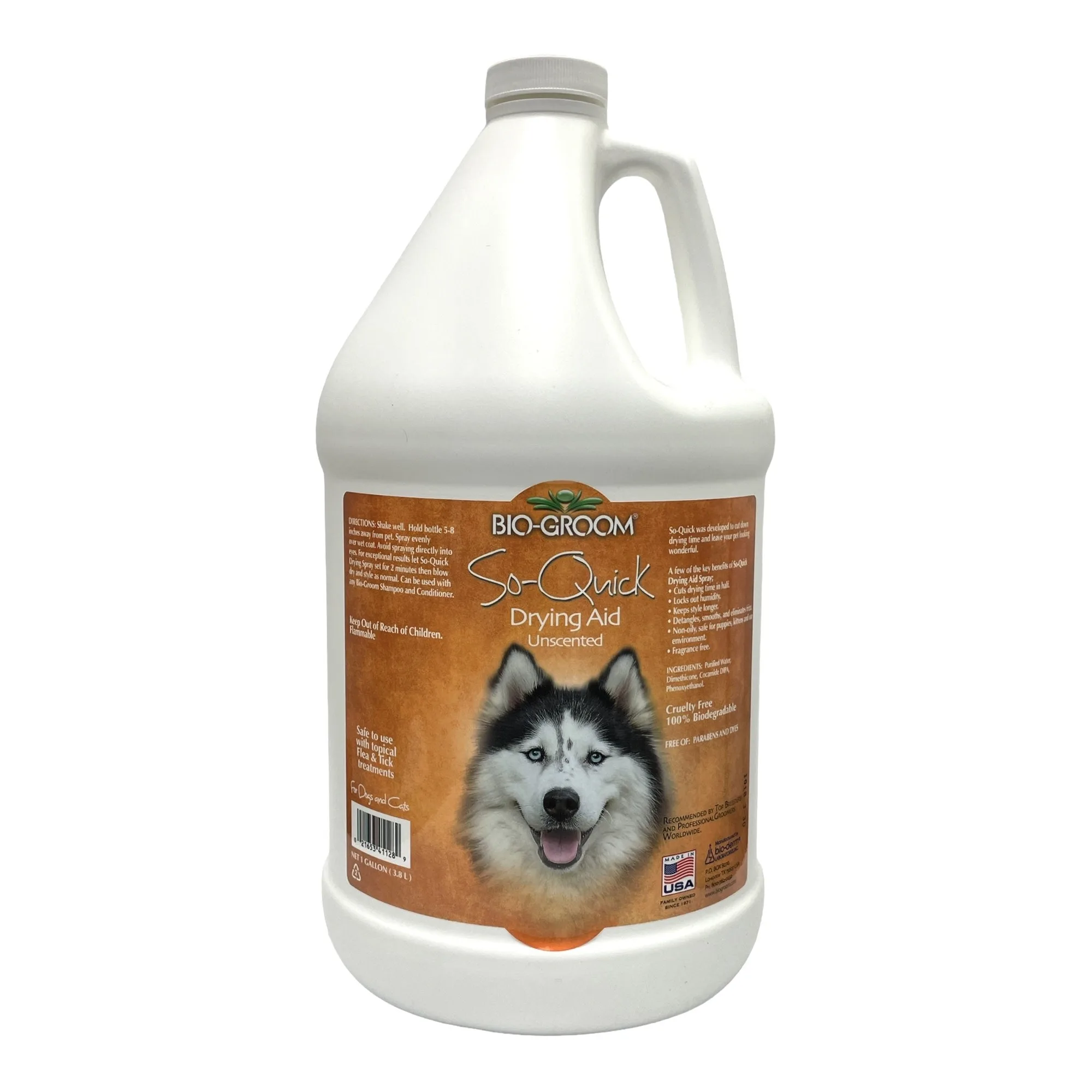
- Bio Groom So-Quick Gallon: This quick-dry spray is designed to cut drying time by up to 50% and has a residue-free, non-oily formula that detangles and smooths hair. After a bath, it helps thick or long coats dry faster and reduces the chance of mats forming while the coat is damp.
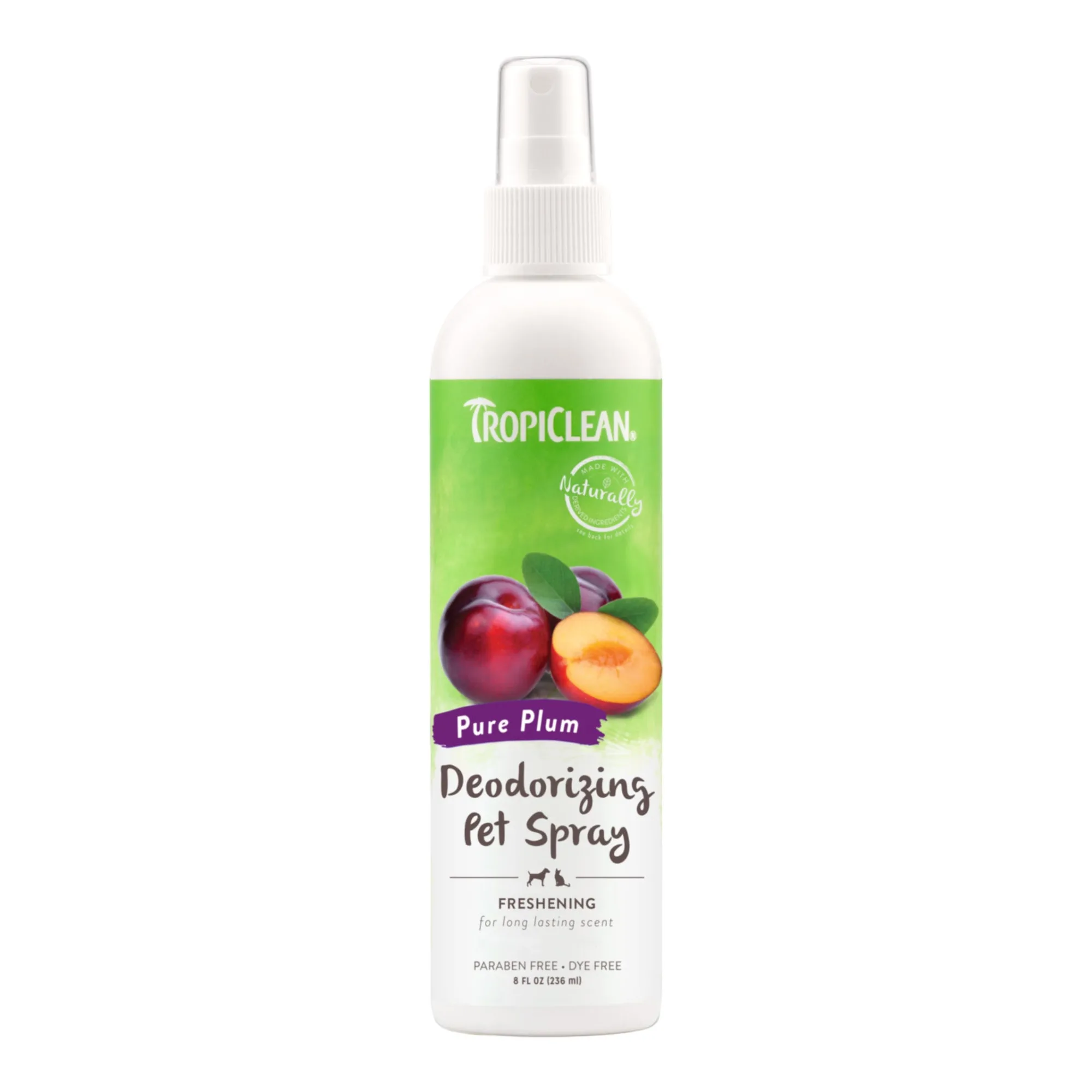
- TropiClean Pure Plum Deodorizing Cologne Spray 8oz.: This cologne spray is formulated with natural ingredients to reduce and eliminate pet odors, and it can be used on bedding and furniture as well as the pet. For a quick freshness boost between baths, it targets odor on surfaces and the coat without adding a heavy perfume.
Wipes are a fast, useful tool when you use them for the right jobs: paws, sanitary areas, and small touch-ups. Pair them with a real bath when the coat is greasy or dirty, and always dry the areas you wipe. That routine keeps dogs comfortable and stops small messes from turning into bigger grooming problems.