Quick answer
Rinse your cloth pad immediately after use, store it in a waterproof bag, then wash it with a small amount of gentle soap and cold water. Wring it out and let it air dry fully before reuse. This simple routine works anywhere—no washing machine or special detergent needed.
What to pack for on-the-go pad care
Before you leave, put together a small kit: a waterproof wet bag (or two—one for clean, one for used), a travel-sized bottle of gentle, fragrance-free soap, and a few clothespins or a travel clothesline. A collapsible wash basin or a large zip-top bag can double as a wash bucket. If you're camping, a dedicated small container for rinsing keeps things tidy. Avoid scented soaps or fabric softeners—they can leave residue that irritates skin and reduces absorbency. Everything fits in a pouch smaller than a paperback book.
How to wash without a machine
When you're ready to wash, fill your basin or bag with cold water and a drop of soap. Submerge the pad and gently knead it for about 30 seconds. Drain the soapy water, then refill with clean cold water and rinse until the water runs clear. If the pad is heavily soiled, repeat the soap step once. Wring it out firmly—you can roll it in a towel and press to remove more water. Hang to dry in the sun if possible; UV light helps sanitize and bleach stains. On cloudy days, air dry near a vent or in a breezy spot. Never use hot water, which can set stains and damage the cotton fibers.
Step-by-step: washing cloth pads on the go
- Rinse immediately after use: Hold the pad under cold running water or dunk it in a basin. Squeeze gently until the water runs mostly clear. If you can't rinse right away, fold the pad and place it in your wet bag—but don't let it sit damp for more than a day. Common mistake: using hot water, which sets stains and odors. Always start with cold.
- Store used pads in a waterproof bag: Keep a dedicated wet bag for dirty pads. If you're camping, hang the bag from your backpack or tent loop to keep it off the ground. Never seal a wet pad in a plastic bag without airflow—it will get smelly fast. Checkpoint: the bag should be breathable or have a zipper you can leave slightly open.
- Wash with gentle soap and cold water: Fill a basin or large zip-top bag with cold water and a drop of fragrance-free soap. Add the pad, knead for 30 seconds, then drain. Rinse with clean cold water until no suds remain. For extra cleaning, repeat once. Common mistake: over-soaping. Too much soap leaves residue that can irritate skin and reduce absorbency.
- Wring and air dry completely: Squeeze out as much water as you can, then roll the pad in a dry towel and press. Hang it in direct sun if possible, or in a breezy, well-ventilated spot. Pads must be bone dry before you pack them away or wear them again. Checkpoint: if you can feel any dampness, keep drying. Damp pads grow mildew.
GladRags products that make travel care easier
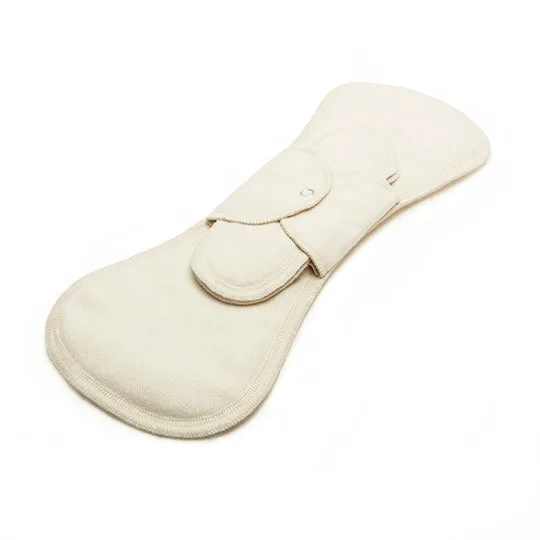
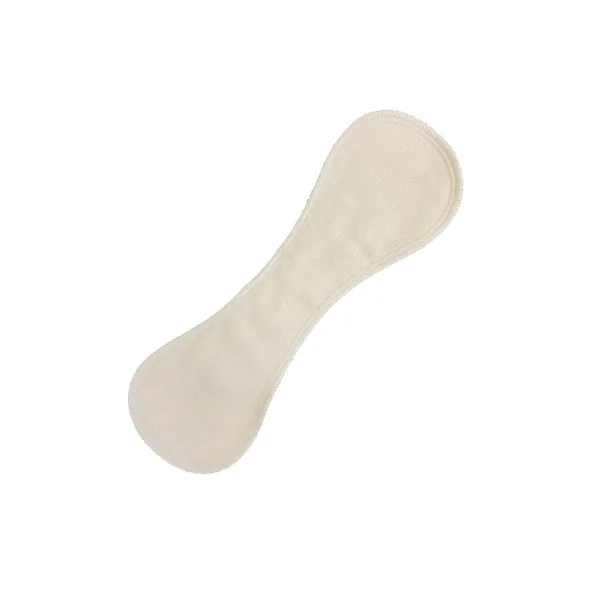
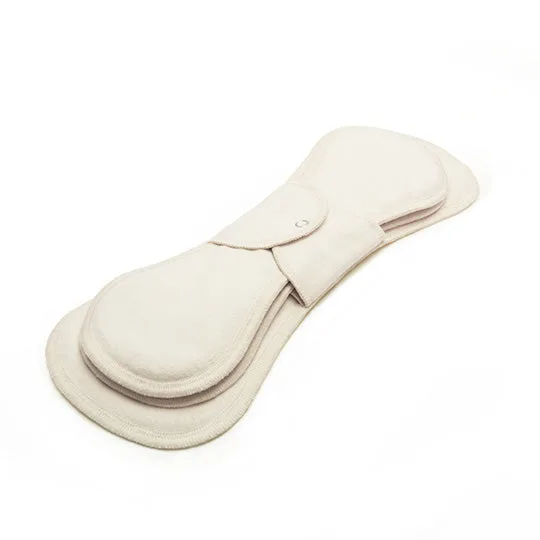
- Just the Insert - Organic Night Insert: Just the Insert - Organic Night Insert is a flared organic cotton insert that adds absorbency over an extended coverage area and is approximately 12 inches long. Its separate insert design lets you swap out only the soiled layer, so you can rinse a smaller piece and extend time between full pad washes on a trip.
- Organic Night Pad Plus: Organic Night Pad Plus includes one holder and two long, flared inserts, with full absorbency equivalent to a standard overnight maxi pad, and is 14 inches long. The two inserts mean you can replace just the insert after a rinse, keeping the holder fresh for multiple nights—ideal when washing facilities are limited.
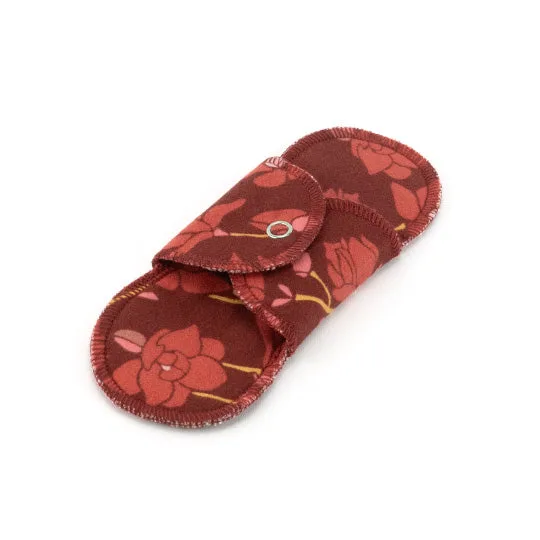
- Organic Pantyliner Extra Long: Organic pantyliner-extra-long-4578658cd87e7daaf7f828e5-1032345">Pantyliner Extra Long is approximately 14 inches long, 3 inches wide in the middle and 5 inches at the widest with wings snapped, and is made with 100% organic cotton fabric. Its long, slim shape makes it a low-bulk backup for a menstrual cup or tampon, so you can carry fewer pads and still stay protected on travel days.