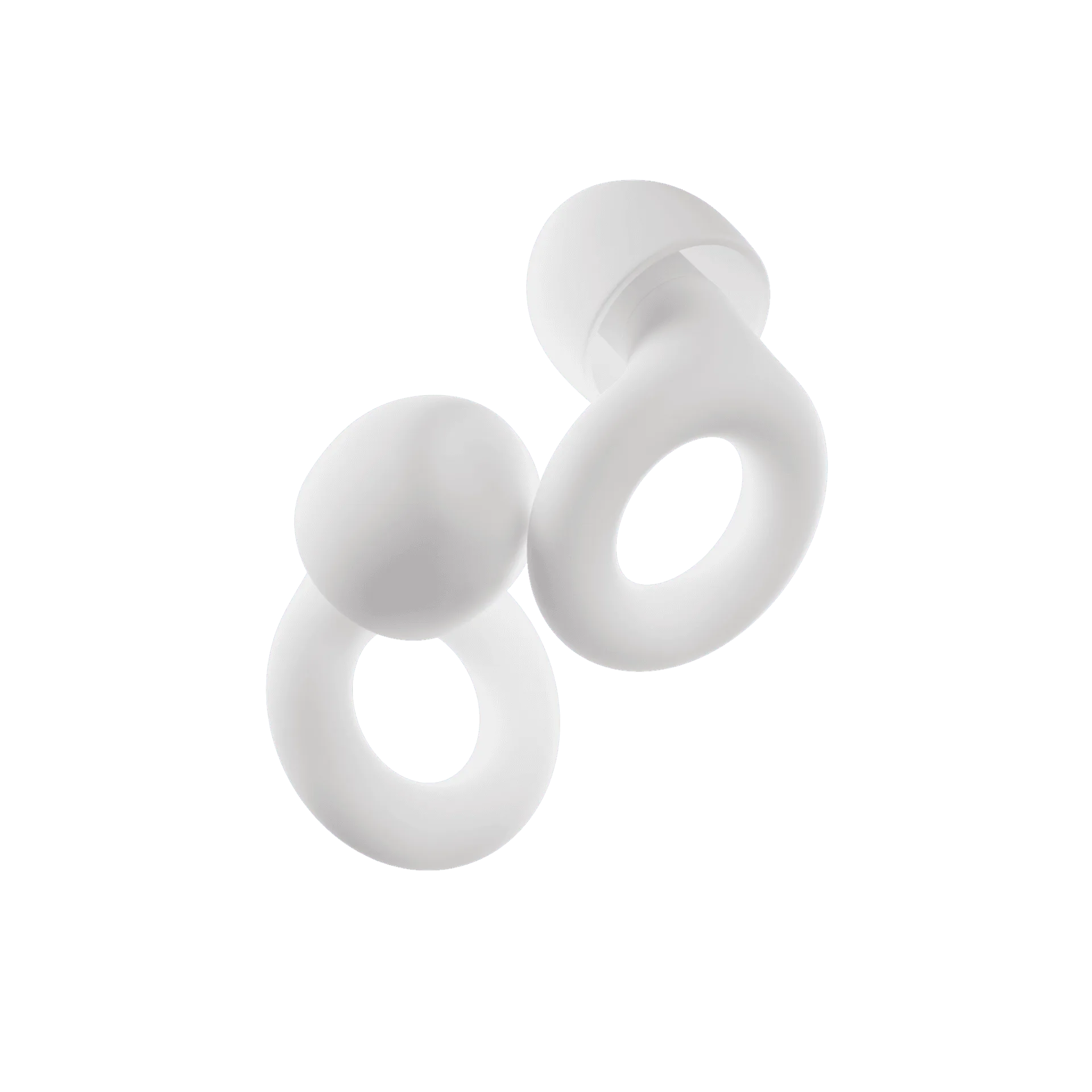
Quick Answer
Pull your ear up and slightly back, slide the Loop in with a gentle twist, then let it settle for a minute before you judge the seal. Most all-day discomfort and earplugs falling out come from rushing the insertion or choosing a tip that is slightly too large, not from the earplug itself.
Why the First 60 Seconds Decide the Next 8 Hours
A Loop that feels fine for five minutes can turn into pressure, itch, or a loose fit by hour three. The difference is usually how the tip sits in your ear canal, not how hard you push. Inserting too fast traps air and creates a shallow seal that slowly works its way loose. Inserting with a slow twist lets the tip settle where it can stay put without constant adjusting.
Before you insert anything, warm the earplug tip between your fingers for a few seconds. A slightly warmed tip is more flexible, so it follows the curve of your canal instead of fighting it. This one habit prevents most of the sore spots people blame on long wear.
Match the Tip to the Job, Not Just the Ear
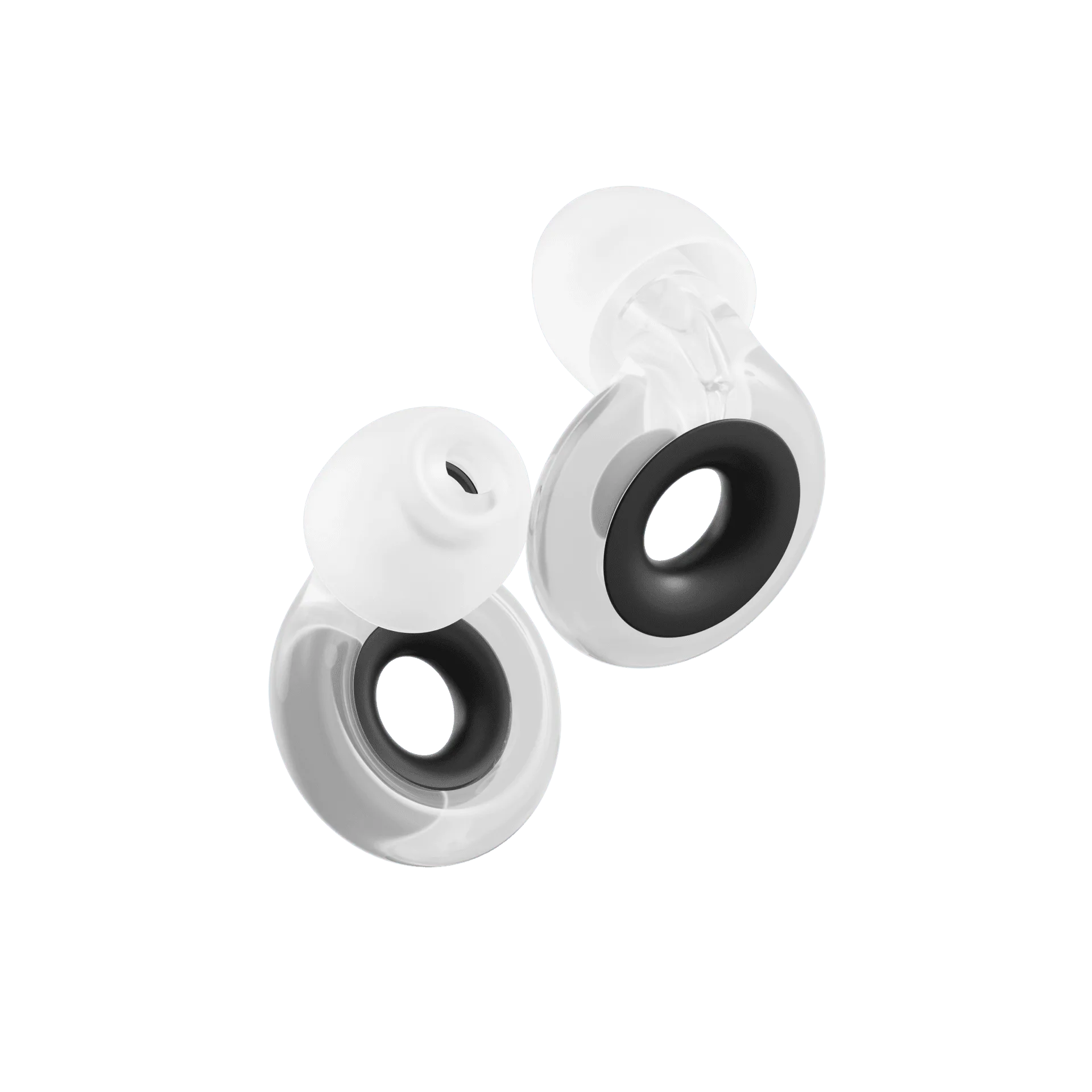
Tip size is the most common reason Loop earplugs fall out. If the tip is too small, the earplug feels loose and shifts when you talk or chew. If it is too large, it presses outward and pops free within minutes. The right size disappears: you feel it, but you do not think about it.
Test each size for a full two minutes before switching. A tip that feels snug at first may become uncomfortable once your ear warms up, and a tip that feels loose may seal properly after it softens. Keep the size that stays quiet and calm for the whole test, not the one that feels tightest at the start.
- Too small: the Loop shifts when you smile, talk, or turn your head.
- Too large: you feel pressure at the entrance of the canal within minutes.
- Just right: the seal holds through jaw movement without needing a re-push.
Insertion Angles That Actually Stay Put
Your ear canal does not run straight in. It angles slightly forward and up, so a straight push often hits the wall and stops short. Reach over your head with the opposite hand, pull the top of your ear up and back, and guide the Loop in along that angle. This opens the canal and lets the tip pass the first bend without force.
Once the tip is seated, give it a quarter-turn toward your nose. That small rotation helps the flange sit flat against the canal wall instead of folding. Then hold it gently for five seconds. If you feel a slow release of pressure, the seal is setting. If you feel nothing, the tip is likely too small or not deep enough.
The Comfort Check You Should Do Before Hour Two
At the one-hour mark, stop and notice your jaw, your outer ear, and your canal. Any sharp pressure or throbbing means the fit is wrong, not that you need to tough it out. Remove the Loop, reseat it with a fresh twist, and if the pressure returns in the same spot, change the tip size or try the other ear.
For all-day wear, alternate which ear you insert first. This tiny change keeps you from developing a dominant pushing motion that seats one side too deep. It also gives you a clearer comparison if one side starts to ache.
Keeping the Seal Through Talking, Travel, and Heat
Jaw movement is the quiet enemy of a good seal. Chewing, yawning, and long conversations gradually push a shallow earplug outward. If you know you will be talking a lot, seat the Loop slightly deeper than usual and recheck it after meals. On flights or in warm rooms, wipe the tip and your ear with a dry cloth before reinserting, because moisture lets the tip slide.
If you wear a Loop Switch 2, switch settings only after the earplug is fully seated. Adjusting the dial while the tip is loose can shift the whole earplug and break the seal you just built.
Step-by-Step: Correct Loop Earplug Placement
- Warm and inspect the tip: Roll the earplug tip between your fingers for a few seconds and check that the flange is not folded or cracked. A cold or folded tip will not seal, no matter how carefully you insert it.
- Pull your ear up and back: Reach over your head with the opposite hand and gently lift the top of your ear to straighten the canal. If you skip this, the tip hits the canal wall and sits too shallow.
- Insert with a slow twist: Guide the Loop in along the natural forward angle, then give it a quarter-turn toward your nose to seat the flange. Pushing straight in is the most common reason earplugs fall out later.
- Hold for five seconds: Keep light pressure on the earplug and wait for the seal to settle before letting go. Letting go too early leaves a gap that opens as soon as you move your jaw.
- Check at the one-hour mark: Notice any pressure, itch, or looseness and reseat or resize before it becomes a full-day problem. If the same spot hurts twice, change the tip size instead of pushing through.
Loop Products That Support All-Day Wear
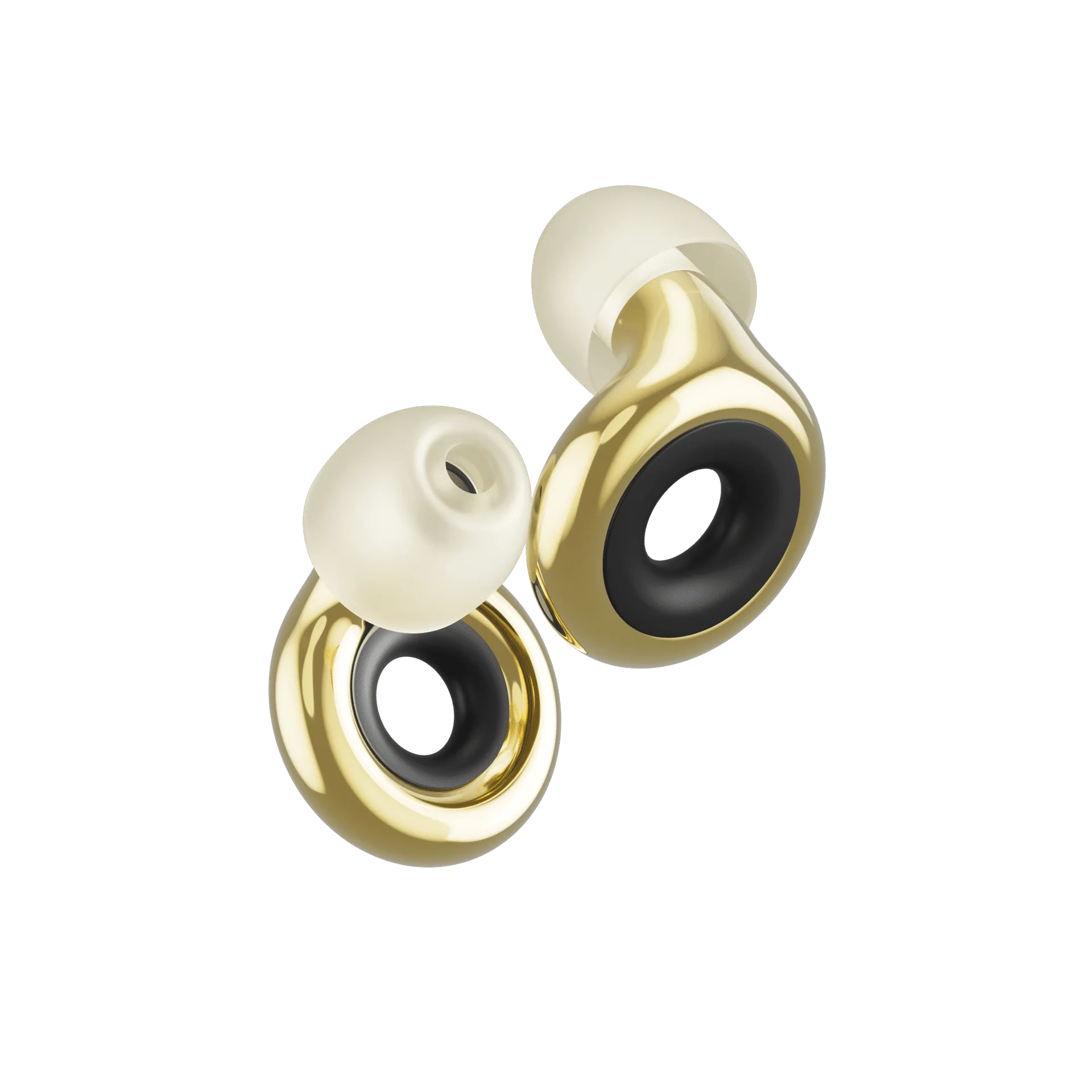
- Loop Switch™ 2: Loop Switch 2 offers adjustable noise control so you can switch between different sound levels to suit your environment. You can keep one pair in all day and change the setting instead of removing and reinserting the earplugs every time your surroundings change.
- Loop Engage™ Kids 2: Loop Engage Kids 2 is designed for children with a comfortable fit for smaller ears and helps reduce overwhelming noise while still allowing clear conversations and awareness of surroundings. The same insertion and seal habits apply, but the smaller fit means children need a tip size check more often as they grow.