Quick answer
Buy indie game merchandise from officially licensed sources, prioritize pieces that match a game you actually play or display, and start with lower-cost items like pins before committing to larger collectibles. Check licensing details, size, and material before buying, and set a budget so the merch trend doesn't outpace your shelf space.
Indie game merchandise has moved from convention-hall novelty to a steady category in its own right. Where a small studio once sold a handful of shirts at a booth, you can now find officially licensed pins, standees, plush, and apparel for titles like Terraria, Coffee Talk, and Life is Strange 2. That growth is good news for collectors, but it also means more decisions: which games deserve space, which items hold up over time, and how much is reasonable to spend.
This guide gives you concrete rules for buying indie game collectibles without wasting money or ending up with a drawer full of things you never display. It covers licensing, material, size, and budget, and it uses real catalog examples so you can see how the rules play out in practice.
Why indie game merch is growing
Indie studios often build tighter communities than large publishers, and that closeness shows up in merchandise. Fans who follow a game from early access to full release want something physical to mark the journey, and studios have responded with licensed pins, standees, and apparel that reflect the game's specific art style rather than a generic logo. The result is merchandise that feels personal, which is exactly what drives the indie game merch trend.
The practical effect for buyers is more choice at more price points. You can spend a few dollars on a pin or closer to twenty on a standee, which makes it easier to collect across several games instead of committing to one expensive centerpiece. That flexibility is the main reason indie game collectibles have become a sustainable habit rather than a one-time splurge.
- Licensed indie merch usually names the studio or publisher in the product details, which is a quick authenticity check.
- Smaller runs mean popular items can sell out, so buy the piece you actually want rather than waiting for a restock.
Rule 1: Buy licensed, not just cute
The first decision rule is licensing. Officially licensed merchandise supports the studio and usually comes with better art fidelity, because the design is approved by the people who made the game. A pin that says it is officially licensed by Re-Logic, DONTNOD Entertainment, or Spike Chunsoft tells you the art and naming are accurate, and that the item is not a knockoff with a stretched logo.
This matters most for character-driven games, where a small color or proportion error is obvious to fans. A licensed Monomi Chibi Pin, for example, is described as approximately 1.5 inches tall and 1.05 inches wide, with the character's look intact. An unlicensed version often loses that precision, and you notice it every time you look at your pin board.
- Check the product details for a named licensor before you buy.
- If a listing uses official art but never mentions a license, treat it as a warning sign.
Rule 2: Match the item to how you display
Before you buy, decide where the item will live. Pins belong on jackets, lanyards, or a fabric board. Standees sit on a desk or shelf and need a flat surface with a bit of clearance. Apparel gets worn, so it needs to survive laundry. Buying with a display spot in mind prevents the common outcome where a cool item stays in its packaging for a year.
Size is the detail that trips people up most. A pin around 1.3 to 1.5 inches tall reads clearly on a jacket lapel but disappears on a large backpack. A spinner pin, which has a moving element, needs a bit more room and a surface where the motion will not snag. Measure your intended spot before ordering, not after.
- Pins: 1.2 to 1.5 inches works for lapels and lanyards; go larger for bags.
- Standees: check the height against your shelf gap so it does not get knocked over.
- Apparel: confirm the print area before washing so the design stays centered.
Rule 3: Set a per-game budget before you browse
Indie merch is affordable item by item, which makes it easy to overspend across many small purchases. A simple rule is to set a per-game cap, such as the price of two pins, and stop when you hit it. That keeps your collection intentional and leaves room for a new game you discover later.
Compare catalog prices against comparison prices to see the real discount, but do not let a sale override your plan. A pin at USD 7.00 with a USD 13.99 comparison price is a good deal, but only if it is a game you actually follow. The same logic applies to a USD 9.49 spinner pin or a USD 9.99 standee: buy the item, not the percentage off.
- Write your per-game cap down before you open a store page.
- Treat comparison prices as context, not as a reason to buy a game you do not play.
Rule 4: Prefer pieces that age well
Enamel pins and acrylic standees are the workhorses of indie game collectibles because they are durable, easy to store, and easy to display. Pins with a spinner or moving part add a bit of interaction, which makes them stand out on a board, but they also have more places to wear out. If you want a long-term collection, mix a few interactive pieces into a base of simple, sturdy ones.
Material and finish matter more than novelty. A pin with clean enamel fill and a secure backing will look the same in five years. A standee with a clear acrylic base and a printed insert will survive shelf life better than a paper-only item. When a listing does not state a material or size, treat that as a decision limitation and ask before buying rather than guessing.
- Interactive pins are fun but check the moving part for looseness on arrival.
- Store pins on fabric, not loose in a box, to avoid scratches.
- Keep standees out of direct sun so the print does not fade.
Decision rules for buying indie game merchandise
- Licensing check: Look for a named licensor such as Re-Logic, DONTNOD Entertainment, Square Enix, or Spike Chunsoft in the product details. No licensor named means no purchase until you confirm it.
- Display check: Decide the exact spot before buying: lapel, lanyard, bag, shelf, or desk. Measure the space and compare it to the stated size. If the item has no stated size, ask before ordering.
- Budget check: Set a per-game cap and compare the catalog price to the comparison price only after the game passes your interest test. A discount on a game you do not follow is still a full-price mistake.
- Durability check: Prefer enamel pins and acrylic standees for long-term collecting, and inspect any moving part, such as a spinner, on arrival. Interactive pieces are fine in small numbers; keep the base of your collection simple.
Catalog examples that show the rules in action
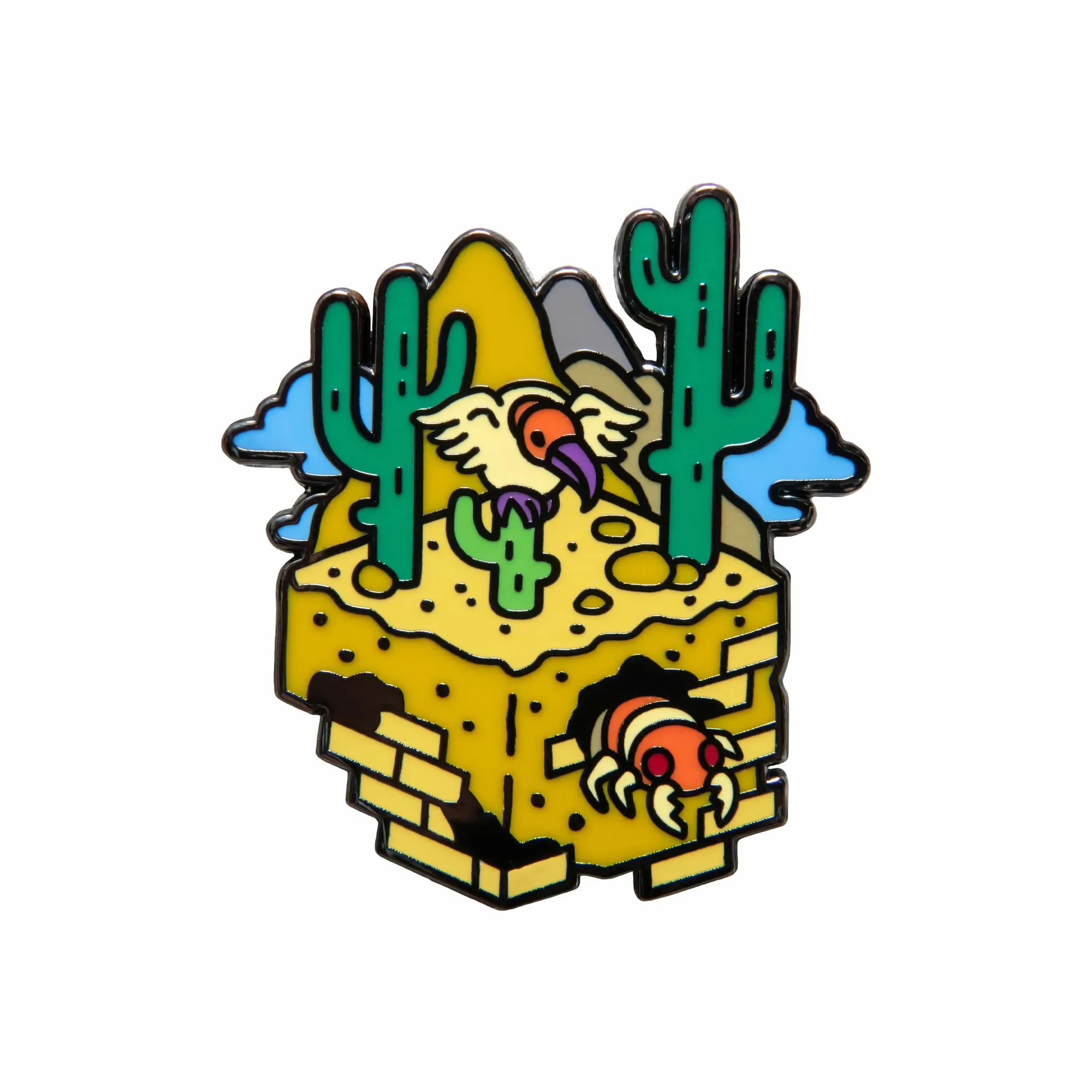
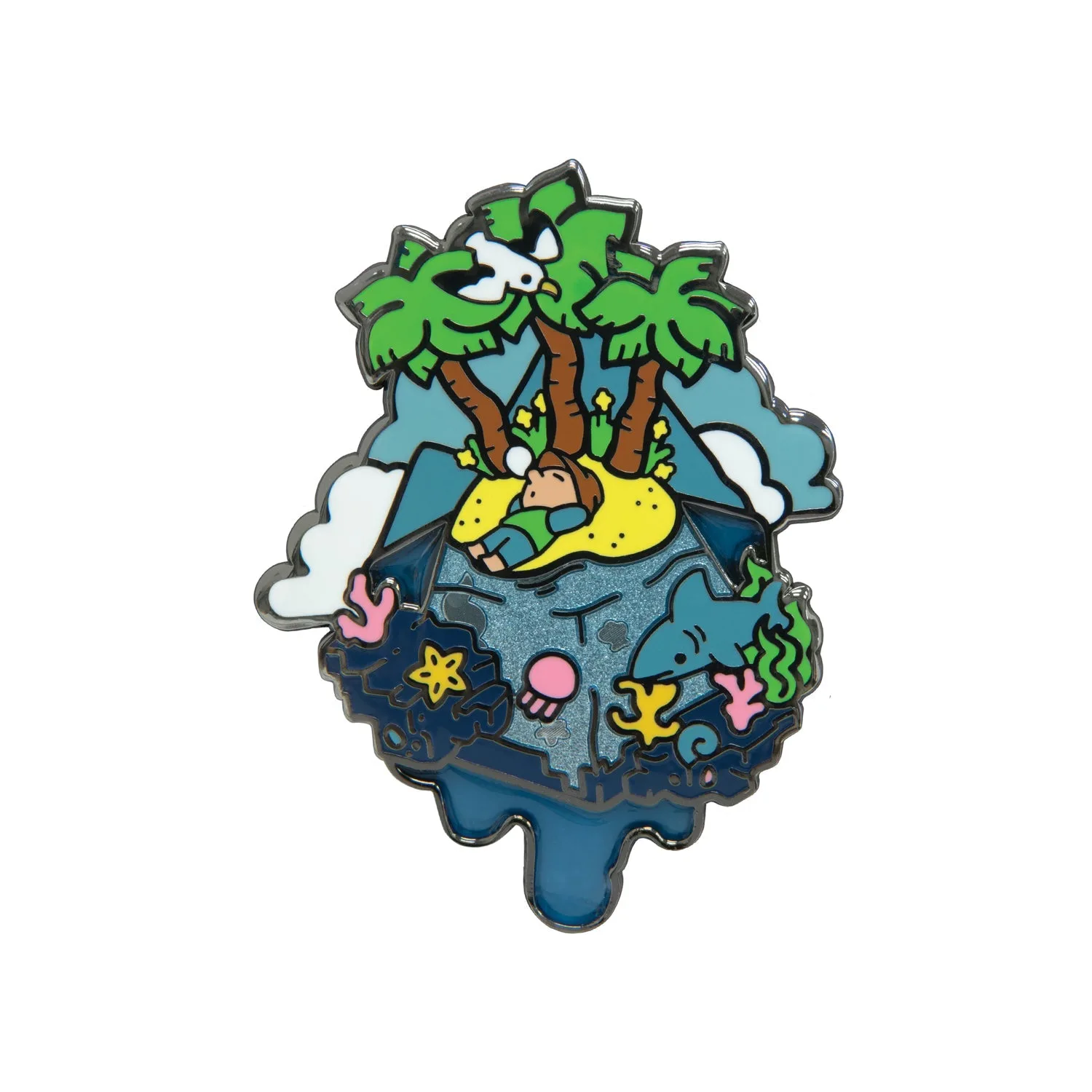
- Terraria - Desert Biome Pin: The second pin in the official Terraria Biome Collection, approximately 1.32 inches tall and 1.5 inches wide, licensed by Re-Logic, priced at USD 7.00 with a USD 13.99 comparison price. A clear example of a licensed, series-based pin at an entry price, which makes it a low-risk way to start a biome collection.
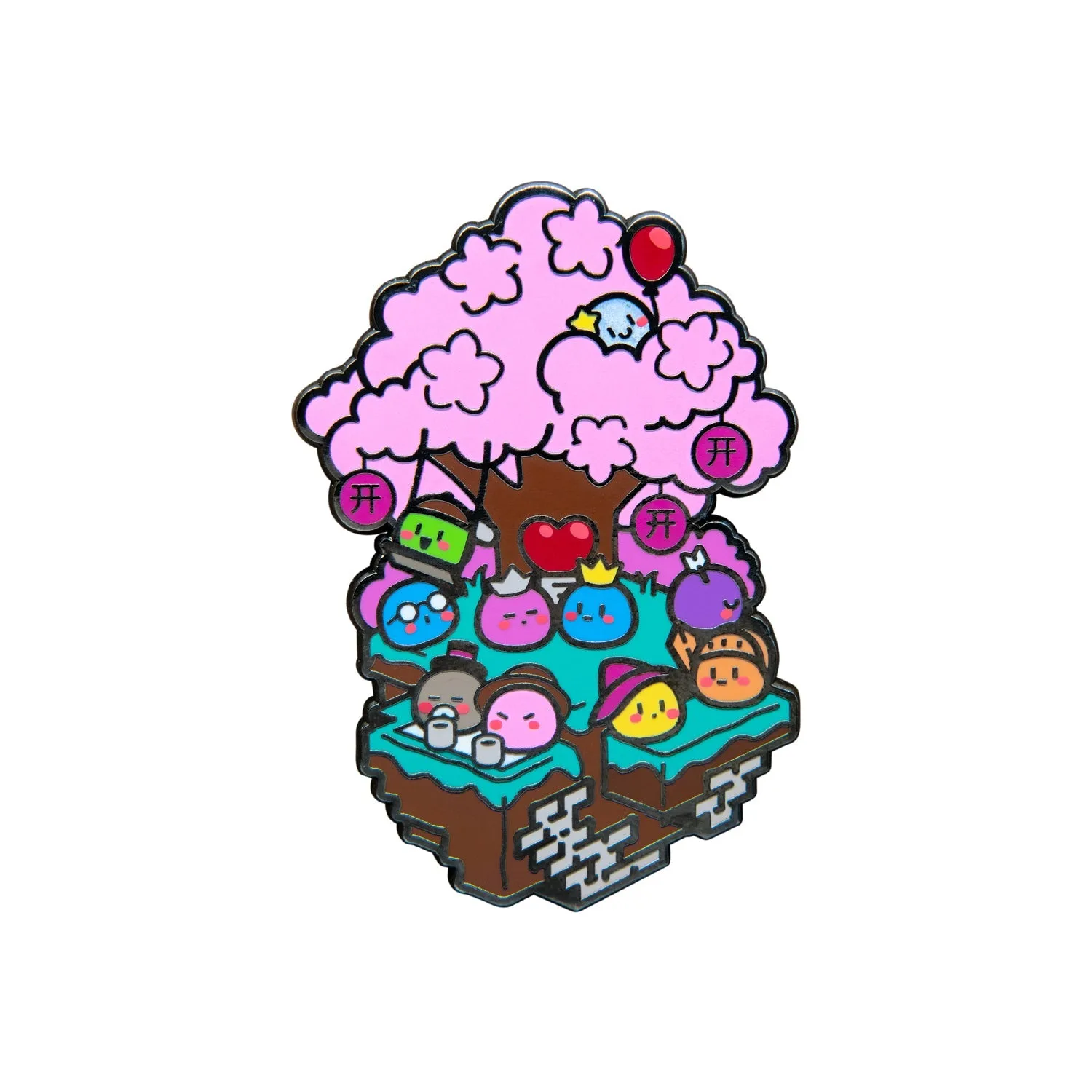
- Terraria - Town Slime Biome Pin: An official Terraria pin featuring slime characters, licensed by Re-Logic, priced at USD 7.00 with a USD 13.99 comparison price. Shows how a single game can support multiple collectible themes, so you can decide whether to collect a full set or just your favorite biome.
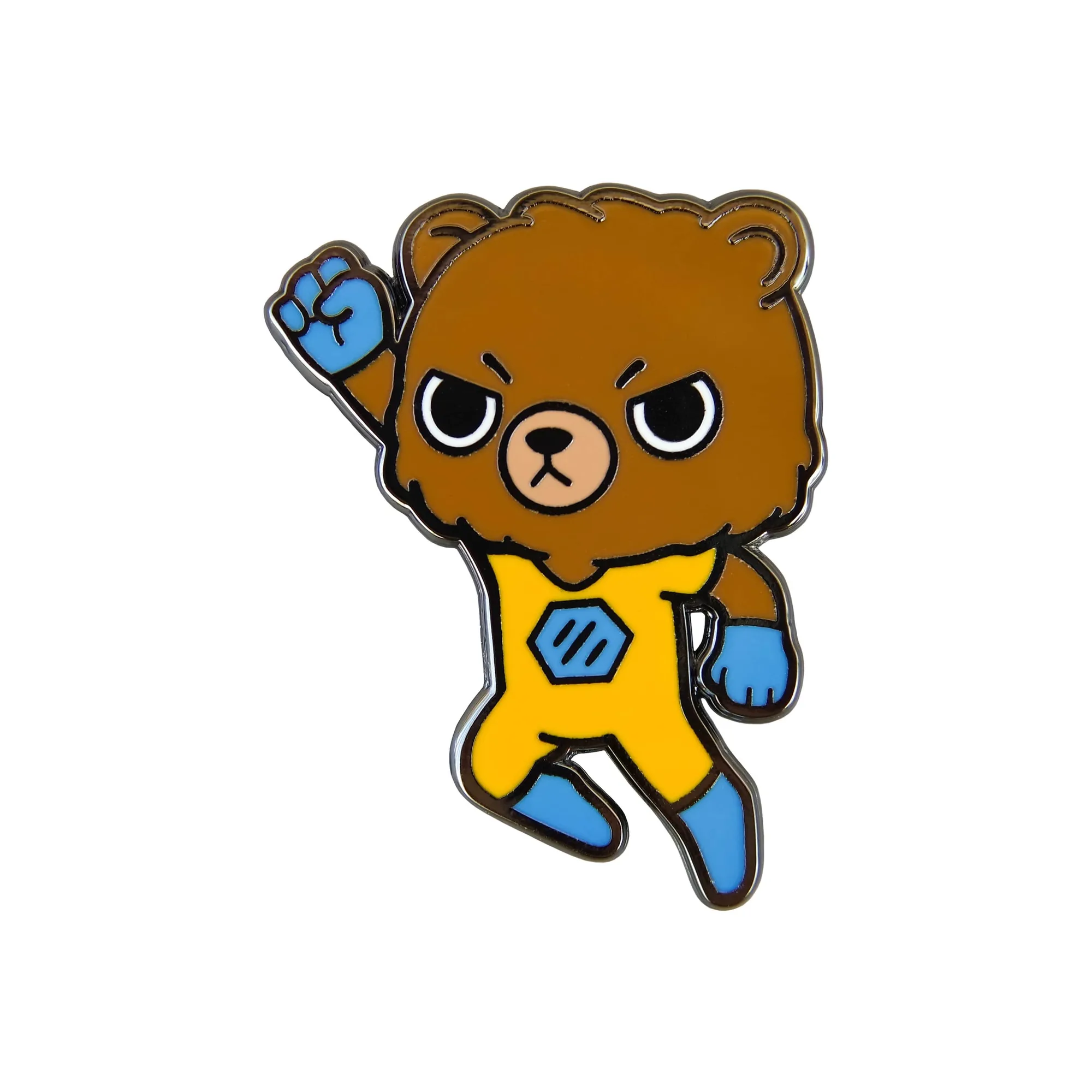
- Life is Strange 2 - Power Bear Pin: An official Life is Strange 2 pin licensed by DONTNOD Entertainment and Square Enix, approximately 1.24 inches tall, priced at USD 7.00 with a USD 13.99 comparison price. A character-specific pin that works as a gift, which is a good test of whether an item has meaning beyond your own shelf.
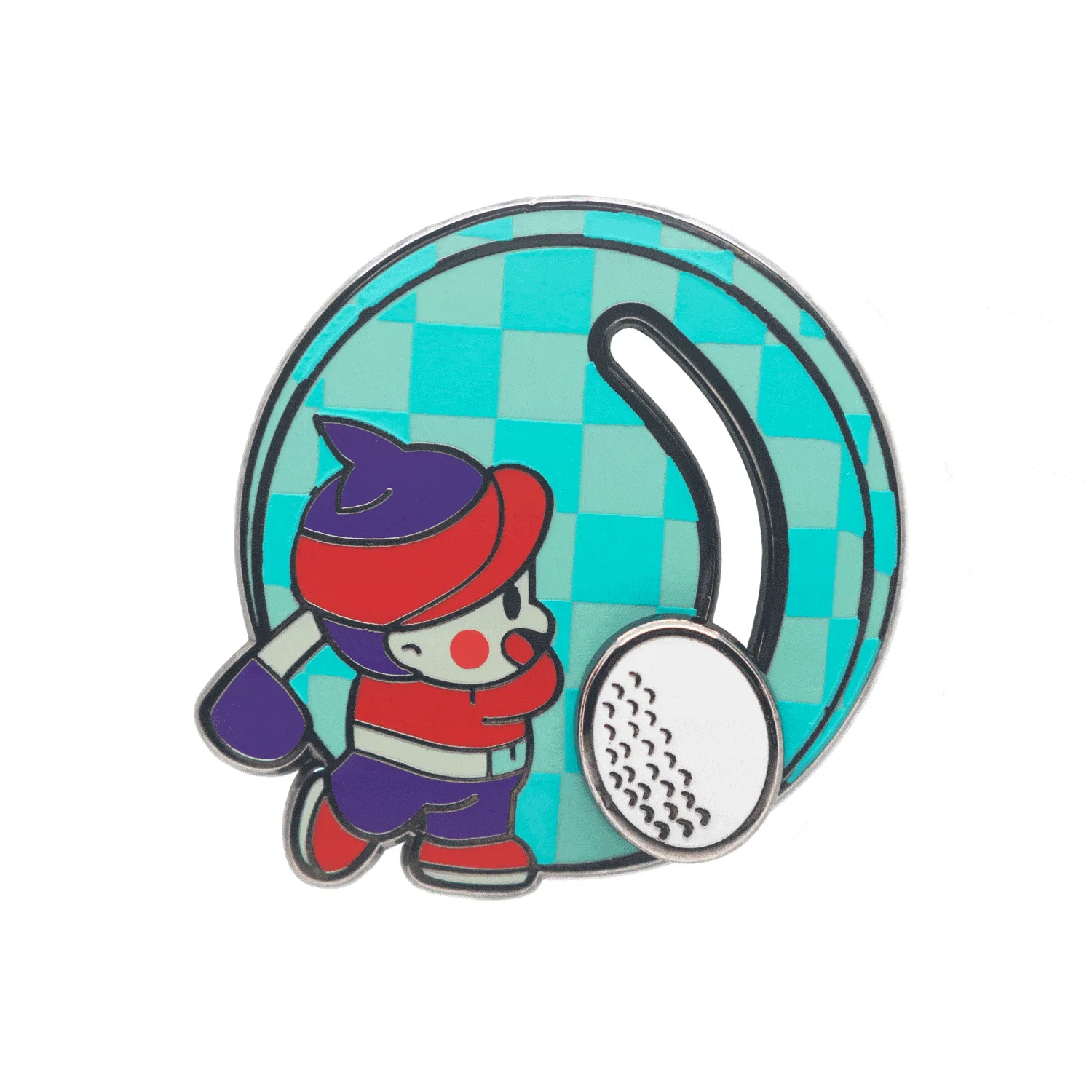
- Cursed to Golf - Golfer Spinner Pin: An official Cursed to Golf spinner pin priced at USD 9.49 with a USD 18.99 comparison price. A higher-priced interactive pin, so it is the kind of item to buy only if you will display it where the spinner can move freely.
Who this approach fits
Best for
- Fans of indie games who want a small, displayable collection without spending like a completionist.
- Gift buyers looking for a licensed, character-specific item under ten dollars.
- New collectors who want a clear rule set before their first few purchases.
Not for
- Buyers chasing resale value, since indie pins and standees are made for display rather than investment.
- Collectors who want one large centerpiece instead of several small items, who should look at figures or larger display pieces.
- Anyone unwilling to verify licensing or size before buying, since those checks are the core of this approach.
Indie game merchandise rewards a little discipline. Confirm the license, match the item to a real display spot, set a per-game budget, and favor durable formats like enamel pins and acrylic standees. Do that, and the indie game merch trend becomes a collection you actually enjoy rather than a pile of impulse buys.