Quick answer
Start with a myo-inositol dose of 2,000 mg twice daily, taken with food, and give it at least 8 to 12 weeks before judging results for PCOS or mood. Split doses work better than one large dose because they keep blood levels steadier and reduce stomach upset. If you take a combined myo- and D-chiro-inositol product, check the ratio on the label rather than assuming it matches the research.
Inositol is not one molecule but a family of sugar alcohols your body already uses for cell signaling, especially insulin signaling. That is why it shows up in conversations about PCOS, where insulin resistance is common, and about mood, where it is studied as a gentler option for anxiety and panic symptoms. A typical inositol supplement guide tells you what it is but skips the practical part: how much, how often, and how long before you decide it is or is not working.
This guide walks through a clear order of operations. You will pick a form, set a dose, choose timing, track what matters, and know when to adjust. Along the way you will see where people commonly go wrong, such as taking one giant dose at night or quitting at week three when nothing has changed yet.
What inositol actually does in the body
Inositol is a second messenger, meaning it helps carry signals from the outside of a cell to the inside. In PCOS research, the focus is on the myo-inositol form and its role in insulin signaling, which can influence ovarian function, cycle regularity, and androgen levels. The D-chiro form appears in smaller amounts and is often combined with myo-inositol in a ratio intended to reflect typical tissue levels.
For mood, the proposed mechanism is different and less settled. Inositol is involved in serotonin and other signaling pathways, which is why it has been studied for panic disorder and anxiety. This does not make it a sedative or a fast-acting calming agent. It is a nutrient that may gradually support signaling balance, so expectations should match that slower timeline.
- Myo-inositol is the form most studied for PCOS and is the one to look for first.
- D-chiro-inositol is usually a supporting ingredient, not the main dose.
- Inositol is not a stimulant and does not work like a sleep aid or anti-anxiety medication.
Choosing a form and reading the label
The two forms you will see are myo-inositol and D-chiro-inositol. Some products sell myo-inositol alone, which lets you control the dose precisely. Others sell a blend, often at a 40:1 myo-to-D-chiro ratio, which is a common research-inspired formula. Neither approach is automatically better; the blend is convenient, while the single form is easier to titrate if you are sensitive to changes.
What matters most is that the label states the actual milligrams per serving for each form, not just a proprietary blend total. If a product lists a blend weight without breaking out the individual amounts, you cannot compare it to the doses used in studies. That is a real limitation, not a minor labeling quirk.
- Look for the exact milligram amount of myo-inositol per serving.
- If it is a blend, check whether the myo-to-D-chiro ratio is disclosed.
- Powder forms are easier for large doses; capsules are easier for travel and consistency.
Setting your starting dose
A common approach for PCOS is 2,000 mg of myo-inositol taken twice daily, for a total of 4,000 mg per day. Some people start lower, around 500 to 1,000 mg per day, and build up over one to two weeks to see how their digestion responds. For mood-focused use, doses in research are often higher, but that is a conversation to have with a clinician rather than something to self-escalate.
The single most common mistake is taking the entire daily amount at once. Inositol is generally well tolerated, but a large single dose is more likely to cause bloating, loose stools, or nausea. Splitting the dose morning and evening is simple and usually solves it.
- Start at 500 to 1,000 mg daily if you are unsure how you will tolerate it.
- Work toward 2,000 mg twice daily for PCOS unless a clinician advises otherwise.
- Take doses with food to reduce stomach upset.
Timing, consistency, and what to pair it with
Inositol does not need to be taken at a specific clock time, but consistency matters more than perfection. Twice-daily dosing, roughly 10 to 12 hours apart, keeps intake steady. Many people take one dose with breakfast and one with dinner. If you lift weights or train regularly, some people prefer to take a dose near a meal that follows exercise, but that is a preference, not a requirement.
Pairing inositol with a protein-containing meal can soften the blood sugar swing that some people notice, especially if they are also managing insulin resistance. If you take other supplements, there is no widely reported interaction that requires spacing, but it is still worth telling your clinician what you take.
- Set a phone reminder for the second dose; missed evening doses are the most common consistency gap.
- Take with a meal that includes protein or fat for better tolerance.
- Keep a simple log of dose, timing, and any side effects for the first month.
Tracking results without fooling yourself
PCOS and mood symptoms move slowly, so a daily feeling check is noisy. Instead, track a small number of concrete markers: cycle dates, acne or hair changes if relevant, sleep quality, and a simple 1-to-10 anxiety rating at the same time each day. Review the log every two weeks rather than every day.
The honest checkpoint is 8 to 12 weeks. Before that, changes are often too small to distinguish from normal fluctuation. If you see no movement at all by week 12 at a consistent dose, that is useful information. It may mean the dose is too low, the form is not right for you, or inositol is not the lever your body needs.
- Track cycle dates and one mood score, not a long list of symptoms.
- Review at weeks 4, 8, and 12 instead of daily.
- Do not change dose and form at the same time or you will not know what helped.
Side effects and when to stop
Inositol is generally well tolerated. The most common complaints are mild digestive effects such as bloating, gas, or loose stools, and they usually fade when the dose is split or lowered. Headache and dizziness are reported less often. If side effects persist after adjusting timing and dose, that is a signal to pause rather than push through.
Anyone who is pregnant, breastfeeding, taking psychiatric medication, or managing a diagnosed mood disorder should talk with a clinician before starting. Inositol is not a replacement for prescribed treatment, and stopping a medication to try it is not a safe experiment.
- Lower the dose and split it if digestion is unhappy.
- Stop and check with a clinician if side effects do not resolve within a week or two.
- Do not use inositol as a substitute for prescribed care.
Your inositol starter sequence
- Step 1: Confirm the form and milligrams: Choose myo-inositol alone or a disclosed myo-to-D-chiro blend, and write down the exact milligrams per serving. Common mistake: buying a blend that only lists a total weight, which makes dosing guesswork. Checkpoint: you can state your daily myo-inositol dose in milligrams without doing math from a blend total.
- Step 2: Start low and split the dose: Begin at 500 to 1,000 mg daily with food, then build toward 2,000 mg twice daily over one to two weeks. Common mistake: taking the whole daily amount in one sitting and blaming the supplement for bloating. Checkpoint: digestion stays comfortable as you increase.
- Step 3: Anchor doses to meals: Take one dose with breakfast and one with dinner, roughly 10 to 12 hours apart, ideally with protein or fat. Common mistake: skipping the evening dose because it is easy to forget. Checkpoint: you hit both doses at least five days a week.
- Step 4: Track a short list of markers: Log cycle dates, one mood or anxiety score, and sleep quality at the same time each day. Common mistake: tracking a dozen symptoms and losing the signal in the noise. Checkpoint: you have two weeks of consistent entries to review.
- Step 5: Review at 8 to 12 weeks: Compare your baseline to current markers at the same dose. Common mistake: quitting at week three or doubling the dose repeatedly without waiting for a fair trial. Checkpoint: if nothing has changed by week 12, adjust with a clinician or reconsider whether inositol is the right lever.
Where NatureWise products fit
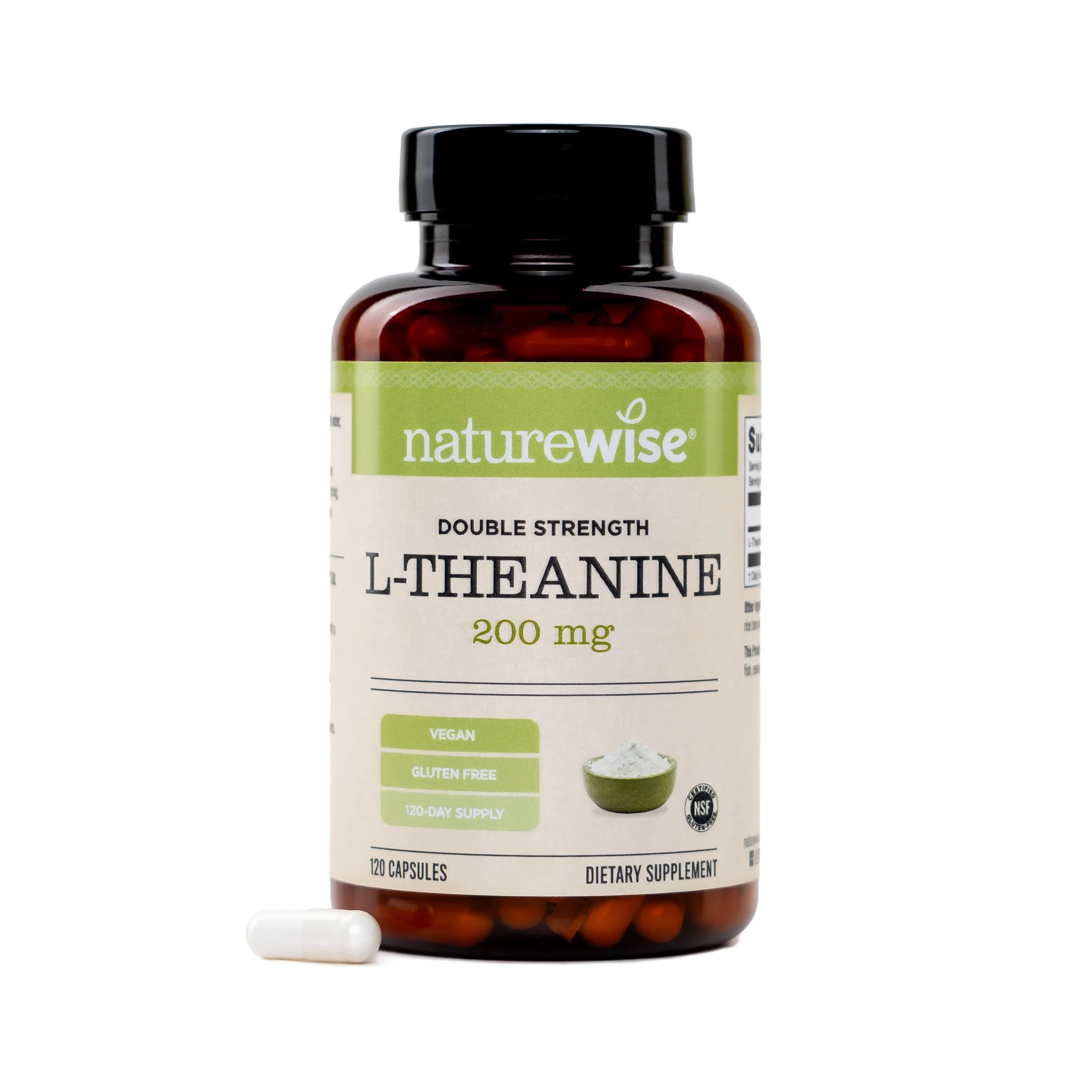
- L-Theanine: Double strength L-Theanine 200 mg and quadruple strength L-Theanine 400 mg, vegan, NSF Certified Gluten Free, with options for strength and size. If your main goal is calm focus or sleep support rather than PCOS, L-theanine is a more targeted option and comes in two strengths so you can match the dose to your response.
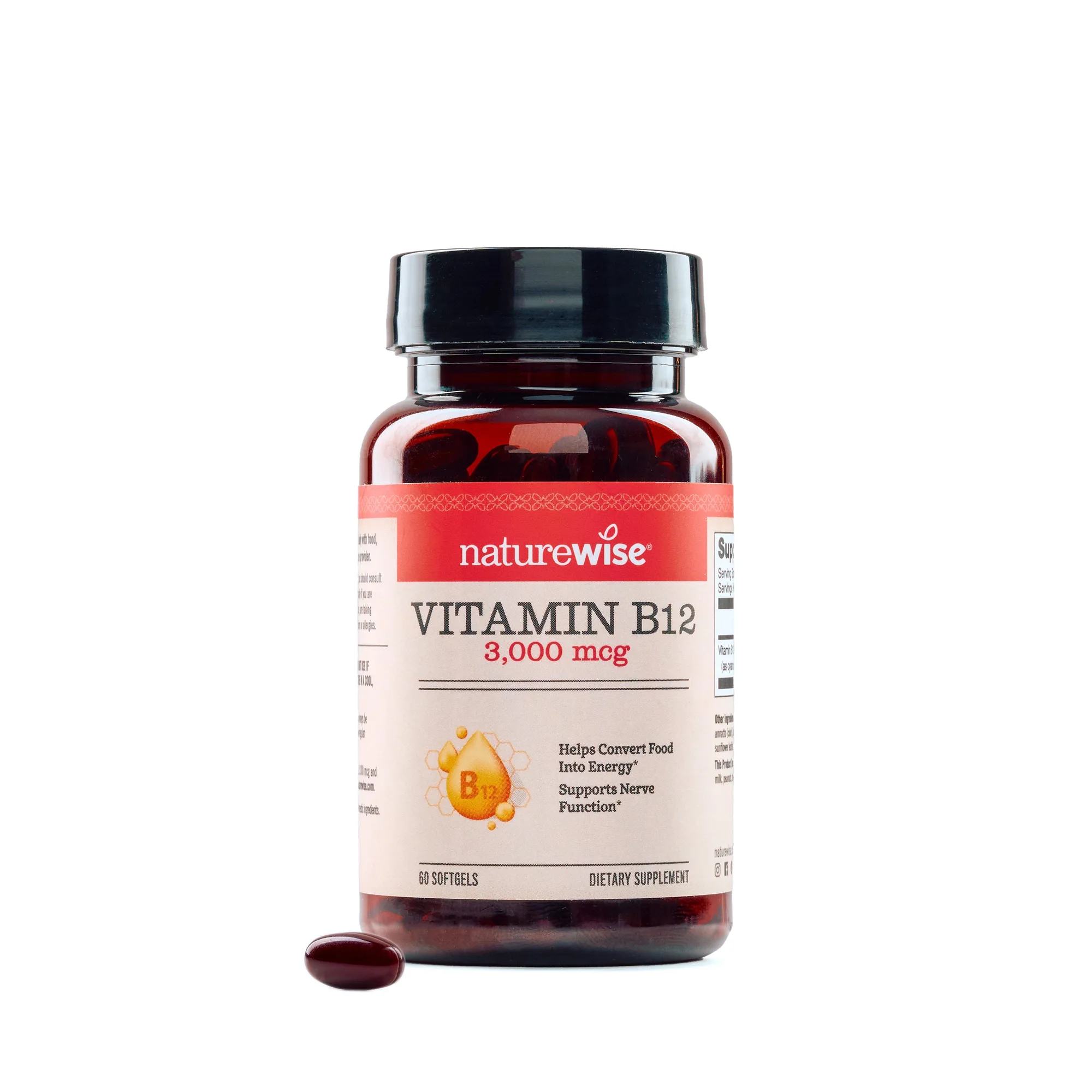
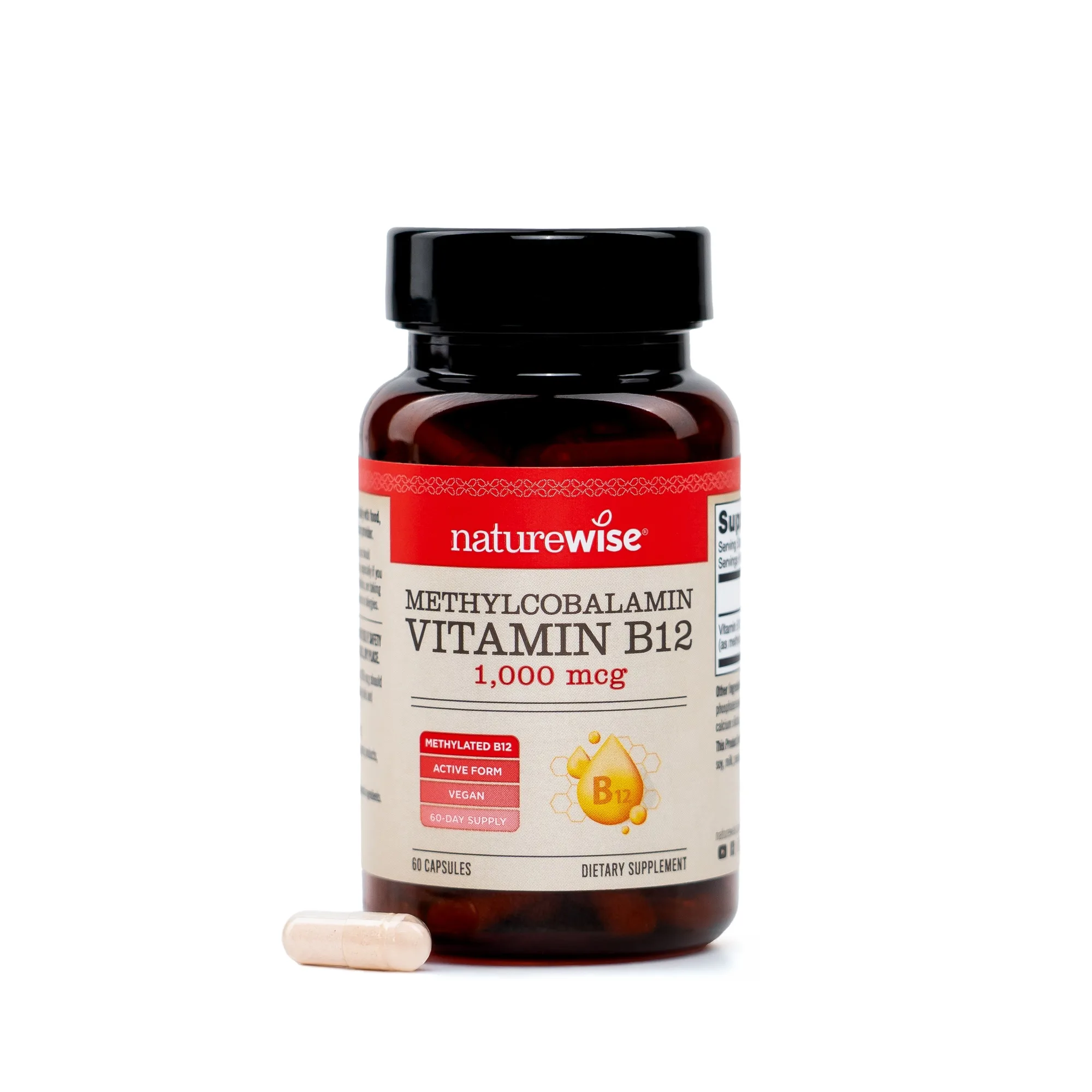
- Methylated B12: 1,000 mcg methylated vitamin B12 as methylcobalamin in vegan mini-capsules, with strength and size options. B12 supports energy metabolism and cognitive function, so it can be a sensible companion if you are also addressing fatigue alongside mood or cycle concerns.
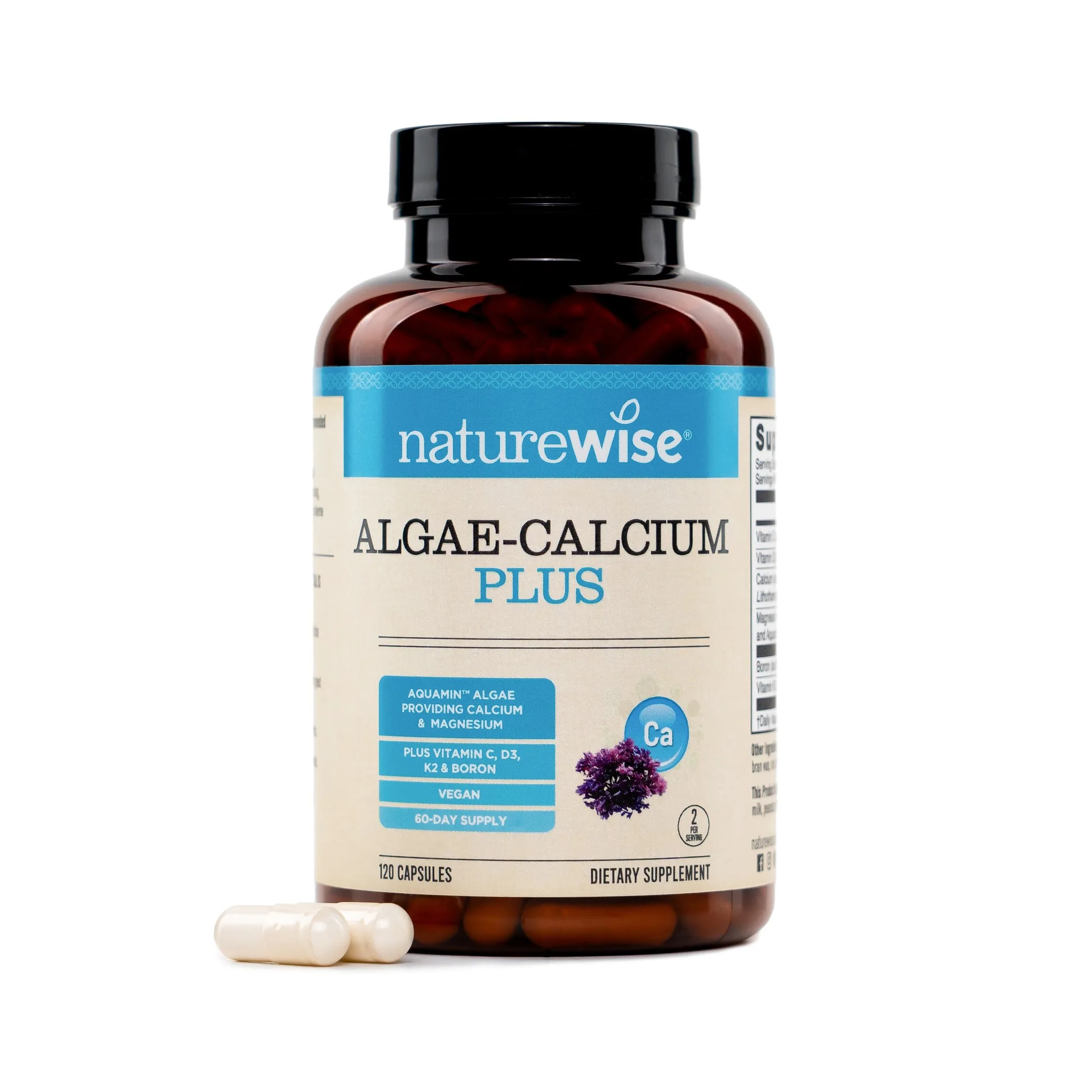
- Algae Calcium: Plant-based mineral source, 100% vegan formula, manufactured in a cGMP-certified facility, free from major allergens, 60-day supply. A vegan, allergen-conscious calcium option is useful if you are building a broader micronutrient routine and want to avoid animal-derived or common allergen ingredients.
Inositol is a slow, steady supplement rather than a quick fix. Pick a disclosed form, split your dose with meals, track a few honest markers, and give it 8 to 12 weeks before you decide. If your focus is calm or sleep rather than PCOS, a targeted option like L-Theanine may be a better fit.