Quick answer
Buy the camera that matches the film you can actually get, then budget for film as a recurring cost, not a one-time purchase. For most beginners, a simple fixed-lens model such as the Fujifilm Instax Mini 8 is the lowest-friction start because it takes widely stocked instax mini film and produces credit card-sized prints. Skip instant cameras if you want full manual control or the lowest cost per photo; a 35mm film camera or your phone will serve you better there.
Which film does an instant camera actually take?
Instant cameras are film-locked: the body is built around one film format, and you cannot switch to a different brand or size later. The Fujifilm Instax Mini 8 accepts Fujifilm instax instant film and produces credit card-sized prints, so every pack you buy must be instax mini. Before you commit to any instant camera, confirm the exact film name in the specifications and check that your local store or usual online source stocks it consistently.
This is the single most common buying mistake. People choose a camera on looks or price, then discover the film is special-order only or discontinued. Film availability should drive the camera decision, not the other way around.
- Write down the exact film format name before buying the camera.
- Check two or three places you would realistically buy film from.
- Avoid any model whose film you cannot verify is currently produced.
What does an instant camera really cost to run?
The camera is the cheap part. Film is the ongoing expense, and it is priced per pack of shots, so your real cost is cost-per-print multiplied by how often you shoot. A camera that costs a little more but uses a film format sold in larger packs or at lower per-print prices can be cheaper over a year than a bargain body with expensive film.
Count your realistic usage before buying. If you shoot ten prints a month, that is 120 prints a year, and the film bill will likely exceed the camera price. If you shoot two prints a month, almost any instant camera is affordable to run. Be honest about which person you are.
- Estimate prints per month, then multiply by the per-print film cost.
- Factor in batteries: the Instax Mini 8 runs on AA battery power, which is cheap and easy to replace.
- Remember that failed or wasted shots still cost a full print.
Instant film vs 35mm film: which should you choose?
Instant film gives you a physical print in your hand within minutes, with no developing lab, no scanning, and no waiting. That immediacy is the entire point, and it is why instant cameras get used at parties, weddings, and trips where sharing the photo on the spot matters. The tradeoff is cost per image and limited control: most entry instant cameras handle exposure automatically, so you get the camera's decision, not yours.
35mm film gives you more creative control, more lens options, and usually a lower cost per frame, but you need a lab or a home development setup and you wait to see results. Choose instant if the print-in-hand experience is what you want. Choose 35mm if you want to learn exposure, change lenses, or shoot volume cheaply. They solve different problems, and owning both is a legitimate answer.
What accessories are worth adding?
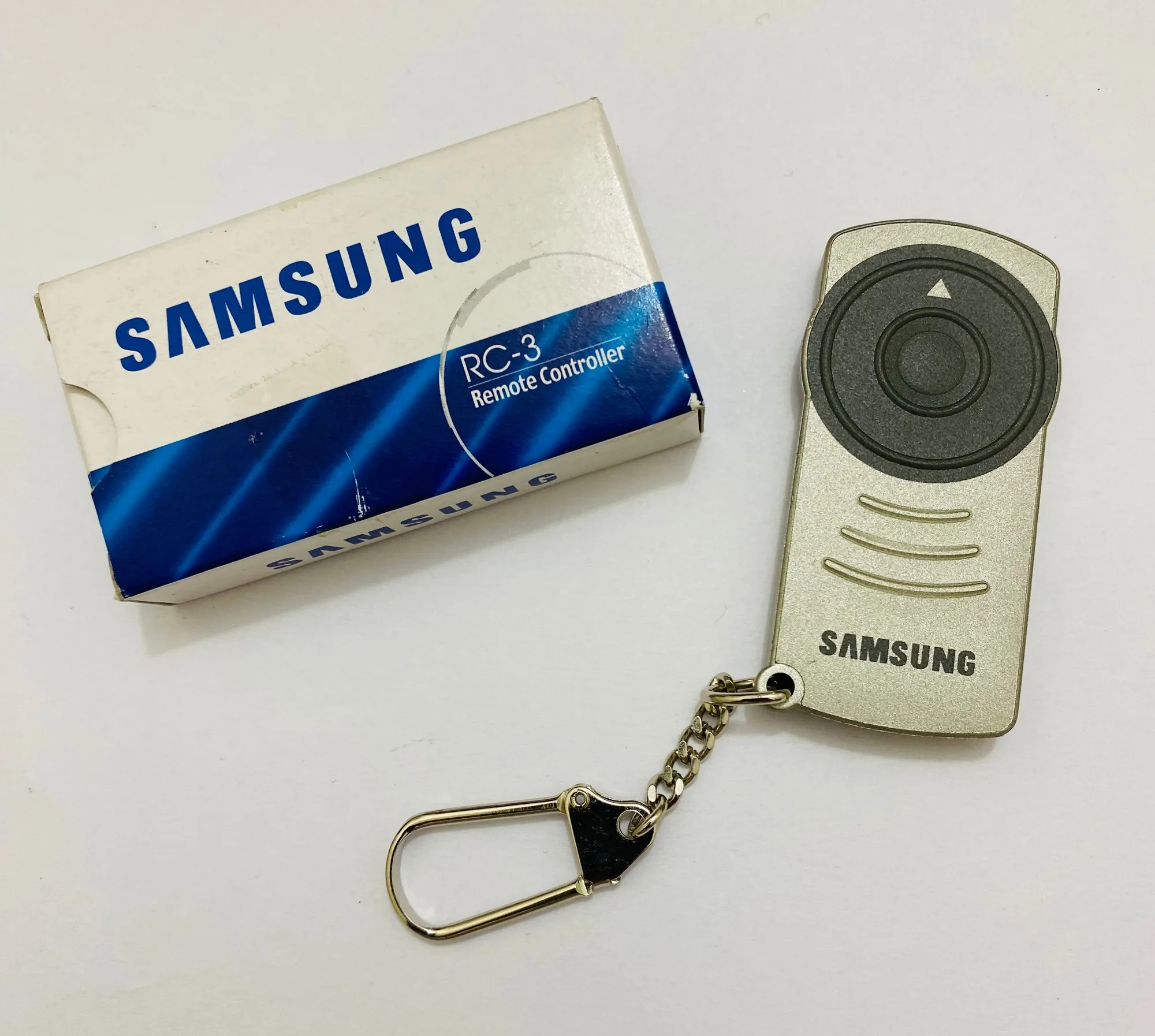
Start with film and a spare set of batteries, then add accessories only when a specific problem appears. A remote shutter release is the accessory most people overlook: it lets you trigger the shutter without touching the camera, which reduces vibration for close-ups and long exposures and helps with subjects that are difficult to approach. The Samsung RC-3 Remote Control for Evoca 170SE Camera is a wireless infrared remote with a key chain design, but note it is made for the Evoca 170SE specifically, so verify compatibility with your body before buying.
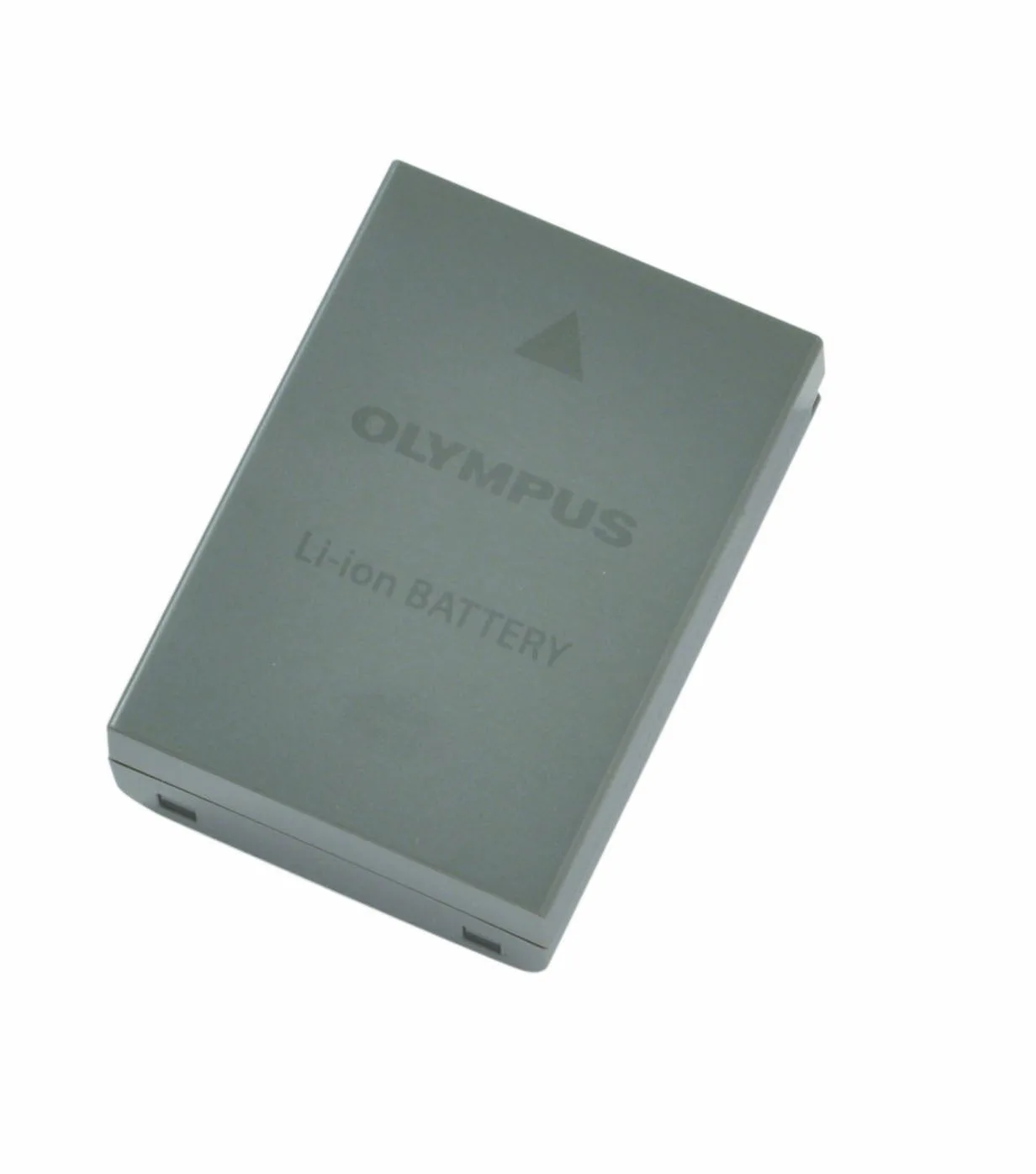
Cases, albums, and frames are nice-to-have, not essential. If you shoot a lot, a proper rechargeable battery can replace disposable cells in cameras that support one; the Olympus BLN-1 Rechargeable Lithium-ion Battery, for example, is a 1220 mAh pack for select Olympus cameras, charged with the BCN-1 charger in about three hours. It has nothing to do with instant cameras, but it is the kind of part worth checking by exact model number rather than assuming it fits.
- Buy film first, accessories second.
- Match every battery and remote to your exact camera model.
- Add a case only if you actually carry the camera outdoors.
What should a beginner look for?
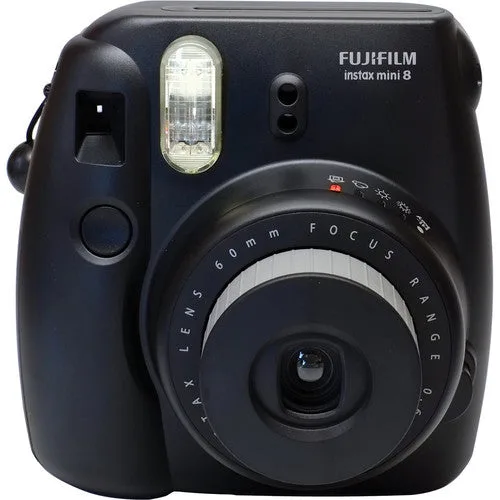
Beginners should prioritize three things: a film format that is easy to buy, automatic exposure so you are not fighting settings on your first pack, and a size you will actually carry. The Fujifilm Instax Mini 8 checks those boxes with auto exposure with manual switching, a built-in flash, and a compact body, and its Fujinon 60mm f/12.7 lens and optical 0.37x real image viewfinder keep framing simple.
Do not buy a more advanced instant camera as your first one hoping to grow into it. Instant film is a poor teacher for manual exposure because each mistake costs a print. Learn the format on a simple body, then upgrade once you know how often you shoot.
Instant camera buying FAQ
Can I use any instant film in any instant camera?
No. Each camera is built for one film format. The Instax Mini 8 takes Fujifilm instax film and makes credit card-sized prints; other bodies use different formats and are not interchangeable. Confirm the film name in the specs before you buy the camera.
Is an instant camera cheaper than 35mm film?
The camera usually is, but the film is not. Instant prints typically cost more per image than 35mm frames, and you cannot shop around for a lab to lower the price. Compare cost per print, not camera price.
Do I need a remote or extra battery?
Only if your shooting style calls for it. A remote such as the Samsung RC-3 helps with close-ups and time exposures on compatible cameras, and rechargeable packs like the Olympus BLN-1 replace disposables in the models they fit. Match accessories to your exact camera model before ordering.
What is the best instant camera for beginners?
A simple auto-exposure model with widely available film. The Fujifilm Instax Mini 8 offers auto exposure with manual switching, a built-in flash, and AA battery power, which keeps the first year simple. Start simple; upgrade after you know your shooting frequency.
Product facts worth knowing
- Fujifilm Instax Mini 8 Instant Film Camera - Black: Accepts Fujifilm instax instant film and produces credit card-sized prints, with a Fujinon 60mm f/12.7 lens, optical 0.37x real image viewfinder, auto exposure with manual switching, built-in flash, and AA battery power. The film format and print size are fixed by the body, so confirm instax mini film is stocked near you before buying; AA batteries also mean no proprietary charger to carry.
- Samsung RC-3 Remote Control for Evoca 170SE Camera: The Samsung RC-3 Remote Control is a wireless infrared remote for the Evoca 170SE camera with a key chain, designed to trigger the shutter without disturbing the camera. Useful for close-ups, time exposures, and hard-to-approach subjects, but it is model-specific, so check your camera body supports it before ordering.
- Olympus BLN-1 Rechargeable Lithium-ion Battery: The Olympus BLN-1 Rechargeable Lithium-ion Battery is rated 1220 mAh, uses the BCN-1 battery charger, charges in about three hours, and fits select Olympus cameras including the E-M1, E-M2, E-M5, and E-P5. A reminder that batteries are matched by exact model number; this pack is for Olympus cameras and is not an instant camera accessory.