Quick answer
For most beginners, the Fujifilm Instax Mini Evo is the best balance of fun and flexibility, but if you want the simplest true instant experience, the Instax Square SQ1 is a great pick.
Classic vs hybrid: know the difference
Classic instant cameras, like the Instax Square SQ1, use automatic exposure to adjust shutter speed based on the light around you. You press the shutter and get a physical print instantly. They are straightforward and capture the moment as it happens.
Hybrid instant cameras, such as the Instax Mini LiPlay and Instax Wide Evo, combine digital capture with a built-in printer. You can preview, edit, and choose which shots to print. This gives you more control and saves film, but the process is less spontaneous.
Your choice depends on whether you value the pure instant experience or the creative control of a hybrid.
Film size matters: mini vs square vs wide
Instax film comes in three sizes: Mini (credit-card size), Square (a bit larger, square format), and Wide (roughly double the Mini). Mini is the most common and affordable, while Wide offers more room for group shots and landscapes.
If you plan to carry the camera in a pocket or small bag, Mini or Square are more portable. If you mainly shoot at home or in gatherings, Wide gives you bigger prints that are easier to share.
The film size also affects the camera's physical size and price. Wide cameras, like the Instax Wide Evo, are larger and more expensive but deliver more detailed prints.
Budget and features: what to expect
Classic models are generally more affordable. The Instax Square SQ1 is priced around USD 85, making it a budget-friendly entry point. Hybrid models cost more because they include digital sensors, screens, and editing options.
The Instax Mini LiPlay is a compact hybrid that also works as a smartphone printer. The Instax Mini Evo offers 100 creative combinations with 10 lens effects and 10 film effects, while the Instax Wide Evo adds a larger format and premium build.
Think about how you want to use the camera. If you like experimenting with effects, a hybrid is worth the extra cost. If you just want a simple point-and-shoot, a classic model saves money.
Decision rules for choosing your first instant camera
- If you want the simplest experience: Choose a classic model like the Instax Square SQ1. Automatic exposure handles the settings, so you just point and shoot. Check if you prefer square prints over the more common Mini size.
- If you want to edit before printing: Pick a hybrid like the Instax Mini LiPlay or Instax Mini Evo. You can preview, apply effects, and print only the best shots. If you also want to print from your phone, the LiPlay is the better fit.
- If you want larger prints: Go with a Wide-format camera like the Instax Wide Evo. Prints are roughly double the Mini size, great for groups and landscapes. Be ready for a bigger camera body and higher price.
Product highlights
-
Fujifilm Instax Square SQ1 Instant Film Camera Glacier Blue: The Instax Square SQ1 uses automatic exposure with built-in sensors to adjust shutter speed based on brightness. This makes it a true point-and-shoot, ideal for beginners who want a simple, no-fuss instant camera.
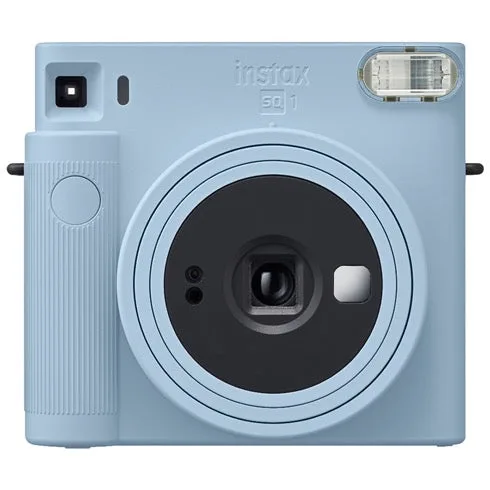
Fujifilm Instax Square SQ1 Instant Film Camera Glacier Blue
-
Fujifilm Instax Mini LiPlay Hybrid Instant Camera Misty White: The Instax Mini LiPlay is a 2-in-1 hybrid that also works as a smartphone printer. You can print photos from your phone, giving you more flexibility without needing a separate printer.
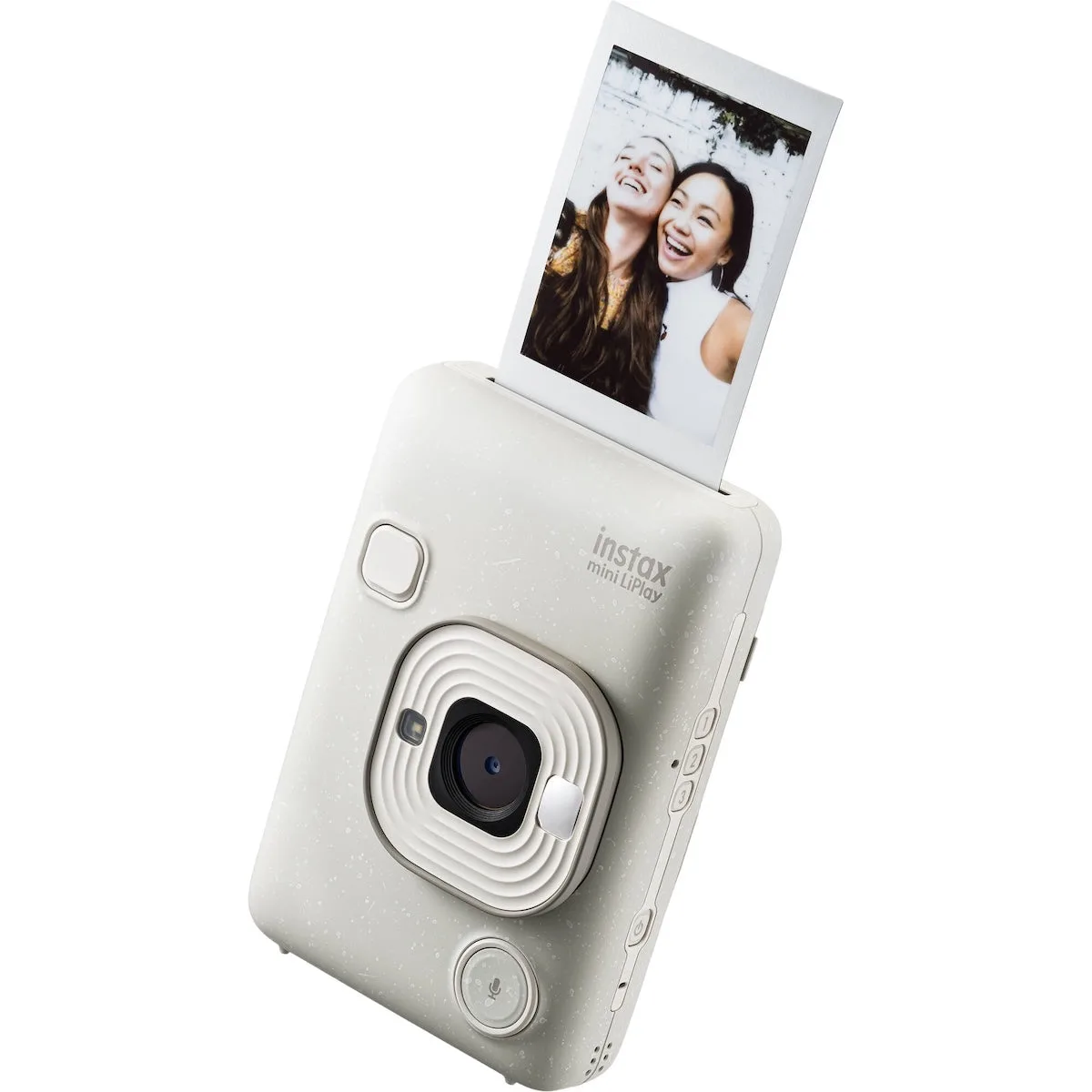
Fujifilm Instax Mini LiPlay Hybrid Instant Camera Misty White
Who should buy which
Best for
- Beginners who want a simple, affordable instant camera: Instax Square SQ1
- Creative users who like editing and effects: Instax Mini Evo or Instax Wide Evo
Not for
- Anyone who wants to print from their smartphone: consider the Instax Mini LiPlay instead
- Budget-conscious buyers who need large prints: Wide-format cameras are pricier