Quick answer
Buy a disposable camera if you want a one-time, low-commitment way to capture a specific event or trip, and you are happy to send the film away for processing. Buy an instant camera if you want to see and keep each print immediately, shoot repeatedly over months or years, and accept higher per-shot costs. Neither is universally better; the right choice depends on how often you shoot, how much control you want, and whether you value instant physical prints or scanned digital files.
How the two formats actually differ
A disposable camera is a sealed, preloaded film camera. You shoot the whole roll, then hand the camera or film to a lab for development and scanning. You cannot preview, delete, or reshoot. The camera body is usually discarded or recycled after processing, so your only long-term output is the developed negatives, prints, or digital scans.
An instant camera uses self-developing film packs. Each shot ejects a print that develops in minutes. You can see results immediately, decide whether to keep or reshoot, and build a physical collection without a lab. The trade-off is that instant film packs cost more per shot than a roll of 35mm or 120 film, and the prints are usually smaller than a standard lab enlargement.
Cost per shot: the number that decides most purchases
Disposable cameras win on upfront simplicity. You pay once for the camera and processing, and the per-shot cost is fixed and predictable. If you shoot only a few times a year, that low commitment is hard to beat.
Instant cameras cost more per shot because each print uses a film pack that cannot be bulk-loaded or reused. Over a year of frequent shooting, that difference compounds. The break-even point depends on how many shots you take: occasional shooters rarely justify instant film on cost alone, while frequent shooters who value immediate prints often accept the premium.
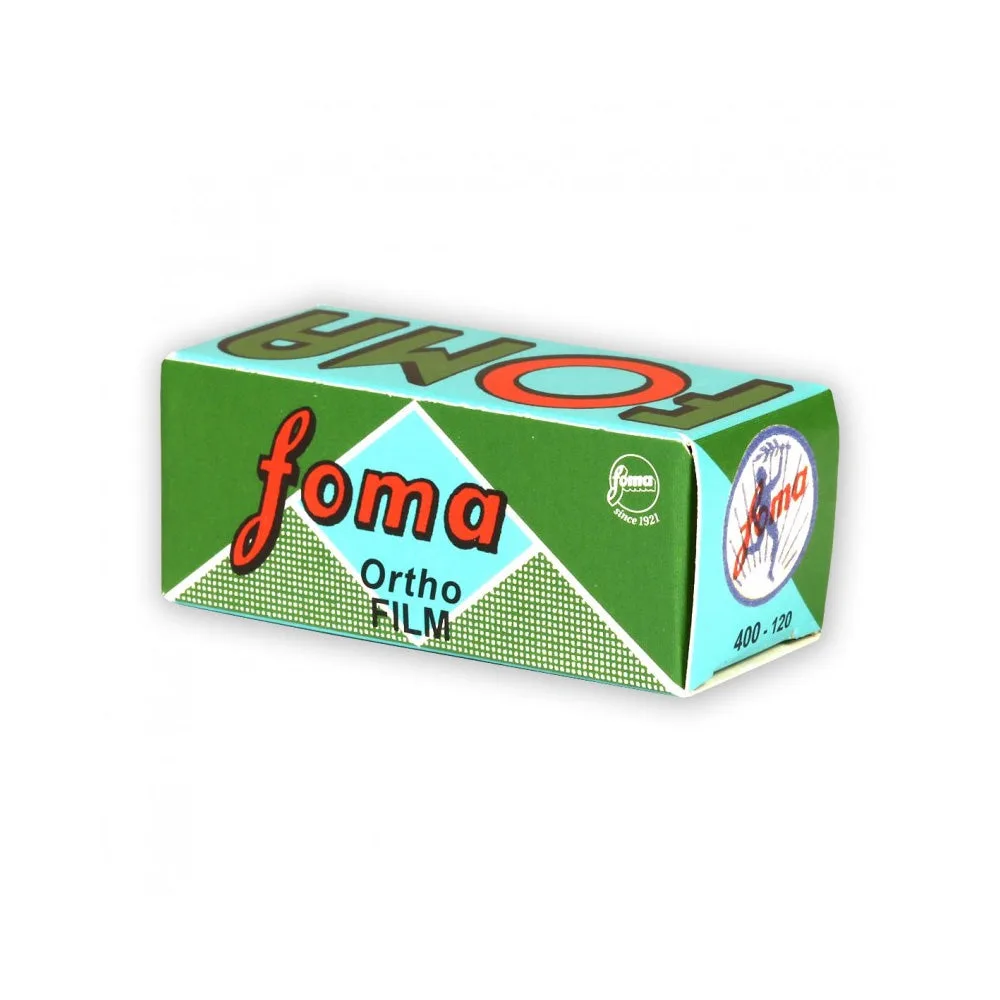
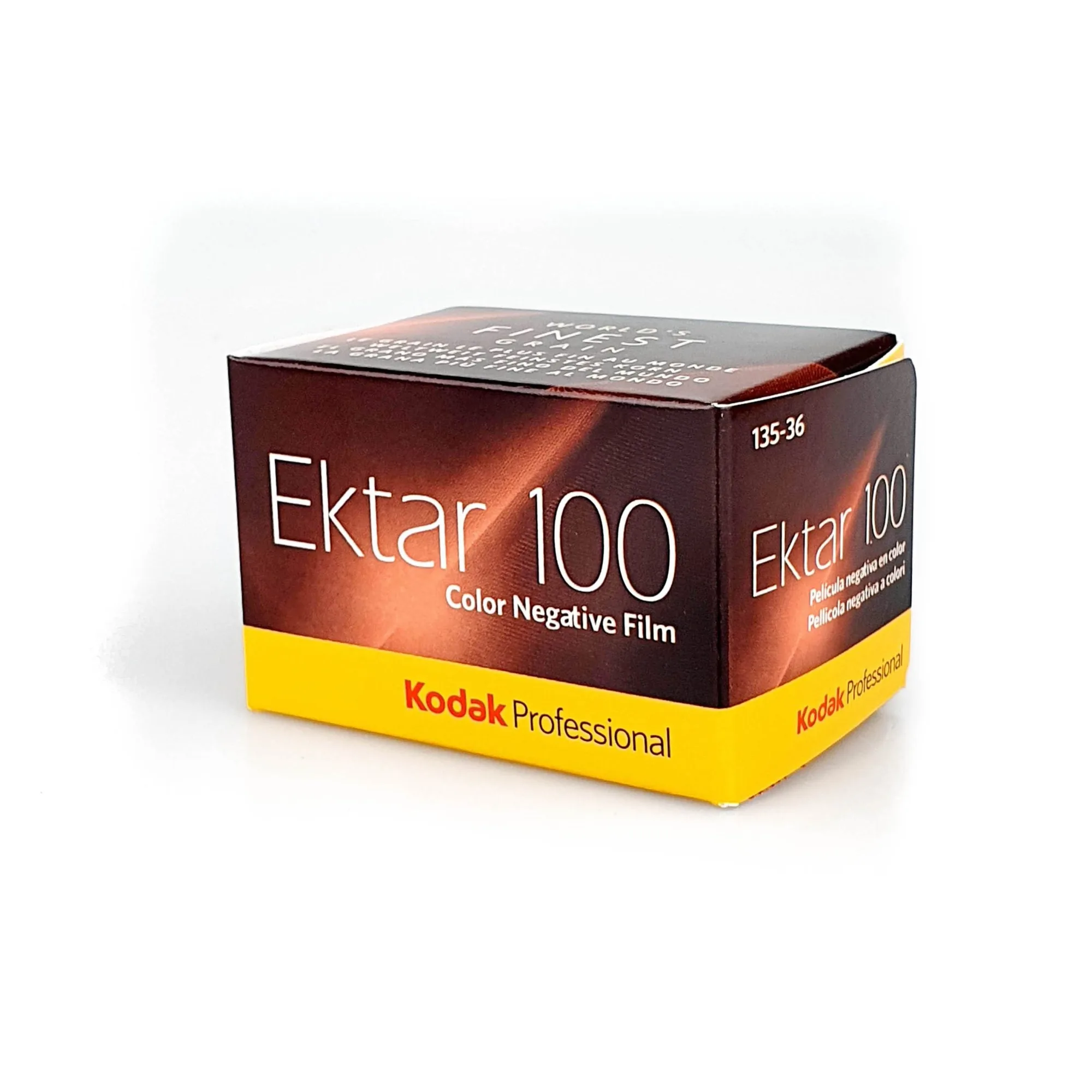
If you want to lower per-shot costs while keeping a film look, a reusable 35mm or 120 camera loaded with a roll like Kodak Ektar 100 35mm or FOMA Ortho 400 120 Film gives you more frames per dollar than instant film. The catch is that you still need processing and scanning, so the convenience of instant prints disappears.
Control, creativity, and the look of the image
Disposable cameras are deliberately limited. Most have a fixed lens, fixed shutter speed, and a built-in flash that you either use or do not. That limitation is the point: you compose, press the shutter, and move on. The look is often soft, grainy, and slightly unpredictable, which many people find charming for parties, travel, and candid snapshots.
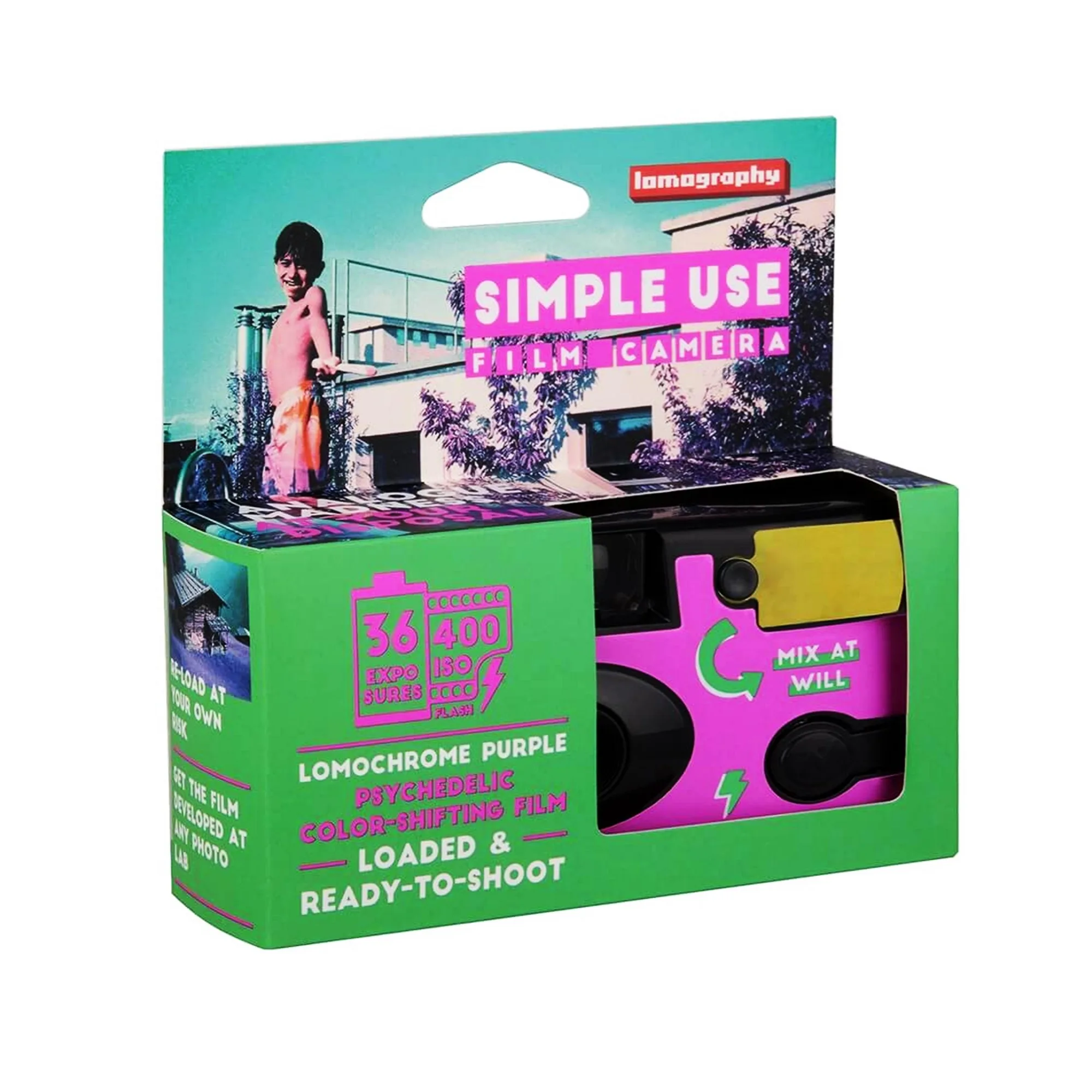
Instant cameras offer more creative levers. Some models let you adjust exposure, use flash filters, or choose between color and monochrome film packs. The Lomography Simple Use Film Camera - LomoChrome Purple is a middle ground: it is preloaded like a disposable, but the film inside is LomoChrome Purple ISO 100-400, which produces purple hues rather than natural color. It also includes three Color Gel flash filters that tint shots with one of six different color effects. That makes it a good choice if you want disposable-camera simplicity with a more distinctive palette.
Processing, waiting, and what you actually keep
With a disposable camera, the delay between shooting and seeing images is real. You finish the roll, drop it off or mail it, and wait for development and scanning. If you shoot a wedding, a trip, or a birthday, the photos may arrive days or weeks later. Some people enjoy that anticipation; others find it frustrating.
Instant cameras collapse that delay to minutes. You see the print develop, and you can write on the border, hand it to someone, or stick it on a wall the same day. The print is the archive. You do not need a scanner or a lab unless you want digital copies, and even then a phone photo of the print is often enough for social sharing.
If you plan to scan and edit, disposable or reusable film gives you a negative that can be scanned at high resolution. Instant prints are harder to scan well because they are reflective and small. That matters if your goal is large prints or a digital portfolio rather than a shoebox of physical moments.
When a disposable camera is the smarter buy
Choose disposable when the event is finite and you do not want to manage a camera afterward. Weddings, festivals, beach trips, and parties are classic cases. You can hand a disposable to a friend, let kids use it, and not worry about loss or damage. The camera is the sacrifice, not your main gear.
Disposable cameras also make sense when you want a uniform look across many shooters. If you give ten guests the same model, you get a consistent film stock and flash behavior, which makes the resulting set feel cohesive. That is difficult to replicate with a mix of instant cameras and phone cameras.
When an instant camera is the smarter buy
Choose instant when you want feedback and repetition. Beginners often learn faster with instant film because each shot teaches something immediately: too dark, too close, flash needed. You can adjust on the next frame rather than waiting for a whole roll.
Instant cameras also win for social rituals. Dinner parties, guest books, and travel journals benefit from a print that exists right away. If you shoot more than a few packs a year, the camera body pays for itself in convenience, even though the film costs more per shot.
A preloaded creative camera like the Lomography Simple Use Film Camera - LomoChrome Purple sits between the two categories. It is disposable in form but uses a distinctive film stock and flash filters, so it suits shooters who want a one-time camera with a stronger visual identity than a standard disposable.
Decision rules for instant vs disposable
- Rule 1: Shoot less than twice a year: If you pick up a camera only for holidays, weddings, or occasional nights out, a disposable camera keeps your upfront cost low and avoids the risk of unused instant film packs expiring or going to waste. Choose disposable for low-frequency, event-based shooting.
- Rule 2: You want the print in your hand today: If the point is to give someone a photo, paste it in a guest book, or see the result before the moment passes, only an instant camera delivers that. No lab turnaround can match it. Choose instant when immediacy is the main value.
- Rule 3: You want to learn exposure and composition: Instant film gives you a result per shot, so you can correct on the next frame. A disposable roll hides your mistakes until the whole roll is developed, which slows learning. Choose instant for faster feedback while learning.
- Rule 4: You care about scan quality and enlargement: A 35mm or 120 negative scans to a larger, cleaner file than a small instant print. If your goal is big prints or a digital archive, film plus a lab is the stronger path. Choose disposable or reusable film when the final output is digital or large.
- Rule 5: You want a distinctive one-time look: A preloaded creative camera such as the Lomography Simple Use Film Camera - LomoChrome Purple gives you a specific palette and flash-filter effects without committing to an instant system. Choose a preloaded creative camera when you want disposable simplicity with a stronger look.
Products that illustrate the trade-offs
- Lomography Simple Use Film Camera - LomoChrome Purple: Lomography Simple Use Film Camera - LomoChrome Purple is preloaded with LomoChrome Purple ISO 100-400 film and includes three Color Gel flash filters for six different color effects. It gives you disposable-camera convenience with a creative palette, so it suits one-time events where you want a distinctive look rather than natural color.
- Kodak Ektar 100 35mm: Kodak Ektar 100 35mm is a daylight-balanced color negative film with ISO 100, extremely fine grain, vivid color, and 36 exposures per roll, in C-41 process. If you want more frames per dollar and high scan quality, a reusable 35mm camera with Ektar lowers your cost per shot compared with instant film, though you still need processing.
- FOMA Ortho 400 120 Film: FOMA Ortho 400 120 Film is an orthochromatic black and white negative film with good resolving power, contour sharpness, fine grain, and high maximum density. For shooters who want a slower, more deliberate black and white workflow, 120 film offers a different creative path than instant prints, but it requires a 120 camera and lab development.
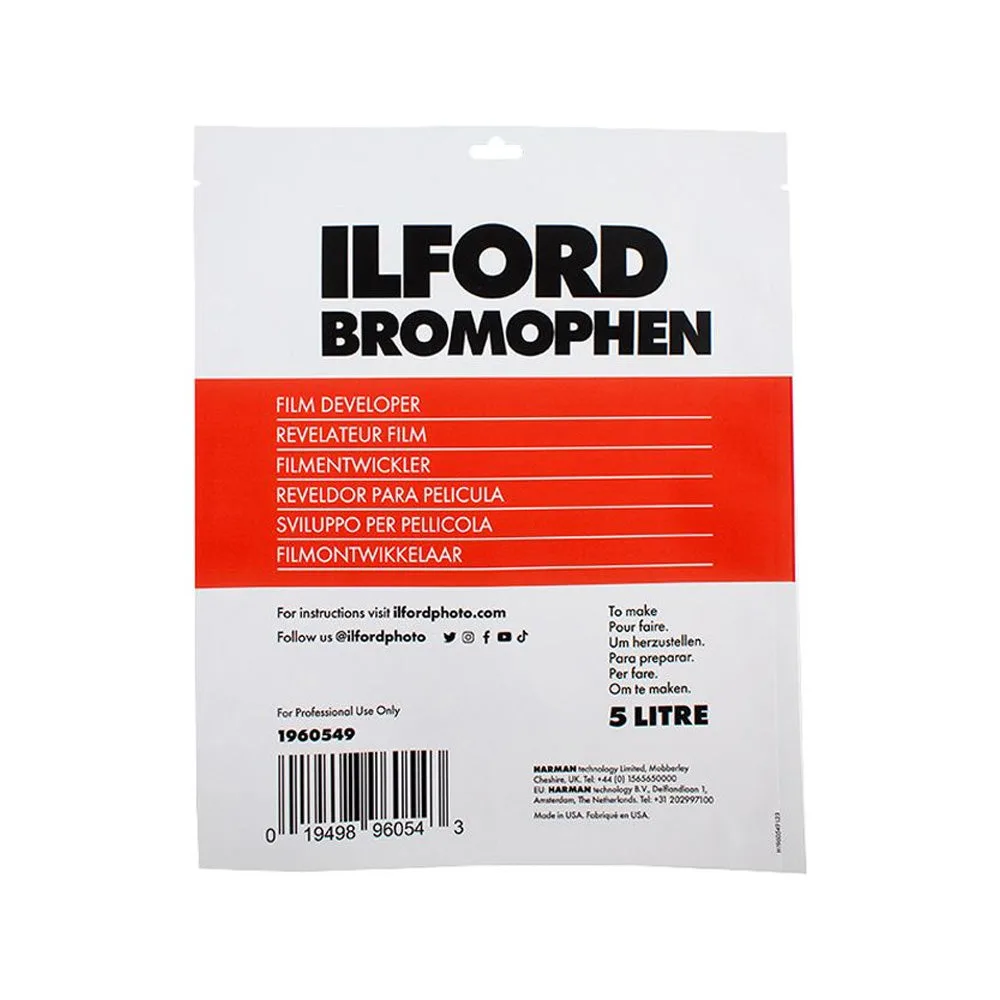
- Ilford Bromophen Paper Developer - 5L: Ilford Bromophen Paper Developer - 5L is a phenidone/hydroquinone powder print developer with a long shelf life, diluted 1+3 for use, and recommended for fibre based papers. If you plan to print your own black and white work from disposable or reusable film, this developer supports that darkroom path; instant cameras bypass it entirely.
Who should buy which
Best for
- Beginners who want immediate feedback and a physical print per shot
- Social events, guest books, and travel journals where the print is the keepsake
- Shooters who will use the camera repeatedly over months or years
Not for
- Budget-focused shooters who need the lowest possible cost per shot
- Anyone who wants high-resolution scans or large enlargements from the same camera
- People who shoot only once or twice a year and do not want film to sit unused