Quick answer
Start on smooth, flat dirt or gravel, not technical singletrack. Make sure your child's bike fits and has working brakes and knobby tires, then teach one skill at a time: standing, looking ahead, and braking before turns. Keep first rides short and fun, and add trail features only when your child asks for more.
Mountain biking can be a great family activity, but the jump from pavement to dirt is bigger than most parents expect. Kids need a bike that fits, tires that grip, and a few core skills before they hit real trails. Rushing this stage is the fastest way to turn a fun afternoon into a frustrating one.
This guide walks through a simple progression: prep the bike, pick the right first terrain, teach a handful of skills in order, and layer in safety gear as confidence grows. You do not need a full-suspension kids mountain bike to start. You need a safe, well-fitting bike and a plan.
Start with a bike that fits and can handle dirt
Before you drive to a trailhead, check the basics. Your child should be able to touch the ground with both feet while seated on the saddle, and the brakes should stop the bike smoothly without locking up. Knobby tires make a real difference on loose dirt and gravel, and a lightweight frame helps kids steer and lift the front wheel when they need to.
If your child is moving up from a smaller bike, look for a kids mountain bike with a youth-specific fit rather than an adult bike sized down. Prevelo's Alpha Five is a 26-inch geared bike built for riders ages 9 to 13, with an 8-speed Microshift Acolyte drivetrain, a wide 11–38T cassette, and Promax hydraulic disc brakes. That gearing range helps on gentle climbs, and the disc brakes give predictable stopping power on dirt.
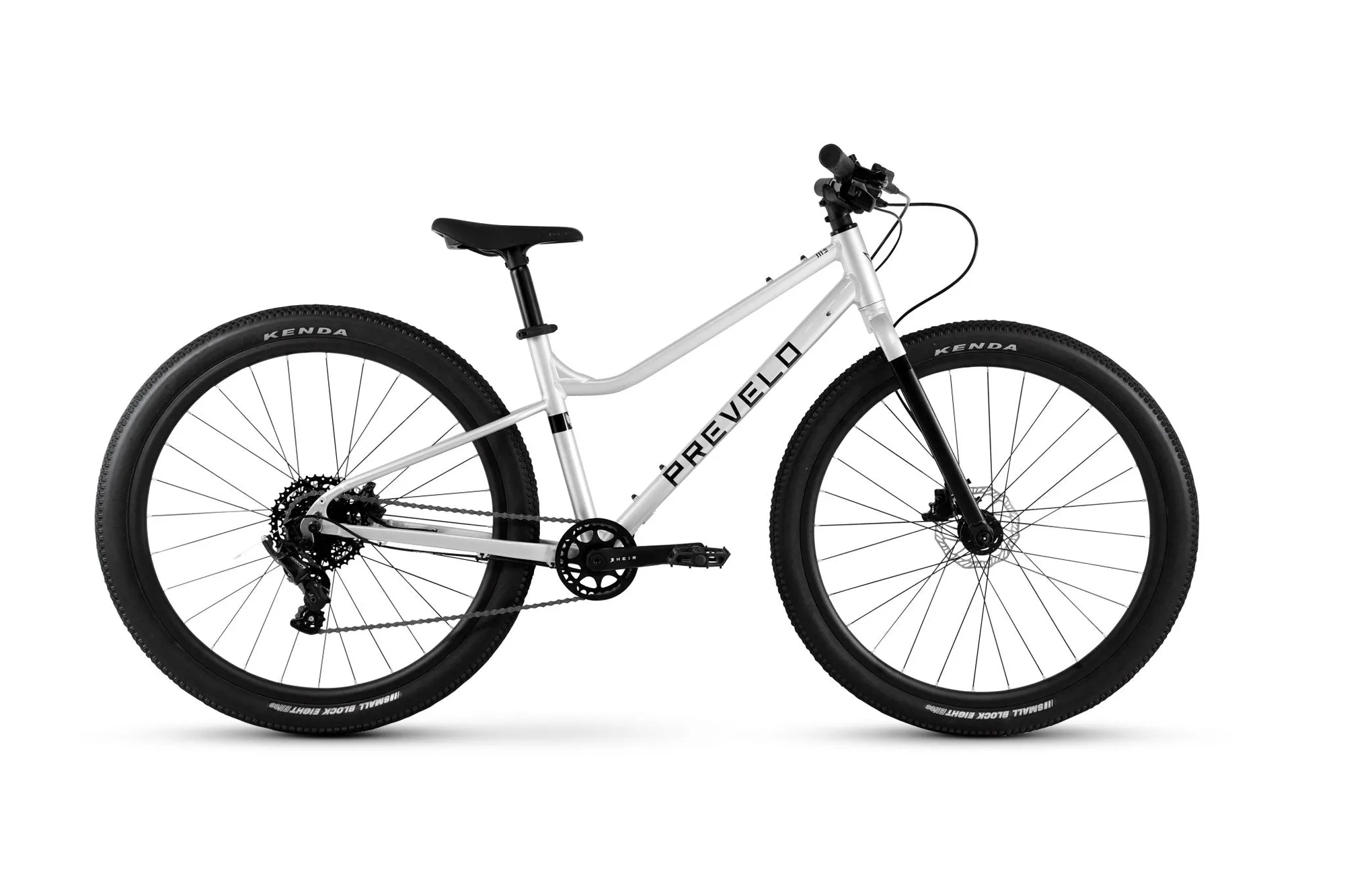
Alpha Five
- Checkpoint: your child can reach the brakes comfortably and stop without skidding.
- If the bike still has training wheels or a coaster brake only, practice hand braking on pavement first.
Pick the right first terrain
The best first ride is a flat, wide dirt path, a grassy field, or a smooth gravel road with no traffic. Avoid roots, rocks, and steep descents until your child can stand, coast, and brake confidently. A local park with a packed-dirt loop is often ideal because you can repeat the same short section without committing to a long trail.
Walk the route first and look for hazards: loose sand, wet leaves, deep ruts, and blind corners. If you would not feel comfortable riding it yourself at a relaxed pace, it is too much for a first outing. Keep the first few sessions to 20–30 minutes and end while your child still wants more.
- Common mistake: starting on a real singletrack trail because it looks easy on a map.
- Checkpoint: your child can ride the same short loop three times without needing to stop and walk.
Teach three core skills before adding speed
Focus on standing, looking ahead, and braking early. Have your child practice standing on the pedals with level cranks while coasting over small bumps. This is the foundation for absorbing trail chatter and keeping control. Next, practice looking several bike lengths ahead instead of at the front tire, which helps them ride smoother lines.
Braking is the skill most kids rush. Teach them to brake before a turn, not during it, and to use both brakes together with more pressure on the rear. On a gentle dirt slope, have them practice stopping in a controlled distance. Once these three skills feel automatic, add gentle corners and small rollers.
- Common mistake: letting your child lead at full speed before they can brake in a straight line.
- Checkpoint: your child can stop smoothly on dirt from a moderate speed without skidding.
Add safety gear and simple trail habits
A properly fitted helmet is non-negotiable. Add knee pads once your child starts riding faster or trying small trail features. Prevelo Knee Pads by G-Form are designed for young riders of all skill levels and help protect against scrapes on the sidewalk and trail mishaps. They are a low-stress way to build confidence because kids worry less about falling.
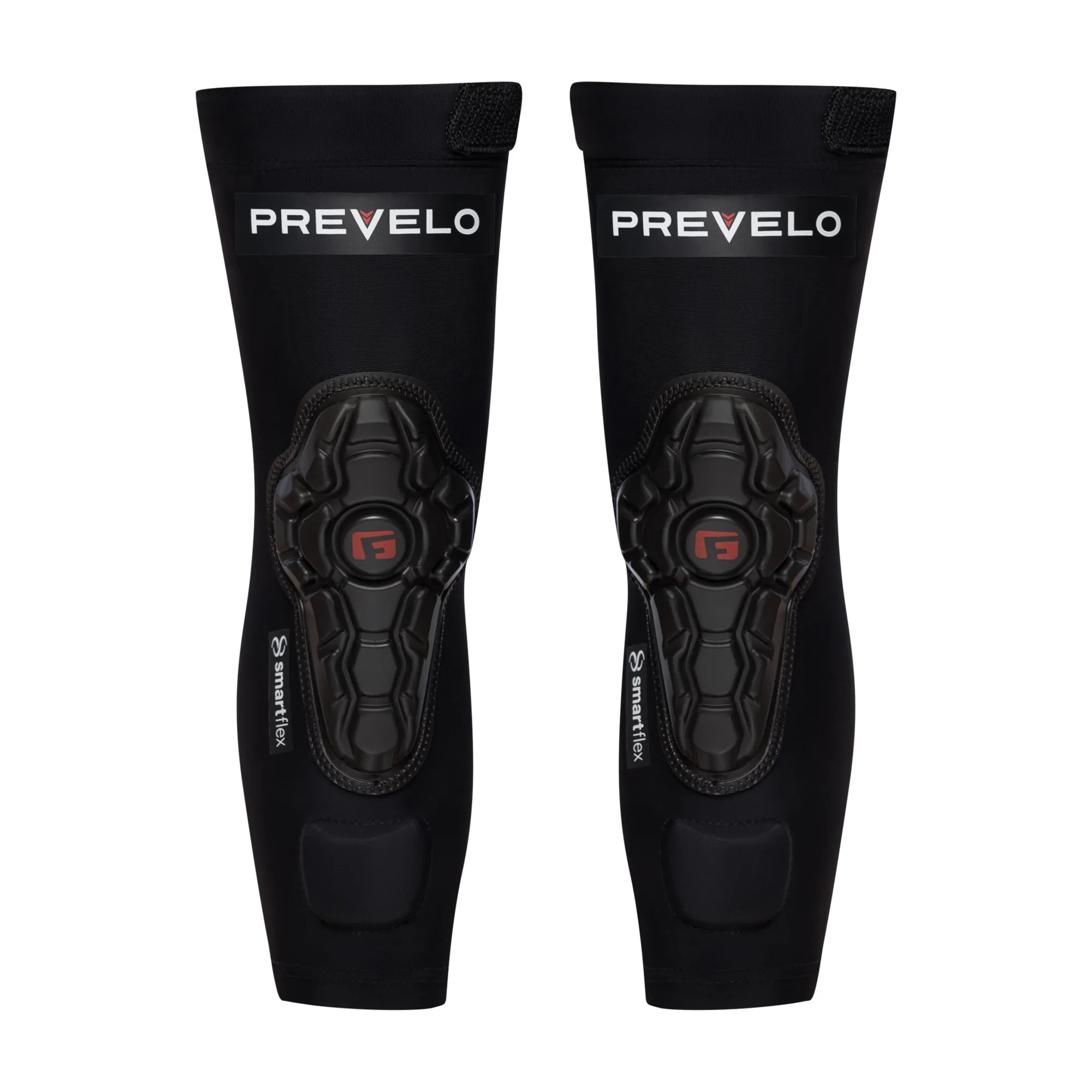
Prevelo Knee Pads by G-Form
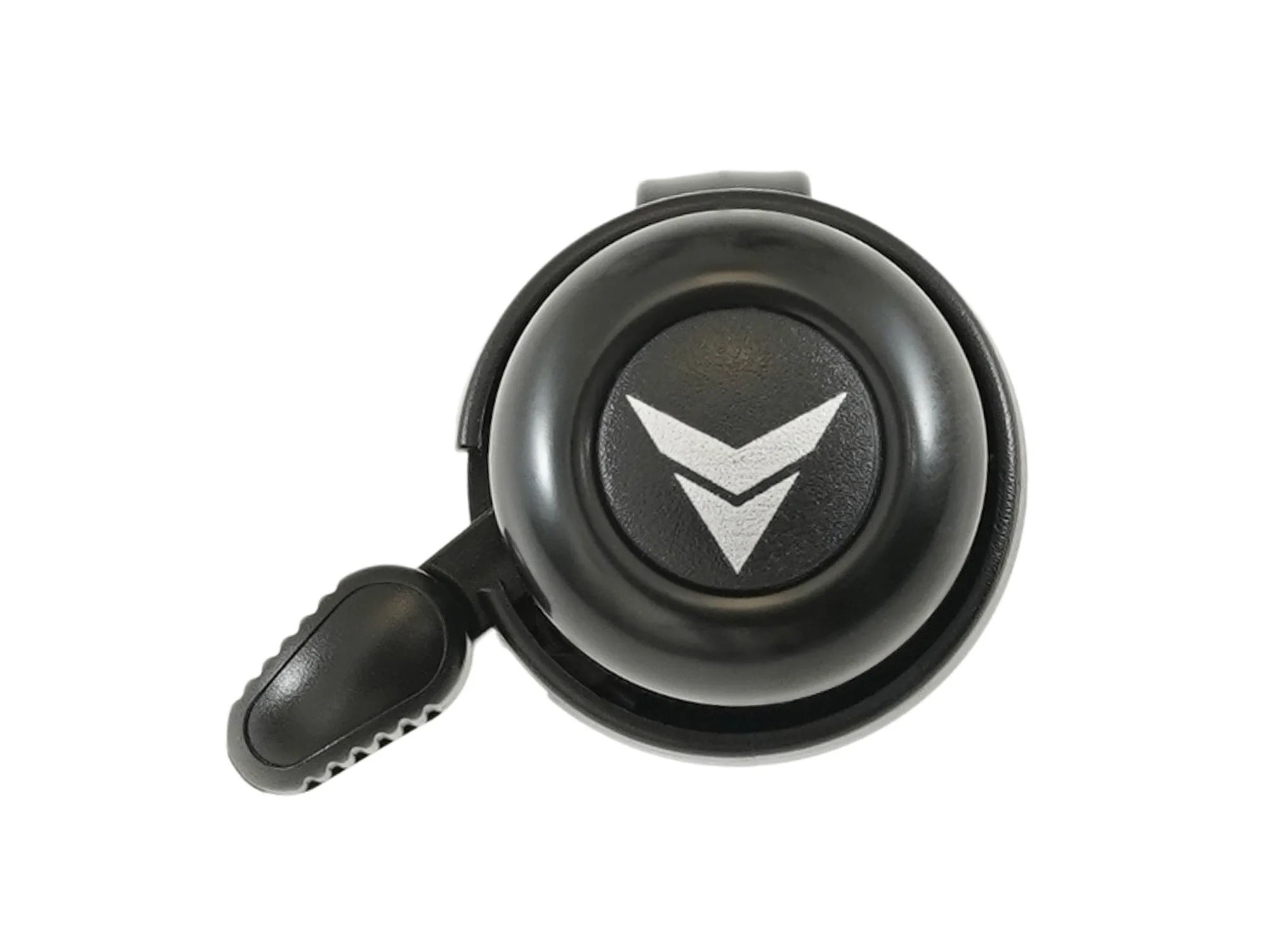
Teach trail etiquette early: ride on the right, call out when passing, and stop off the trail. A bell helps others know you are there. The Bell of Justice attaches to the handlebar and includes a shim to fit 19mm or 22.2mm handlebars, so it works on most kids' bikes. These habits make family rides safer and more enjoyable for everyone.
- Common mistake: buying oversized pads that slide down or restrict pedaling.
- Checkpoint: your child can put on and adjust their own helmet and pads with a quick check from you.
Build confidence with short, repeatable rides
Progress comes from repetition, not distance. Pick one short loop and ride it weekly. Each time, add one small challenge: a slightly faster corner, a tiny root, or a gentle climb. Let your child choose when to try something new. If they hesitate, ride behind them and talk through the line rather than pushing them into it.
Keep snacks and water handy, and watch for tiredness. Fatigue causes more crashes than lack of skill. When your child starts making small mistakes they did not make earlier, it is time to stop. Ending on a good note makes them want to come back.
- Common mistake: turning every ride into a fitness test or a long epic.
- Checkpoint: your child asks to ride the same loop again next weekend.
Know when to upgrade the bike
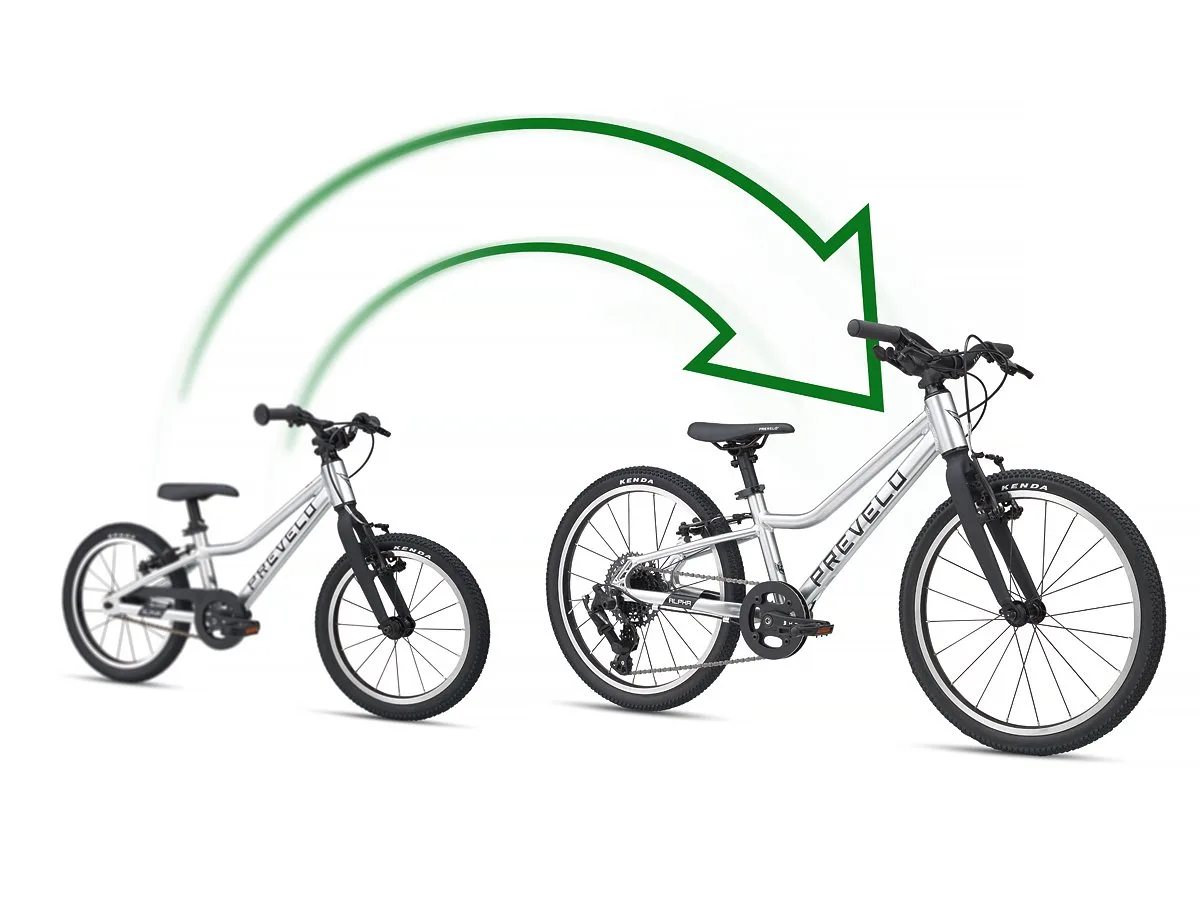
As your child grows and rides more technical terrain, a bike with better gearing, brakes, and lighter weight becomes worthwhile. Prevelo's Trade-Up Club can make that step more affordable: members send back a previous Prevelo bike when moving up and get 40% of the original purchase price back, with return shipping paid. The membership is lifetime, which matters if you have more than one child or plan to upgrade again.
You do not need to upgrade all at once. Start with the bike that fits the terrain your child actually rides. If they are mostly on smooth dirt paths, a lighter hardtail with good brakes is plenty. If they are asking for steeper, rockier trails, that is the signal to look at more capable geometry and gearing.
- Common mistake: buying a bigger bike too early because your child will grow into it.
- Checkpoint: your child can handle the current bike confidently on the trails you ride most.
Your first month: a step-by-step plan
- Week 1: Bike and gear check: Confirm the bike fits, brakes work, and tires have knobby tread. Fit a helmet and consider knee pads. Ride on pavement to practice braking and standing. Checkpoint: your child can stop smoothly on pavement without skidding.
- Week 2: First dirt ride: Go to a flat, wide dirt or gravel path. Ride for 20–30 minutes. Practice looking ahead and braking before turns. Checkpoint: your child completes the loop without needing to walk sections.
- Week 3: Add small features: Find a gentle slope or a few small rollers. Practice standing on level pedals and coasting over bumps. Keep speed low. Common mistake: letting speed build before standing and braking are solid.
- Week 4: Repeat and review: Ride the same loop again. Ask your child what felt easy and what felt hard. Add one small challenge only if they want to. Checkpoint: your child asks to go again, and you both finish with energy left.
- Next step: upgrade when ready: If your child is consistently confident on dirt and asking for rockier or steeper trails, consider a more capable kids mountain bike. The Prevelo Trade-Up Club can reduce the cost of moving up. Do not upgrade for terrain you do not actually ride.
Products that support the first steps
- Alpha Five: The Alpha Five Mk III is a 26-inch geared bike for riders ages 9 to 13, with an 8-speed Microshift Acolyte drivetrain, wide 11–38T cassette, and Promax hydraulic disc brakes. The wide gearing helps on gentle climbs, and hydraulic disc brakes give consistent stopping power on dirt, which builds confidence for beginner mountain biking.
- Prevelo Knee Pads by G-Form: Designed for young riders of all skill levels, these knee pads help protect learners from scrapes on the sidewalk and trail mishaps. Knee pads reduce the sting of small falls, so kids are more willing to try new skills like standing over bumps and cornering on dirt.
- The Bell of Justice: The Bell of Justice attaches to the handlebar and includes a shim to fit either 19mm or 22.2mm handlebars. A bell helps your child signal to other trail users, which is a simple habit that makes shared paths safer for beginners.
- Prevelo Factory Trade-Up Club: Members send back a previous Prevelo bike when moving up and get 40% of the original purchase price back, with return shipping paid, and membership is lifetime. It lowers the cost of upgrading as your child grows into more capable bikes, which is useful if they stick with mountain biking.
Introducing your child to mountain biking works best as a slow progression: right bike, easy terrain, a few core skills, and safety gear that fits. Keep early rides short and repeatable, and let your child set the pace. If they keep asking to go back, you are doing it right.