Bringing home a new crate can be exciting, but for many dogs, it’s a source of anxiety. The key to successful crate training is to make the crate a positive, safe space your dog chooses to enter. Whether you’ve invested in a rugged G1TM KENNEL - BLACK for travel or a cozy Homestead Dog Bed for home, the introduction process matters just as much as the product itself.
In this guide, we’ll walk you through a step-by-step approach to introduce your dog to a new crate, using positive reinforcement and gradual desensitization. By the end, your dog will see their crate as a den, not a cage.
Why Positive Crate Training Matters
Crate training is not about confinement—it’s about providing a safe, secure space where your dog can relax. Dogs are den animals by nature; they instinctively seek out small, enclosed spaces to feel protected. However, if a crate is introduced abruptly or used as punishment, it can trigger fear and anxiety.
Positive crate training builds trust and helps your dog associate the crate with good things like treats, meals, and rest. This approach reduces stress for both you and your pet, making travel, vet visits, and home alone time easier. Plus, a well-trained dog is more likely to see their crate as a retreat, not a prison.
- Never use the crate as a punishment—it should always be a positive space.
- Start slow and let your dog set the pace.
- Use high-value treats to create a strong positive association.
Step 1: Choose the Right Crate and Location
Before you begin, ensure your crate is the right size. Your dog should be able to stand, turn around, and lie down comfortably. The G1TM KENNEL - BLACK is a popular choice for its durability and crash-test safety, but size matters—check the manufacturer’s sizing guide to get the perfect fit.
Place the crate in a family area where your dog can see you but still have quiet time. Avoid high-traffic spots or isolated corners. The goal is to make the crate part of your dog’s daily environment, not a remote cell.
- Measure your dog’s length and height to ensure proper crate size.
- Add a soft bed like the Homestead Dog Bed Quail Tan for extra comfort.
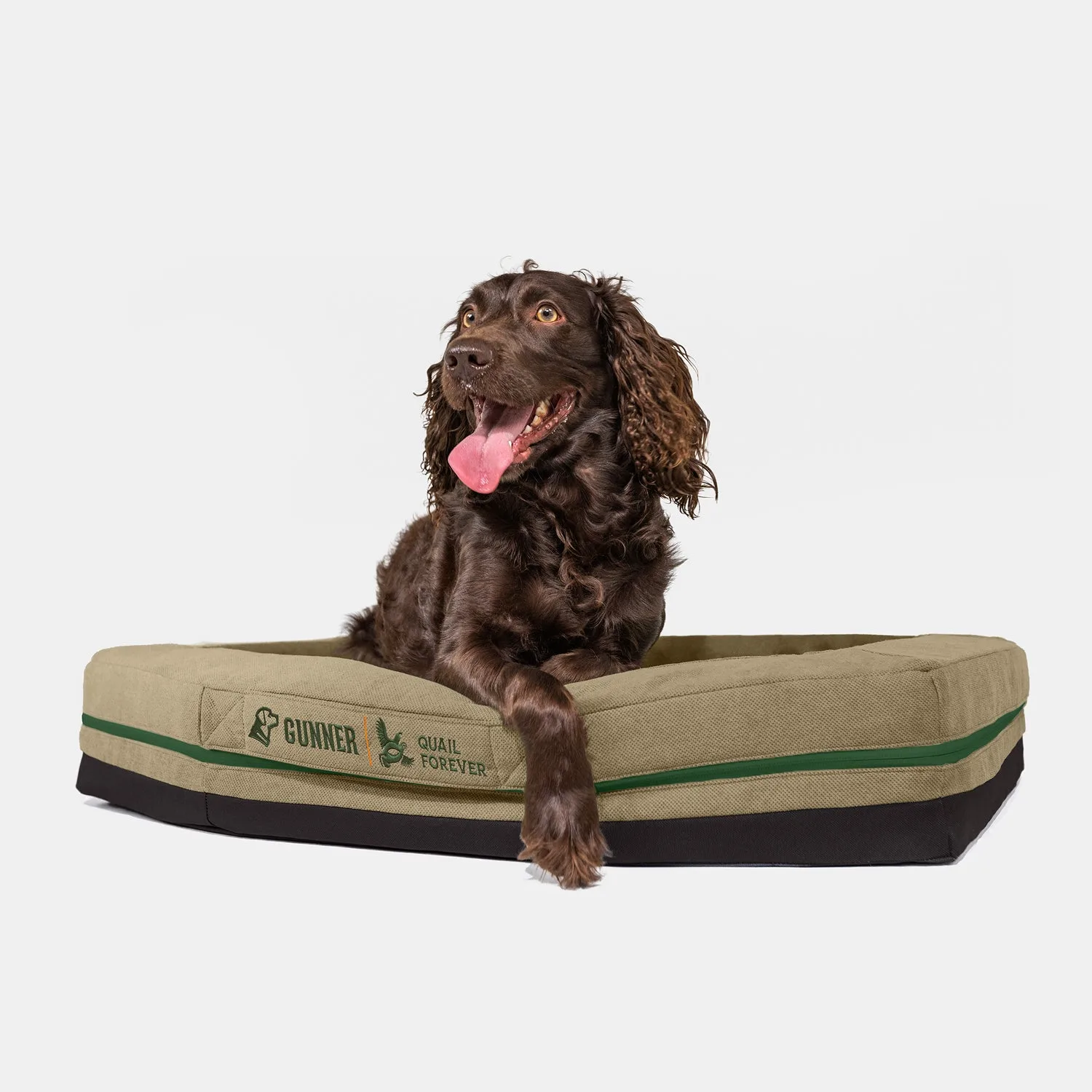
Homestead Dog Bed Quail Tan
- Keep the crate door open initially to let your dog explore at will.
Step 2: Make the Crate Inviting
The inside of the crate should feel like a cozy den. Add a comfortable bed, like the Homestead Dog Bed Treeline Green, which is durable and washable—perfect for dogs who like to dig or nest. A familiar blanket or toy can also help your dog feel at ease.
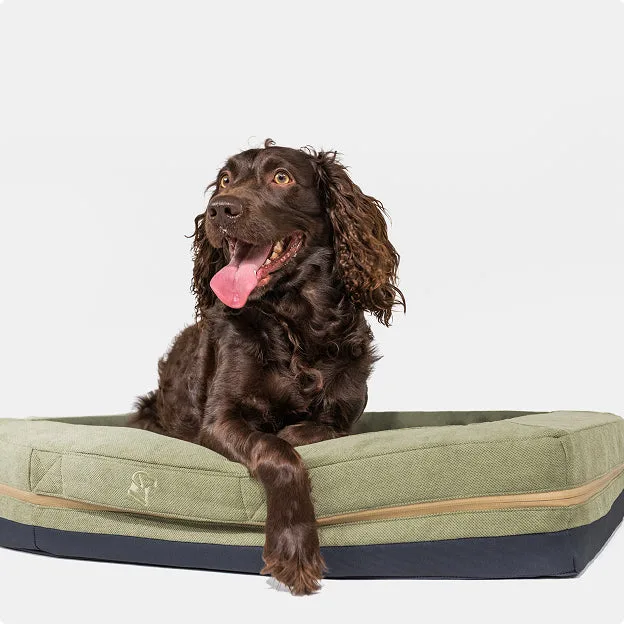
Homestead Dog Bed Treeline Green
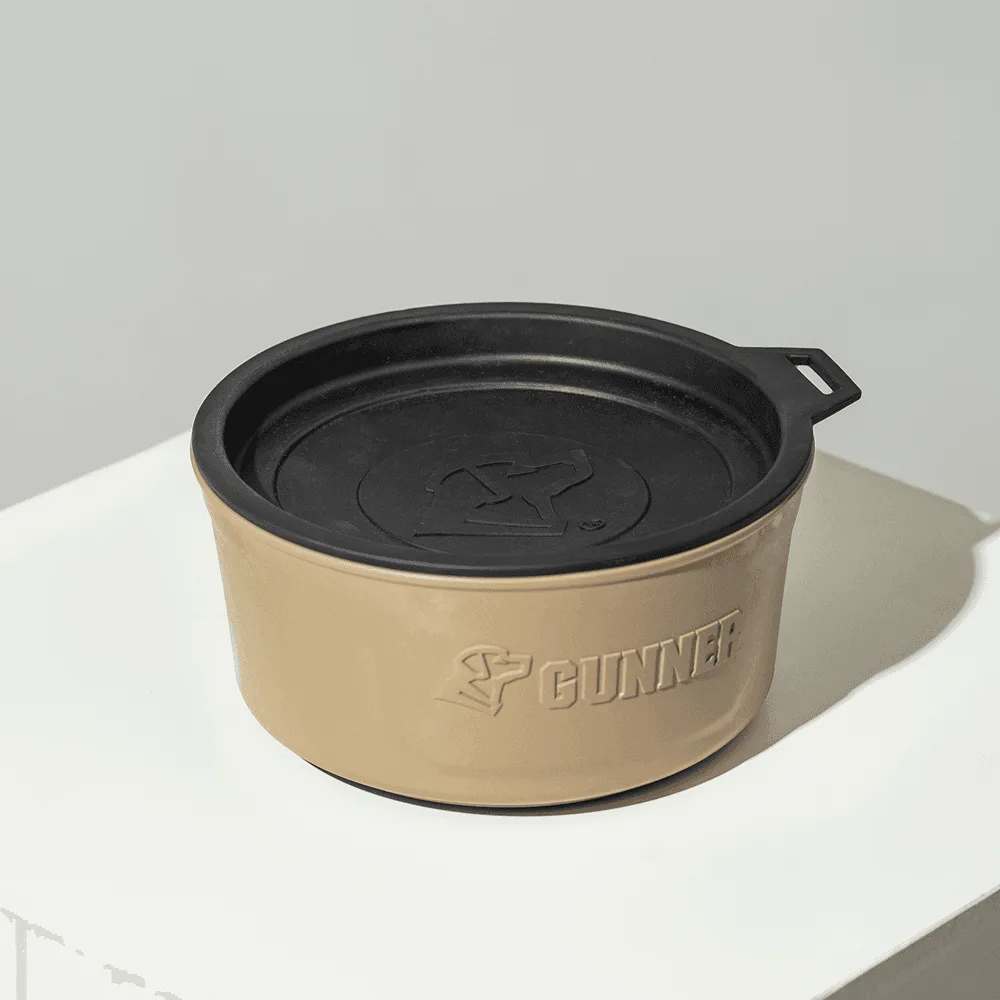
Consider placing a GUNNER DOG BOWL - TAN inside the crate with a small amount of water or a treat. This encourages your dog to enter and associates the crate with positive experiences like eating and drinking.
- Use a bed that fits well and is easy to clean.
- Add a chew toy or puzzle feeder to keep your dog occupied.
- Leave a piece of your clothing with your scent to comfort your dog.
Step 3: Use Treats and Meals as Positive Reinforcement
Start by tossing a few treats into the crate and letting your dog retrieve them. As your dog becomes comfortable, place their regular meals near the crate, then gradually move the bowl inside. Soon, your dog will eagerly enter the crate for mealtime.
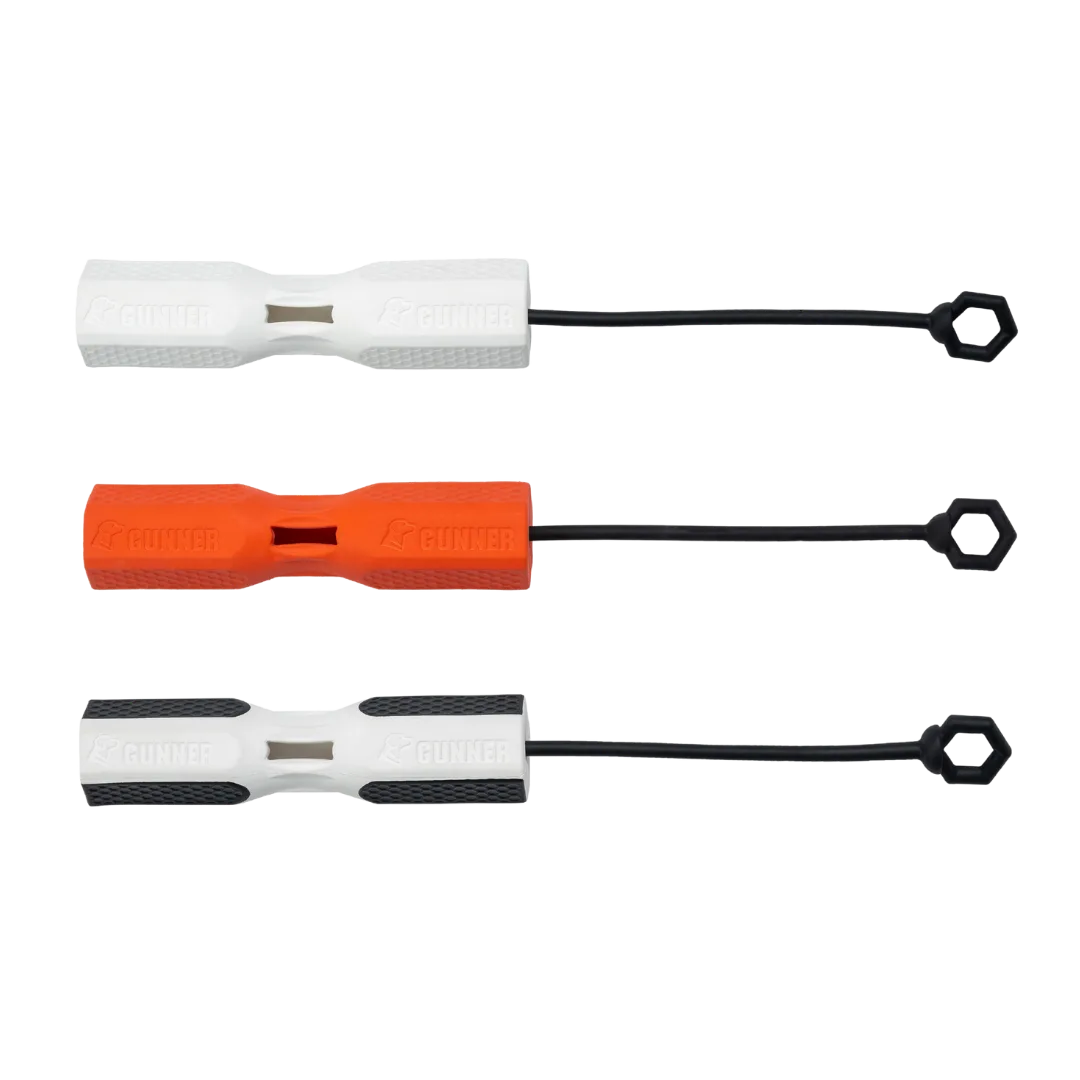
You can also use a stuffed KONG or a GUNNER BUMPER toy to encourage longer stays. The key is to make every interaction with the crate rewarding. Over time, your dog will voluntarily go inside, even when you’re not looking.
- Use small, high-value treats like chicken or cheese.
- Feed meals inside the crate with the door open initially.
- Slowly increase the time your dog spends inside with the door closed.
Step 4: Practice Short, Positive Sessions
Once your dog is comfortable entering the crate, start closing the door for short periods while you stay nearby. Begin with just a few seconds, then gradually increase the duration. Always reward calm behavior with treats and praise.
If your dog whines or scratches, you may be moving too fast. Go back a step and try again later. Consistency and patience are your best tools. Remember, the goal is to build a positive association, not to force your dog into a stressful situation.
- Start with the door open, then close it for a few seconds at a time.
- Stay in the room during initial closed-door sessions.
- Never let your dog out while they are whining—wait for a quiet moment.
Step 5: Extend Crate Time Gradually
As your dog becomes more relaxed, you can extend the time they spend in the crate with the door closed. Start with a few minutes while you watch TV, then progress to longer periods when you leave the house. Always provide a comfortable bed and a safe toy to keep your dog occupied.
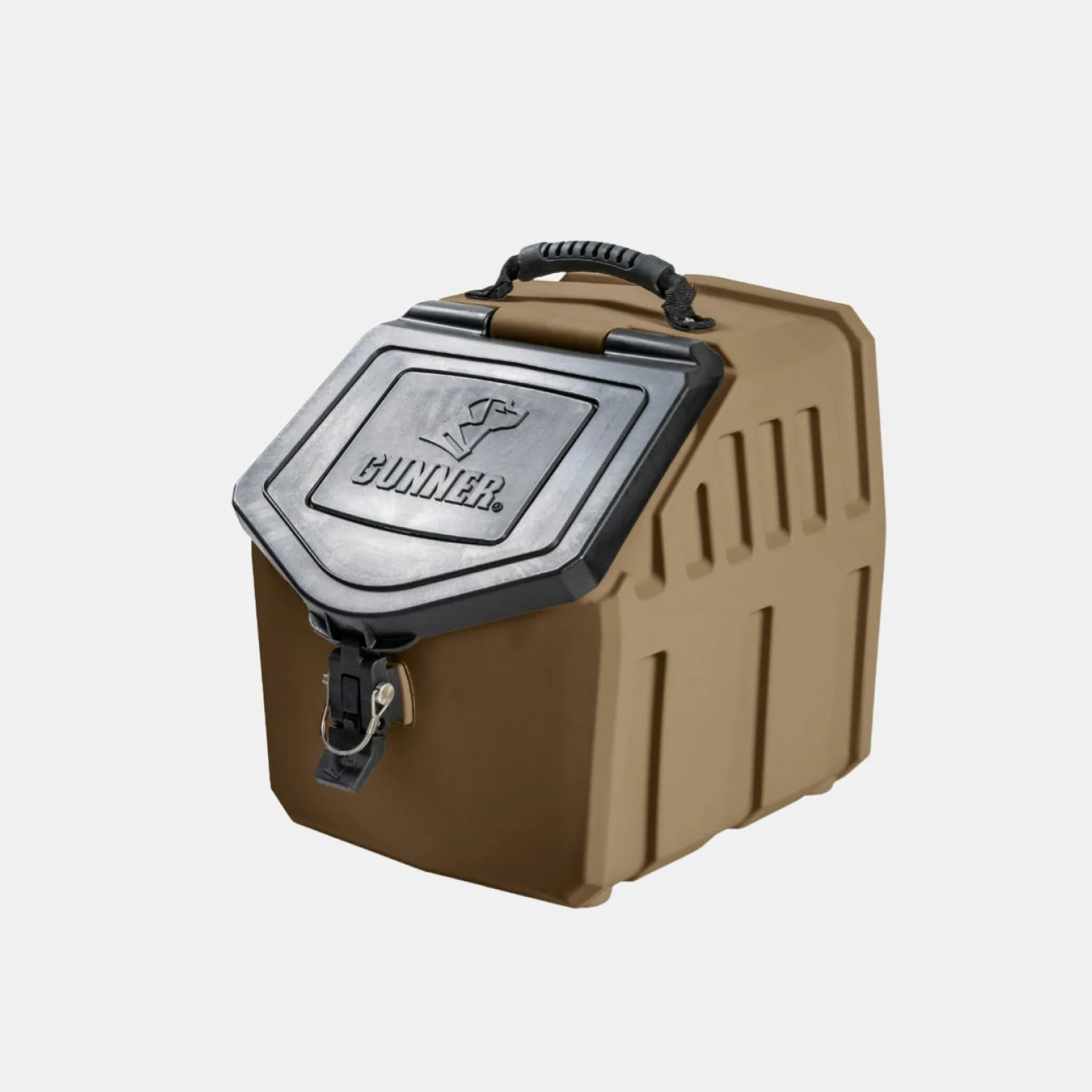
For dogs that are particularly anxious, consider using a pheromone spray or calming supplement, but always consult your vet first. The GUNNER FOOD CRATE - Cheyenne Bottoms is a great option for storing treats and food, making it easy to reward your dog during training.
- Gradually increase crate time in 5-minute increments.
- Practice leaving the room for short periods, then return.
- Use a command like 'kennel' or 'crate' to signal it’s time to go in.
Step 6: Troubleshooting Common Issues
If your dog cries or barks, it’s important not to give in immediately. Wait for a moment of silence before letting them out, so they learn that quiet behavior is rewarded. If the whining persists, take a step back and work on shorter sessions.
Some dogs are more sensitive to confinement. In such cases, try placing the crate in a different location or adding a cover to create a den-like atmosphere. The Long Haul Bed is designed for heavy chewers and diggers, making it a durable choice for dogs that might otherwise destroy their bedding.
- Never punish your dog for whining—it will increase anxiety.
- Cover the crate with a light blanket to block visual stimuli.
- Ensure your dog has had enough exercise before crate time.
Introducing your dog to a new crate doesn’t have to be stressful. With patience, positive reinforcement, and the right gear, you can turn the crate into your dog’s favorite spot. Start with a high-quality kennel like the G1TM KENNEL - BLACK and a comfortable bed like the Homestead Dog Bed Quail Tan to set the stage for success. Remember, every dog is different—take it slow and celebrate small victories. Happy training!