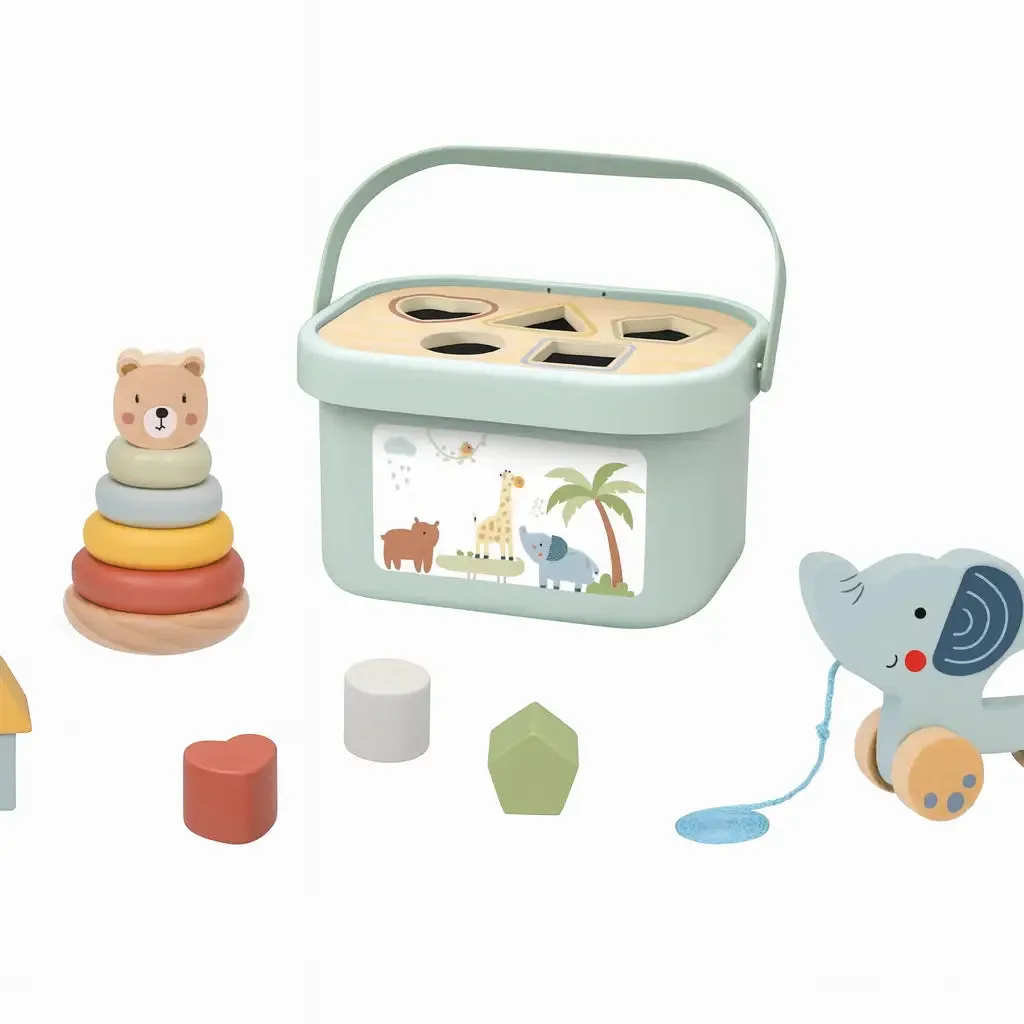
Before your baby masters the art of self-feeding, there's a crucial phase called pre-feeding. This is the time when little ones develop the oral motor skills, hand-eye coordination, and sensory awareness needed for successful eating. Pre-feeding toys are specially designed to support this development, making the transition to solid foods smoother and more enjoyable for both baby and parent.
In this guide, we'll explore what pre-feeding toys are, why they matter, and how to introduce them effectively. You'll also discover practical activities and product recommendations that can make a real difference in your baby's eating journey.
What Are Pre-Feeding Toys and Why Do They Matter?
Pre-feeding toys are objects and tools that help babies practice the skills needed for eating before they start consuming solid foods. These toys encourage oral motor development, which involves the muscles of the mouth, tongue, and jaw. Strong oral motor skills are essential for chewing, swallowing, and eventually speaking clearly.
Beyond oral motor skills, pre-feeding toys also enhance sensory processing. Babies learn about different textures, temperatures, and shapes through their mouths and hands. This sensory exploration builds a foundation for accepting a variety of foods later on. Additionally, these toys improve hand-eye coordination as babies learn to grasp, bring objects to their mouths, and manipulate them.
Introducing pre-feeding toys early can also reduce mealtime stress. When babies are familiar with the sensations of different textures and tools, they are more likely to approach real food with curiosity rather than resistance.
- Supports oral motor development for chewing and speech
- Enhances sensory processing through varied textures
- Builds hand-eye coordination and fine motor skills
- Reduces mealtime anxiety by familiarizing baby with new sensations
When and How to Start with Pre-Feeding Toys
You can begin introducing pre-feeding toys as early as 4-6 months, when your baby starts showing interest in putting things in their mouth. At this stage, choose toys that are safe, BPA-free, and easy to grasp. Start with short, playful sessions—just a few minutes a day—and let your baby lead the exploration.
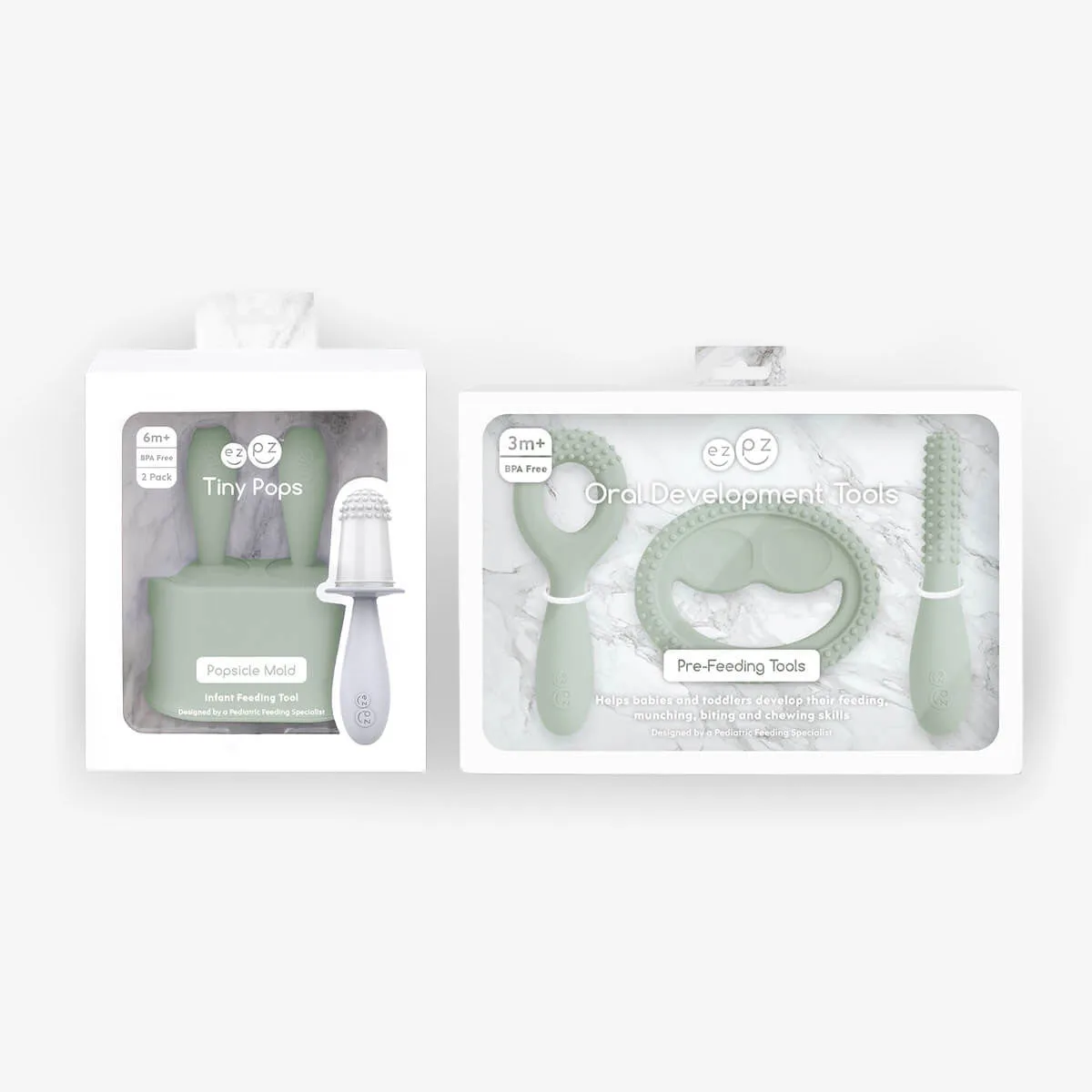
A great starting point is the Baby-LedTM Gumline Feeder (5-Pack). This innovative feeder allows you to place small pieces of soft food inside a mesh or silicone pouch, letting your baby chew and suck without the risk of choking. It's perfect for introducing new flavors and textures while strengthening jaw muscles. Use it during supervised play or as a precursor to mealtime.
Another excellent tool is the Ice Tray for the Baby-LedTM Gumline Feeder. You can freeze purees, breast milk, or formula into easy-to-use popsicles that fit perfectly into the feeder. This not only soothes sore gums during teething but also provides a soothing sensory experience that encourages oral exploration.
- Start with short, playful sessions of 3-5 minutes
- Always supervise your baby during pre-feeding play
- Choose age-appropriate toys that are free from small parts
- Rotate toys to keep your baby engaged and curious
Pre-Feeding Activities to Boost Oral Motor Skills
Incorporating specific activities into your daily routine can significantly enhance your baby's oral motor development. Here are some simple, effective exercises to try at home.
First, encourage your baby to chew on safe, textured teethers. This helps strengthen the jaw and prepares the mouth for chewing solid foods. You can also practice blowing bubbles or using a straw to develop lip and cheek muscles. Another fun activity is to let your baby play with a spoon—even if it's just banging it on the tray—to build hand-eye coordination and familiarity with utensils.
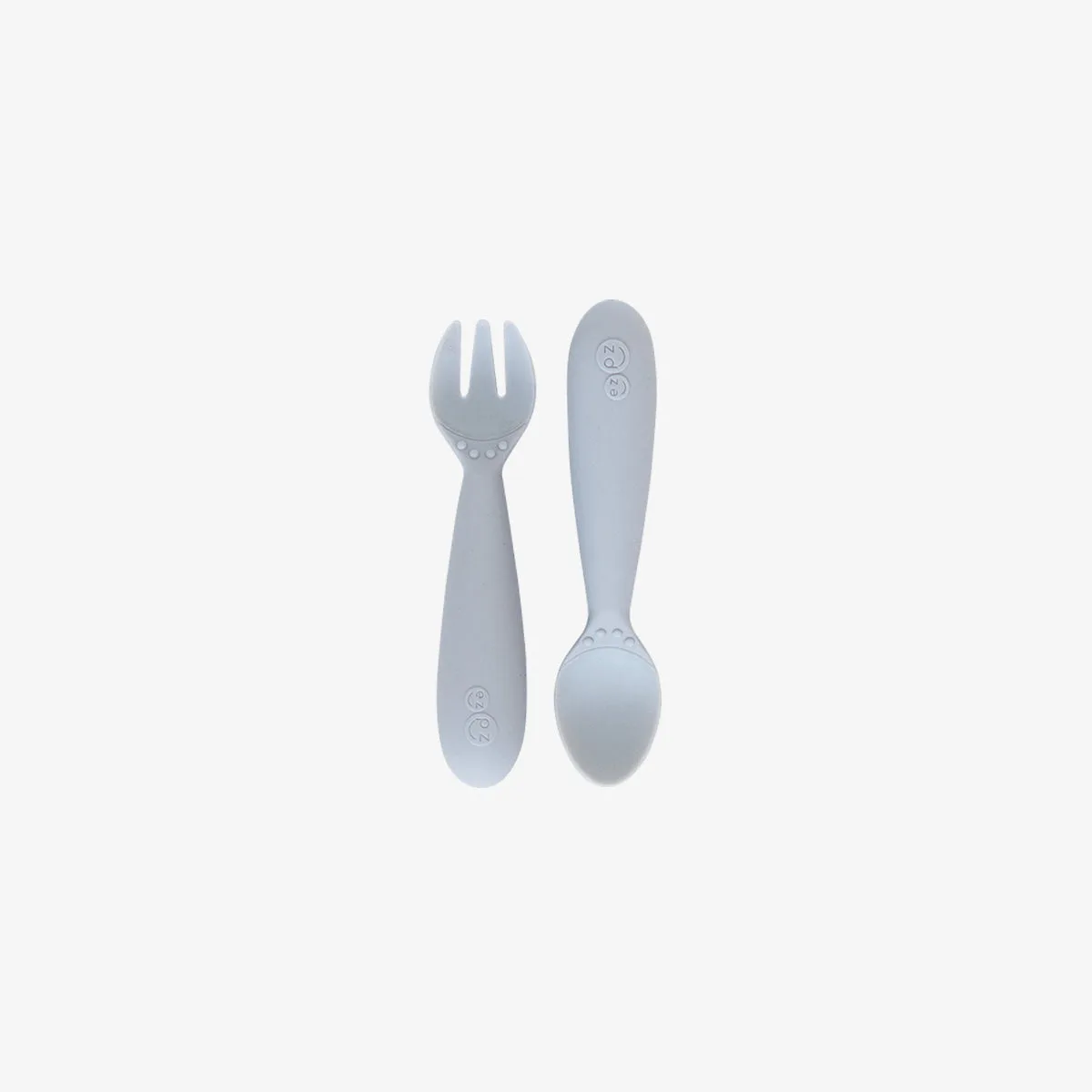
For a more structured approach, consider using the https://ezpzfunez.com/products/developmental-utensil-set-5-pack-fdb8d8669130c4c39ebd37b6-577006Developmental Utensil Set (5-Pack). These ergonomic utensils are designed to fit small hands and encourage proper grip. Let your baby hold and explore them during play, and eventually guide them to scoop soft foods like yogurt or mashed avocado. This hands-on practice builds confidence and skill.
- Offer a variety of textured teethers for chewing practice
- Practice blowing bubbles or using a straw for lip strength
- Let baby hold and explore utensils like the Developmental Utensil Set
- Incorporate spoon play during meals to build coordination
Choosing the Right Pre-Feeding Toys for Your Baby
When selecting pre-feeding toys, prioritize safety, age-appropriateness, and developmental benefits. Look for toys made from food-grade, BPA-free materials that are easy to clean. Ensure they are large enough to prevent choking and have no sharp edges.
The Happy Feeding Set is a fantastic all-in-one solution that includes a bowl, spoon, and cup designed for babies 6 months and up. The suction base keeps the bowl in place, and the soft-tipped spoon is gentle on gums. This set encourages self-feeding and makes the transition to solid foods less messy and more enjoyable.
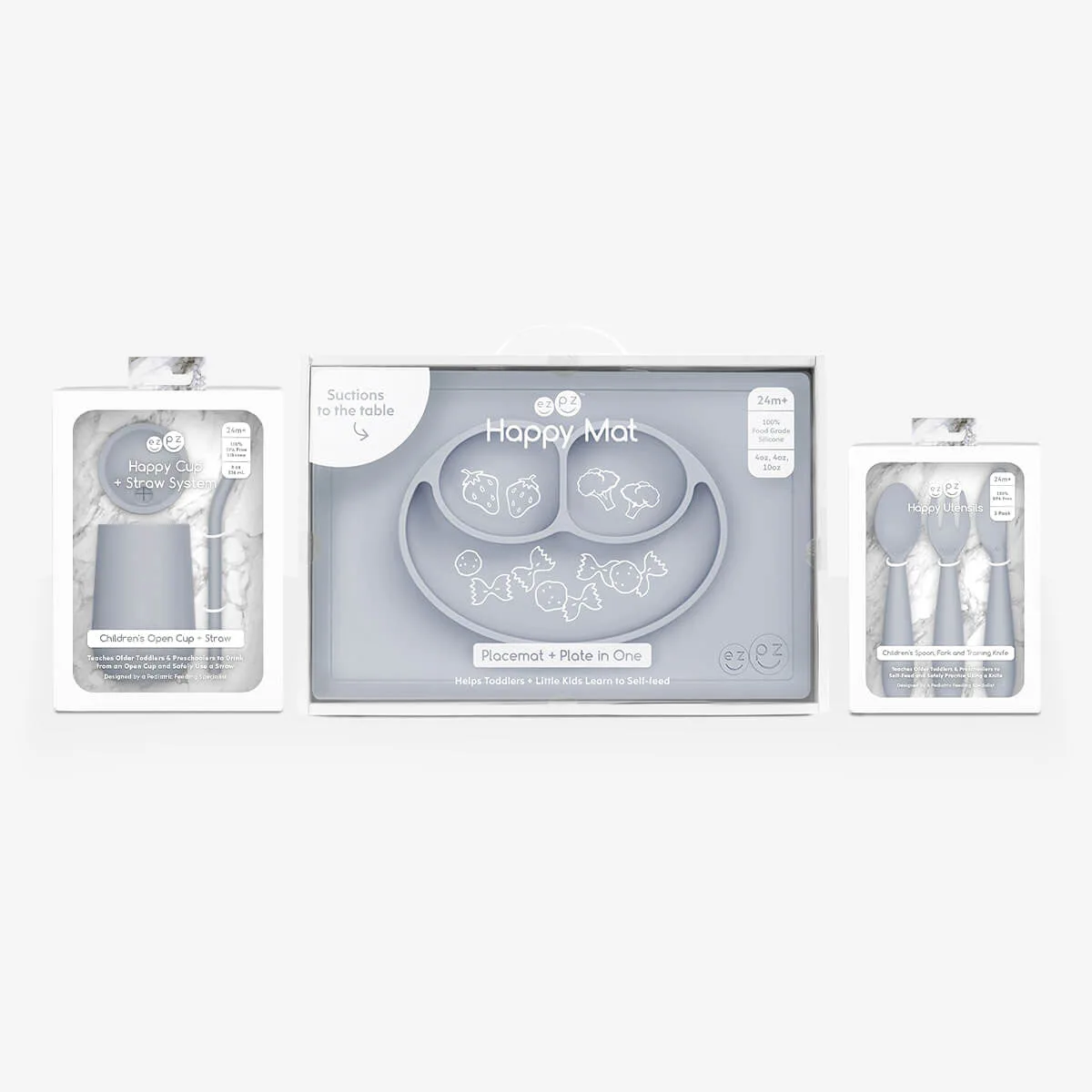
Happy Feeding Set
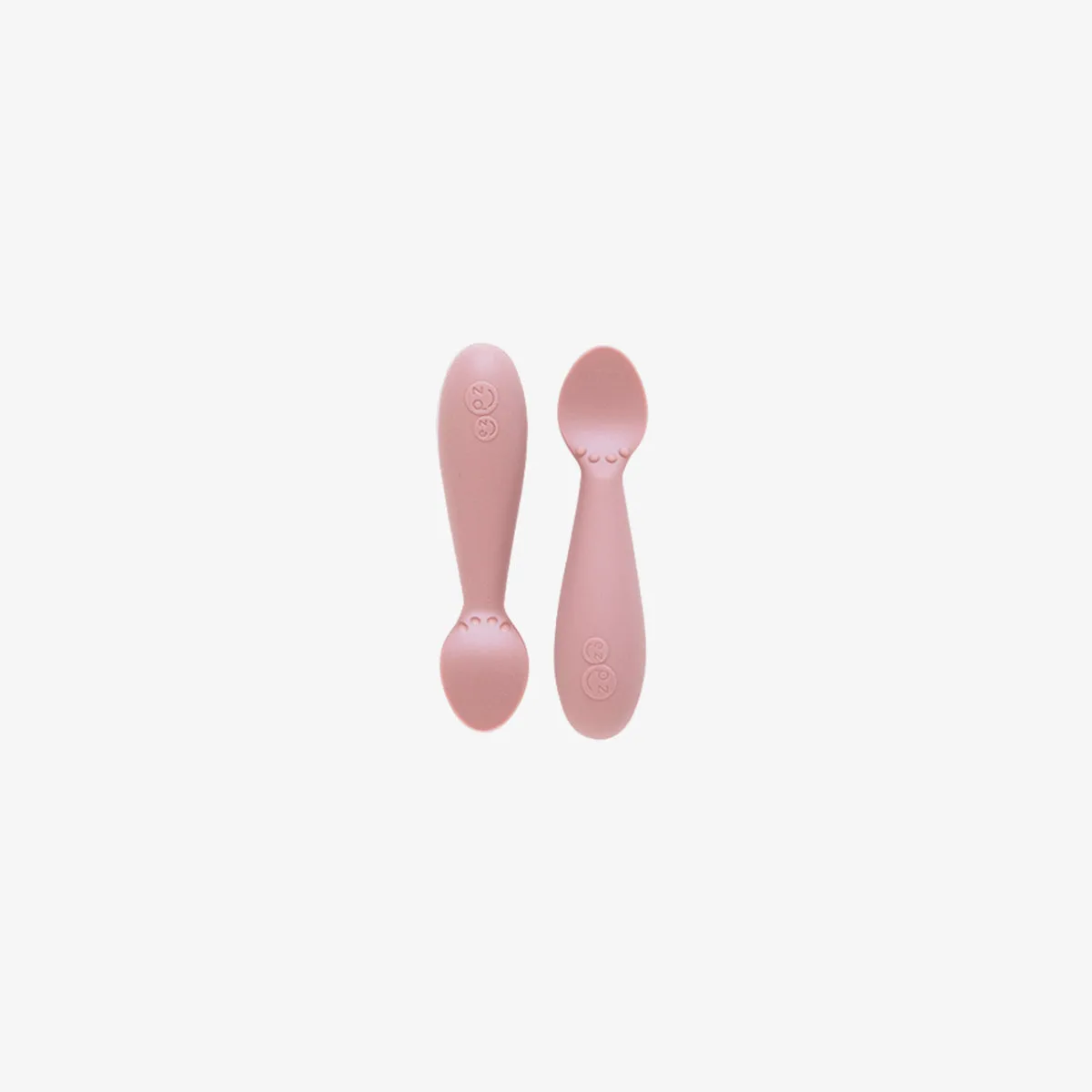
Another great option is the First Foods Set, which includes a variety of pre-feeding tools like a soft-tipped spoon and a training cup. These tools are perfect for introducing the concept of eating and drinking independently. By providing a range of tools, you can keep your baby engaged and support different aspects of development.
- Check for BPA-free, food-grade materials
- Choose age-appropriate toys that match your baby's motor skills
- Look for easy-to-clean designs to maintain hygiene
- Consider sets that offer multiple tools for varied practice
Integrating Pre-Feeding Toys into Daily Routine
Consistency is key when introducing pre-feeding toys. Aim to incorporate them into your baby's daily routine, such as during tummy time, before meals, or as a wind-down activity. This regular exposure helps your baby become comfortable and confident with the tools and sensations.
For example, you can place a few pre-feeding toys in a basket and let your baby choose one to explore during playtime. This encourages independent decision-making and curiosity. You can also use them during mealtime transitions—like letting your baby hold a spoon while you feed them—to bridge the gap between passive and active eating.
Remember to keep sessions positive and pressure-free. If your baby loses interest, take a break and try again later. The goal is to create a pleasant association with eating tools and textures, setting the stage for a lifetime of healthy eating habits.
- Set aside a few minutes daily for pre-feeding play
- Use toys during tummy time to encourage reaching and mouthing
- Let baby choose toys to foster independence
- Keep sessions positive and follow your baby's cues
Pre-feeding toys are a wonderful way to support your baby's oral motor development and make the journey to self-feeding smoother and more enjoyable. By introducing these tools early and consistently, you're not just preparing your baby for solid foods—you're building a strong foundation for healthy eating habits. Explore our range of pre-feeding products, like the Happy Feeding Set, to find the perfect tools for your little one's developmental stage.